Updated November 2026. English Cocker Spaniel Guide is an independent site, not affiliated with any breed club or kennel club. Some links are affiliate links: as an Amazon Associate we earn from qualifying purchases.
The English Cocker Spaniel’s silky coat and long, feathered ears are beautiful, but they tangle easily. Mats form fast behind the ears, in the armpits and on the back of the legs, and once they tighten against the skin they are uncomfortable and hard to remove. The right brush and comb make regular grooming quicker, gentler and far more effective. This guide covers the tools that suit a cocker’s coat and how to use them properly.
These are our picks from Amazon.ca, chosen on design, materials, suitability for a medium-sized spaniel, and the volume and consistency of buyer reviews. We have not lab-tested them ourselves.
Quick picks
- Best slicker brush: Wahl Canada Large Slicker Brush, a well-made slicker from a trusted grooming brand
- Best for feathering: The Doodle Brush Slicker Brush, with long pins that reach through thick feathering
- Best comb: PIEPEA Stainless Steel Pet Comb, a very highly rated metal comb for finishing and finding tangles
The best brushes and combs for cockers
1. Wahl Canada Large Slicker Brush: best slicker brush
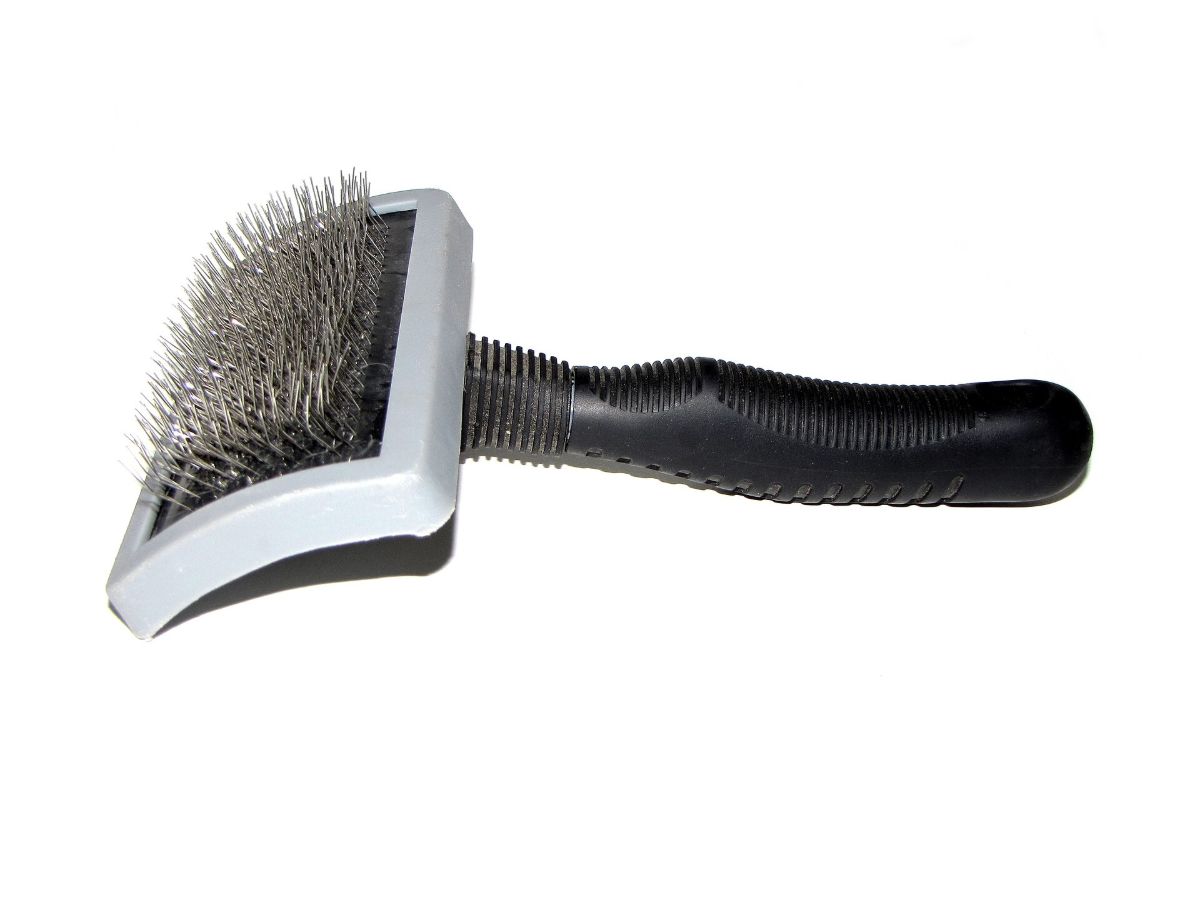
A slicker brush, with fine wire pins set in a cushioned pad, is the workhorse for a cocker’s feathering. It removes loose hair and works through small tangles before they become mats. Wahl’s large slicker covers the body and legs efficiently, and the brand is well known among Canadian groomers. Use light pressure and let the pins do the work.
- Good for: regular brushing of ears, legs, chest and belly
- Watch for: slicker pins can scratch skin if you press too hard; practise on your forearm
Check the Wahl Canada Large Slicker Brush on Amazon.ca →
2. The Doodle Brush Slicker Brush: best for feathering
Designed for curly, thick coats, this slicker has longer pins that reach down through dense feathering to the skin, which is where cocker mats start. It suits show-bred cockers with fuller coats and the profuse ear feathering many pet cockers grow.
- Good for: dense feathering and full coats
- Watch for: long pins need a gentle hand on thin-coated areas
Check the The Doodle Brush Slicker Brush on Amazon.ca →
3. PIEPEA Stainless Steel Pet Comb: best comb
A metal comb is the secret weapon of every good groomer. After brushing, run the comb through the coat from the skin outward; if it catches, there is a tangle the brush missed. This comb has both wide and narrow teeth and has an excellent rating from thousands of buyers.
- Good for: finishing, checking for tangles, ears and face
- Watch for: do not drag through mats; tease them apart first
Check the PIEPEA Stainless Steel Pet Comb on Amazon.ca →
Comparison
| Tool | Type | Best for |
|---|---|---|
| Wahl slicker | Slicker brush | Everyday brushing |
| Doodle Brush | Long-pin slicker | Thick feathering |
| PIEPEA comb | Metal comb | Finishing and tangle checks |
What to look for in a brush for an English Cocker
- Slicker brush: essential. Choose a size that fits comfortably in your hand; a medium or large slicker covers the body, while a small one is handy for the face and feet.
- Pin length: longer pins reach through thick feathering; shorter pins suit short or clipped coats.
- Flexible pad: a cushioned or flexible head is gentler on the skin.
- Metal comb: a comb with wide and fine teeth finds tangles and finishes the coat.
- Avoid harsh deshedding blades on the silky feathering; they can cut and damage the coat. Use them only as your groomer advises.
- Comfortable handle: you will be brushing often, so grip matters.
How to brush an English Cocker properly
- Start with a calm, tired dog on a non-slip surface or grooming table.
- Mist the coat lightly with water or a grooming spray; brushing a dry coat can cause breakage and static.
- Line brush: part the coat with one hand and brush in small sections from the skin outward, working up the leg or ear.
- Pay extra attention to behind the ears, the ear flaps, armpits, chest, belly, back of the legs and around the tail.
- Follow with the comb. If it snags, go back with the slicker or tease the tangle apart with your fingers.
- Finish by checking the feet and the hair between the pads, and give a treat.
Brush two to four times a week, and daily for a full coat or after muddy walks. For the full routine, see our grooming guide.
Dealing with mats
Small tangles can be teased apart with your fingers and a little detangling spray, then worked out gently with the slicker and comb, holding the hair near the skin so you do not pull. Large or tight mats are painful to brush out; cut them out carefully with blunt-ended scissors, cutting away from the skin, or ask a groomer to clip them. Never bath a matted dog, as water tightens mats.
Making brushing a happy habit
Start brushing your puppy gently from the first week, a few strokes at a time, with treats. Keep early sessions short and finish before your dog gets bored. A LickiMat with a smear of dog-safe paste keeps many dogs happily occupied while you work.
Caring for your brushes
Remove hair from the slicker after every session, and wash brushes and combs occasionally in warm soapy water, drying them thoroughly so the pins do not rust. Replace a slicker when the pins become bent or the pad splits, since damaged pins scratch the skin. Keeping a separate small slicker in the car or by the back door makes it easy to brush out burrs and seeds straight after walks, before they work their way into mats.
Frequently asked questions
How often should I brush my English Cocker?
Two to four times a week for most coats, and daily for long show coats or after muddy, wet walks.
What is the best brush for a cocker spaniel?
A good slicker brush plus a metal comb covers nearly everything. Add a small slicker for faces and feet if you like.
Can I use a deshedding tool on my cocker?
Use deshedding blades cautiously, if at all, on the silky feathering, as they can cut the coat. Ask your groomer.
Why does my cocker hate being brushed?
It may have been hurt by tangles in the past. Detangle gently, use a light hand, keep sessions short and reward generously.
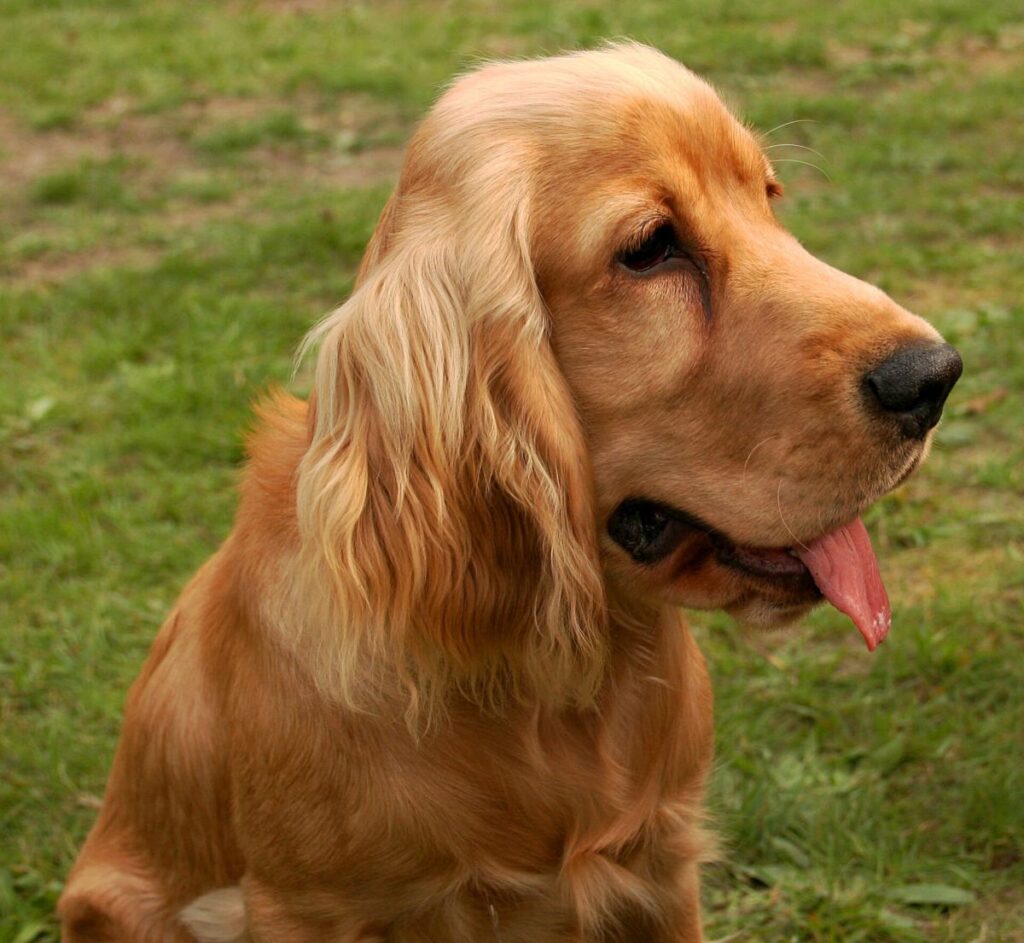
Featured photo: ZooFari, via Wikimedia Commons, CC BY-SA 3.0
Leave a Reply