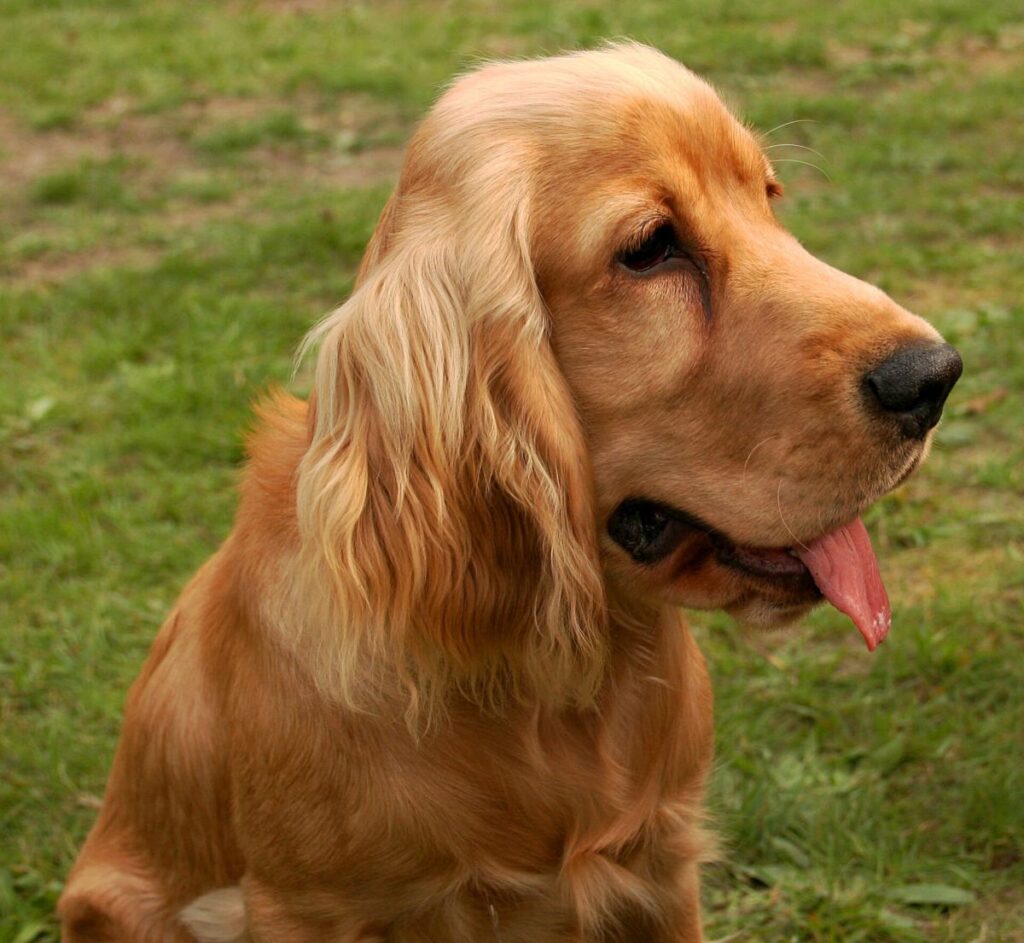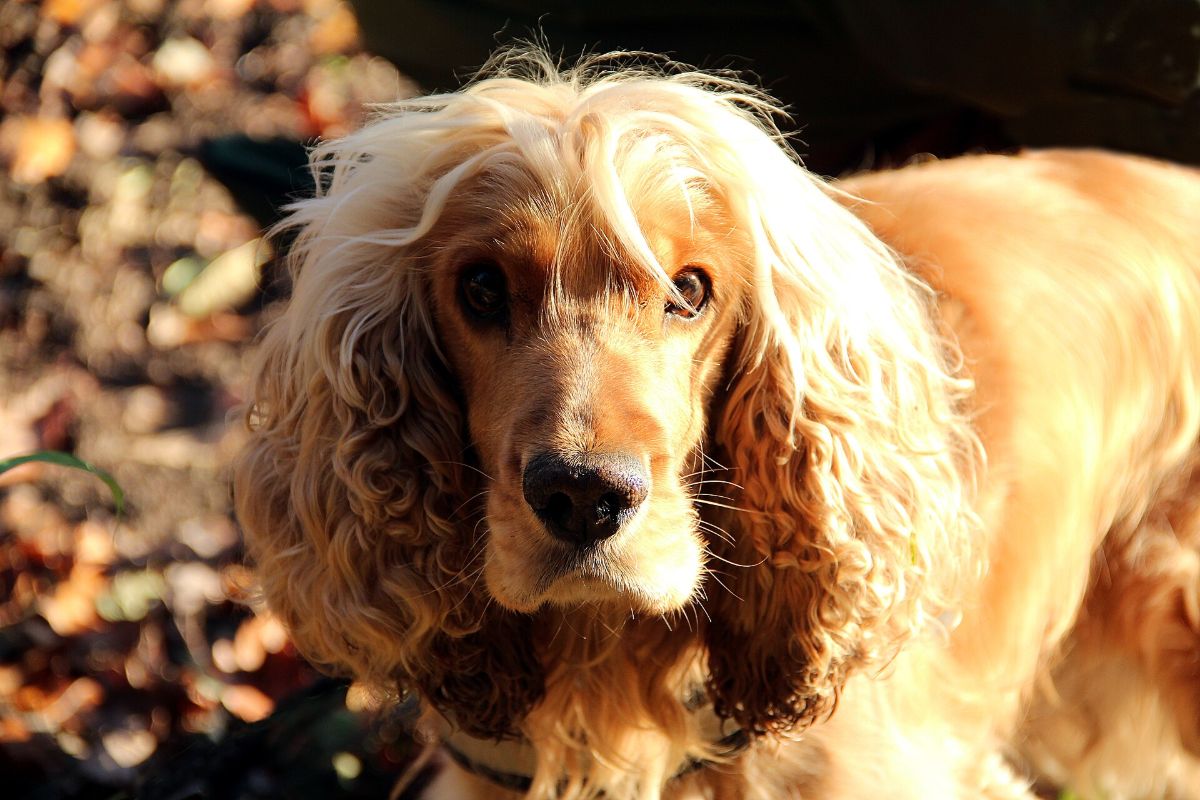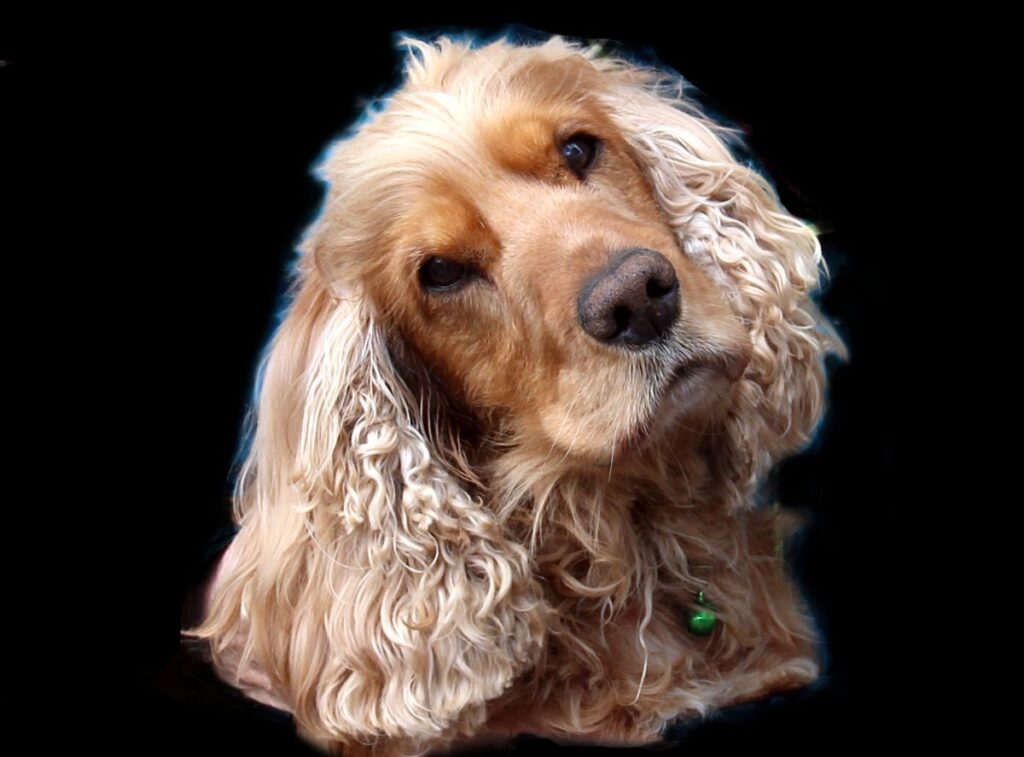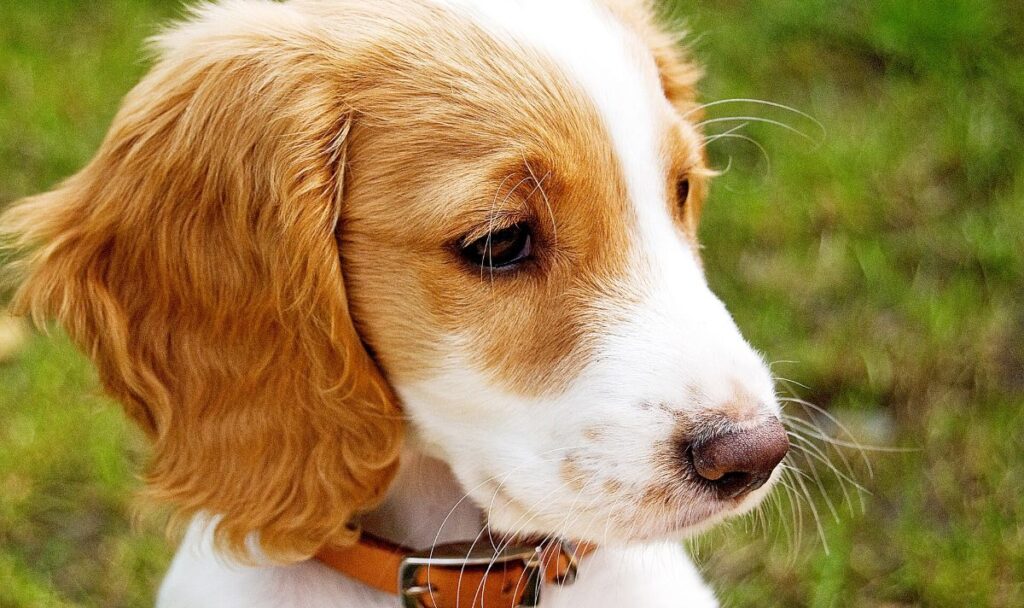
Category: Grooming

How to groom an English Cocker Spaniel at home: brushing, trimming feet and ears, bathing and drying, plus reviews of the grooming tools that make it easier.

  • The Best Dog Grooming Table for Cocker Spaniels (2026)

    The Best Dog Grooming Table for Cocker Spaniels (2026)

    Updated November 2026. English Cocker Spaniel Guide is an independent site, not affiliated with any breed club or kennel club. Some links are affiliate links: as an Amazon Associate we earn from qualifying purchases.

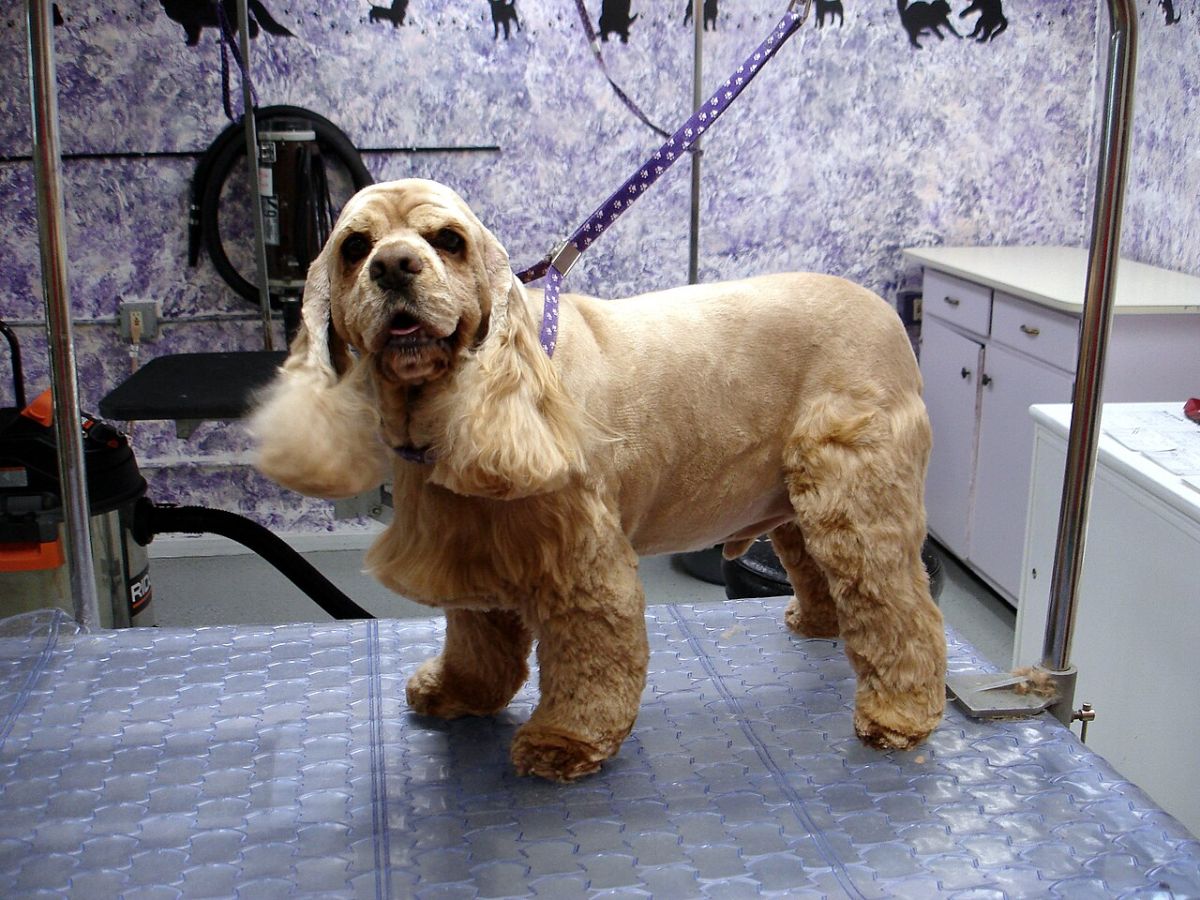
    If you groom your English Cocker Spaniel at home, a grooming table is the piece of kit that changes everything. Trimming feet, thinning ear feathering and neatening the outline is far easier when your dog is standing at waist height on a non-slip surface, rather than wriggling on the floor while you crouch over it. Your back will thank you, your dog will be steadier, and the finished trim will be noticeably neater.

    Below are two folding grooming tables from Amazon.ca in sizes that suit a cocker, followed by how to use one safely and teach your dog to stand calmly.
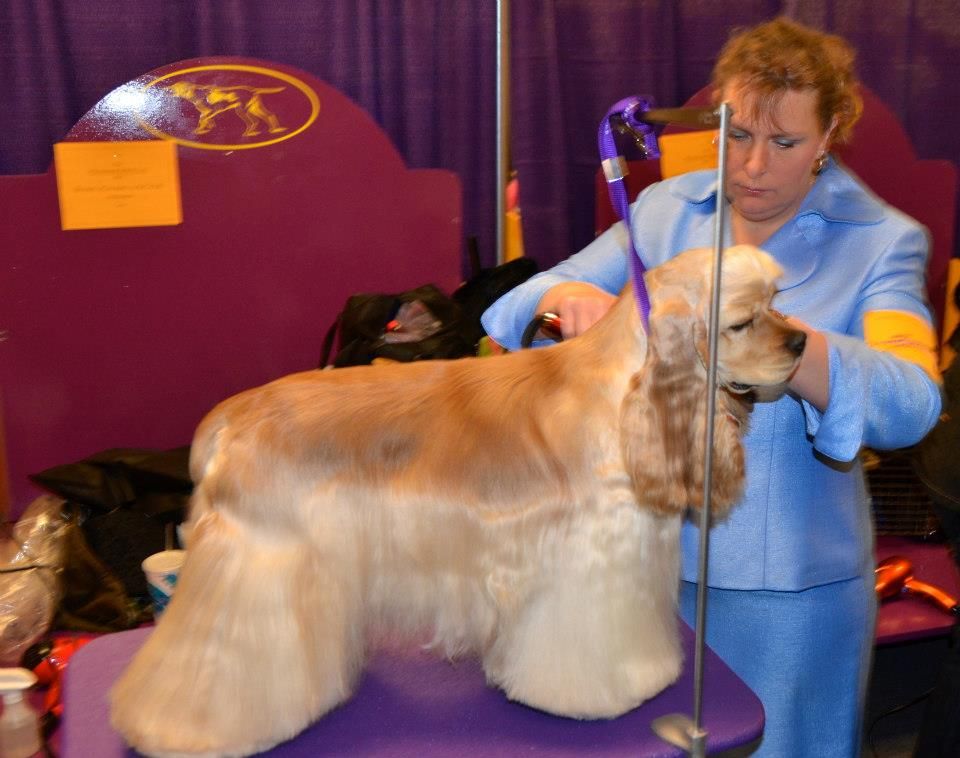
    Grooming a cocker spaniel
    Grooming a cocker spaniel. Our pick: Yaheetech grooming table on Amazon.ca. Photo: Andrea Arden, via Wikimedia Commons, CC BY 2.0

    Quick picks

    These are our picks from Amazon.ca, chosen on design, materials, suitability for a medium-sized spaniel, and the volume and consistency of buyer reviews. We have not lab-tested them ourselves.

    The best grooming tables for cocker spaniels

    1. Yaheetech 32-inch Folding Grooming Table: best compact

    A sturdy folding table with a rubber non-slip top, adjustable legs and a grooming arm with a loop to help keep your dog in position. At 32 inches long, the surface suits an adult English Cocker, and it folds flat for storage in a cupboard or car boot.

    • Good for: home grooming, small spaces, one cocker
    • Watch for: the grooming loop is for positioning only; never leave your dog unattended

    Check the Yaheetech 32-inch Folding Grooming Table on Amazon.ca →

    2. Yaheetech 36-inch Folding Grooming Table: best larger

    The slightly larger version gives you more room to move around a bigger dog or to groom more than one breed in the house. The extra length also helps when you want your cocker to lie down on its side for trimming the belly and feathering.

    • Good for: larger cockers, multi-dog homes, show prep
    • Watch for: takes more space; check the folded size before buying

    Check the Yaheetech 36-inch Folding Grooming Table on Amazon.ca →
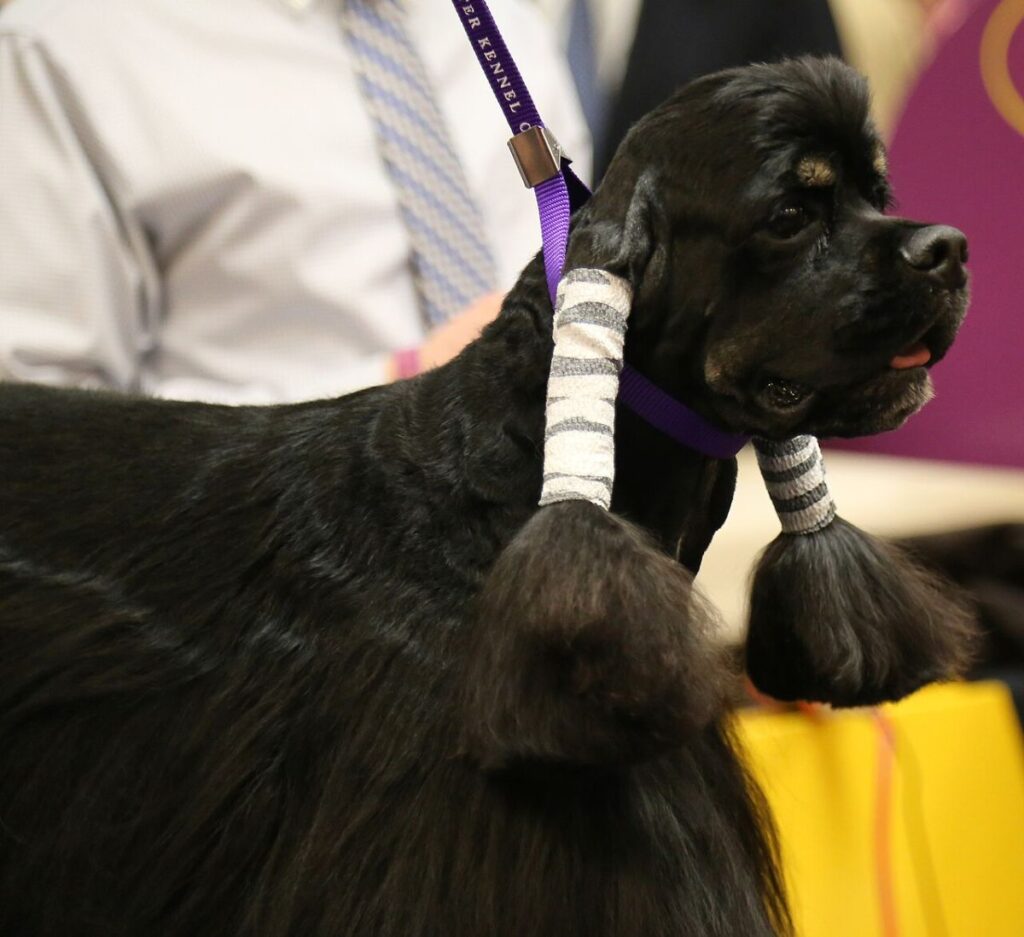
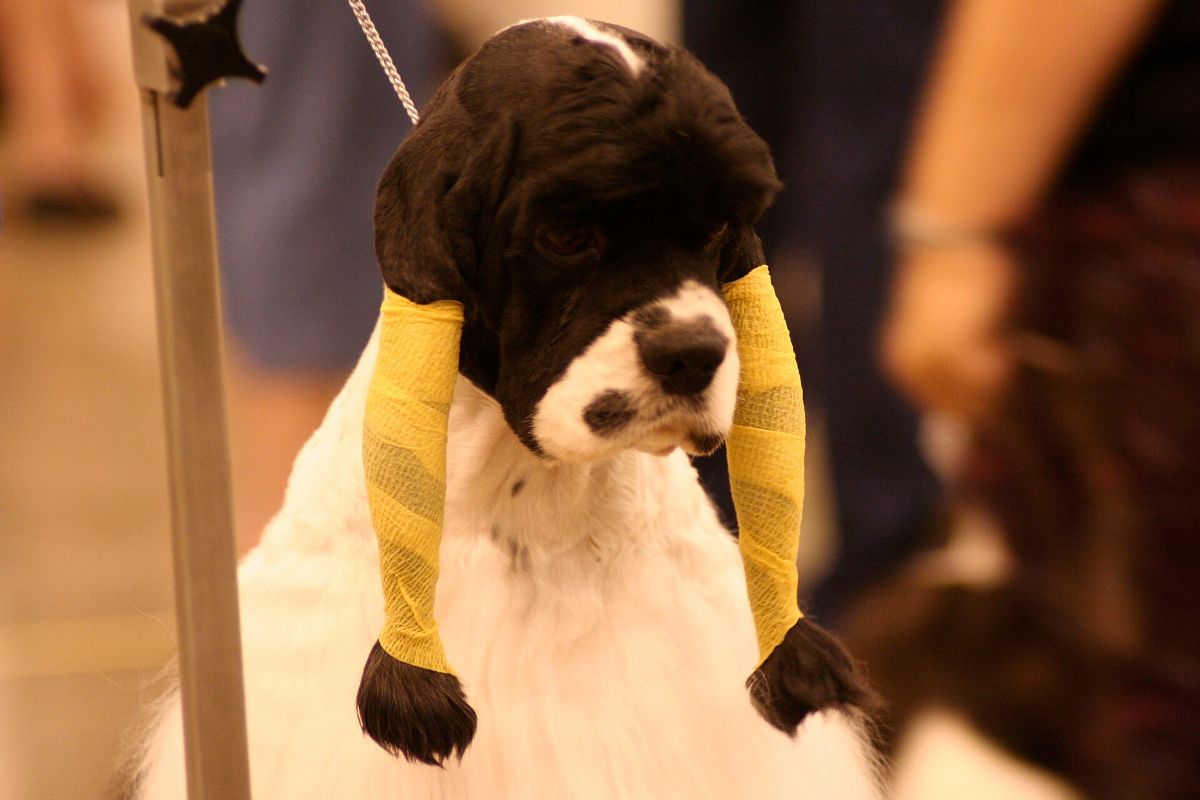
    A cocker spaniel's groomed ears
    A cocker spaniel’s groomed ears. Our pick: Yaheetech 36-inch grooming table on Amazon.ca. Photo: Arturo Pardavila III from Hoboken, NJ, USA, via Wikimedia Commons, CC BY 2.0

    Comparison

    TableTop lengthGrooming armFolds
    Yaheetech 32 inchAbout 32 inYesYes
    Yaheetech 36 inchAbout 36 inYesYes

    What to look for in a grooming table

    • A non-slip top. A dog that slides around will feel insecure and fidget.
    • Stability. The table should not wobble when your dog shifts its weight. Check the legs lock firmly.
    • The right size. Your dog should be able to stand comfortably with a little room in front and behind.
    • Height. Adjustable legs let you set the table so you can work without bending.
    • Portability. A folding table can be stored away or taken to shows.

    Teaching your cocker to stand on the table

    1. Lift your dog onto the table, with one hand under the chest and one under the back end. Do not let it jump on or off, which risks injury.
    2. Reward it for standing still with tiny treats. Keep the first sessions to a minute or two.
    3. Practise handling feet, ears and tail while your dog stands, rewarding calm behaviour.
    4. Introduce brushes and combs, then scissors and clippers, one at a time over several sessions. A lick mat stuck to a wall nearby is a great distraction.
    5. Always finish on a positive note and lift your dog down gently.

    Safety on the grooming table

    Never leave a dog alone on a grooming table, even for a moment, and never leave it attached to the grooming loop if you step away. A dog that jumps or falls while attached can be seriously injured. Keep one hand on your dog at all times, and keep your tools within reach before you start so you do not need to turn away. Puppies should only be on the table for very short, closely supervised sessions.

    A home grooming routine on the table

    With your dog on the table, work from the back to the front: brush and comb out the coat, then trim the feet and hocks, neaten the feathering on the legs and belly, thin and tidy the ears, and finish with the head and neck. Our full grooming guide explains each step, and our reviews of the best brushes, clippers and scissors cover the tools you will need.

    Is a grooming table worth it?

    If you groom your cocker yourself more than once every few months, yes. Spaniels need regular attention to their feet, ears and feathering, and doing that work on the floor is uncomfortable and less precise. A folding table pays for itself quickly compared with the cost of professional grooming, though many owners still use a groomer for a full trim and do the maintenance at home in between.

    Using a non-slip mat instead

    If you do not have space for a table, a rubber non-slip mat on a sturdy, low surface such as a garden bench or a washing machine can work for quick tidy-ups. Make sure the surface is stable, never leave your dog unattended, and always lift it up and down.

    Frequently asked questions

    What size grooming table for an English Cocker Spaniel?

    A table about 32 inches long suits most adults. A 36-inch table gives more room for bigger dogs or multi-dog homes.

    Do I need a grooming arm?

    A grooming arm and loop help keep your dog in position, but they are not a restraint. Never leave your dog alone while attached.

    How tall should a grooming table be?

    Set it so you can work comfortably without bending, usually around waist height.

    Can I use a grooming table for a puppy?

    Yes, with very short sessions and close supervision. It is a great way to get your puppy used to being handled.

    Featured photo: patti, via Wikimedia Commons, CC BY-SA 2.0
  • Winter Paw Care and Coats for Spaniels (2026)

    Winter Paw Care and Coats for Spaniels (2026)

    Updated November 2026. English Cocker Spaniel Guide is an independent site, not affiliated with any breed club or kennel club. Some links are affiliate links: as an Amazon Associate we earn from qualifying purchases.

    Winter is hard on a spaniel’s feet. English Cockers grow a lot of hair between their pads, and in snow that hair collects painful balls of ice. Road salt and grit can crack and burn the pads, frozen ground is rough, and repeated soaking in cold, muddy water dries the skin. Meanwhile, a wet cocker loses heat quickly on a long, cold walk, particularly if it is old, young or clipped short.

    This guide covers the two simplest ways to protect your dog in cold weather: a good paw balm and, for dogs that feel the cold, a waterproof coat. Here are our picks from Amazon.ca and a winter care routine that works.

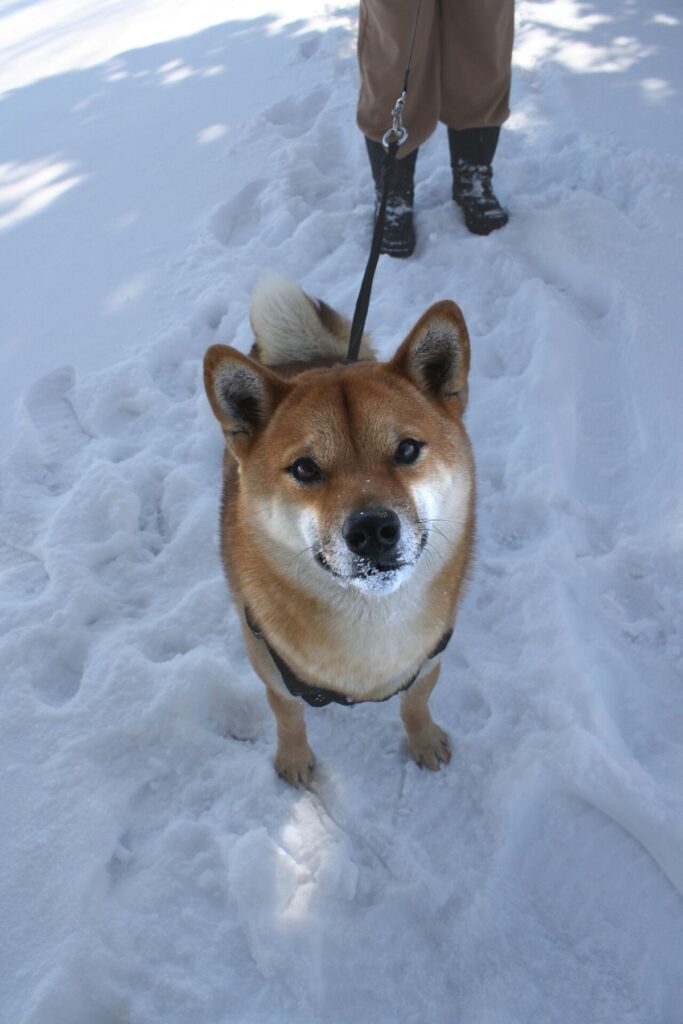
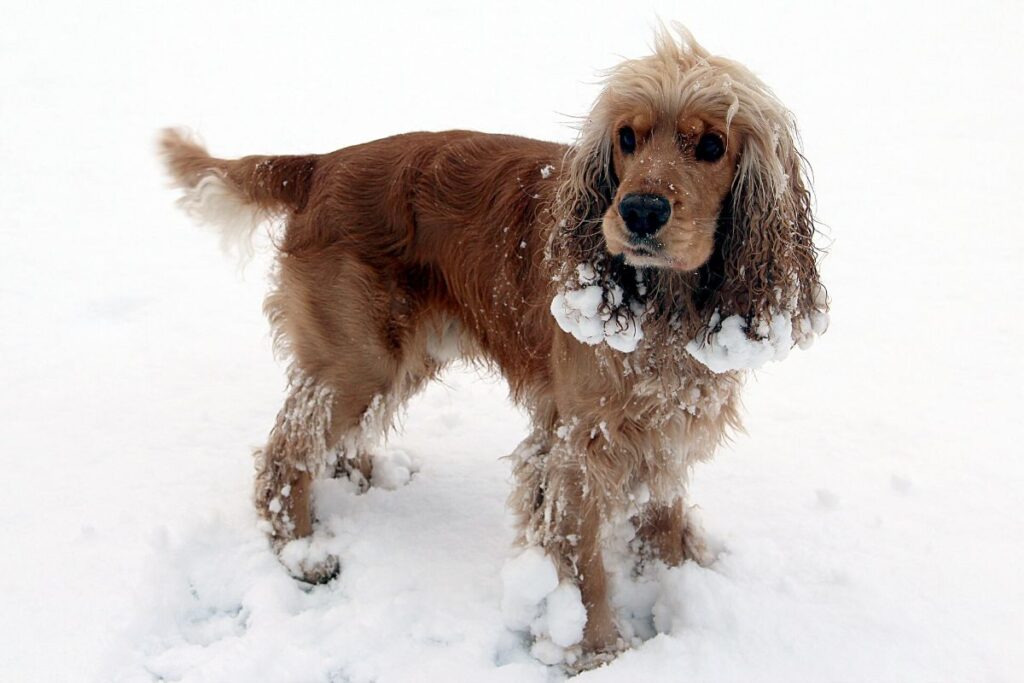
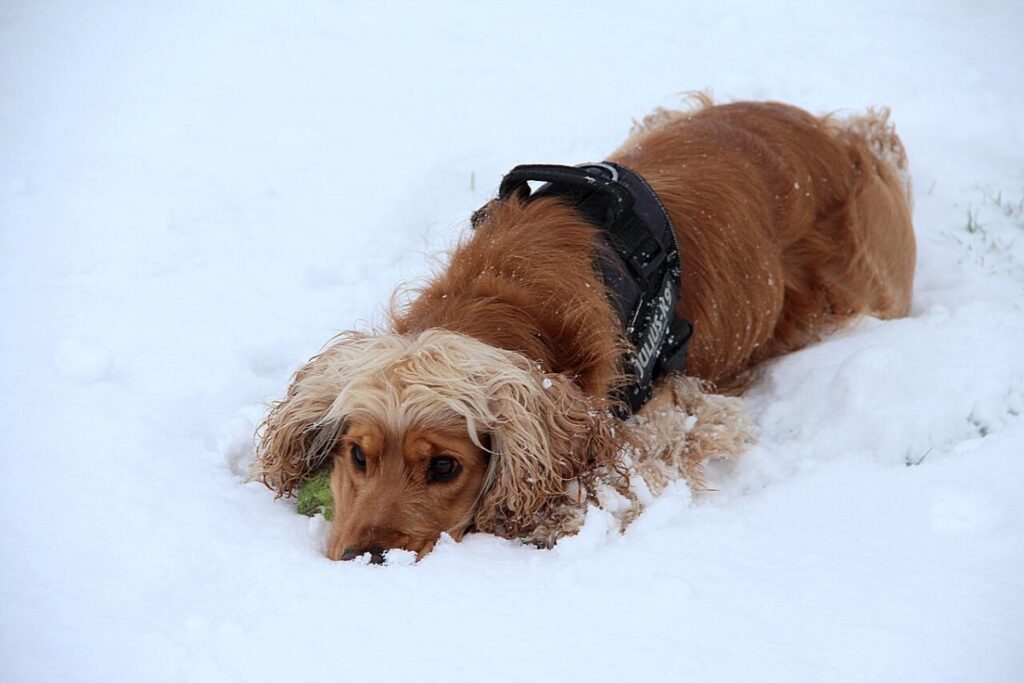
    A dog in the snow
    A dog in the snow. Our pick: Tinioey paw balm on Amazon.ca. Photo: Photos-public-domain.com, via Wikimedia Commons, Public domain

    Quick picks

    These are our picks from Amazon.ca, chosen on design, materials, suitability for a medium-sized spaniel, and the volume and consistency of buyer reviews. We have not lab-tested them ourselves.

    Our winter picks for spaniels

    1. Tinioey Natural Paw Balm: best paw balm

    A wax-based balm that forms a light protective layer on the pads before a walk and soothes dry, cracked pads afterwards. Natural waxes and oils help repel snow and slush and reduce the irritation from salted pavements.

    • Good for: salted roads, dry or cracked pads, snow
    • Watch for: apply sparingly and let it soak in so your dog does not slide on hard floors

    Check the Tinioey Natural Paw Balm on Amazon.ca →

    2. PawSono Lick-Safe Paw Balm: best lick-safe

    Spaniels lick their feet, so a balm made from ingredients that are safe if licked is a sensible choice. It is useful for nose and elbow dryness as well as paws.

    • Good for: dogs that lick their feet, everyday moisturising
    • Watch for: even lick-safe products work better if you distract your dog for a few minutes after applying

    Check the PawSono Lick-Safe Paw Balm on Amazon.ca →

    3. AOFITEE Full-Body Waterproof Dog Coat: best winter coat

    A waterproof coat that covers the back, chest and belly, keeping your dog warmer and much cleaner on cold, wet walks. Full-body cover is particularly useful for spaniels because so much mud collects on the belly and chest feathering.

    • Good for: older dogs, clipped coats, wet winter walks
    • Watch for: measure back length carefully; coats that are too long can rub when your dog runs

    Check the AOFITEE Full-Body Waterproof Dog Coat on Amazon.ca →

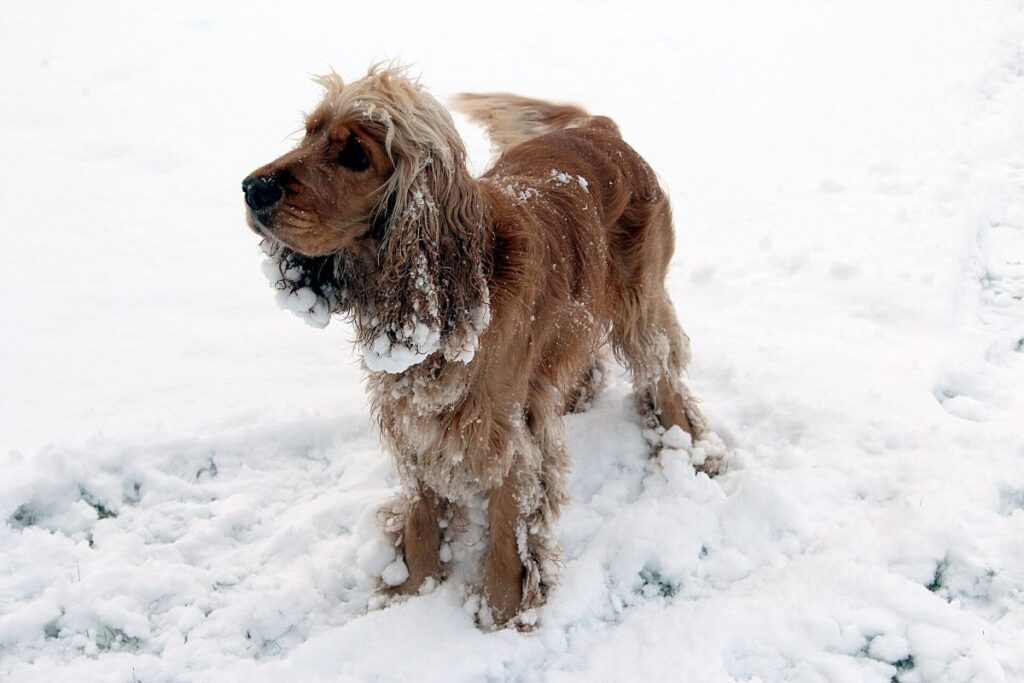
    A golden cocker spaniel in the snow
    A golden cocker spaniel in the snow. Our pick: AOFITEE waterproof dog coat on Amazon.ca. Photo: Jean-Pol GRANDMONT, via Wikimedia Commons, CC BY 4.0

    Comparison

    ProductTypeBest for
    TinioeyPaw balmSalt, snow and cracked pads
    PawSonoLick-safe balmDogs that lick their paws
    AOFITEEWaterproof coatCold, wet walks

    A winter paw care routine

    1. Trim the hair between the pads level with the pad surface. This is the most effective way to stop ice balls forming. Our guide to grooming scissors shows how.
    2. Rub a thin layer of balm into the pads before you go out on snowy or salted ground.
    3. After the walk, rinse your dog’s feet in lukewarm water to remove salt, grit and de-icer.
    4. Dry the feet thoroughly, including between the toes.
    5. Check the pads for cuts, cracks or redness, and apply balm again if they are dry.

    Does a cocker spaniel need a coat?

    Many healthy adult English Cockers with a full coat are fine without one in an ordinary winter, especially if they keep moving. A coat is worth having for older dogs, puppies, dogs that have been clipped short, dogs with health problems, and for cold, wet weather when your dog will be standing around, such as at a training class or watching a match. A waterproof coat also saves a lot of time drying and cleaning a cocker after a muddy walk, which our drying coat guide covers in more detail.

    What about dog boots?

    Boots can protect feet from salt and ice, but many dogs find them strange and walk awkwardly at first, and boots that fit badly can rub. If you want to try them, choose a size based on paw width, introduce them slowly at home with treats, and use them for short periods. For most spaniels, trimmed feet, a good balm and rinsing after walks are enough.

    Signs of cold or paw trouble

    • Lifting paws, limping or refusing to walk on icy ground
    • Licking or chewing the feet after walks
    • Cracked, bleeding or red pads
    • Shivering, slowing down or trying to turn for home

    If your dog has a cut pad that keeps bleeding, a limp that does not improve, or redness and swelling between the toes, see your vet. Grass seeds lodged between the toes are another common spaniel problem, although they are more of a summer issue.

    Older spaniels in winter

    Older cockers often feel the cold more and may be stiff on chilly mornings. Shorter, more frequent walks, a warm coat, a supportive bed out of draughts and a gentle warm-up before exercise all help. Read our guide to the senior English Cocker for more tips.

    Frequently asked questions

    How do I stop snowballs forming on my spaniel’s feet?

    Trim the hair between the pads short and apply a wax-based paw balm before walks.

    Is road salt bad for dogs’ paws?

    Salt and de-icers can dry and irritate pads, and they are harmful if licked. Rinse your dog’s feet after walks on treated roads.

    Do English Cockers feel the cold?

    Healthy adults with a full coat cope well, but older dogs, puppies and clipped dogs may need a coat in cold, wet weather.

    Can I use human moisturiser on my dog’s paws?

    It is better to use a product made for dogs, because many human creams contain ingredients that are not safe to lick.

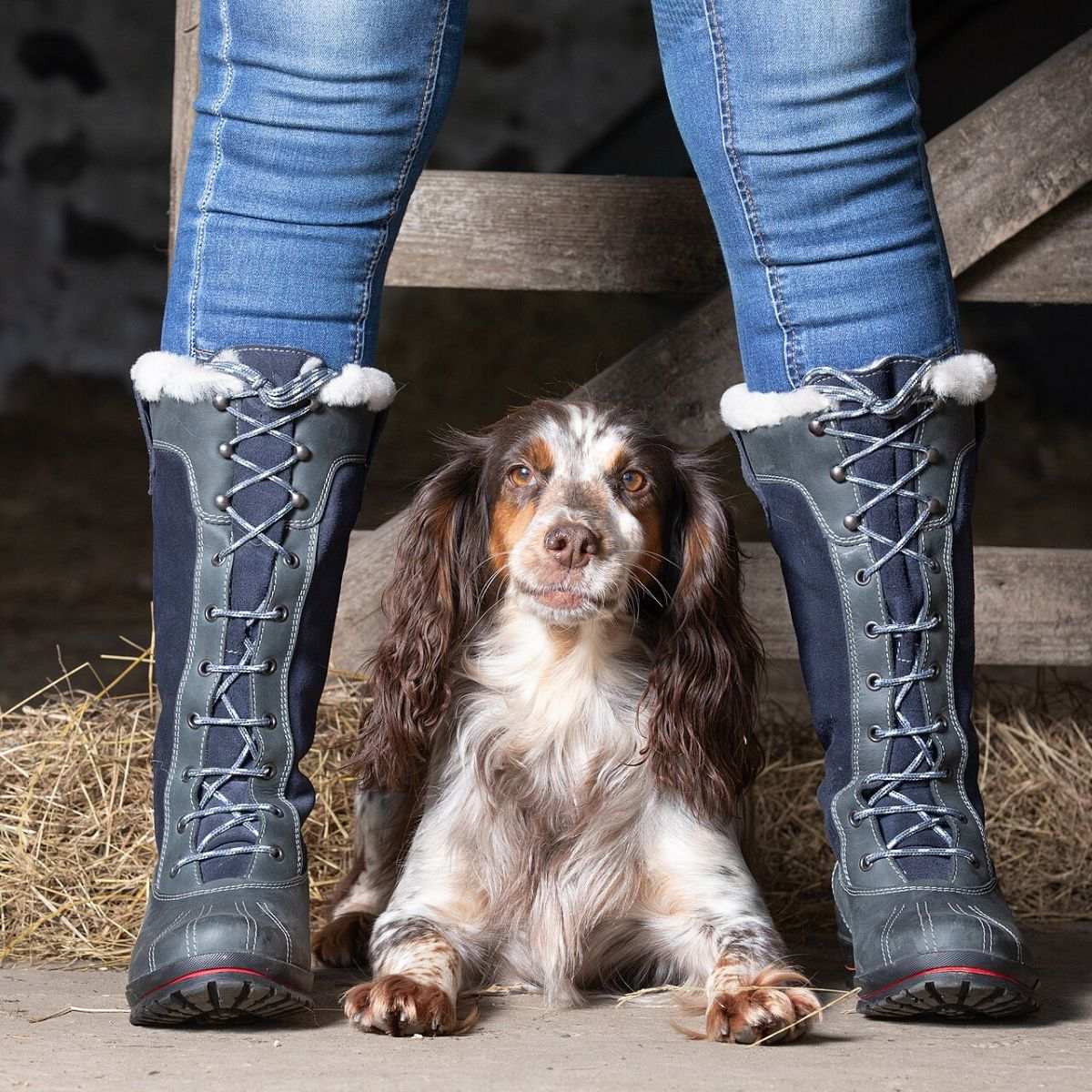
    Featured photo: Bareback Footwear, via Wikimedia Commons, CC BY-SA 4.0

  • The Best Dog Nail Grinder for Cocker Spaniels (2026)

    The Best Dog Nail Grinder for Cocker Spaniels (2026)

    Updated November 2026. English Cocker Spaniel Guide is an independent site, not affiliated with any breed club or kennel club. Some links are affiliate links: as an Amazon Associate we earn from qualifying purchases.

    Long nails are one of the most overlooked problems in pet dogs. When a cocker’s nails grow too long, they change the way the foot meets the ground, push the toes out of position and, over time, can contribute to discomfort in the feet and legs. Spaniels that walk mostly on grass and soft paths rarely wear their nails down naturally, so most need a trim every three to four weeks. The dewclaws, which never touch the ground, need checking even more often.

    Many owners find a nail grinder easier and less stressful than clippers, because it removes a little at a time and is less likely to cut the quick. Here are the grinders and clippers we would buy on Amazon.ca, followed by a calm, step-by-step routine.

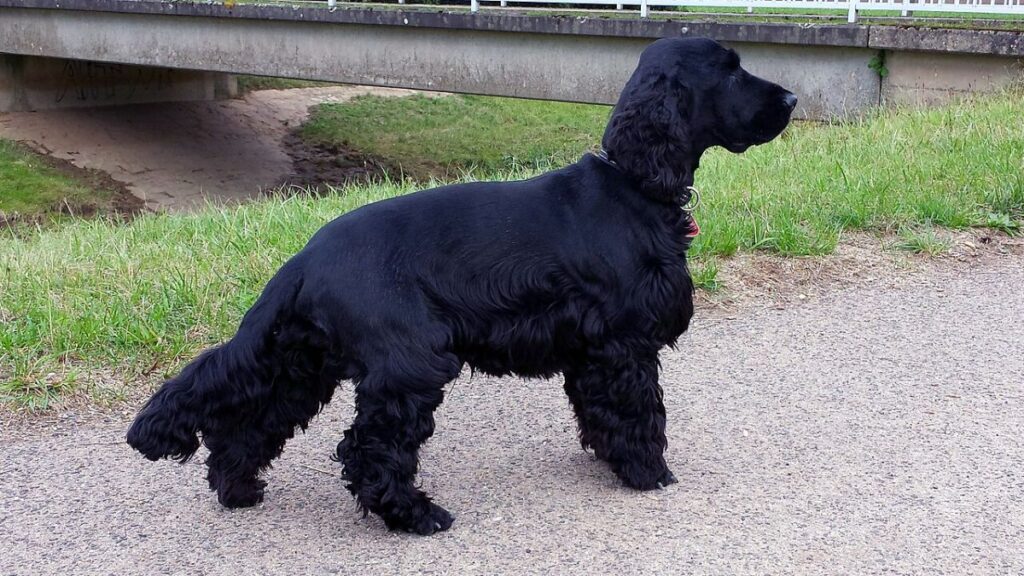
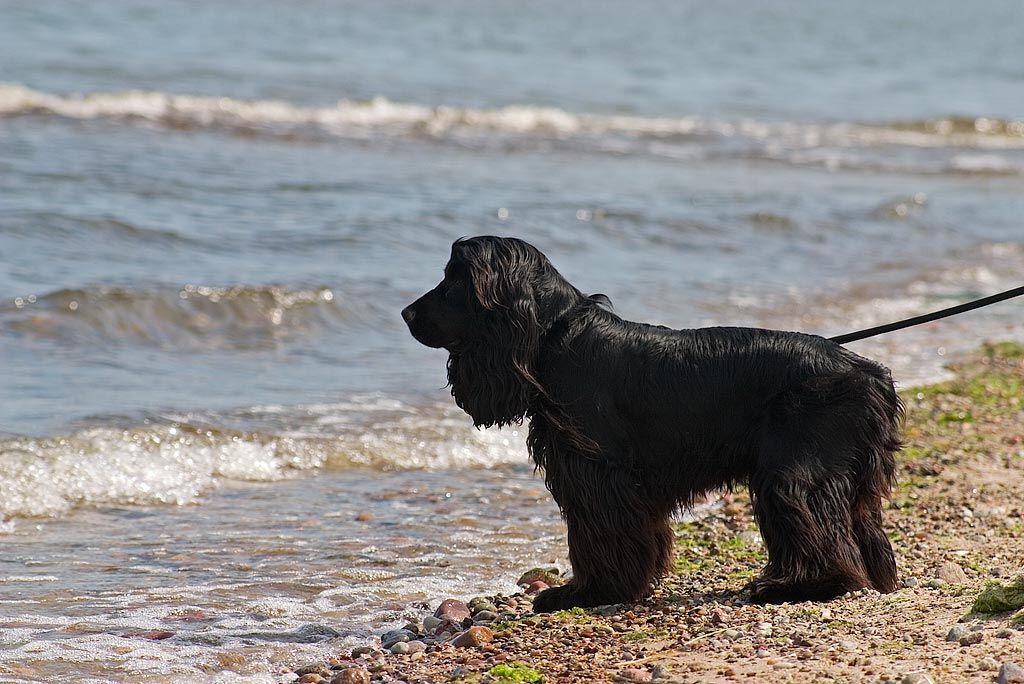
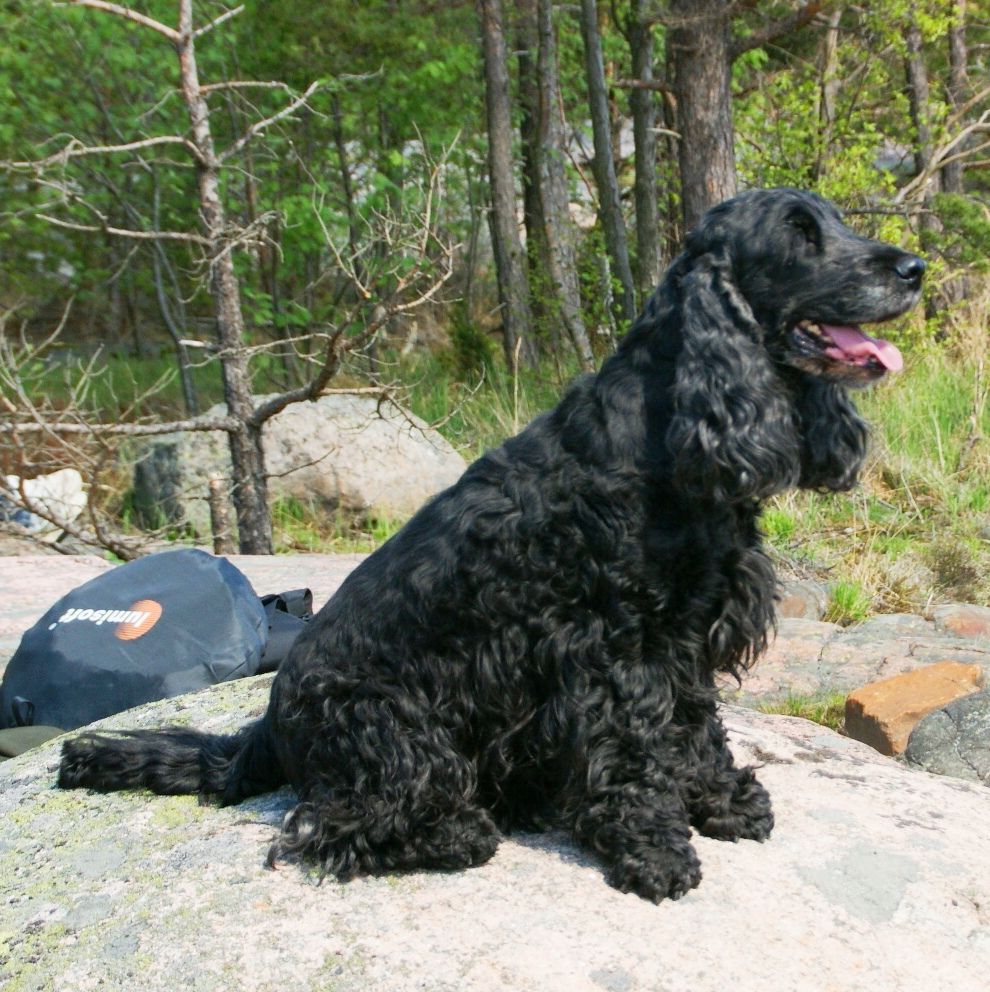
    A black cocker spaniel standing
    A black cocker spaniel standing. Our pick: Dremel PawControl nail grinder on Amazon.ca. Photo: BentaxGermany, via Wikimedia Commons, CC0

    Quick picks

    These are our picks from Amazon.ca, chosen on design, materials, suitability for a medium-sized spaniel, and the volume and consistency of buyer reviews. We have not lab-tested them ourselves.

    The best nail grinders and clippers for cocker spaniels

    1. Dremel PawControl Dog Nail Grinder: best grinder

    Dremel is the name most groomers know, and the PawControl is designed specifically for pets. It has variable speeds, a guard that helps you position the nail, and a built-in light. It is powerful enough to deal with the thick nails of a working cocker without heating up quickly.

    • Good for: confident owners, thick or dark nails, multi-dog homes
    • Watch for: louder than some budget grinders; introduce it gradually

    Check the Dremel PawControl Dog Nail Grinder on Amazon.ca →

    2. IREDOON Dog Nail Grinder: best quiet grinder

    A rechargeable grinder with a quieter motor and a low-vibration design, which makes a real difference with noise-sensitive spaniels. It has several speed settings and multiple ports for different nail sizes.

    • Good for: nervous dogs, puppies, first-time owners
    • Watch for: gentler motors take longer on very thick nails

    Check the IREDOON Dog Nail Grinder on Amazon.ca →

    3. Candure Dog Nail Clippers: best clippers

    A sturdy pair of scissor-style clippers with a safety guard and comfortable handles. Some owners like to clip first to take off length, then finish with a grinder for smooth edges. Clippers are also quick for dewclaws.

    • Good for: quick trims, dewclaws, combined with a grinder
    • Watch for: keep the blades sharp; blunt clippers crush rather than cut

    Check the Candure Dog Nail Clippers on Amazon.ca →

    A black cocker spaniel
    A black cocker spaniel. Our pick: IREDOON nail grinder on Amazon.ca. Photo: Praseodymium-141, via Wikimedia Commons, CC BY-SA 4.0

    Comparison

    ToolTypeNoiseBest for
    Dremel PawControlGrinderModerateThick nails, regular use
    IREDOONGrinderQuietNervous dogs, puppies
    CandureClippersSilentQuick trims, dewclaws

    How to grind your cocker’s nails

    1. Get your dog used to the grinder first: show it, switch it on at a distance, and reward calm behaviour, over several short sessions.
    2. Hold the paw gently but firmly and part the hair around the nail. On a spaniel, the feathering between the toes can catch in a grinder, so push it back or trim it first.
    3. Touch the grinder to the tip of the nail for a second or two at a time, then move to the next nail. Never hold it in one place long enough to get warm.
    4. Work around the nail to round off the tip. On light nails you will see a pink quick; on dark nails, stop when you see a dark dot in the centre of the cut surface.
    5. Do not forget the dewclaws on the inside of the front legs.
    6. Reward generously throughout. A lick mat spread with something tasty is a great distraction.

    How short should a cocker’s nails be?

    When your dog stands on a hard floor, the nails should not touch the ground or click as it walks. If you can hear your cocker coming across the kitchen, the nails are too long. The quick, which contains the blood vessel, grows longer as the nail grows, so regular, small trims gradually let the quick recede and make it easier to keep nails short.

    Trimming the feet

    English Cockers grow a lot of hair between the pads and around the toes. Left long, it collects mud, ice balls and grass seeds and makes the feet look like slippers. Trim the hair level with the pads using a pair of curved or straight scissors, then neaten around the edge of the foot. Our guide to grooming scissors covers the technique, and our grooming guide explains the full routine.

    If you cut the quick

    It happens to everyone eventually. Stay calm, apply styptic powder or a little cornflour to the end of the nail and hold gentle pressure for a minute or two. The bleeding usually stops quickly. Finish the session on something easy and pleasant so your dog does not learn to fear nail trims. If bleeding does not stop after several minutes, contact your vet.

    Frequently asked questions

    Is a nail grinder better than clippers?

    Grinders are less likely to cut the quick and leave smoother edges, but they are slower and noisier. Many owners use both.

    How often should I trim my cocker spaniel’s nails?

    Every three to four weeks for most pet dogs, more often if they walk mainly on soft ground.

    Do I need to trim dewclaws?

    Yes. Dewclaws do not wear down at all and can grow round into the leg if left.

    My dog hates having its nails done. What can I do?

    Go back to basics with short, positive sessions, one nail at a time, and lots of rewards. If your dog is very distressed, ask your groomer or vet for help.

    Featured photo: Canarian, via Wikimedia Commons, CC BY-SA 3.0

  • The Best Dog Drying Coat for Spaniels (2026)

    The Best Dog Drying Coat for Spaniels (2026)

    Updated November 2026. English Cocker Spaniel Guide is an independent site, not affiliated with any breed club or kennel club. Some links are affiliate links: as an Amazon Associate we earn from qualifying purchases.

    If you own an English Cocker Spaniel, you own a wet dog. Cockers seek out puddles, ponds, streams and long, dewy grass, and their dense, feathered coat holds a surprising amount of water. A soaking spaniel in the car or on the sofa is no fun, and a coat that stays damp for hours can lead to smells, matts in the feathering and, in the ears, a higher risk of infection.

    A drying coat or a highly absorbent towel solves most of this. A drying coat is a robe made from microfibre or towelling that wraps around your dog’s body and soaks up water while it settles down after a walk. Here are the two we would buy on Amazon.ca, plus a routine for drying a cocker properly.

    A black cocker spaniel on the beach
    A black cocker spaniel on the beach. Our pick: HhiMyOct drying coat on Amazon.ca. Photo: No machine-readable author provided. Akumiszcza assumed (based on copyright clai, via Wikimedia Commons, CC BY 3.0

    Quick picks

    These are our picks from Amazon.ca, chosen on design, materials, suitability for a medium-sized spaniel, and the volume and consistency of buyer reviews. We have not lab-tested them ourselves.

    The best drying coats and towels for spaniels

    1. HhiMyOct Dog Drying Coat: best drying coat

    A soft microfibre robe that covers the back, chest and belly and fastens with adjustable straps, so it stays in place while your dog moves around. It wicks water from the coat far faster than air drying, keeps the car seat cleaner on the way home and stops a wet dog getting chilled in winter. Hood-style designs also help dry the head and ears.

    • Good for: after walks, swimming dogs, car journeys
    • Watch for: check the size chart against your dog’s back length; feathering on the legs still needs a towel

    Check the HhiMyOct Dog Drying Coat on Amazon.ca →

    2. KinHwa Microfibre Dog Towel: best drying towel

    A thick, absorbent microfibre towel with hand pockets at each end, so you can rub your dog down quickly without the towel slipping. It holds much more water than a bath towel and dries quickly between uses. Keep one in the car and one by the back door.

    • Good for: legs, feet and ears, bath time, the car
    • Watch for: wash regularly to keep it absorbent; avoid fabric softener, which reduces absorbency

    Check the KinHwa Microfibre Dog Towel on Amazon.ca →

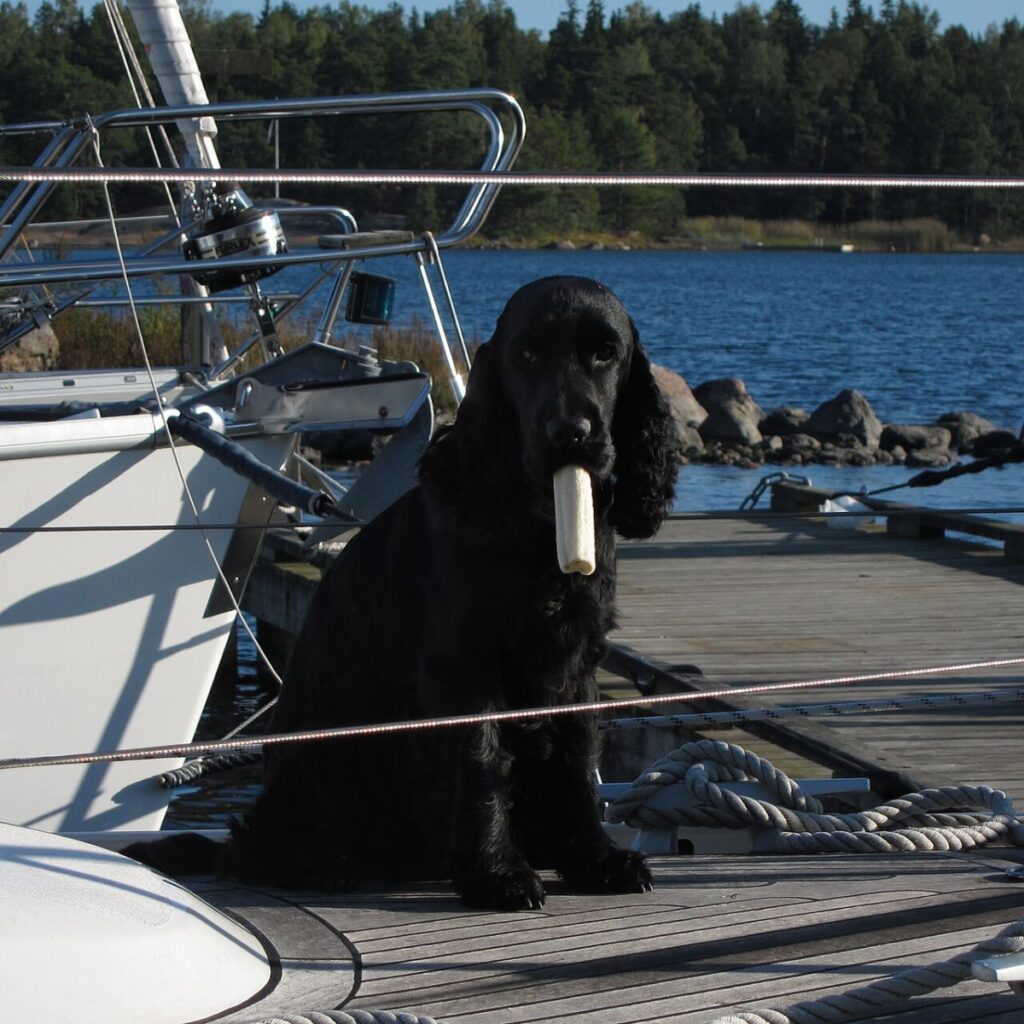
    A black cocker spaniel on a boat
    A black cocker spaniel on a boat. Our pick: KinHwa microfibre towel on Amazon.ca. Photo: Jukka from HELSINKI, Finland, via Wikimedia Commons, CC BY 2.0

    Comparison

    ProductTypeBest forHands-free?
    HhiMyOctDrying coatBody and back after walksYes
    KinHwaMicrofibre towelLegs, feet, ears and bathsNo

    How to dry an English Cocker after a wet walk

    1. Squeeze excess water out of the ears and leg feathering with your hands.
    2. Rub your dog down with a microfibre towel, paying attention to the feet, armpits and belly.
    3. Put on the drying coat for the journey home or while your dog rests.
    4. Once your dog is mostly dry, brush through the coat. A good slicker brush lifts dirt that has dried in the feathering.
    5. Check the ears. If they are still damp inside, follow the routine in our ear care guide.

    Drying after a bath

    After a bath, towel dry thoroughly, then finish with a dog dryer or a hairdryer on a cool or low setting held well away from the skin. Brush in the direction of hair growth as you dry to keep the coat flat and avoid it drying wavy. Never put a damp dog in a crate with a wet bed or leave it to air dry in a cold room. A drying coat can help in between, but a full blow dry gives a much better finish on a show coat. Our shampoo guide explains the full bathing routine.

    Why drying matters for spaniels

    • Ear health: Warm, damp ears under heavy leathers are a breeding ground for yeast and bacteria.
    • Coat condition: Wet feathering tangles and matts as it dries, especially behind the ears and in the armpits.
    • Smell: A coat that stays damp develops the classic wet-dog smell and can transfer it to bedding and furniture.
    • Warmth: Older dogs and puppies can get cold quickly when wet, particularly in winter.

    Choosing the right size drying coat

    Measure your dog’s back from the base of the neck to the base of the tail, and the widest part of the chest. Most English Cockers fall into a medium size, but working cockers are often a little smaller and may need a small or a small-medium. A coat that is too long will trip your dog and drag in the mud; one that is too short will not cover the belly, where a lot of water collects.

    Looking after drying coats and towels

    Shake off mud and hair after each use and hang the coat to dry. Wash microfibre regularly at a low temperature without fabric softener, which clogs the fibres and reduces absorbency. Having two of each means one can be in the wash while the other is in use, which is helpful in a wet spring or autumn when your cocker may be soaked every day.

    Frequently asked questions

    Do cocker spaniels need a drying coat?

    Not strictly, but a drying coat makes life much easier for owners of spaniels that swim or walk in wet countryside, and it helps keep ears and coats healthy.

    Can my dog wear a drying coat in the car?

    Yes, it is one of the best uses for it. It keeps the seat cleaner and helps your dog dry on the way home. Combine it with a car seat cover.

    How long should a dog wear a drying coat?

    Usually 20 to 40 minutes is enough. Take it off once your dog is mostly dry and brush through the coat.

    Is microfibre better than a cotton towel?

    Microfibre absorbs more water and dries faster, so it is better for dogs with thick coats like spaniels.

    Featured photo: judy dean from Cotswolds, United Kingdom, via Wikimedia Commons, CC BY-SA 2.0
  • Spaniel Bowls and Snoods: Keeping Cocker Ears Clean (2026)

    Spaniel Bowls and Snoods: Keeping Cocker Ears Clean (2026)

    Updated November 2026. English Cocker Spaniel Guide is an independent site, not affiliated with any breed club or kennel club. Some links are affiliate links: as an Amazon Associate we earn from qualifying purchases.

    Anyone who has lived with an English Cocker knows the sight: long, feathered ears trailing through the water bowl, dipped in wet food and then wiped across the kitchen floor. Soggy ears are not just messy. Food and moisture caught in the ear feathering lead to matts, smells and, if the inner flap stays damp, a higher risk of ear infections, which are already one of the most common problems in the breed.

    Spaniel bowls and snoods solve the problem in two different ways. A spaniel bowl is tall and narrow so the ears fall outside the rim. A snood is a soft tube of fabric that holds the ears back on the head while your dog eats. Here are the options we would choose from Amazon.ca, and how to get your cocker to accept them.

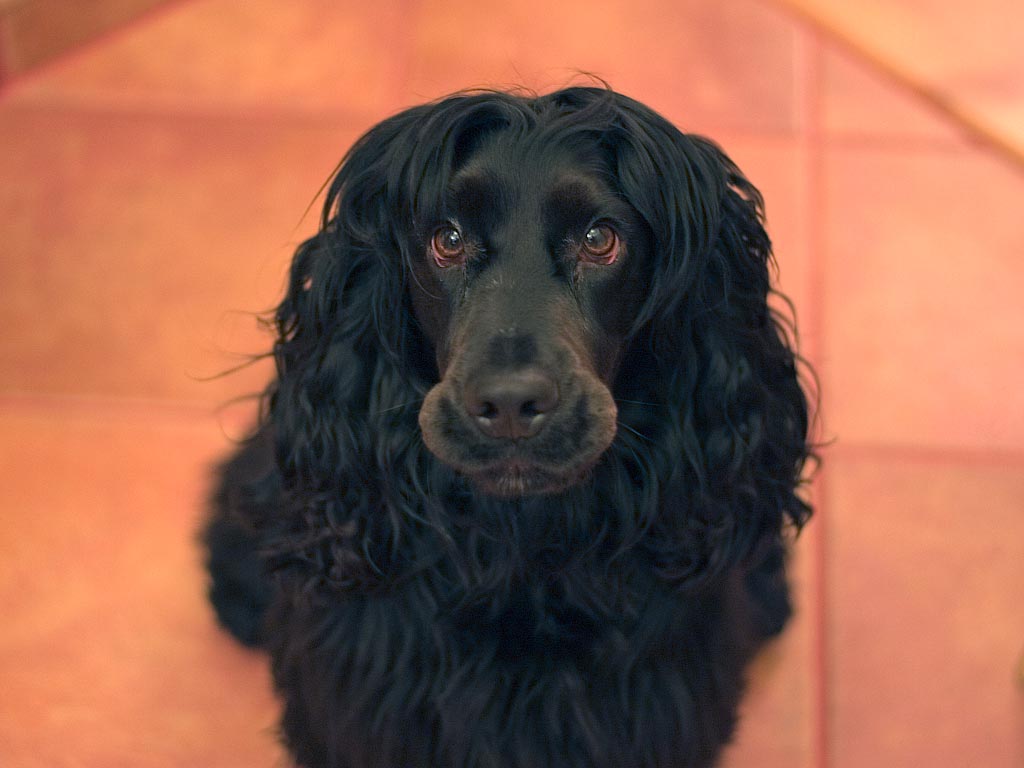
    A black cocker spaniel
    A black cocker spaniel. Our pick: Trixie Long-ear Bowl on Amazon.ca. Photo: Smib1975, via Wikimedia Commons, CC BY-SA 4.0

    Quick picks

    These are our picks from Amazon.ca, chosen on design, materials, suitability for a medium-sized spaniel, and the volume and consistency of buyer reviews. We have not lab-tested them ourselves.

    The best bowls and snoods for long-eared spaniels

    1. Trixie Long-ear Stainless Steel Bowl: best spaniel bowl

    The classic tapered spaniel bowl. The sides slope inward so the opening is narrower than the base, which lets a cocker’s muzzle in while the ears hang down outside the rim. Stainless steel is easy to sterilise, does not hold smells like plastic, and the weighted shape is hard to push around the floor.

    • Good for: water and dry food, dogs that splash
    • Watch for: very small puppies may need a smaller size until their muzzle reaches the bottom comfortably

    Check the Trixie Long-ear Stainless Steel Bowl on Amazon.ca →

    2. Flipo Ear Clear Bowl Set: best bowl set

    If you would like matching food and water bowls designed around long ears, the Ear Clear set gives you both. The raised, narrow design keeps the feathering out of the dish and the bowls clean up quickly in the dishwasher.

    • Good for: owners who want a matched pair, wet food feeders
    • Watch for: check the capacity against how much your dog drinks in a day

    Check the Flipo Ear Clear Bowl Set on Amazon.ca →

    3. Happy Hoodie: best snood

    The Happy Hoodie is a soft, stretchy band that slides over the head and holds the ears flat against the neck. It is widely used by groomers during drying because it muffles the noise of a dryer, and it doubles as an excellent snood at meal times. It works with any bowl you already own.

    • Good for: wet or raw food, drying after baths, noise-sensitive dogs
    • Watch for: introduce it slowly with treats; do not leave it on an unsupervised dog

    Check the Happy Hoodie on Amazon.ca →

    A cocker spaniel portrait
    A cocker spaniel portrait. Our pick: Happy Hoodie on Amazon.ca. Photo: Fabrizia Benedetto, via Wikimedia Commons, CC BY-SA 4.0

    Comparison

    ProductTypeMaterialWorks with
    Trixie Long-earSpaniel bowlStainless steelWater and dry food
    Flipo Ear ClearBowl setRaised narrow bowlsFood and water
    Happy HoodieSnoodSoft stretch fabricAny bowl

    Spaniel bowl or snood: which is better?

    For water, a spaniel bowl is the simplest answer because it works all day without you doing anything. Cockers drink often and drip a surprising amount, and a narrow bowl reduces the wet-ear problem to almost nothing. For meals, especially wet food, raw food or anything with gravy, a snood is more reliable. Even a well-shaped bowl will not stop ears swinging forward when a dog dives into its dinner.

    Many owners end up using both: a stainless spaniel bowl for water and a snood that goes on for each meal and comes off afterwards. That combination keeps the ear feathering clean between baths and cuts down on brushing time.

    How to get your cocker used to a snood

    1. Show your dog the snood and reward it for sniffing it.
    2. Slip it over the nose and straight off again, rewarding each time. Repeat until your dog pushes its head in.
    3. Slide it back over the ears for a second or two, then remove it and reward.
    4. Build up the time it stays on, then put it on just before you put the food bowl down so the snood predicts dinner.
    5. Take it off as soon as the meal is finished and check the ears are dry.

    Most cockers accept a snood within a few days if it always comes with something good. If your dog paws at it, go back a step and keep the sessions shorter.

    Keeping ears clean around meal times

    Even with the right bowl, check the ear tips once a day. Wipe away any food with a damp cloth and comb the feathering through so nothing dries into a knot. Some owners keep the ear feathering slightly shorter at the tips, which you can do yourself with a pair of thinning shears (see our grooming scissors guide). If you notice a sour smell, redness or head shaking, read our ear care guide and speak to your vet.

    Raised bowls and slow feeders

    Some English Cockers bolt their food. If your dog finishes its meal in seconds, a slow feeder bowl or a puzzle feeder slows things down, but most slow feeders are wide and shallow, so pair one with a snood. Raised feeders are a personal choice for a medium-sized dog; there is no strong evidence that a cocker needs one, and if your dog has any history of bloat or swallowing problems, ask your vet before changing how it eats.

    Cleaning and safety

    Wash food bowls after every meal and water bowls at least daily. Stainless steel and ceramic are easier to keep hygienic than plastic, which scratches and can harbour bacteria. Check any snood regularly for stretched elastic or holes, wash it with your dog’s bedding, and never leave a snood on a dog that is unsupervised or in a crate.

    Frequently asked questions

    Why are spaniel bowls shaped that way?

    The narrow top and wider base let a dog’s muzzle reach the water or food while the long ears hang outside the rim instead of dipping in.

    Can cocker spaniels wear a snood all day?

    No. A snood is for meals and drying. Take it off afterwards so the ears can breathe and so it cannot get caught on anything.

    Will a spaniel bowl stop my dog splashing?

    It reduces splashing a lot because the opening is smaller, but a keen drinker will still drip. A mat under the bowl helps.

    What size spaniel bowl does an English Cocker need?

    A medium bowl suits most adults. Puppies may need a smaller size so they can reach the bottom easily.

    Featured photo: Flickr user eschipul (Ed Schipul), via Wikimedia Commons, CC BY-SA 2.0
  • The Best Dog Shampoo for Cocker Spaniels (2026)

    The Best Dog Shampoo for Cocker Spaniels (2026)

    Updated November 2026. English Cocker Spaniel Guide is an independent site, not affiliated with any breed club or kennel club. Some links are affiliate links: as an Amazon Associate we earn from qualifying purchases.

    A cocker spaniel coat is a mix of silky body hair, longer feathering on the legs and chest, and heavy, hair-covered ears. That combination traps mud, burrs, pond water and the smells of whatever your dog has rolled in, so most English Cockers need a proper bath every four to six weeks, and more often in a wet season. The shampoo you choose matters more than people expect: a harsh, high-pH or heavily perfumed product strips natural oils, leaves the feathering dry and static, and can set off itching in dogs with sensitive skin.

    Below are three shampoos available on Amazon.ca that suit a spaniel coat, followed by a step-by-step bathing routine, advice on conditioner, and the mistakes that lead to matts and hot spots. If you are new to coat care, read our full grooming guide first.

    A cocker spaniel in a garden
    A cocker spaniel in a garden. Our pick: Wahl Oatmeal Shampoo on Amazon.ca. Photo: Jean-Pol GRANDMONT, via Wikimedia Commons, CC BY 4.0

    Quick picks

    These are our picks from Amazon.ca, chosen on design, materials, suitability for a medium-sized spaniel, and the volume and consistency of buyer reviews. We have not lab-tested them ourselves.

    The best shampoos for cocker spaniels

    1. Wahl Oatmeal Formula Shampoo: best for sensitive skin

    Colloidal oatmeal is one of the most useful ingredients for spaniels that scratch after a bath. Wahl’s oatmeal formula is concentrated, so a small amount diluted in a cup of warm water goes a long way through a thick coat, and it rinses out cleanly from the feathering. It has a light scent rather than a heavy perfume.

    • Good for: dogs with dry or itchy skin, frequent bathers
    • Watch for: it is a concentrate, so dilute it or you will use far more than you need

    Check the Wahl Oatmeal Formula Shampoo on Amazon.ca →

    2. Earth Rated Dog Shampoo: best everyday shampoo

    Earth Rated is a gentle, plant-based shampoo with a mild fragrance that suits regular bathing between grooms. It lathers well on a damp coat, does not leave the ears feeling greasy, and works for puppies who are just getting used to the bath.

    • Good for: routine baths, puppies, owners who dislike strong scents
    • Watch for: not a medicated product, so it will not treat a skin infection

    Check the Earth Rated Dog Shampoo on Amazon.ca →

    3. Veterinary Formula Clinical Care: best value

    For a dog that comes home muddy every weekend, a larger bottle at a lower price per bath makes sense. Veterinary Formula’s Clinical Care line is widely used by groomers and owners, and is easy to rinse from long ear and leg feathering.

    • Good for: working and field cockers, multi-dog homes
    • Watch for: check the specific variety before you buy, as the line includes medicated formulas that are meant for vet-advised use

    Check the Veterinary Formula Clinical Care on Amazon.ca →

    A red cocker spaniel close-up
    A red cocker spaniel close-up. Our pick: Earth Rated Dog Shampoo on Amazon.ca. Photo: localpups, via Wikimedia Commons, CC BY 2.0

    Comparison

    ShampooBest forScentConcentrate?
    Wahl OatmealItchy, dry skinLightYes
    Earth RatedEveryday baths, puppiesMildNo
    Veterinary FormulaFrequent muddy bathsVaries by formulaNo

    What to look for in a spaniel shampoo

    • Made for dogs. Human shampoo is formulated for a more acidic skin and can leave a dog’s skin dry and flaky.
    • Gentle cleansers. Oatmeal, aloe and coconut-derived cleansers are kind to skin that is bathed every few weeks.
    • Light fragrance. A heavy perfume can irritate sensitive dogs and does not stop the coat smelling once it gets wet again.
    • Easy rinsing. Residue left in the dense hair behind the ears and in the armpits is a common cause of itching.

    How to bath an English Cocker Spaniel

    1. Brush the whole coat first and remove any tangles. Water tightens a knot into a felted matt that is much harder to remove.
    2. Put a cotton ball loosely in each ear opening to keep water out of the canal, and remove it afterwards.
    3. Wet the coat right through to the skin with lukewarm water. The undercoat on a cocker sheds water well, so this takes longer than you think.
    4. Apply diluted shampoo and work it in with your fingers in the direction of hair growth, paying attention to the chest, feet, under the ears and the back end.
    5. Rinse until the water runs clear, then rinse again. Most post-bath itching comes from shampoo left in the coat.
    6. Apply a dog conditioner to the ears and leg feathering if your dog’s coat tangles easily, then rinse.
    7. Squeeze out excess water, towel dry and finish with a dryer on a cool setting, brushing as you go. See our guide to drying coats and towels.

    How often should you wash a cocker?

    Every four to six weeks suits most pet English Cockers. Show dogs may be bathed before every event, and working dogs that swim in ponds or roll in fox mess may need a quick wash far more often. If you need to bath frequently, choose the gentlest product you can and use conditioner on the feathering. In between, a damp towel and a good brush deal with most dirt, and a rinse with plain water after a swim stops pond smells setting in.

    Shampoo mistakes to avoid

    Bathing a matted dog is the most common mistake, followed closely by not rinsing enough. Using a strong flea or medicated shampoo without a reason is another: medicated products are useful when your vet prescribes them for a skin condition, but they can dry out healthy skin with regular use. Finally, do not leave a cocker to air dry in a cold room with wet ears. Damp, warm ear canals are a recipe for infection, so follow each bath with the routine in our ear care guide.

    When to call your vet

    If your cocker is still scratching, licking its feet or developing red patches a day or two after a bath with a gentle shampoo, the problem is unlikely to be the product. Allergies, yeast and ear infections are all common in spaniels and need a proper diagnosis. Your vet may recommend a medicated shampoo for a set period, which you should use exactly as directed.

    Frequently asked questions

    Can I use baby shampoo on my cocker spaniel?

    In an emergency, a mild baby shampoo will not harm most dogs, but it is not designed for canine skin. A dedicated dog shampoo is a better choice for regular use.

    Do cocker spaniels need conditioner?

    Not always, but a light conditioner on the ears and leg feathering makes brushing easier and reduces tangles, especially in show-trimmed coats.

    What shampoo is best for a cocker puppy?

    A gentle, low-fragrance shampoo labelled as suitable for puppies. Keep the first baths short and calm so your puppy learns that bath time is no big deal.

    How do I stop my spaniel smelling after a bath?

    Rinse thoroughly, dry the coat completely including the ears and armpits, and wash bedding at the same time. A damp coat that never fully dries is the usual cause of a lingering smell.

    Featured photo: Vaneska88, via Wikimedia Commons, CC BY-SA 4.0

  • The Best Dog Grooming Scissors for English Cocker Spaniels (2026)

    The Best Dog Grooming Scissors for English Cocker Spaniels (2026)

    Updated November 2026. English Cocker Spaniel Guide is an independent site, not affiliated with any breed club or kennel club. Some links are affiliate links: as an Amazon Associate we earn from qualifying purchases.

    Scissors are the tool that turns a shaggy spaniel into a neat English Cocker. Straight shears shape the feet and outline, curved shears follow the round contours of paws and ears, and thinning or blending shears soften lines so the trim looks natural rather than chopped. If you groom your cocker at home, a good set of grooming scissors is one of the best investments you can make. This guide explains which scissors you need, our picks on Amazon.ca, and how to use them safely.

    These are our picks from Amazon.ca, chosen on design, materials, suitability for a medium-sized spaniel, and the volume and consistency of buyer reviews. We have not lab-tested them ourselves.

    Quick picks

    A cocker spaniel with feathered coat in the snow
    A cocker spaniel with feathered coat in the snow. Our pick: GLADOG grooming scissors kit on Amazon.ca. Photo: Jean-Pol GRANDMONT, via Wikimedia Commons, CC BY 4.0

    The best grooming scissors for cockers

    1. GLADOG Dog Grooming Scissors Kit: best kit

    GLADOG’s kit includes the main types of grooming shears in one case, so you can shape feet with straight shears, round off paws and ears with curved shears, and blend with thinners. It is one of the most-reviewed scissor kits on Amazon.ca and a practical starting point for home grooming.

    • Good for: complete home trims
    • Watch for: keep the safety caps on and store in the case

    Check the GLADOG Dog Grooming Scissors Kit on Amazon.ca →

    2. HASHIMOTO Blending Scissors: best blending shears

    Blending or thinning shears have one toothed blade, so they remove only some of the hair with each cut. That makes them perfect for softening the line where the ear trim meets the feathering, tidying the throat and blending the head into the neck. HASHIMOTO’s shears are well rated by home groomers.

    • Good for: natural-looking finishes on ears, head and neck
    • Watch for: do not use them to remove bulk too quickly; small snips work best

    Check the HASHIMOTO Blending Scissors on Amazon.ca →

    3. CIICII Dog Grooming Scissors Kit: best value kit

    CIICII’s kit is another highly rated set, with safety round tips that make trimming around the face and feet less nerve-wracking for beginners.

    • Good for: beginners, tidying faces and feet
    • Watch for: round tips are safer but less precise for detailed shaping

    Check the CIICII Dog Grooming Scissors Kit on Amazon.ca →

    A cocker spaniel playing in the snow
    A cocker spaniel playing in the snow. Our pick: HASHIMOTO blending scissors on Amazon.ca. Photo: Jean-Pol GRANDMONT, via Wikimedia Commons, CC BY 4.0

    Comparison

    ScissorsIncludesBest for
    GLADOG kitStraight, curved, thinning, chunkerFull home trims
    HASHIMOTOBlending shearsNatural finish
    CIICII kitStarter set with round tipsBeginners

    Which scissors do you need?

    TypeWhat it doesWhere to use it on a cocker
    Straight shearsClean, straight cutsShaping the outline of feathering, trimming hair under the feet
    Curved shearsFollow curvesRounding off paws, shaping ear edges and the back of the legs
    Thinning or blending shearsRemove some hair with each cut for a soft finishEars, head, throat and blending clipper lines
    ChunkersRemove more bulk than thinners while keeping a natural lookThick feathering, body
    Round-tip safety scissorsRounded points reduce the risk of pokingAround eyes, face, feet and sanitary areas

    How to trim a cocker’s feet

    1. Brush and comb the foot and leg feathering.
    2. With your dog standing, trim the hair underneath the foot level with the pads using a small trimmer or round-tip scissors.
    3. Hold the foot and comb the hair down, then trim around the edge of the foot with curved shears to create a neat, round “cat foot” shape.
    4. Tidy the hair on top of the foot with thinning shears so it looks natural.
    5. Comb the leg feathering down and trim the back of the leg to a tidy line if you like.

    Trimming the ears

    Many cocker owners thin the top third of the ear so it lies close to the head, then tidy the edges of the ear feathering. Use thinning shears on the top of the ear and blend into the longer feathering below. Be extremely careful near the ear edge: always feel where the ear leather ends before cutting, because it is easy to nick. For more detail, see our grooming guide.

    Safety tips

    • Always cut with the points facing away from the dog’s skin and eyes.
    • Use round-tip scissors around the face, eyes and genitals.
    • Place a comb between the skin and the scissors when trimming close.
    • Never cut into a mat blindly; skin can be pulled up into it.
    • Keep sessions short and stop if your dog wriggles; resume when it is calm.
    • Keep scissors sharp and clean; dull scissors pull hair.

    Caring for grooming scissors

    Wipe scissors clean after each use, remove hair from the pivot, oil the pivot occasionally, and store them in a case so the blades are protected. Never use your grooming scissors on paper or anything other than clean, dry dog hair. Good shears can be professionally sharpened.

    Frequently asked questions

    Can I use regular household scissors on my dog?

    It is better not to. Grooming shears are sharper, better balanced and designed for hair, and round-tip versions are safer near the face.

    What are thinning shears used for?

    They remove some hair with each cut, softening lines and blending different lengths for a natural finish.

    How often should I trim my cocker’s feet?

    Every four to six weeks, or whenever the hair starts to grow over the pads.

    Are chunkers the same as thinners?

    They are similar, but chunkers have wider teeth and remove more hair per cut, making them faster on thick coats.

    Featured photo: No machine-readable author provided. Akumiszcza assumed (based on copyright clai, via Wikimedia Commons, CC BY 3.0

  • The Best Dog Clippers for English Cocker Spaniels (2026)

    The Best Dog Clippers for English Cocker Spaniels (2026)

    Updated November 2026. English Cocker Spaniel Guide is an independent site, not affiliated with any breed club or kennel club. Some links are affiliate links: as an Amazon Associate we earn from qualifying purchases.

    With a professional trim costing a significant amount every six to eight weeks, many English Cocker owners learn to tidy their dogs at home. A good set of dog clippers makes it possible to trim the head, throat, feet and hygiene areas neatly and safely, and to keep a practical short coat if you prefer one. This guide covers clippers that suit a medium-sized spaniel, what to look for, and how to clip a cocker without damaging its coat.

    These are our picks from Amazon.ca, chosen on design, materials, suitability for a medium-sized spaniel, and the volume and consistency of buyer reviews. We have not lab-tested them ourselves.

    Quick picks

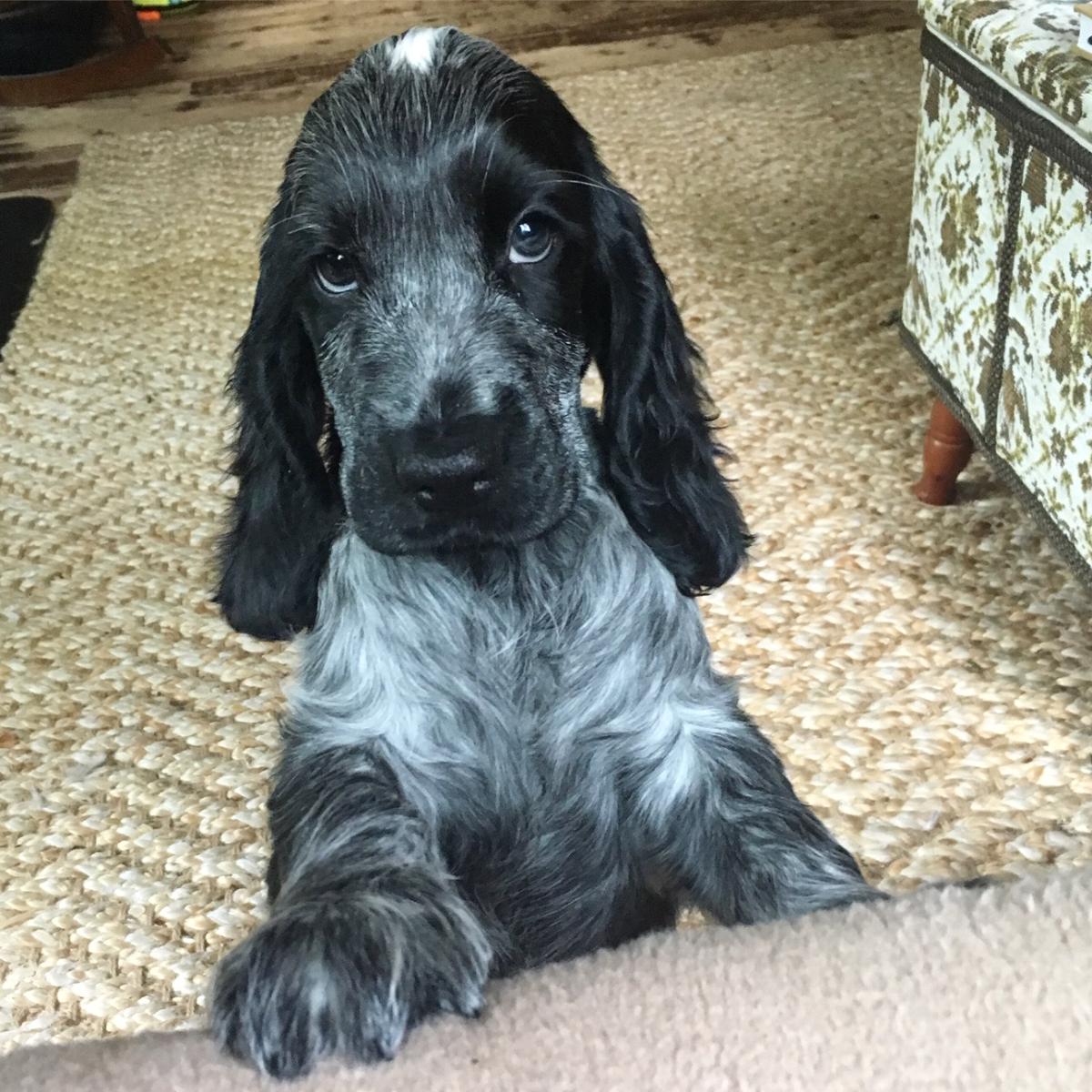
    A blue roan English Cocker Spaniel
    A blue roan English Cocker Spaniel. Our pick: oneisall Dog Clippers on Amazon.ca. Photo: Blairwigley, via Wikimedia Commons, CC BY-SA 4.0

    The best dog clippers for spaniels

    1. oneisall Dog Clippers for Grooming: best overall

    oneisall’s cordless clippers are designed to be quiet, which matters for sensitive or nervous dogs, and they come with guide combs for leaving the coat at different lengths. They are among the most-reviewed dog clippers on Amazon.ca and are a sensible first set for home grooming.

    • Good for: tidying the head, throat, belly and a short pet trim
    • Watch for: keep blades clean and oiled, and charge before long sessions

    Check the oneisall Dog Clippers for Grooming on Amazon.ca →

    2. oneisall Dog Clippers and Paw Trimmer: best with paw trimmer

    The cocker’s feet are one of the most important areas to keep trimmed, to prevent slipping, mud balls and ice balls. This set pairs the main clipper with a small trimmer that is easier to manoeuvre between pads and around the eyes and ears.

    • Good for: feet, pads, face and hygiene areas
    • Watch for: go slowly between the pads, where skin is thin

    Check the oneisall Dog Clippers and Paw Trimmer on Amazon.ca →

    3. oneisall 4-in-1 Dog Grooming Kit: best grooming kit

    If you want to do most of your cocker’s grooming at home, an all-in-one kit with clipper and extra tools keeps everything together. Check the listing for exactly what is included.

    • Good for: owners setting up home grooming
    • Watch for: check that included tools suit your dog’s coat

    Check the oneisall 4-in-1 Dog Grooming Kit on Amazon.ca →

    A dark roan cocker spaniel coat
    A dark roan cocker spaniel coat. Our pick: oneisall clippers and paw trimmer on Amazon.ca. Photo: Pleple2000, via Wikimedia Commons, CC BY-SA 3.0

    Comparison

    ClipperTypeBest for
    oneisall clippersCordless, low noiseAll-round home clipping
    oneisall + paw trimmerClipper and small trimmerFeet and face
    oneisall 4-in-1 kitGrooming kitComplete home grooming

    What to look for

    • Low noise and vibration: cockers are sensitive; quieter clippers keep them calmer.
    • Cordless or corded: cordless clippers are easier to manoeuvre; corded professional clippers have more power for thick coats.
    • Guide combs: attachment combs let you clip to an even length without taking the coat too short.
    • Blade quality: sharp, cool-running blades cut cleanly without pulling. Blades heat up with use, so check them regularly.
    • Small trimmer: invaluable for feet, pads, around the eyes and the sanitary area.

    Clipping and the cocker coat

    Show English Cockers are usually hand-stripped rather than clipped, which removes dead hair and keeps the coat’s natural texture and colour. Many pet owners clip because it is quicker and easier. Be aware that repeated clipping of the back and sides can change some cocker coats, making them softer, fluffier or more prone to tangling. If you want to keep the natural silky look, consider limiting the clippers to the head, throat, feet and hygiene areas, and use thinning scissors and a stripping technique on the body.

    How to clip an English Cocker at home

    1. Bath and dry your dog first; clippers glide through clean, dry, brushed coat and dull quickly on dirt.
    2. Brush and comb out every tangle with a slicker and comb.
    3. Work on a stable, non-slip surface; a grooming table makes it much easier.
    4. Start with a longer guide comb; you can always take more off.
    5. Clip in the direction the hair grows, using smooth, even strokes and keeping the blade flat against the skin.
    6. Tidy the top of the head, cheeks and throat, blending into the neck.
    7. Trim the hair under the feet and between the pads with a small trimmer, then shape around the foot with scissors.
    8. Check the blade temperature often by touching it to your wrist; swap blades or pause if it gets warm.
    9. Finish by blending lines with thinning scissors and give lots of treats.

    Safety tips

    • Take extra care around ears, armpits, the belly and any loose skin, where it is easy to nick.
    • Never clip over mats; the blade can catch skin trapped in the mat. Remove mats first or ask a groomer.
    • Keep sessions short at first and stop before your dog gets restless.
    • Introduce the sound and vibration of the clippers gradually, with treats, before trimming.
    • If your dog is very anxious or the coat is badly matted, see a professional groomer.

    Frequently asked questions

    Should I clip my English Cocker’s body?

    You can, for convenience, but repeated clipping can change the texture of some coats. Many owners clip only the head, throat, feet and hygiene areas and keep the body natural.

    What blade length is best for a cocker?

    It depends on the area and the look you want. Use shorter settings for the throat and under the feet, and longer guide combs on the body.

    Are cordless clippers powerful enough?

    For tidying and pet trims, good cordless clippers work well. For very thick or matted coats, corded professional clippers may be better.

    How do I keep my cocker calm during clipping?

    Start slowly, reward generously, keep sessions short and use a quiet clipper. A lick mat helps many dogs relax.

    Featured photo: Stirpicult, via Wikimedia Commons, CC BY-SA 4.0

  • The Best Brushes and Combs for English Cocker Spaniels (2026)

    The Best Brushes and Combs for English Cocker Spaniels (2026)

    Updated November 2026. English Cocker Spaniel Guide is an independent site, not affiliated with any breed club or kennel club. Some links are affiliate links: as an Amazon Associate we earn from qualifying purchases.

    The English Cocker Spaniel’s silky coat and long, feathered ears are beautiful, but they tangle easily. Mats form fast behind the ears, in the armpits and on the back of the legs, and once they tighten against the skin they are uncomfortable and hard to remove. The right brush and comb make regular grooming quicker, gentler and far more effective. This guide covers the tools that suit a cocker’s coat and how to use them properly.

    These are our picks from Amazon.ca, chosen on design, materials, suitability for a medium-sized spaniel, and the volume and consistency of buyer reviews. We have not lab-tested them ourselves.

    Quick picks

    A golden English Cocker Spaniel's coat
    A golden English Cocker Spaniel’s coat. Our pick: Wahl Canada Slicker Brush on Amazon.ca. Photo: Unknown, via Wikimedia Commons, Public domain

    The best brushes and combs for cockers

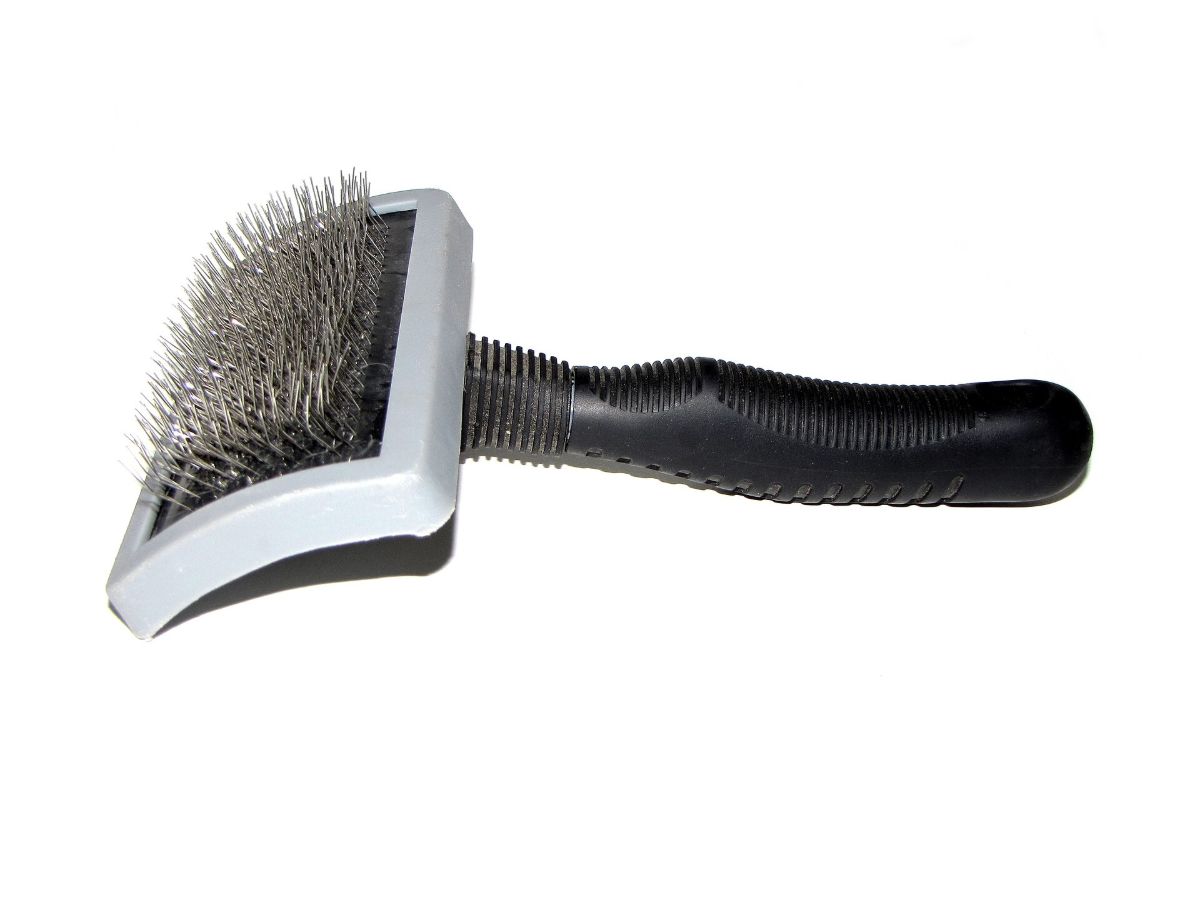
    1. Wahl Canada Large Slicker Brush: best slicker brush

    A slicker brush, with fine wire pins set in a cushioned pad, is the workhorse for a cocker’s feathering. It removes loose hair and works through small tangles before they become mats. Wahl’s large slicker covers the body and legs efficiently, and the brand is well known among Canadian groomers. Use light pressure and let the pins do the work.

    • Good for: regular brushing of ears, legs, chest and belly
    • Watch for: slicker pins can scratch skin if you press too hard; practise on your forearm

    Check the Wahl Canada Large Slicker Brush on Amazon.ca →

    2. The Doodle Brush Slicker Brush: best for feathering

    Designed for curly, thick coats, this slicker has longer pins that reach down through dense feathering to the skin, which is where cocker mats start. It suits show-bred cockers with fuller coats and the profuse ear feathering many pet cockers grow.

    • Good for: dense feathering and full coats
    • Watch for: long pins need a gentle hand on thin-coated areas

    Check the The Doodle Brush Slicker Brush on Amazon.ca →

    3. PIEPEA Stainless Steel Pet Comb: best comb

    A metal comb is the secret weapon of every good groomer. After brushing, run the comb through the coat from the skin outward; if it catches, there is a tangle the brush missed. This comb has both wide and narrow teeth and has an excellent rating from thousands of buyers.

    • Good for: finishing, checking for tangles, ears and face
    • Watch for: do not drag through mats; tease them apart first

    Check the PIEPEA Stainless Steel Pet Comb on Amazon.ca →

    A golden English Cocker Spaniel
    A golden English Cocker Spaniel. Our pick: PIEPEA metal comb on Amazon.ca. Photo: Pleple2000, corected by Robek, via Wikimedia Commons, CC BY-SA 3.0

    Comparison

    ToolTypeBest for
    Wahl slickerSlicker brushEveryday brushing
    Doodle BrushLong-pin slickerThick feathering
    PIEPEA combMetal combFinishing and tangle checks

    What to look for in a brush for an English Cocker

    • Slicker brush: essential. Choose a size that fits comfortably in your hand; a medium or large slicker covers the body, while a small one is handy for the face and feet.
    • Pin length: longer pins reach through thick feathering; shorter pins suit short or clipped coats.
    • Flexible pad: a cushioned or flexible head is gentler on the skin.
    • Metal comb: a comb with wide and fine teeth finds tangles and finishes the coat.
    • Avoid harsh deshedding blades on the silky feathering; they can cut and damage the coat. Use them only as your groomer advises.
    • Comfortable handle: you will be brushing often, so grip matters.

    How to brush an English Cocker properly

    1. Start with a calm, tired dog on a non-slip surface or grooming table.
    2. Mist the coat lightly with water or a grooming spray; brushing a dry coat can cause breakage and static.
    3. Line brush: part the coat with one hand and brush in small sections from the skin outward, working up the leg or ear.
    4. Pay extra attention to behind the ears, the ear flaps, armpits, chest, belly, back of the legs and around the tail.
    5. Follow with the comb. If it snags, go back with the slicker or tease the tangle apart with your fingers.
    6. Finish by checking the feet and the hair between the pads, and give a treat.

    Brush two to four times a week, and daily for a full coat or after muddy walks. For the full routine, see our grooming guide.

    Dealing with mats

    Small tangles can be teased apart with your fingers and a little detangling spray, then worked out gently with the slicker and comb, holding the hair near the skin so you do not pull. Large or tight mats are painful to brush out; cut them out carefully with blunt-ended scissors, cutting away from the skin, or ask a groomer to clip them. Never bath a matted dog, as water tightens mats.

    Making brushing a happy habit

    Start brushing your puppy gently from the first week, a few strokes at a time, with treats. Keep early sessions short and finish before your dog gets bored. A LickiMat with a smear of dog-safe paste keeps many dogs happily occupied while you work.

    Caring for your brushes

    Remove hair from the slicker after every session, and wash brushes and combs occasionally in warm soapy water, drying them thoroughly so the pins do not rust. Replace a slicker when the pins become bent or the pad splits, since damaged pins scratch the skin. Keeping a separate small slicker in the car or by the back door makes it easy to brush out burrs and seeds straight after walks, before they work their way into mats.

    Frequently asked questions

    How often should I brush my English Cocker?

    Two to four times a week for most coats, and daily for long show coats or after muddy, wet walks.

    What is the best brush for a cocker spaniel?

    A good slicker brush plus a metal comb covers nearly everything. Add a small slicker for faces and feet if you like.

    Can I use a deshedding tool on my cocker?

    Use deshedding blades cautiously, if at all, on the silky feathering, as they can cut the coat. Ask your groomer.

    Why does my cocker hate being brushed?

    It may have been hurt by tangles in the past. Detangle gently, use a light hand, keep sessions short and reward generously.

    Featured photo: ZooFari, via Wikimedia Commons, CC BY-SA 3.0

  • Cocker Spaniel Ear Care: Cleaning, Drying and Preventing Infections

    Cocker Spaniel Ear Care: Cleaning, Drying and Preventing Infections

    Updated November 2026. English Cocker Spaniel Guide is an independent site, not affiliated with any breed club or kennel club. Some links are affiliate links: as an Amazon Associate we earn from qualifying purchases.

    Those long, silky ears are one of the English Cocker Spaniel’s most endearing features, and one of its biggest maintenance jobs. Heavy, hairy ear flaps cover the ear canal, trapping warmth and moisture and creating perfect conditions for yeast and bacteria. Ear infections are among the most common reasons cockers visit the vet. The good news is that a simple weekly routine prevents many problems and helps you catch the rest early. This guide is general information; always follow your veterinarian’s advice for your own dog.

    What healthy ears look like

    • Pale pink skin inside the ear flap and at the canal opening
    • Little or no wax, and only a mild, neutral smell
    • No redness, swelling, scabs or discharge
    • A dog that is comfortable having its ears handled

    Get to know what your dog’s ears normally look and smell like, so you notice changes quickly.

    Signs of an ear problem

    • Shaking the head or tilting it to one side
    • Scratching or rubbing the ears on furniture or the floor
    • Redness, swelling or heat
    • Dark brown, yellow or bloody discharge
    • A strong, yeasty or unpleasant smell
    • Pain or reluctance to have the ears touched
    • A swollen, puffy ear flap, which can be an aural haematoma caused by head shaking
    • Loss of balance or a head tilt, which needs urgent veterinary attention

    If you see any of these signs, see your vet before cleaning. Your vet can look inside the canal, check that the eardrum is intact, and take a sample to identify the cause, which determines the right treatment.

    A golden English Cocker Spaniel portrait
    A golden English Cocker Spaniel portrait. Our pick: Virbac Epi-Otic ear cleaner on Amazon.ca. Photo: Jean-Pol GRANDMONT, via Wikimedia Commons, CC BY 4.0

    Weekly ear check routine

    1. Lift each ear flap and look inside in good light.
    2. Sniff gently; a strong smell is an early warning sign.
    3. Feel for heat, swelling or tangles in the hair near the canal.
    4. Check the underside of the ear flap and the feathering for grass seeds, burrs and mats, especially after walks in long grass.
    5. Reward your dog with a treat so ear checks stay pleasant.

    How to clean your cocker’s ears

    Healthy ears do not always need routine cleaning, but many cockers benefit from regular cleaning, especially after swimming or if they produce a lot of wax. Use a vet-approved ear cleaner, never alcohol, hydrogen peroxide or homemade mixtures unless your vet recommends them.

    1. Gently hold the ear flap up and fill the ear canal with cleaner, following the product label.
    2. Massage the base of the ear for about 20 to 30 seconds; you should hear a squishing sound as the cleaner loosens debris.
    3. Let your dog shake its head (stand back!).
    4. Wipe away loosened wax and cleaner from the ear flap and the opening of the canal with cotton wool or gauze. Do not push cotton buds into the canal.
    5. Give a treat and praise, then repeat on the other ear.

    Stop and see your vet if the ear seems painful, bleeds, or if your dog has a known or suspected perforated eardrum.

    Keeping ears dry

    Moisture is a major cause of ear trouble in spaniels, and most cockers love water. After swimming or bathing, dry the ears thoroughly with a towel, and use an ear cleaner with a drying agent if your vet recommends one. Some owners use a snood or a stretchy band such as the Happy Hoodie to hold the ears back while drying with a blow dryer on a low setting.

    Trimming ear hair

    Trimming the hair on the underside of the ear flap and around the canal opening improves airflow and reduces wax build-up. Use rounded-tip scissors or clippers and work carefully. Plucking hair from inside the canal is controversial; some vets recommend it for certain dogs and others advise against it because it can irritate the canal. Ask your vet what is best for your cocker.

    An orange and white English Cocker Spaniel
    An orange and white English Cocker Spaniel. Our pick: Trixie long-ear bowl on Amazon.ca. Photo: BusyBee-cr from Northwest, UK, via Wikimedia Commons, CC BY 2.0

    Mealtimes and long ears

    Long ears dangle into food and water bowls, getting sticky and wet, which can contribute to ear problems and matted feathering. Narrow, tall spaniel bowls keep the ears outside the bowl, and a snood can keep them clean while eating.

    Grass seeds

    In summer, sharp grass seeds can work their way into the ear canal and cause sudden, severe head shaking and pain. They can be hard to see and may need to be removed by a vet. Check ears after every walk through long grass, and keep the feathering trimmed during grass-seed season.

    Recurring infections

    If your cocker keeps getting ear infections, there is often an underlying cause, such as allergies to food or the environment, hormonal problems, excess hair or narrow canals. Repeated infections can thicken the canal over time and become harder to treat, so work with your vet to find and manage the cause rather than relying on repeated short courses of treatment.

    Teaching your cocker to enjoy ear care

    Ear care is much easier with a dog that is relaxed about having its ears handled. Start with puppies, or go slowly with adult dogs: touch the ear for a second, give a treat, and stop. Gradually build up to lifting the ear flap, looking inside, wiping the outer ear and finally using the cleaner. Keep sessions short and positive, and use a lick mat spread with a little dog-safe paste to keep your dog busy. If your dog is already sore or anxious, ask your vet for help rather than forcing the issue, because a painful experience can make future care much harder.

    Frequently asked questions

    How often should I clean my cocker’s ears?

    Check weekly. Clean when you see wax or debris and after swimming. Your vet can recommend a frequency for your dog.

    Can I use olive oil or vinegar to clean ears?

    Use only products your vet recommends. Homemade remedies can irritate the ear or make infections worse.

    Why do my cocker’s ears smell?

    A strong or yeasty smell often signals an infection. See your vet for a diagnosis before treating.

    Should I pluck my cocker’s ear hair?

    Opinions differ. Trim the hair around the opening and ask your vet whether plucking is appropriate for your dog.

    Featured photo: Jean-Pol GRANDMONT, via Wikimedia Commons, CC BY 4.0