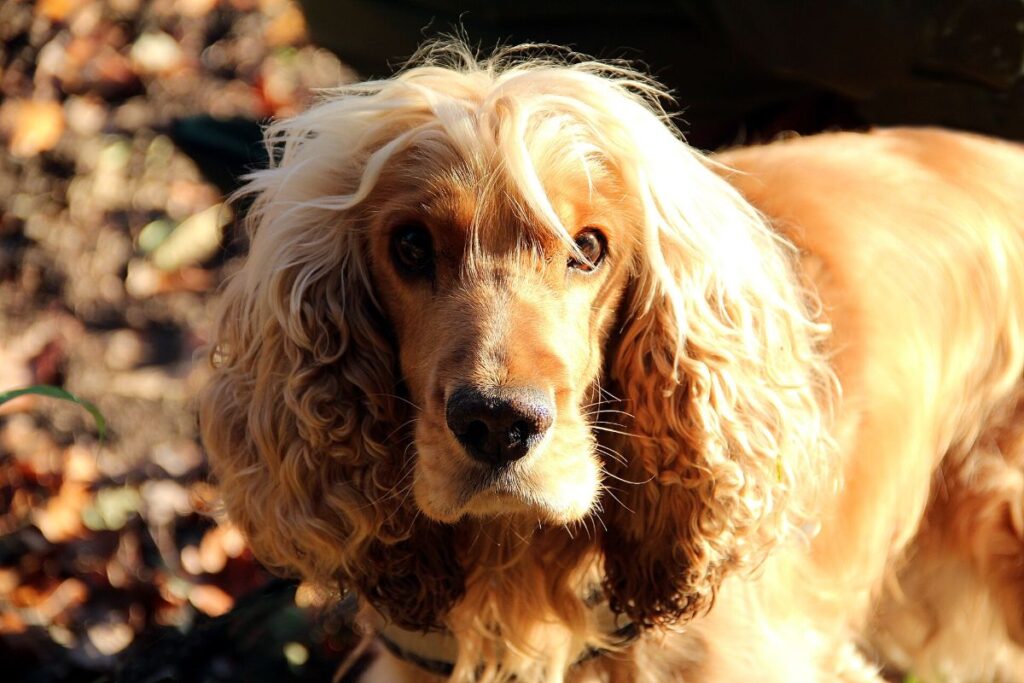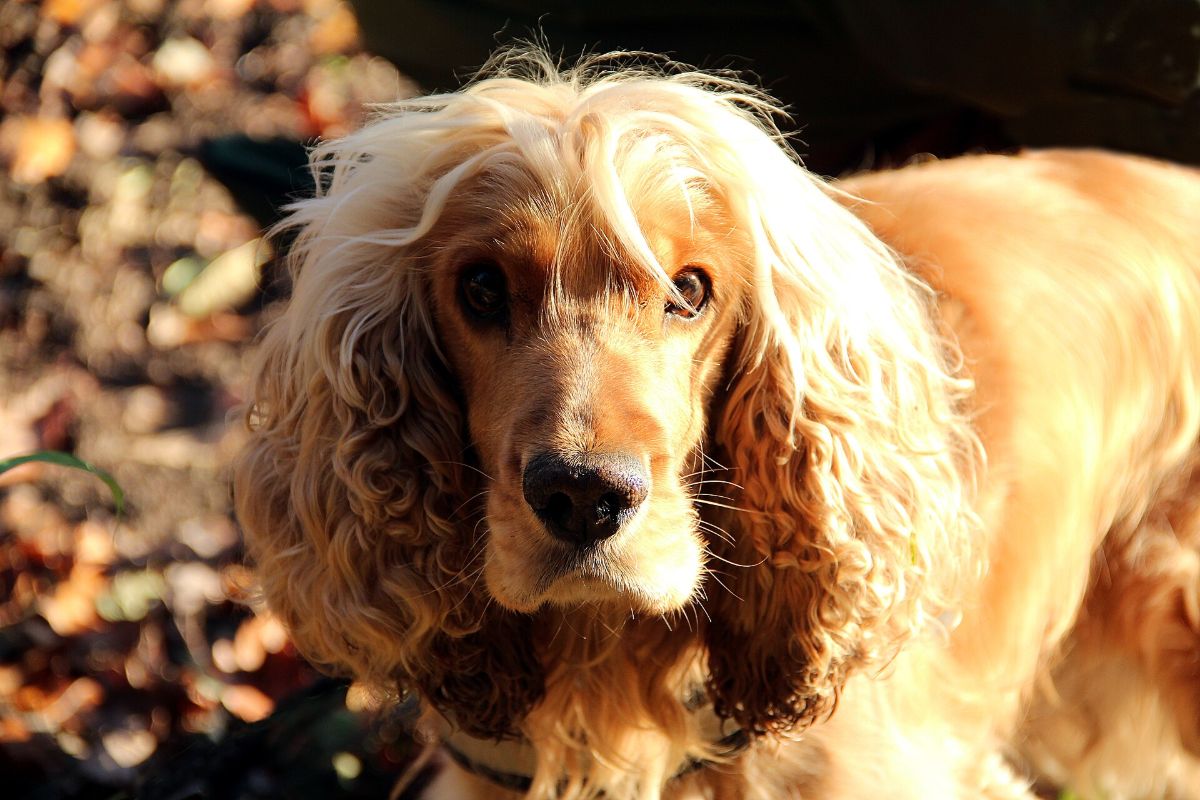
Category: Health

English Cocker Spaniel health guides: common inherited conditions, health tests, ear and dental care, and caring for your cocker as it gets older.

  • The Best Dog Toothbrush and Toothpaste for Spaniels (2026)

    The Best Dog Toothbrush and Toothpaste for Spaniels (2026)

    Updated November 2026. English Cocker Spaniel Guide is an independent site, not affiliated with any breed club or kennel club. Some links are affiliate links: as an Amazon Associate we earn from qualifying purchases.

    Dental disease is one of the most common health problems vets see in dogs, and most dogs show some signs of it by middle age. Plaque hardens into tartar, gums become inflamed and, left untreated, the result can be painful infections, tooth loss and the need for dental work under anaesthetic. The good news is that daily brushing is the single most effective thing you can do at home to prevent it, and English Cockers, with their food motivation, are usually easy to win over.

    Below are the toothbrushes and toothpaste we would choose from Amazon.ca, followed by a step-by-step plan for getting your cocker used to brushing.
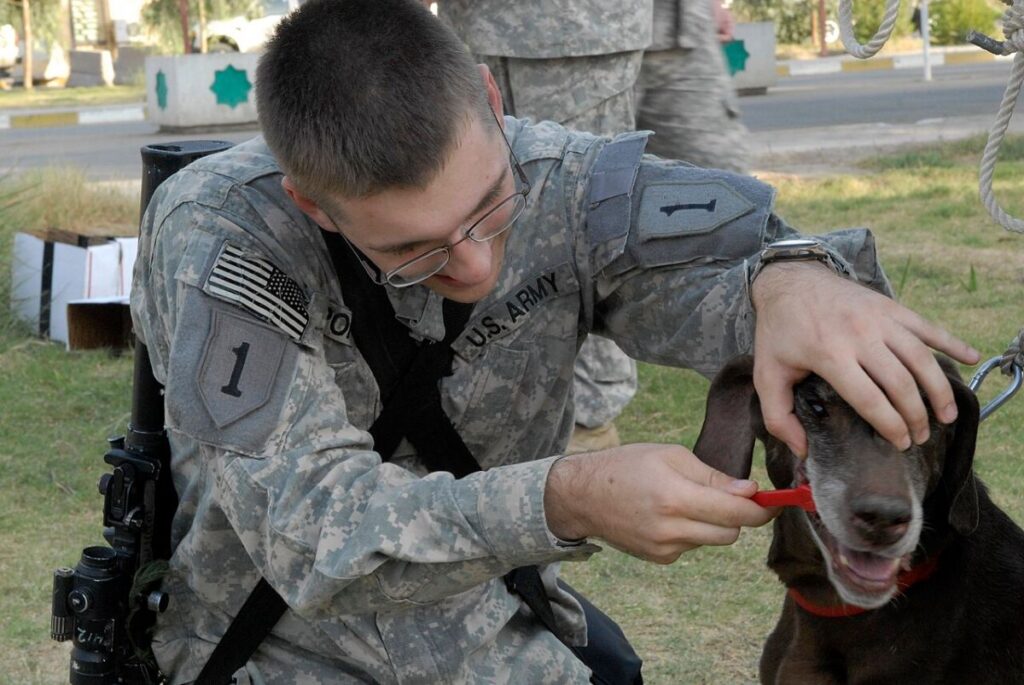
    Checking a dog's teeth
    Checking a dog’s teeth. Our pick: Arm and Hammer dental kit on Amazon.ca. Photo: The U.S. Army

    Sgt. Daniel Stoutamire/2/1 AAB PAO, via Wikimedia Commons, Public domain

    Quick picks

    These are our picks from Amazon.ca, chosen on design, materials, suitability for a medium-sized spaniel, and the volume and consistency of buyer reviews. We have not lab-tested them ourselves.

    The best dog toothbrushes and toothpastes

    1. Arm & Hammer Dog Dental Kit: best starter kit

    A simple kit with a dual-ended brush, a finger brush and an enzymatic dog toothpaste. It gives you everything you need to start, and the finger brush is helpful during the first few weeks while your dog gets used to having its mouth handled.

    • Good for: beginners, puppies, first kit
    • Watch for: toothpaste flavours vary; try another if your dog is not keen

    Check the Arm & Hammer Dog Dental Kit on Amazon.ca →

    2. Bluestem Dog Toothbrush and Toothpaste: best toothbrush set

    A brush and paste set with a soft-bristled, angled brush that reaches the back teeth, where tartar builds up fastest. Bluestem toothpaste is designed for dogs and can be swallowed safely.

    • Good for: daily brushing, reaching the back teeth
    • Watch for: replace the brush when bristles splay

    Check the Bluestem Dog Toothbrush and Toothpaste on Amazon.ca →

    3. Arm & Hammer Complete Care Dog Toothpaste: best toothpaste

    A dog-safe toothpaste that is easy to find and economical for daily brushing. Use a pea-sized amount on the brush. Never use human toothpaste: many contain fluoride levels and sweeteners, including xylitol, that are not safe for dogs.

    • Good for: topping up your kit, daily use
    • Watch for: always use a product made for dogs

    Check the Arm & Hammer Complete Care Dog Toothpaste on Amazon.ca →
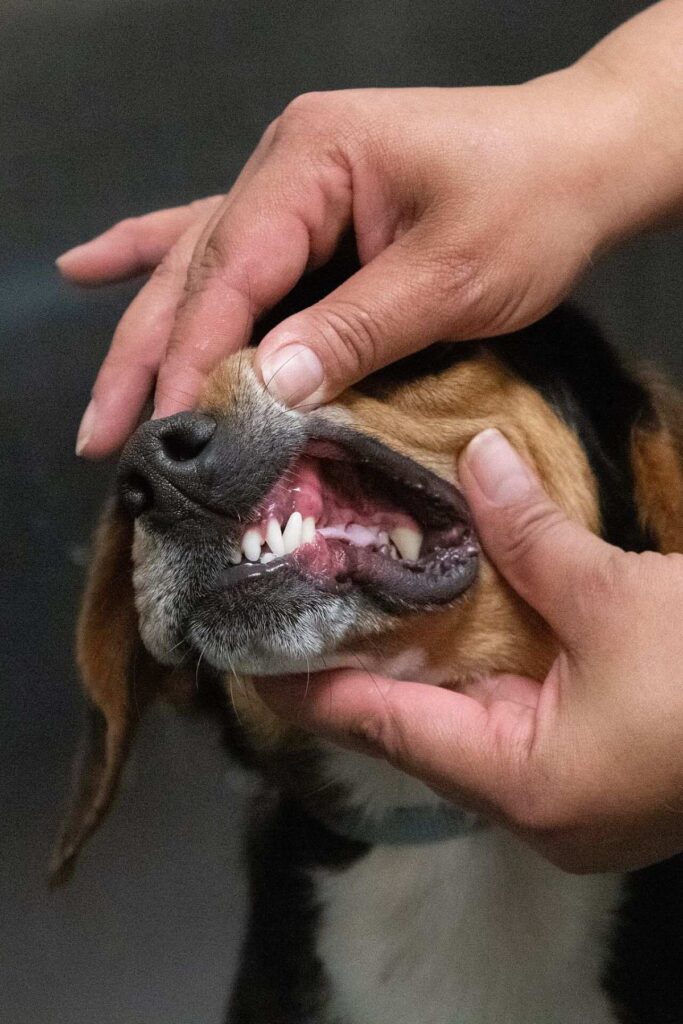
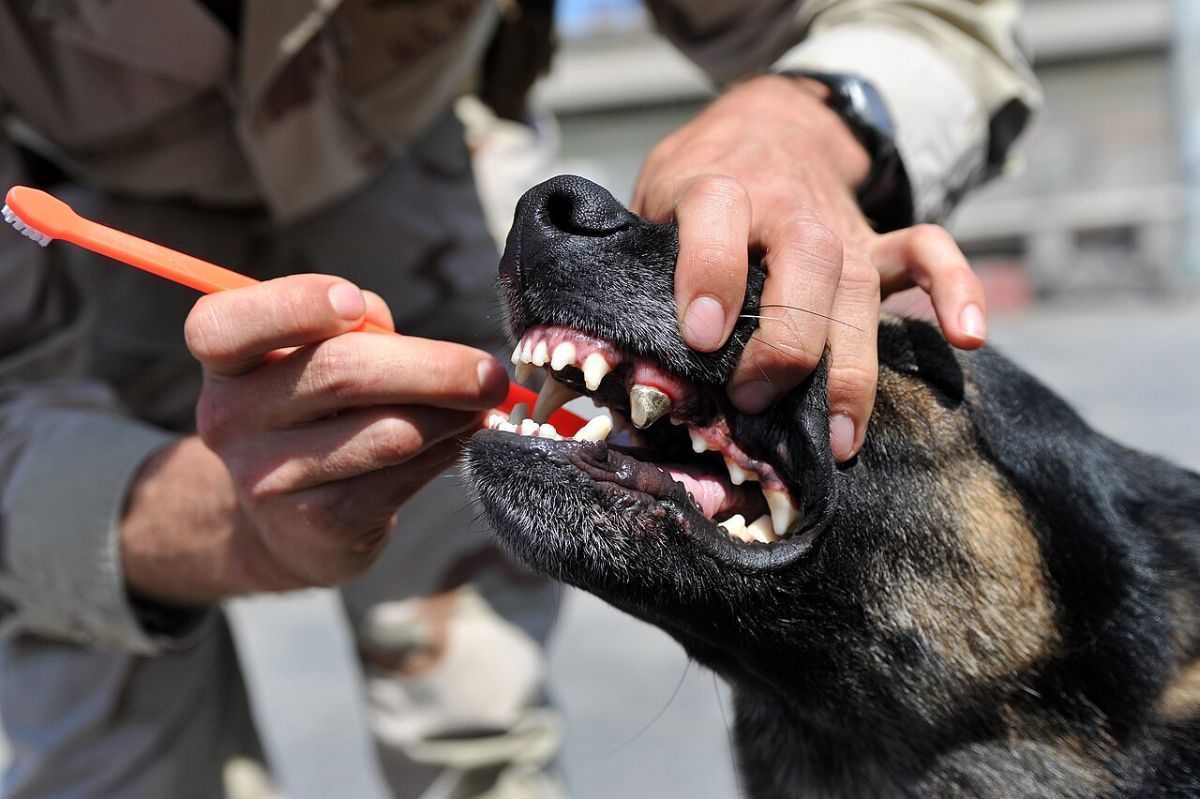
    A dog's teeth
    A dog’s teeth. Our pick: Bluestem toothbrush on Amazon.ca. Photo: USDAgov, via Wikimedia Commons, Public domain

    Comparison

    ProductIncludesBest for
    Arm & Hammer kitBrush, finger brush, pasteStarting out
    Bluestem setAngled brush and pasteDaily brushing
    Arm & Hammer Complete CareToothpasteRefills

    How to brush your cocker’s teeth

    1. Start by gently lifting your dog’s lips and touching its teeth and gums with your finger for a few seconds. Reward.
    2. Put a little toothpaste on your finger and let your dog lick it. Most dogs like the taste.
    3. Rub your finger along the outside of the teeth, then progress to a finger brush.
    4. Move to a toothbrush, held at a 45-degree angle to the gum line, using small circular movements on the outer surfaces. You do not usually need to brush the inside surfaces, as the tongue helps clean them.
    5. Focus on the large back teeth and the canines, where tartar builds up most.
    6. Aim for daily brushing. Even three or four times a week is far better than nothing.

    Signs of dental problems

    • Bad breath that does not go away
    • Yellow or brown tartar on the teeth
    • Red, swollen or bleeding gums
    • Dropping food, chewing on one side or pawing at the mouth
    • Reluctance to eat hard food or to play with toys

    If you notice any of these, book a check-up with your vet. Once tartar has formed, brushing will not remove it, and a professional clean may be needed. Your vet may also check your dog’s teeth at its annual health check; see our health guide for the other checks cockers need.

    Do dental chews work?

    Some dental chews and diets can help reduce plaque, and they are a useful extra, but they are not a substitute for brushing. Look for products that have been independently tested for effectiveness, choose the right size, and count them as part of your dog’s daily calories, because many are surprisingly high in calories. Avoid very hard chews, which can fracture teeth. Our guide to chew toys for spaniels explains which to choose.

    Start early

    The best time to introduce brushing is when your cocker is a puppy, even before all its adult teeth are through. Short, positive sessions teach your puppy that having its mouth handled is normal, which also makes vet examinations easier. If you are bringing home a new puppy, add a dental kit to your puppy checklist.

    Older dogs

    Senior cockers are more likely to have existing dental disease, so ask your vet to check the mouth before you start brushing. If teeth are loose or gums are very sore, brushing will hurt and may need to wait until after treatment. Once the mouth is healthy, daily brushing is just as worthwhile for an older dog.

    Frequently asked questions

    How often should I brush my dog’s teeth?

    Daily is ideal. Plaque begins to harden into tartar within a few days.

    Can I use human toothpaste on my dog?

    No. Human toothpaste is not designed to be swallowed, and some contain xylitol, which is toxic to dogs.

    My dog will not let me brush its teeth. What should I do?

    Go back a step and make each session short and rewarding. Many dogs accept a finger brush before a toothbrush.

    Do English Cocker Spaniels have bad teeth?

    Like many breeds, they can develop dental disease without regular care. Brushing and routine vet checks help prevent it.

    Featured photo: Tech. Sgt. Dawn Price, via Wikimedia Commons, Public domain

  • The Best Dog Ear Cleaners for Cocker Spaniels (2026)

    The Best Dog Ear Cleaners for Cocker Spaniels (2026)

    Updated November 2026. English Cocker Spaniel Guide is an independent site, not affiliated with any breed club or kennel club. Some links are affiliate links: as an Amazon Associate we earn from qualifying purchases.

    If you share your life with an English Cocker Spaniel, ear cleaner is not optional. Those long, heavy ears trap warmth and moisture, and ear infections are one of the most common reasons cockers visit the vet. A good ear cleaner, used correctly, loosens wax and debris, helps dry the ear canal after swimming, and makes it easier to keep ears healthy between vet visits. This guide covers our picks on Amazon.ca, what to look for, and how to use an ear cleaner safely. It is general information; follow your vet’s advice, especially if your dog has an active infection.

    These are our picks from Amazon.ca, chosen on design, materials, suitability for a medium-sized spaniel, and the volume and consistency of buyer reviews. We have not lab-tested them ourselves.

    Quick picks

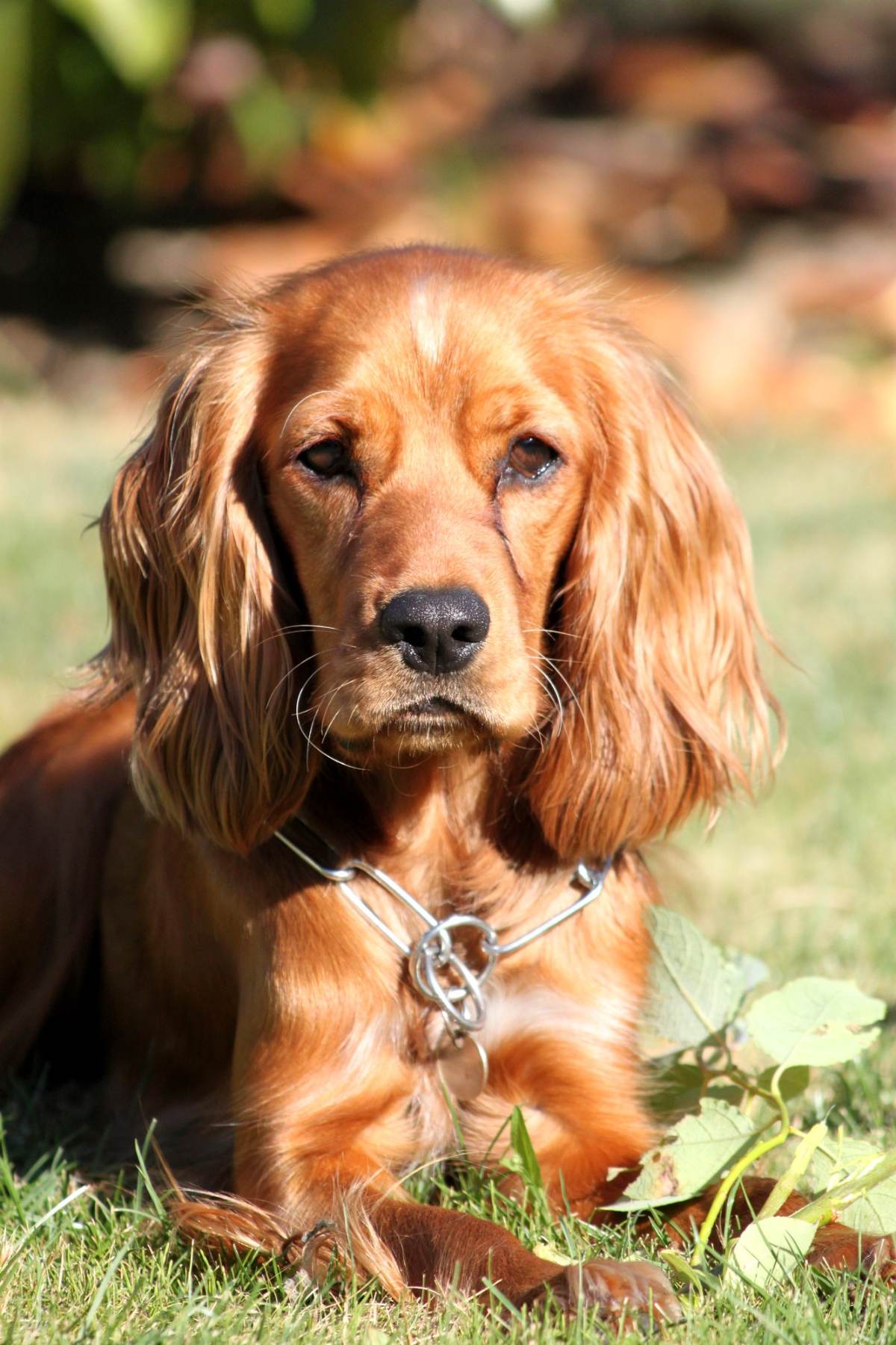
    A golden cocker spaniel's ears
    A golden cocker spaniel’s ears. Our pick: Virbac Epi-Otic Advanced on Amazon.ca. Photo: Jean-Pol GRANDMONT, via Wikimedia Commons, CC BY 4.0

    The best ear cleaners for cockers

    1. Virbac Epi-Otic Advanced Ear Cleanser: best overall

    Epi-Otic is a long-established ear cleanser from Virbac, a veterinary pharmaceutical company, and it is often recommended by vets for routine cleaning. It is designed to break down wax and debris and help dry the ear canal, which suits spaniels that swim. It has thousands of reviews on Amazon.ca.

    • Good for: routine cleaning, after swimming, waxy ears
    • Watch for: not a treatment for infections; see your vet if ears are red or painful

    Check the Virbac Epi-Otic Advanced Ear Cleanser on Amazon.ca →

    2. Earth Rated Dog Ear Cleaner: best gentle everyday cleaner

    Earth Rated is a Canadian pet care company best known for its poop bags. Its ear cleaner is one of the most popular on Amazon.ca, with tens of thousands of reviews, and is a good option for regular maintenance cleaning.

    • Good for: weekly maintenance
    • Watch for: check the ingredients if your dog has sensitive skin

    Check the Earth Rated Dog Ear Cleaner on Amazon.ca →

    3. Mighty Petz Dog Ear Cleaner: best value

    Mighty Petz’s cleaner is a well-reviewed, lower-cost option for routine cleaning, useful if you clean frequently or have more than one dog.

    • Good for: multi-dog homes, frequent cleaning
    • Watch for: as with any cleaner, stop if your dog shows irritation

    Check the Mighty Petz Dog Ear Cleaner on Amazon.ca →

    A red cocker spaniel portrait
    A red cocker spaniel portrait. Our pick: Earth Rated ear cleaner on Amazon.ca. Photo: Deerpeter, via Wikimedia Commons, CC BY-SA 4.0

    Comparison

    CleanerBest forNotes
    Virbac Epi-OticRoutine cleaning and dryingVeterinary brand
    Earth RatedGentle weekly maintenanceCanadian company
    Mighty PetzBudget, frequent useGood value

    What to look for in an ear cleaner

    • Designed for dogs: never use human products, alcohol or hydrogen peroxide unless your vet recommends them.
    • Gentle on the canal: avoid harsh ingredients that sting, especially if your dog’s ears are sensitive.
    • Drying action: helpful for swimming spaniels, as moisture encourages infection.
    • Vet recommendation: if your dog has frequent infections, your vet may prescribe a specific cleaner.
    • Easy applicator: a nozzle that fits comfortably at the ear opening makes cleaning easier.

    How to clean your cocker’s ears

    1. Check the ears first. If they are red, swollen, painful, smelly or have discharge, see your vet before cleaning; there may be an infection or a damaged eardrum.
    2. Lift the ear flap and fill the canal with cleaner according to the product label.
    3. Massage the base of the ear for 20 to 30 seconds to loosen debris.
    4. Let your dog shake its head.
    5. Wipe the visible parts of the ear with cotton wool or gauze. Never push cotton buds deep into the canal.
    6. Reward your dog and repeat on the other side.

    Most cockers benefit from weekly checks and cleaning when wax builds up or after swimming. Over-cleaning can irritate the ear, so follow your vet’s guidance on frequency. Our cocker ear care guide covers drying, trimming ear hair and recurring infections in detail.

    Signs you need a vet, not a cleaner

    • Head shaking, scratching or rubbing the ears
    • Redness, swelling or heat
    • Brown, yellow or bloody discharge
    • A strong or yeasty smell
    • Pain when the ears are touched
    • A swollen ear flap (possible haematoma)
    • Head tilt or loss of balance

    Ear infections need a proper diagnosis, because yeast, bacteria, mites and foreign bodies such as grass seeds are treated differently. Using a cleaner on an infected or ruptured ear can make things worse.

    Tips for healthy spaniel ears

    • Dry the ears thoroughly after swimming and bathing.
    • Trim the hair on the underside of the ear flap to improve airflow.
    • Use narrow spaniel bowls so ears stay out of food and water.
    • Check for grass seeds after walks in long grass.
    • Ask your vet about allergies if infections keep coming back.

    Cleaning ears after swimming and fieldwork

    Water and wet vegetation are the two biggest triggers for ear trouble in working and pet cockers alike. After a swim, a wet walk through long grass or a bath, the ear canal stays warm and damp under that heavy leather, which is exactly what yeast and bacteria like. A drying ear cleaner used the same day is the simplest prevention: fill the canal, massage the base for twenty to thirty seconds, let your dog shake, then wipe the visible folds with cotton pads. Never push cotton buds down the canal.

    Check the ears again the next morning. A faint waxy smell is normal; a sour or yeasty smell, dark brown discharge, redness or head shaking means it is time to see your vet rather than reach for another product. If your dog swims most days in summer, ask your vet whether a cleaner with a drying agent is suitable for regular use, because overcleaning can irritate a healthy ear.

    Frequently asked questions

    How often should I clean my cocker’s ears?

    Check weekly and clean when you see wax or debris and after swimming. Your vet can suggest a schedule for your dog.

    Can I use ear cleaner if my dog has an infection?

    Only if your vet advises it. Infections need diagnosis and specific treatment.

    Is it okay to use cotton buds?

    Do not push cotton buds into the ear canal; they can pack debris deeper or injure the ear. Use cotton wool or gauze on the visible parts only.

    Why does my dog shake its head after cleaning?

    Shaking helps bring loosened debris and cleaner out of the canal. It is normal.

    Featured photo: Jean-Pol GRANDMONT, via Wikimedia Commons, CC BY 4.0

  • Caring for a Senior English Cocker Spaniel

    Caring for a Senior English Cocker Spaniel

    Updated November 2026. English Cocker Spaniel Guide is an independent site, not affiliated with any breed club or kennel club. Some links are affiliate links: as an Amazon Associate we earn from qualifying purchases.

    English Cocker Spaniels often stay playful and youthful well into their senior years, and many live to around 12 to 14 years or more. As your cocker ages, though, its needs change: it may slow down on walks, sleep more, become stiffer after rest, and need closer attention to weight, teeth, eyes, ears and joints. With thoughtful care, the senior years can be some of the most rewarding you share. This guide explains what changes to expect and how to keep an older cocker comfortable and happy. Always discuss specific health concerns with your veterinarian.

    When is a cocker a senior?

    Many vets consider medium-sized dogs to be entering their senior years at around eight to ten years old, though every dog ages differently. Working cockers that have been very active may show wear on joints earlier, while some cockers seem ageless until their teens. The key is to watch for changes and adapt as they happen.

    Common changes in older cockers

    • Slowing down, shorter walks and more sleep
    • Stiffness after rest, difficulty with stairs or jumping into the car
    • Greying around the muzzle and changes in coat texture
    • Cloudy eyes, which may be normal ageing (nuclear sclerosis) or cataracts
    • Reduced hearing
    • Weight gain from lower activity, or weight loss from illness
    • Dental disease
    • Lumps and bumps, most harmless but some needing investigation
    • Changes in sleep patterns, confusion or anxiety, which can be signs of cognitive decline
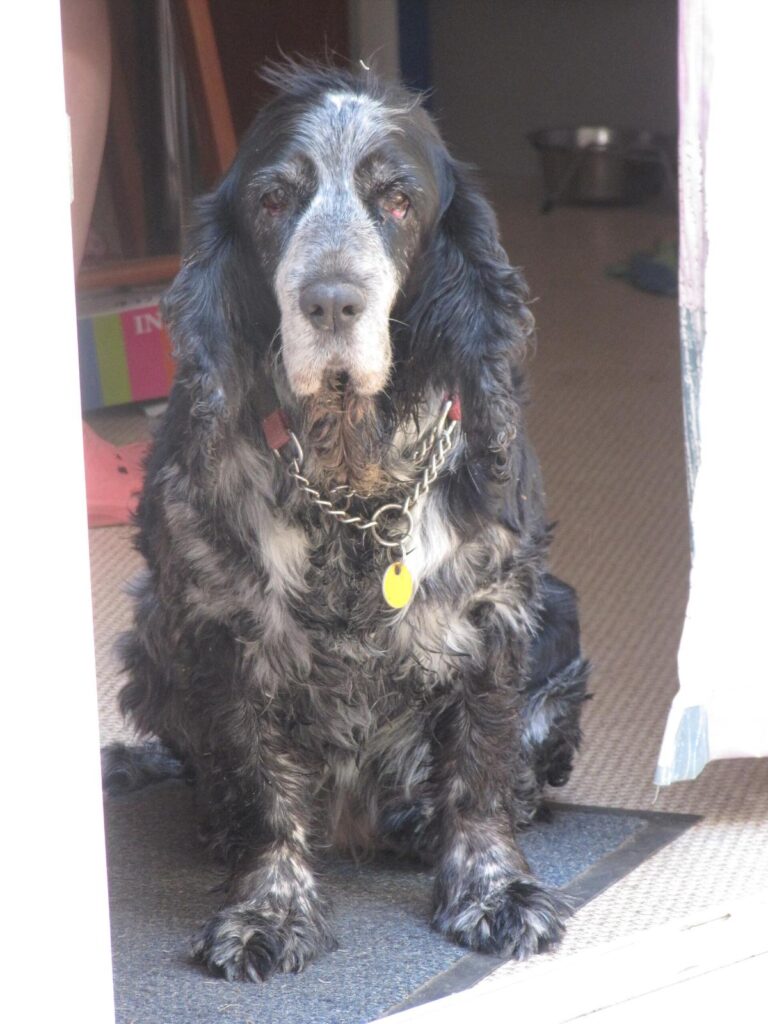
    A blue roan English Cocker Spaniel
    A blue roan English Cocker Spaniel. Our pick: EHEYCIGA orthopedic dog bed on Amazon.ca. Photo: Michiel1972, via Wikimedia Commons, CC BY-SA 4.0

    Vet care for seniors

    Many vets recommend check-ups every six months for senior dogs, often with blood and urine tests to catch kidney, liver, thyroid and other problems early. Kidney function declines with age in many dogs, and older cockers can also develop eye, heart and hormonal conditions, so routine monitoring is valuable. Report any change in drinking, urination, appetite, weight, breathing or behaviour. See our health guide for breed-specific conditions.

    Comfort and joints

    Arthritis is common in older dogs and can be well managed. Signs include stiffness, reluctance to jump or climb stairs, licking joints and lagging behind on walks. Your vet can recommend pain relief, supplements, weight management and physical therapy. At home:

    • Provide a thick, supportive orthopedic bed away from drafts
    • Put rugs or runners on slippery floors
    • Use a ramp or lift your dog into the car rather than letting it jump
    • Keep nails short so your dog has good grip; a nail grinder helps
    • Use a supportive harness to help steady your dog on stairs
    • Keep your dog lean; extra weight makes arthritis much worse

    Exercise for older cockers

    Senior cockers still need daily exercise to keep muscles strong and joints mobile, but shorter, gentler and more frequent outings suit them better than long hikes. Let your dog sniff and explore; scent work is gentle on the body and wonderful for the mind. Swimming in calm, warm water can be good low-impact exercise, but dry the ears afterwards. Avoid extreme heat and cold, and watch for signs of fatigue. See our exercise guide.

    Diet for senior cockers

    Older dogs often need fewer calories but still need high-quality protein to maintain muscle. Your vet may suggest a senior or joint-support diet, or a special diet for kidney or other conditions. Weigh your dog regularly and adjust portions; see our feeding guide. Soaking kibble can help dogs with dental pain, and a LickiMat or slow feeder keeps mealtimes interesting.

    A golden cocker spaniel resting
    A golden cocker spaniel resting. Our pick: LICKIMAT slow feeder on Amazon.ca. Photo: fafatshteh, via Wikimedia Commons, CC BY 3.0

    Grooming an older cocker

    Older cockers may find long grooming sessions tiring and may have sensitive joints, skin lumps or sore ears. Keep sessions short, groom on a non-slip surface, and consider a shorter, practical trim to make care easier. Continue weekly ear checks, regular tooth brushing and nail trims. Grooming is also a good time to check for new lumps, which you should report to your vet.

    Keeping the mind young

    Mental stimulation helps keep older dogs engaged and may slow cognitive decline. Teach simple new tricks, play gentle scent games, use puzzle toys and take your dog to new places to sniff. Keep routines predictable, as older dogs with cognitive changes can become anxious when things change.

    Quality of life

    As your cocker ages, you may face difficult decisions. Your vet can help you assess quality of life, considering pain, appetite, mobility, hygiene, happiness and whether good days outnumber bad. Planning ahead and talking openly with your vet makes these decisions less overwhelming when the time comes.

    Adapting your home

    Small changes make a big difference to an older cocker. Raise food and water bowls slightly if bending down seems uncomfortable, and choose narrow spaniel bowls so long ears stay dry. Block off steep stairs with a baby gate, add night lights if your dog seems unsure in the dark, and keep furniture in the same places for dogs with failing eyesight. A car seat cover or low crate makes car travel easier for a dog that can no longer jump in.

    Hearing and vision loss

    Many older dogs lose some hearing or sight. Teach hand signals while your dog can still hear, approach a deaf dog so it can see you, and avoid startling a sleeping dog by touching it gently or tapping the floor. Dogs adapt remarkably well to gradual vision loss as long as their environment stays predictable.

    Toileting changes

    Older dogs may need to go out more often, including at night. Increased thirst or urination, accidents in the house or straining can signal kidney disease, urinary infections, diabetes or other conditions, so mention any changes to your vet rather than assuming they are simply old age.

    Frequently asked questions

    How long do English Cocker Spaniels live?

    Many live around 12 to 14 years, and some longer, with good care and a bit of luck.

    At what age is a cocker considered a senior?

    Often around eight to ten years, though individual dogs age at different rates.

    Should my senior cocker still go for walks?

    Yes, usually. Shorter, gentler walks with time to sniff help keep joints, muscles and minds healthy.

    Why are my old cocker’s eyes cloudy?

    It may be normal ageing of the lens (nuclear sclerosis) or cataracts. Ask your vet to examine your dog’s eyes.

    Featured photo: Virginie Gabriel-Robez, via Wikimedia Commons, CC0

  • Feeding an English Cocker Spaniel: How Much, How Often and What to Avoid

    Feeding an English Cocker Spaniel: How Much, How Often and What to Avoid

    Updated November 2026. English Cocker Spaniel Guide is an independent site, not affiliated with any breed club or kennel club. Some links are affiliate links: as an Amazon Associate we earn from qualifying purchases.

    English Cocker Spaniels love their food, and many are experts at convincing their owners they are starving. Feeding a cocker well means choosing a complete diet, getting portion sizes right for its age and activity, keeping treats under control, and making mealtimes work for a dog with very long ears. This guide covers the essentials. For specific advice on your dog’s diet, especially if it has health conditions, talk to your veterinarian.

    Choosing a food

    There is no single best food for every cocker. What matters most is that the diet is complete and balanced for your dog’s life stage, that your dog does well on it, and that you can feed the right amount consistently. Look for:

    • A statement that the food is complete and balanced for your dog’s life stage (puppy, adult or all life stages), often referencing AAFCO nutrient profiles in North America
    • A manufacturer that employs qualified nutritionists and does feeding trials or quality testing
    • A food your dog digests well, with good stool quality, energy and coat condition

    Kibble, wet food, fresh-cooked commercial diets and raw diets all have supporters. If you are interested in home-cooked or raw feeding, work with your vet or a veterinary nutritionist, because it is easy to create deficiencies and raw diets carry food safety risks for pets and people.

    A note on grain-free diets

    Grain-free diets became popular in recent years. In North America, regulators and veterinary cardiologists have investigated a possible link between some diets, particularly certain grain-free and legume-rich formulas, and a heart condition called dilated cardiomyopathy (DCM) in dogs of breeds not typically prone to it. The picture is not fully understood. Unless your dog has a diagnosed reason to avoid grains, many vets suggest choosing a well-formulated diet that includes grains. Ask your vet about current advice.

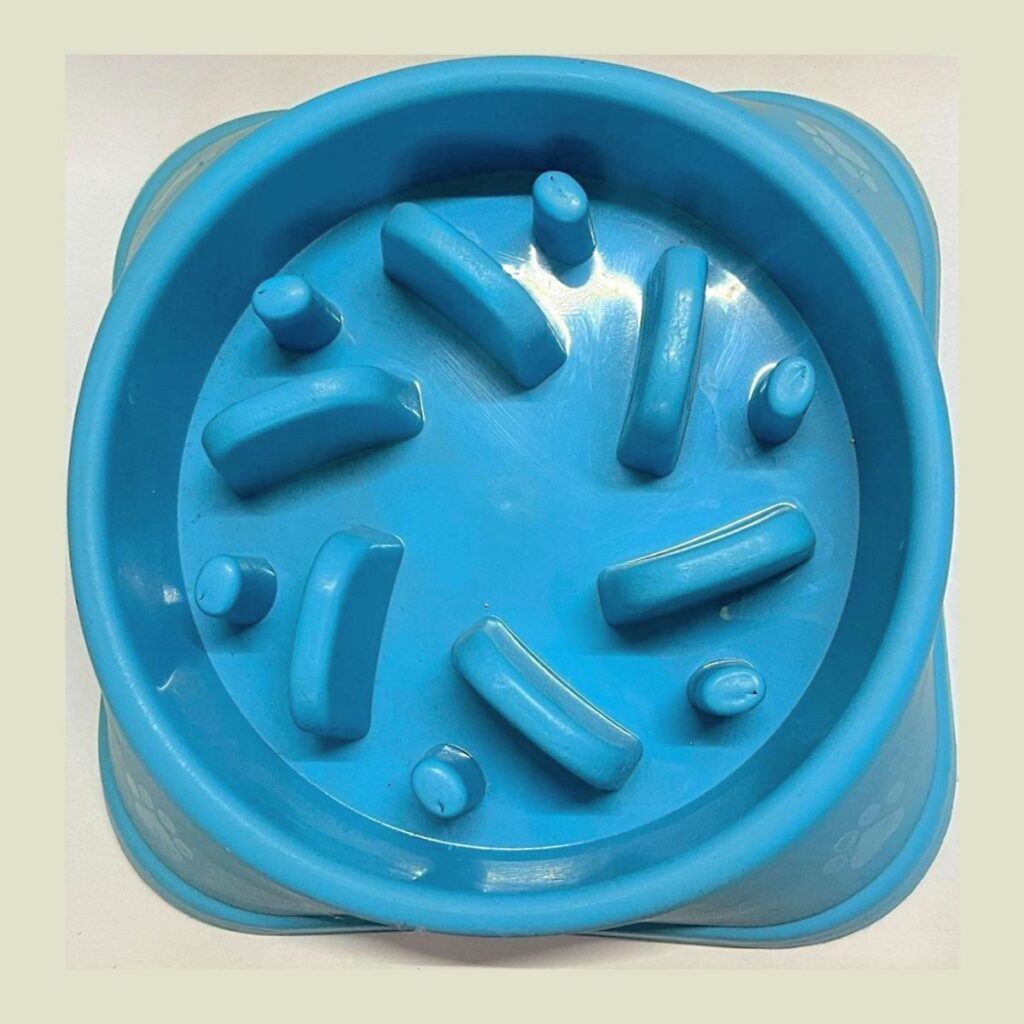
    A slow feeder dog bowl
    A slow feeder dog bowl. Our pick: Amazon Basics dog puzzle feeder on Amazon.ca. Photo: ELTORO.VET, via Wikimedia Commons, CC0

    How much should an English Cocker eat?

    Feeding guides on food packages are a starting point, but individual needs vary widely with age, activity, neutering and metabolism. A typical adult English Cocker weighs about 26 to 34 lb (12 to 15 kg). As a rough illustration, a moderately active, neutered adult of about 30 lb (13.6 kg) might need somewhere in the region of 750 to 1,000 calories a day, while a very active working cocker may need considerably more, and a quiet senior less. Use these figures only as a guide, and adjust based on body condition.

    Life stageMeals per dayNotes
    8 to 12 weeks4Small, regular meals of puppy food
    3 to 6 months3Continue puppy food; adjust as the puppy grows
    6 to 12 months2Transition to adult food around 12 months, or as advised by your vet
    Adult2Measure portions; adjust for activity
    Senior2May need fewer calories; ask your vet about senior diets

    Body condition: the best guide

    Weigh your cocker regularly and learn to body-condition score. At a healthy weight, you should be able to feel the ribs easily under a thin layer of fat without pressing, see a waist when looking down from above, and see a slight tuck-up behind the ribs from the side. A cocker’s feathering can hide extra weight, so use your hands, not just your eyes. If your dog is gaining, reduce portions by around 10 percent and recheck in a few weeks.

    Treats and training rewards

    Treats should make up no more than about 10 percent of your dog’s daily calories. Use small, soft training treats broken into tiny pieces, use part of your dog’s daily kibble for training, and reduce meal size on heavy training days. Many vegetables, such as carrot, green beans and cucumber, make good low-calorie snacks.

    Foods that are dangerous for dogs

    • Chocolate, coffee and caffeine
    • Grapes, raisins, currants and sultanas
    • Onions, garlic, leeks and chives
    • Xylitol (in sugar-free gum, some peanut butters and baked goods)
    • Macadamia nuts
    • Alcohol
    • Cooked bones, which can splinter
    • Fatty scraps, which can trigger pancreatitis

    If your dog eats something toxic, contact your vet or an animal poison control service immediately.

    A golden English Cocker Spaniel
    A golden English Cocker Spaniel. Our pick: Trixie long-ear bowl on Amazon.ca. Photo: Jean-Pol GRANDMONT, via Wikimedia Commons, CC BY 4.0

    Mealtimes and long ears

    Long ears dangle into bowls, getting soaked in water and coated in food, which leads to matted feathering and can contribute to ear problems. A narrow, deep spaniel bowl keeps the ears outside while your dog eats and drinks. Fast eaters do well with a slow feeder or puzzle feeder, which turns meals into enrichment and slows gulping.

    Feeding routine tips

    1. Feed at regular times and pick up uneaten food after 15 to 20 minutes.
    2. Measure every meal with a cup or, better, a kitchen scale.
    3. Change foods gradually over about a week to avoid stomach upsets.
    4. Provide fresh water at all times.
    5. Avoid heavy exercise immediately before and after big meals.
    6. Keep bins and counters clear; cockers are determined scavengers.

    Feeding working and very active cockers

    A cocker that works in the field, competes in dog sports or runs for hours a day burns far more energy than a family pet. Many owners of working dogs feed a performance diet with higher protein and fat during the working season and reduce portions in the off-season. Feed the main meal after work rather than before, offer water regularly during long days, and carry a small snack for very long outings. Watch weight closely as activity changes through the year, and ask your vet whether a performance food is appropriate for your dog.

    Frequently asked questions

    How many times a day should I feed my English Cocker?

    Most adults do well on two meals a day. Puppies need three or four smaller meals.

    Why is my cocker always hungry?

    Cockers are food-motivated by nature. If your dog is at a healthy weight and eating a complete diet, begging is usually habit rather than hunger. If appetite changes suddenly, see your vet.

    Should my cocker eat grain-free food?

    Most dogs do not need grain-free food. Ask your vet about current research on diet and heart health before choosing one.

    Can English Cockers eat fruit and vegetables?

    Many are safe in moderation, such as apple slices without seeds, carrots, blueberries and green beans. Avoid grapes, raisins, onions and garlic.

    Featured photo: Tyne & Wear Archives & Museums, via Wikimedia Commons, No restrictions

  • Cocker Spaniel Ear Care: Cleaning, Drying and Preventing Infections

    Cocker Spaniel Ear Care: Cleaning, Drying and Preventing Infections

    Updated November 2026. English Cocker Spaniel Guide is an independent site, not affiliated with any breed club or kennel club. Some links are affiliate links: as an Amazon Associate we earn from qualifying purchases.

    Those long, silky ears are one of the English Cocker Spaniel’s most endearing features, and one of its biggest maintenance jobs. Heavy, hairy ear flaps cover the ear canal, trapping warmth and moisture and creating perfect conditions for yeast and bacteria. Ear infections are among the most common reasons cockers visit the vet. The good news is that a simple weekly routine prevents many problems and helps you catch the rest early. This guide is general information; always follow your veterinarian’s advice for your own dog.

    What healthy ears look like

    • Pale pink skin inside the ear flap and at the canal opening
    • Little or no wax, and only a mild, neutral smell
    • No redness, swelling, scabs or discharge
    • A dog that is comfortable having its ears handled

    Get to know what your dog’s ears normally look and smell like, so you notice changes quickly.

    Signs of an ear problem

    • Shaking the head or tilting it to one side
    • Scratching or rubbing the ears on furniture or the floor
    • Redness, swelling or heat
    • Dark brown, yellow or bloody discharge
    • A strong, yeasty or unpleasant smell
    • Pain or reluctance to have the ears touched
    • A swollen, puffy ear flap, which can be an aural haematoma caused by head shaking
    • Loss of balance or a head tilt, which needs urgent veterinary attention

    If you see any of these signs, see your vet before cleaning. Your vet can look inside the canal, check that the eardrum is intact, and take a sample to identify the cause, which determines the right treatment.

    A golden English Cocker Spaniel portrait
    A golden English Cocker Spaniel portrait. Our pick: Virbac Epi-Otic ear cleaner on Amazon.ca. Photo: Jean-Pol GRANDMONT, via Wikimedia Commons, CC BY 4.0

    Weekly ear check routine

    1. Lift each ear flap and look inside in good light.
    2. Sniff gently; a strong smell is an early warning sign.
    3. Feel for heat, swelling or tangles in the hair near the canal.
    4. Check the underside of the ear flap and the feathering for grass seeds, burrs and mats, especially after walks in long grass.
    5. Reward your dog with a treat so ear checks stay pleasant.

    How to clean your cocker’s ears

    Healthy ears do not always need routine cleaning, but many cockers benefit from regular cleaning, especially after swimming or if they produce a lot of wax. Use a vet-approved ear cleaner, never alcohol, hydrogen peroxide or homemade mixtures unless your vet recommends them.

    1. Gently hold the ear flap up and fill the ear canal with cleaner, following the product label.
    2. Massage the base of the ear for about 20 to 30 seconds; you should hear a squishing sound as the cleaner loosens debris.
    3. Let your dog shake its head (stand back!).
    4. Wipe away loosened wax and cleaner from the ear flap and the opening of the canal with cotton wool or gauze. Do not push cotton buds into the canal.
    5. Give a treat and praise, then repeat on the other ear.

    Stop and see your vet if the ear seems painful, bleeds, or if your dog has a known or suspected perforated eardrum.

    Keeping ears dry

    Moisture is a major cause of ear trouble in spaniels, and most cockers love water. After swimming or bathing, dry the ears thoroughly with a towel, and use an ear cleaner with a drying agent if your vet recommends one. Some owners use a snood or a stretchy band such as the Happy Hoodie to hold the ears back while drying with a blow dryer on a low setting.

    Trimming ear hair

    Trimming the hair on the underside of the ear flap and around the canal opening improves airflow and reduces wax build-up. Use rounded-tip scissors or clippers and work carefully. Plucking hair from inside the canal is controversial; some vets recommend it for certain dogs and others advise against it because it can irritate the canal. Ask your vet what is best for your cocker.

    An orange and white English Cocker Spaniel
    An orange and white English Cocker Spaniel. Our pick: Trixie long-ear bowl on Amazon.ca. Photo: BusyBee-cr from Northwest, UK, via Wikimedia Commons, CC BY 2.0

    Mealtimes and long ears

    Long ears dangle into food and water bowls, getting sticky and wet, which can contribute to ear problems and matted feathering. Narrow, tall spaniel bowls keep the ears outside the bowl, and a snood can keep them clean while eating.

    Grass seeds

    In summer, sharp grass seeds can work their way into the ear canal and cause sudden, severe head shaking and pain. They can be hard to see and may need to be removed by a vet. Check ears after every walk through long grass, and keep the feathering trimmed during grass-seed season.

    Recurring infections

    If your cocker keeps getting ear infections, there is often an underlying cause, such as allergies to food or the environment, hormonal problems, excess hair or narrow canals. Repeated infections can thicken the canal over time and become harder to treat, so work with your vet to find and manage the cause rather than relying on repeated short courses of treatment.

    Teaching your cocker to enjoy ear care

    Ear care is much easier with a dog that is relaxed about having its ears handled. Start with puppies, or go slowly with adult dogs: touch the ear for a second, give a treat, and stop. Gradually build up to lifting the ear flap, looking inside, wiping the outer ear and finally using the cleaner. Keep sessions short and positive, and use a lick mat spread with a little dog-safe paste to keep your dog busy. If your dog is already sore or anxious, ask your vet for help rather than forcing the issue, because a painful experience can make future care much harder.

    Frequently asked questions

    How often should I clean my cocker’s ears?

    Check weekly. Clean when you see wax or debris and after swimming. Your vet can recommend a frequency for your dog.

    Can I use olive oil or vinegar to clean ears?

    Use only products your vet recommends. Homemade remedies can irritate the ear or make infections worse.

    Why do my cocker’s ears smell?

    A strong or yeasty smell often signals an infection. See your vet for a diagnosis before treating.

    Should I pluck my cocker’s ear hair?

    Opinions differ. Trim the hair around the opening and ask your vet whether plucking is appropriate for your dog.

    Featured photo: Jean-Pol GRANDMONT, via Wikimedia Commons, CC BY 4.0

  • English Cocker Spaniel Health: Common Conditions and Health Tests

    English Cocker Spaniel Health: Common Conditions and Health Tests

    Updated November 2026. English Cocker Spaniel Guide is an independent site, not affiliated with any breed club or kennel club. Some links are affiliate links: as an Amazon Associate we earn from qualifying purchases.

    English Cocker Spaniels are generally robust, active dogs, and many live well into their teens. Like every pedigree breed, though, they carry some inherited health risks, and their long ears and love of water bring a few everyday problems of their own. Knowing what to look out for, and which health tests responsible breeders use, helps you choose a healthy puppy and spot problems early. This guide is general information; always talk to your veterinarian about your own dog.

    Health tests to ask a breeder about

    Responsible breeders screen their breeding dogs for inherited conditions and are happy to show you the results for both parents. The exact recommendations vary by country and kennel club, and new tests are developed over time, so check the current recommendations of your national kennel club or the Orthopedic Foundation for Animals (OFA). Commonly used tests include:

    ConditionType of testWhat it means
    Progressive retinal atrophy (prcd-PRA)DNA testInherited degeneration of the retina leading to blindness
    Familial nephropathy (FN)DNA testInherited kidney disease that can cause kidney failure in young dogs
    Adult-onset neuropathy (AON)DNA testInherited nerve disease causing weakness later in life
    Hip dysplasiaX-ray evaluationAbnormal hip development that can lead to arthritis
    Inherited eye diseasesEye exam by a veterinary ophthalmologistScreens for cataracts and other eye problems, usually repeated regularly
    Congenital deafnessBAER hearing testEspecially relevant for parti-colours and roans with a lot of white

    For DNA-tested recessive conditions, a dog can be clear, a carrier or affected. Carriers can be bred safely to clear dogs, because puppies will not be affected, so “carrier” on a certificate is not a red flag if the breeder understands how to use the results.

    A blue roan English Cocker Spaniel
    A blue roan English Cocker Spaniel. Photo: Gürkan Sengün, via Wikimedia Commons, CC BY-SA 3.0

    Ear infections

    The most common health complaint in cockers is ear infection (otitis externa). Long, heavy, hairy ears trap warmth and moisture, creating ideal conditions for yeast and bacteria. Signs include head shaking, scratching at the ears, redness, a bad smell, discharge or a dog that resents having its ears touched. Weekly checks, keeping the hair around the ear canal tidy, drying ears after swimming and cleaning with a vet-recommended ear cleaner all help. Recurring infections can have an underlying cause such as allergies, so see your vet rather than treating repeatedly at home. Our ear care guide covers this in detail.

    Eye conditions

    As well as PRA, cockers can develop cataracts, glaucoma, and eyelid problems such as entropion (eyelids rolling inward) or ectropion (eyelids rolling outward). Watch for cloudiness, redness, squinting, excessive tearing or changes in vision, and see your vet promptly; some eye conditions, such as glaucoma, are emergencies.

    Hips and joints

    Hip dysplasia occurs in the breed, and like any active dog, cockers can injure joints and ligaments. Keeping your dog lean is one of the best things you can do for its joints throughout life. A supportive orthopedic bed helps older dogs.

    A liver English Cocker Spaniel
    A liver English Cocker Spaniel. Photo: No machine-readable author provided. Akumiszcza assumed (based on copyright clai, via Wikimedia Commons, CC BY 3.0

    Weight and diet

    Cockers love food and are skilled at persuading their owners to share. Excess weight puts strain on joints, heart and breathing and can shorten life. Weigh your dog regularly, measure meals, account for treats, and ask your vet to show you how to body-condition score. See our guide to feeding an English Cocker.

    Dental health

    Small and medium dogs often develop tartar and gum disease. Daily or regular brushing with a dog toothbrush and toothpaste, plus regular checks at the vet, can prevent painful problems later.

    Skin and allergies

    Some cockers develop allergies that show up as itchy skin, paw licking or repeated ear infections. Seborrhea and skin infections can also occur. Your vet can help find the cause, which may involve diet trials or allergy testing.

    Behaviour and health

    Sudden, unexplained aggression in cockers, sometimes called “rage syndrome”, has been discussed in the breed for decades. It is uncommon, and many cases of aggression turn out to have other causes, including pain, fear or resource guarding. Any sudden change in behaviour is a reason to see your vet first and then a qualified behaviourist.

    Preventive care checklist

    • Annual vet check-ups, more often for seniors
    • Vaccinations and parasite prevention as recommended by your vet
    • Weekly ear checks and regular cleaning
    • Regular tooth brushing
    • Nail trims every few weeks; see our nail grinder guide
    • Keeping your dog at a healthy weight
    • A basic first aid kit for walks and travel

    Pet insurance or a dedicated savings account can make unexpected vet bills easier to manage; see our guide to the cost of owning an English Cocker.

    When to call the vet straight away

    Some signs should never wait for a routine appointment. Contact your veterinarian or an emergency clinic promptly if your cocker shows any of the following:

    • A painful, red or cloudy eye, or sudden squinting
    • Repeated vomiting or diarrhoea, especially with lethargy
    • Drinking and urinating much more than usual, which can be an early sign of kidney or other disease
    • Difficulty breathing, collapse or a swollen, hard belly
    • Sudden lameness, weakness or reluctance to move
    • Head tilt, loss of balance or severe ear pain
    • Eating something toxic, such as chocolate, grapes, xylitol or medications

    Keep your vet’s number and the nearest emergency clinic saved in your phone, and keep your dog’s vaccination and medical records together so you can share them quickly.

    Frequently asked questions

    Are English Cocker Spaniels healthy dogs?

    Generally, yes. Choosing a puppy from health-tested parents and keeping up with preventive care gives your dog the best chance of a long, healthy life.

    Why does my cocker keep getting ear infections?

    Long, heavy ears trap moisture and warmth. Allergies are a common underlying cause of repeat infections, so ask your vet to investigate.

    What does “carrier” mean on a DNA test?

    The dog has one copy of a gene variant but is not affected. Carriers can be bred safely to clear dogs without producing affected puppies.

    How long do English Cockers usually live?

    Many live around 12 to 14 years, and some longer.

    Featured photo: Jean-Pol GRANDMONT, via Wikimedia Commons, CC BY 4.0