Category: Gear Reviews

Independent roundups of the best gear for English Cocker Spaniels, from crates, beds and harnesses to grooming tools, toys and travel kit.

  • The Best Dog Grooming Table for Cocker Spaniels (2026)

    The Best Dog Grooming Table for Cocker Spaniels (2026)

    Updated November 2026. English Cocker Spaniel Guide is an independent site, not affiliated with any breed club or kennel club. Some links are affiliate links: as an Amazon Associate we earn from qualifying purchases.

    If you groom your English Cocker Spaniel at home, a grooming table is the piece of kit that changes everything. Trimming feet, thinning ear feathering and neatening the outline is far easier when your dog is standing at waist height on a non-slip surface, rather than wriggling on the floor while you crouch over it. Your back will thank you, your dog will be steadier, and the finished trim will be noticeably neater.

    Below are two folding grooming tables from Amazon.ca in sizes that suit a cocker, followed by how to use one safely and teach your dog to stand calmly.
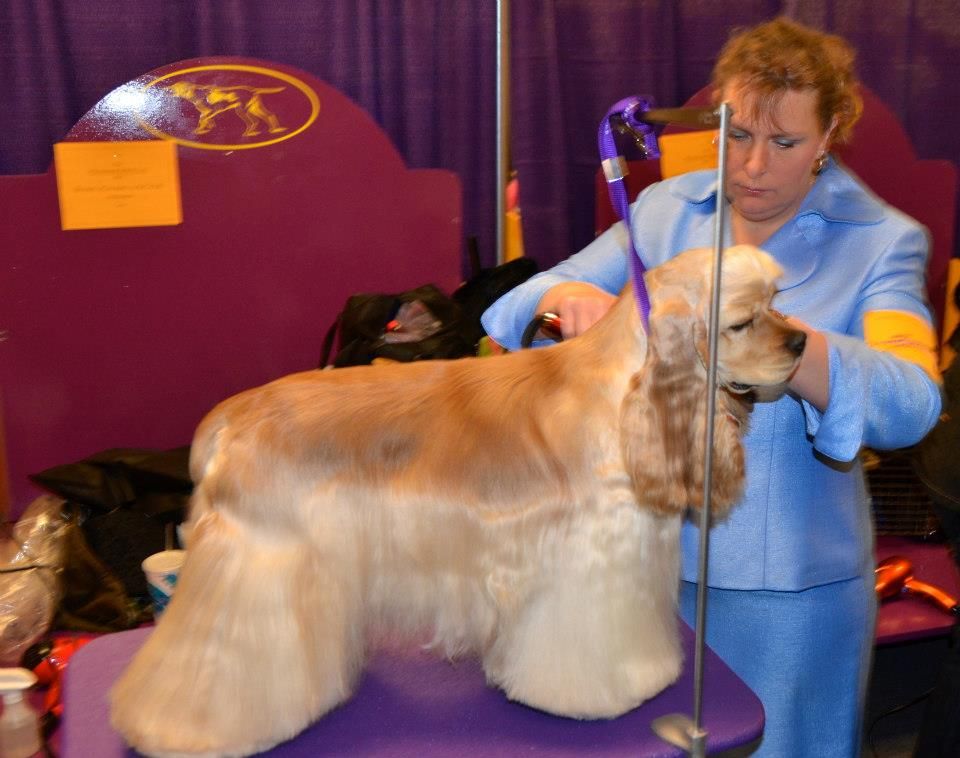
    Grooming a cocker spaniel
    Grooming a cocker spaniel. Our pick: Yaheetech grooming table on Amazon.ca. Photo: Andrea Arden, via Wikimedia Commons, CC BY 2.0

    Quick picks

    These are our picks from Amazon.ca, chosen on design, materials, suitability for a medium-sized spaniel, and the volume and consistency of buyer reviews. We have not lab-tested them ourselves.

    The best grooming tables for cocker spaniels

    1. Yaheetech 32-inch Folding Grooming Table: best compact

    A sturdy folding table with a rubber non-slip top, adjustable legs and a grooming arm with a loop to help keep your dog in position. At 32 inches long, the surface suits an adult English Cocker, and it folds flat for storage in a cupboard or car boot.

    • Good for: home grooming, small spaces, one cocker
    • Watch for: the grooming loop is for positioning only; never leave your dog unattended

    Check the Yaheetech 32-inch Folding Grooming Table on Amazon.ca →

    2. Yaheetech 36-inch Folding Grooming Table: best larger

    The slightly larger version gives you more room to move around a bigger dog or to groom more than one breed in the house. The extra length also helps when you want your cocker to lie down on its side for trimming the belly and feathering.

    • Good for: larger cockers, multi-dog homes, show prep
    • Watch for: takes more space; check the folded size before buying

    Check the Yaheetech 36-inch Folding Grooming Table on Amazon.ca →
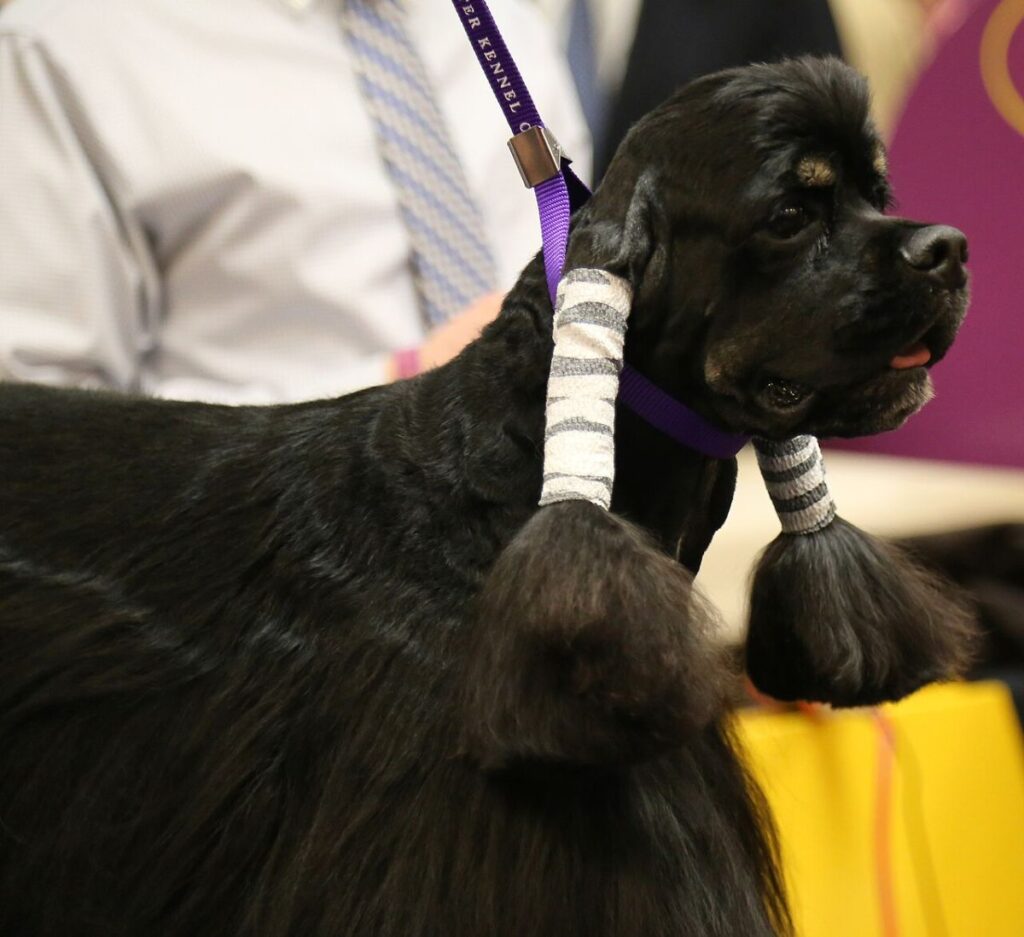
    A cocker spaniel's groomed ears
    A cocker spaniel’s groomed ears. Our pick: Yaheetech 36-inch grooming table on Amazon.ca. Photo: Arturo Pardavila III from Hoboken, NJ, USA, via Wikimedia Commons, CC BY 2.0

    Comparison

    TableTop lengthGrooming armFolds
    Yaheetech 32 inchAbout 32 inYesYes
    Yaheetech 36 inchAbout 36 inYesYes

    What to look for in a grooming table

    • A non-slip top. A dog that slides around will feel insecure and fidget.
    • Stability. The table should not wobble when your dog shifts its weight. Check the legs lock firmly.
    • The right size. Your dog should be able to stand comfortably with a little room in front and behind.
    • Height. Adjustable legs let you set the table so you can work without bending.
    • Portability. A folding table can be stored away or taken to shows.

    Teaching your cocker to stand on the table

    1. Lift your dog onto the table, with one hand under the chest and one under the back end. Do not let it jump on or off, which risks injury.
    2. Reward it for standing still with tiny treats. Keep the first sessions to a minute or two.
    3. Practise handling feet, ears and tail while your dog stands, rewarding calm behaviour.
    4. Introduce brushes and combs, then scissors and clippers, one at a time over several sessions. A lick mat stuck to a wall nearby is a great distraction.
    5. Always finish on a positive note and lift your dog down gently.

    Safety on the grooming table

    Never leave a dog alone on a grooming table, even for a moment, and never leave it attached to the grooming loop if you step away. A dog that jumps or falls while attached can be seriously injured. Keep one hand on your dog at all times, and keep your tools within reach before you start so you do not need to turn away. Puppies should only be on the table for very short, closely supervised sessions.

    A home grooming routine on the table

    With your dog on the table, work from the back to the front: brush and comb out the coat, then trim the feet and hocks, neaten the feathering on the legs and belly, thin and tidy the ears, and finish with the head and neck. Our full grooming guide explains each step, and our reviews of the best brushes, clippers and scissors cover the tools you will need.

    Is a grooming table worth it?

    If you groom your cocker yourself more than once every few months, yes. Spaniels need regular attention to their feet, ears and feathering, and doing that work on the floor is uncomfortable and less precise. A folding table pays for itself quickly compared with the cost of professional grooming, though many owners still use a groomer for a full trim and do the maintenance at home in between.

    Using a non-slip mat instead

    If you do not have space for a table, a rubber non-slip mat on a sturdy, low surface such as a garden bench or a washing machine can work for quick tidy-ups. Make sure the surface is stable, never leave your dog unattended, and always lift it up and down.

    Frequently asked questions

    What size grooming table for an English Cocker Spaniel?

    A table about 32 inches long suits most adults. A 36-inch table gives more room for bigger dogs or multi-dog homes.

    Do I need a grooming arm?

    A grooming arm and loop help keep your dog in position, but they are not a restraint. Never leave your dog alone while attached.

    How tall should a grooming table be?

    Set it so you can work comfortably without bending, usually around waist height.

    Can I use a grooming table for a puppy?

    Yes, with very short sessions and close supervision. It is a great way to get your puppy used to being handled.

    Featured photo: patti, via Wikimedia Commons, CC BY-SA 2.0
  • Winter Paw Care and Coats for Spaniels (2026)

    Winter Paw Care and Coats for Spaniels (2026)

    Updated November 2026. English Cocker Spaniel Guide is an independent site, not affiliated with any breed club or kennel club. Some links are affiliate links: as an Amazon Associate we earn from qualifying purchases.

    Winter is hard on a spaniel’s feet. English Cockers grow a lot of hair between their pads, and in snow that hair collects painful balls of ice. Road salt and grit can crack and burn the pads, frozen ground is rough, and repeated soaking in cold, muddy water dries the skin. Meanwhile, a wet cocker loses heat quickly on a long, cold walk, particularly if it is old, young or clipped short.

    This guide covers the two simplest ways to protect your dog in cold weather: a good paw balm and, for dogs that feel the cold, a waterproof coat. Here are our picks from Amazon.ca and a winter care routine that works.

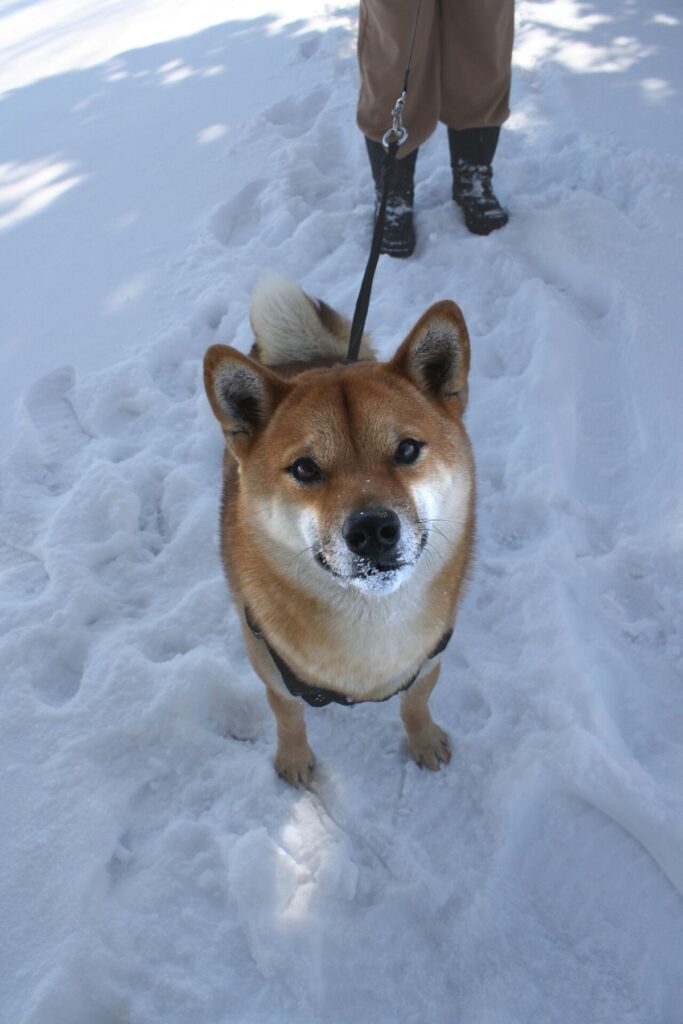
    A dog in the snow
    A dog in the snow. Our pick: Tinioey paw balm on Amazon.ca. Photo: Photos-public-domain.com, via Wikimedia Commons, Public domain

    Quick picks

    These are our picks from Amazon.ca, chosen on design, materials, suitability for a medium-sized spaniel, and the volume and consistency of buyer reviews. We have not lab-tested them ourselves.

    Our winter picks for spaniels

    1. Tinioey Natural Paw Balm: best paw balm

    A wax-based balm that forms a light protective layer on the pads before a walk and soothes dry, cracked pads afterwards. Natural waxes and oils help repel snow and slush and reduce the irritation from salted pavements.

    • Good for: salted roads, dry or cracked pads, snow
    • Watch for: apply sparingly and let it soak in so your dog does not slide on hard floors

    Check the Tinioey Natural Paw Balm on Amazon.ca →

    2. PawSono Lick-Safe Paw Balm: best lick-safe

    Spaniels lick their feet, so a balm made from ingredients that are safe if licked is a sensible choice. It is useful for nose and elbow dryness as well as paws.

    • Good for: dogs that lick their feet, everyday moisturising
    • Watch for: even lick-safe products work better if you distract your dog for a few minutes after applying

    Check the PawSono Lick-Safe Paw Balm on Amazon.ca →

    3. AOFITEE Full-Body Waterproof Dog Coat: best winter coat

    A waterproof coat that covers the back, chest and belly, keeping your dog warmer and much cleaner on cold, wet walks. Full-body cover is particularly useful for spaniels because so much mud collects on the belly and chest feathering.

    • Good for: older dogs, clipped coats, wet winter walks
    • Watch for: measure back length carefully; coats that are too long can rub when your dog runs

    Check the AOFITEE Full-Body Waterproof Dog Coat on Amazon.ca →

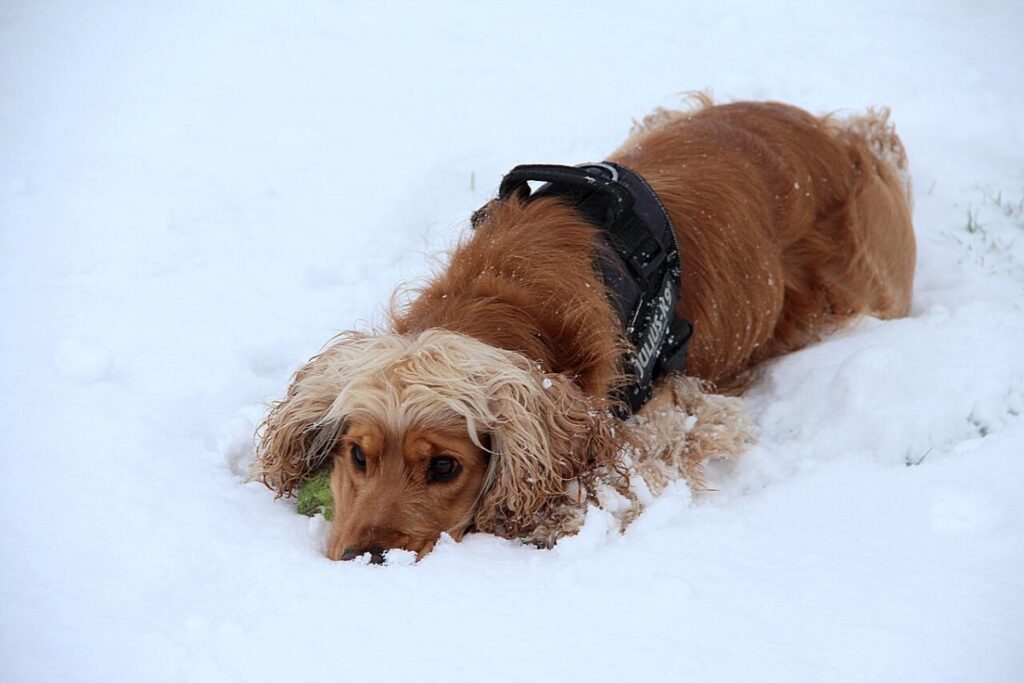
    A golden cocker spaniel in the snow
    A golden cocker spaniel in the snow. Our pick: AOFITEE waterproof dog coat on Amazon.ca. Photo: Jean-Pol GRANDMONT, via Wikimedia Commons, CC BY 4.0

    Comparison

    ProductTypeBest for
    TinioeyPaw balmSalt, snow and cracked pads
    PawSonoLick-safe balmDogs that lick their paws
    AOFITEEWaterproof coatCold, wet walks

    A winter paw care routine

    1. Trim the hair between the pads level with the pad surface. This is the most effective way to stop ice balls forming. Our guide to grooming scissors shows how.
    2. Rub a thin layer of balm into the pads before you go out on snowy or salted ground.
    3. After the walk, rinse your dog’s feet in lukewarm water to remove salt, grit and de-icer.
    4. Dry the feet thoroughly, including between the toes.
    5. Check the pads for cuts, cracks or redness, and apply balm again if they are dry.

    Does a cocker spaniel need a coat?

    Many healthy adult English Cockers with a full coat are fine without one in an ordinary winter, especially if they keep moving. A coat is worth having for older dogs, puppies, dogs that have been clipped short, dogs with health problems, and for cold, wet weather when your dog will be standing around, such as at a training class or watching a match. A waterproof coat also saves a lot of time drying and cleaning a cocker after a muddy walk, which our drying coat guide covers in more detail.

    What about dog boots?

    Boots can protect feet from salt and ice, but many dogs find them strange and walk awkwardly at first, and boots that fit badly can rub. If you want to try them, choose a size based on paw width, introduce them slowly at home with treats, and use them for short periods. For most spaniels, trimmed feet, a good balm and rinsing after walks are enough.

    Signs of cold or paw trouble

    • Lifting paws, limping or refusing to walk on icy ground
    • Licking or chewing the feet after walks
    • Cracked, bleeding or red pads
    • Shivering, slowing down or trying to turn for home

    If your dog has a cut pad that keeps bleeding, a limp that does not improve, or redness and swelling between the toes, see your vet. Grass seeds lodged between the toes are another common spaniel problem, although they are more of a summer issue.

    Older spaniels in winter

    Older cockers often feel the cold more and may be stiff on chilly mornings. Shorter, more frequent walks, a warm coat, a supportive bed out of draughts and a gentle warm-up before exercise all help. Read our guide to the senior English Cocker for more tips.

    Frequently asked questions

    How do I stop snowballs forming on my spaniel’s feet?

    Trim the hair between the pads short and apply a wax-based paw balm before walks.

    Is road salt bad for dogs’ paws?

    Salt and de-icers can dry and irritate pads, and they are harmful if licked. Rinse your dog’s feet after walks on treated roads.

    Do English Cockers feel the cold?

    Healthy adults with a full coat cope well, but older dogs, puppies and clipped dogs may need a coat in cold, wet weather.

    Can I use human moisturiser on my dog’s paws?

    It is better to use a product made for dogs, because many human creams contain ingredients that are not safe to lick.

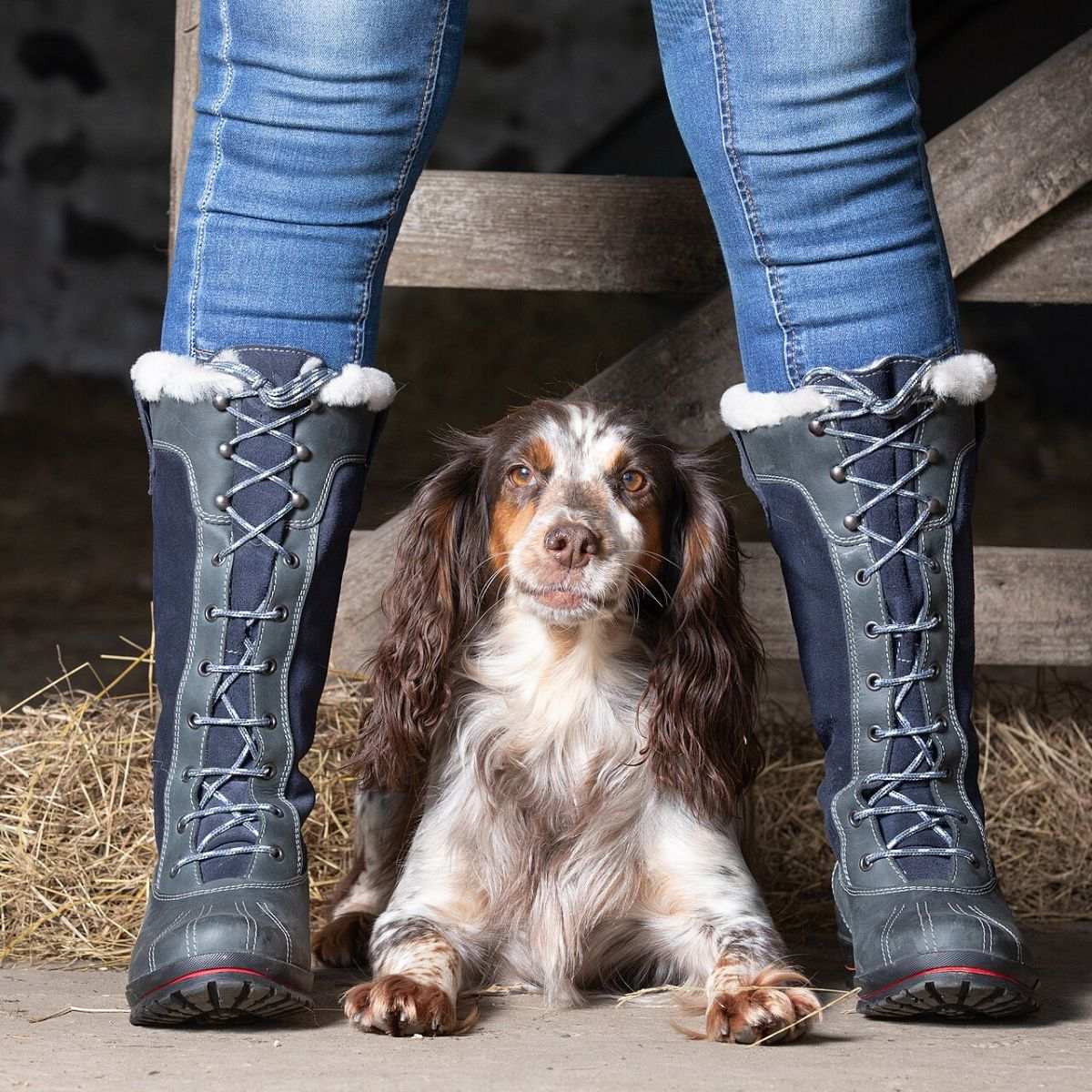
    Featured photo: Bareback Footwear, via Wikimedia Commons, CC BY-SA 4.0

  • The Best Dog Life Jacket for Spaniels (2026)

    The Best Dog Life Jacket for Spaniels (2026)

    Updated November 2026. English Cocker Spaniel Guide is an independent site, not affiliated with any breed club or kennel club. Some links are affiliate links: as an Amazon Associate we earn from qualifying purchases.

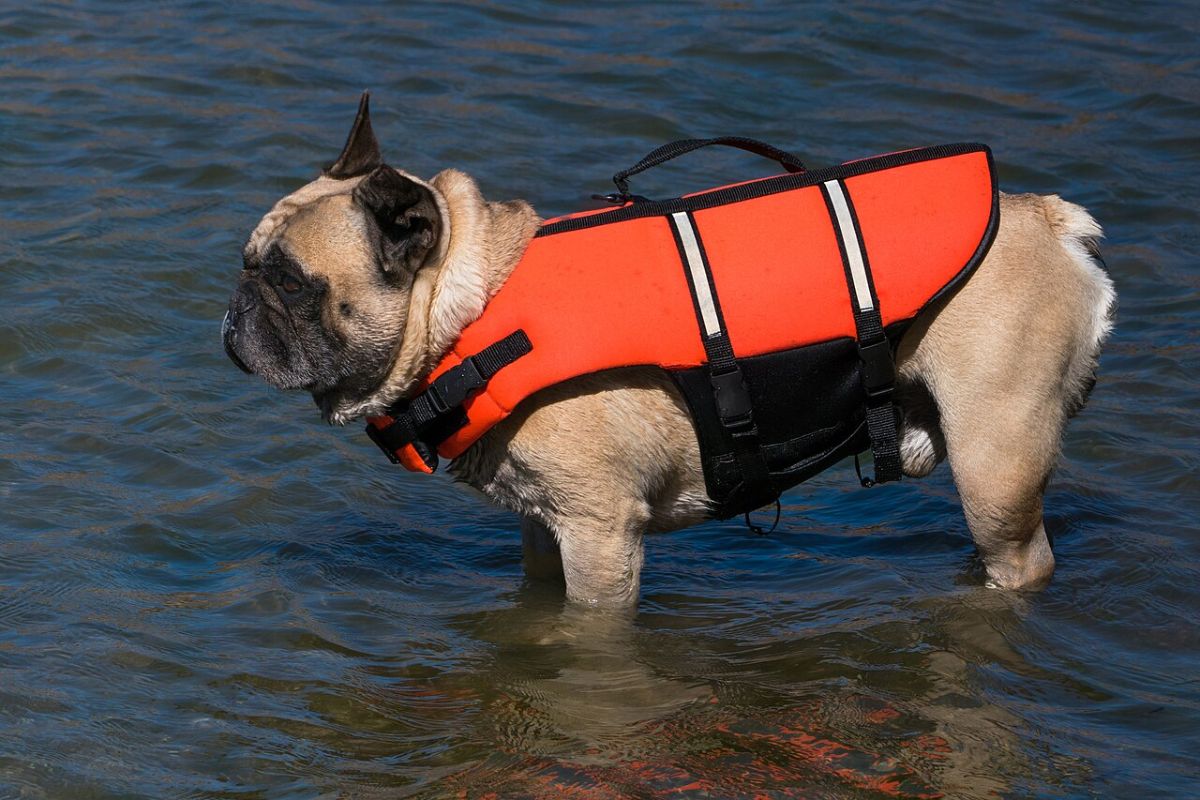
    Most English Cocker Spaniels love water. They were bred to flush and retrieve game from wet cover and marshes, and many will throw themselves into any lake, river or sea they see. But not every spaniel is a strong swimmer, and even good swimmers can tire, get caught in currents or struggle in cold water. A dog life jacket is a simple piece of kit that adds a big margin of safety on boats, paddleboards, kayaks and open water.

    Here are three life jackets from Amazon.ca that suit a medium-sized spaniel, how to fit one, and how to help a nervous cocker learn to swim.

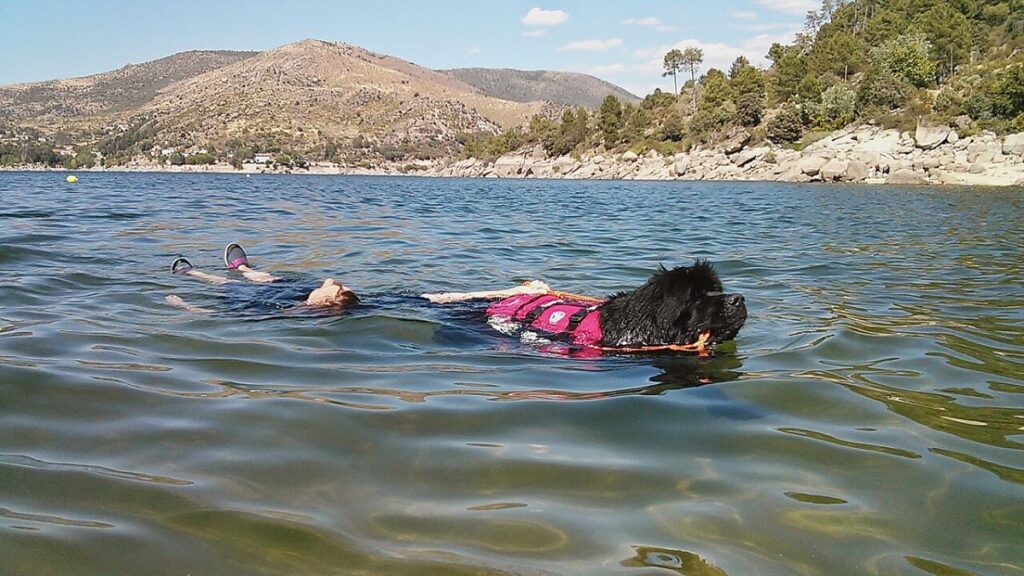
    A dog swimming
    A dog swimming. Our pick: Outward Hound Granby life jacket on Amazon.ca. Photo: Pllopis, via Wikimedia Commons, CC BY-SA 4.0

    Quick picks

    These are our picks from Amazon.ca, chosen on design, materials, suitability for a medium-sized spaniel, and the volume and consistency of buyer reviews. We have not lab-tested them ourselves.

    The best dog life jackets for spaniels

    1. Outward Hound Granby Life Jacket: best overall

    One of the best-known dog life jackets, with buoyant foam panels around the body, adjustable straps, reflective trim and a strong grab handle on the back so you can lift your dog out of the water or into a boat. The bright colour makes your spaniel easy to spot.

    • Good for: boats, lakes, paddleboarding
    • Watch for: size by chest girth and weight; most English Cockers take a medium

    Check the Outward Hound Granby Life Jacket on Amazon.ca →

    2. Queenmore Dog Life Jacket: best chin float

    This jacket adds a float under the chin, which helps keep your dog’s head above the water as it tires. That is especially useful for puppies, older dogs and cockers that are still learning to swim. It has two grab handles and reflective strips.

    • Good for: learners, older dogs, open water
    • Watch for: the chin float can feel strange at first; let your dog get used to it on land

    Check the Queenmore Dog Life Jacket on Amazon.ca →

    3. Pawaboo Dog Life Jacket: best value

    An affordable life jacket with a buoyant vest, adjustable belly straps and a handle on top. A good option if you only need a jacket for occasional boat trips or holidays near water.

    • Good for: occasional use, holidays
    • Watch for: check strap fit carefully, as budget jackets vary in sizing

    Check the Pawaboo Dog Life Jacket on Amazon.ca →

    A spaniel swimming
    A spaniel swimming. Our pick: Queenmore life jacket on Amazon.ca. Photo: Don B, via Wikimedia Commons, CC0

    Comparison

    JacketChin floatGrab handleBest for
    Outward Hound GranbyNoYesAll-round use
    QueenmoreYesTwoLearners, seniors
    PawabooCheck modelYesOccasional use

    How to fit a dog life jacket

    1. Measure the widest part of your dog’s chest and check its weight against the size chart.
    2. Fasten all the straps and adjust them so you can slide two fingers underneath, and no more.
    3. Lift your dog gently by the grab handle. The jacket should stay in place and not slide forward over the head or back over the hips.
    4. Let your dog wear the jacket at home and on a walk before you go near water, rewarding with treats.
    5. Check for rubbing in the armpits after the first few swims.

    Teaching a cocker to swim

    Not every spaniel takes to water naturally, and some puppies are nervous at first. Start in calm, shallow water on a warm day and let your dog paddle at its own pace. Never throw a dog into water. Wade in with it, use a favourite toy or treat to encourage it, and keep sessions short. A life jacket gives a nervous swimmer extra buoyancy and confidence while it learns to use its back legs. Retrieving a floating toy, such as a Chuckit! ball, is a great way to make water fun.

    Water safety for spaniels

    • Avoid fast-flowing rivers, rip currents and water with steep, slippery banks your dog cannot climb out of.
    • Watch out for blue-green algae in lakes and ponds, especially in warm weather. It can be fatal to dogs. Check local warnings and keep your dog out of any water that looks scummy or discoloured.
    • Bring fresh water so your dog does not drink salt or pond water.
    • Let your dog rest between swims. Cockers will keep going until they are exhausted.
    • Be careful in cold water, where dogs can tire quickly.

    After swimming

    Rinse your dog with fresh water after a swim in the sea or a pond to remove salt, sand and algae, then dry it thoroughly, especially the ears. Damp ears are a common cause of infection in spaniels, so follow our ear care routine and use a drying coat on the way home. Rinse the life jacket in fresh water and hang it up to dry out of direct sun.

    Swimming as exercise

    Swimming is excellent low-impact exercise for spaniels, particularly older dogs and those recovering from injury, because the water supports their weight while their muscles work hard. If your vet suggests hydrotherapy for a joint problem, a professional hydrotherapy centre will provide its own buoyancy aids. Our exercise guide has more on keeping a cocker fit.

    Frequently asked questions

    Do cocker spaniels need a life jacket?

    For boating, paddleboarding and open water, a life jacket is a sensible precaution even for strong swimmers.

    Can all cocker spaniels swim?

    Most love water, but swimming ability varies. Puppies and nervous dogs benefit from a gentle introduction and a life jacket.

    What size life jacket does an English Cocker need?

    Most adults take a medium, but measure chest girth and check weight against the manufacturer’s chart.

    Is it safe to let my spaniel swim in lakes?

    Often, but check for blue-green algae warnings, avoid strong currents and make sure there is an easy way out of the water.

    Featured photo: W.carter, via Wikimedia Commons, CC0

  • The Best Dog Collar for a Cocker Spaniel (2026)

    The Best Dog Collar for a Cocker Spaniel (2026)

    Updated November 2026. English Cocker Spaniel Guide is an independent site, not affiliated with any breed club or kennel club. Some links are affiliate links: as an Amazon Associate we earn from qualifying purchases.

    Every English Cocker needs a collar, even if you walk it on a harness. The collar carries your dog’s ID tag, which in many places is a legal requirement, and it is the fastest way for someone who finds your dog to get it home. For a spaniel that disappears into hedges and comes back soaked, the best collars are comfortable, quick to dry, easy to see and gentle on the neck feathering.

    Here are the three collars we would buy from Amazon.ca for a cocker, along with sizing advice and a few safety rules.

    A dog collar
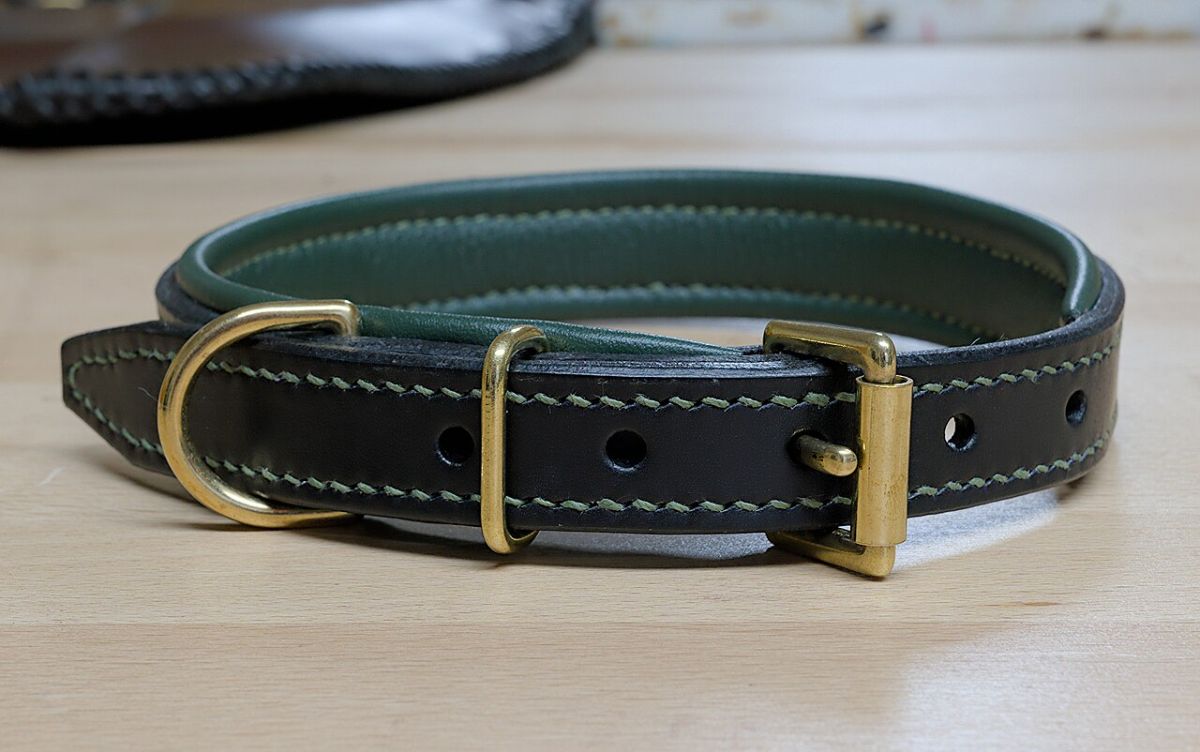
    A dog collar. Our pick: PWOD reflective collar on Amazon.ca. Photo: Trougnouf (Benoit Brummer) (photo), Les cuirs d’Agathe (collar), via Wikimedia Commons, CC BY 4.0

    Quick picks

    These are our picks from Amazon.ca, chosen on design, materials, suitability for a medium-sized spaniel, and the volume and consistency of buyer reviews. We have not lab-tested them ourselves.

    The best collars for cocker spaniels

    1. PWOD Reflective Dog Collar: best everyday

    A padded nylon collar with reflective stitching that catches car headlights, an adjustable buckle and a sturdy D-ring for the ID tag. It is comfortable for all-day wear and inexpensive to replace as your puppy grows.

    • Good for: everyday wear, ID tags
    • Watch for: check the fit regularly in growing puppies

    Check the PWOD Reflective Dog Collar on Amazon.ca →

    2. Novkin LED Dog Collar 2-Pack: best for visibility

    A light-up collar that makes your spaniel easy to spot in a dark field or on a winter evening walk, which is especially reassuring with a cocker that hunts ahead of you. The two-pack lets you keep one charged while the other is in use.

    • Good for: winter walks, early mornings, dogs that range
    • Watch for: rechargeable lights need charging; remove for swimming unless rated waterproof

    Check the Novkin LED Dog Collar 2-Pack on Amazon.ca →

    3. TECEUM Neoprene Padded Collar: best for swimming

    Neoprene-padded collars are soft against the neck, dry quickly and do not hold water or smells the way thick nylon or leather can. A great choice for a cocker that swims most days.

    • Good for: swimmers, sensitive skin, working dogs
    • Watch for: not as hard-wearing as leather over many years

    Check the TECEUM Neoprene Padded Collar on Amazon.ca →

    A dog wearing a collar
    A dog wearing a collar. Our pick: Novkin LED collar on Amazon.ca. Photo: Aciarium, via Wikimedia Commons, CC BY 4.0

    Comparison

    CollarFeatureQuick dryingBest for
    PWODReflective, paddedModerateEveryday wear
    NovkinLED lightModerateDark walks
    TECEUMNeoprene paddingYesSwimming dogs

    How to fit a collar on a cocker spaniel

    Measure around your dog’s neck where the collar will sit and add about 5 cm. Most adult English Cockers need a medium collar with a neck size somewhere around 35 to 45 cm, but check your own dog. The collar should be snug enough that it cannot slip over the head, but loose enough to fit two fingers underneath. Puppies grow fast, so check the fit weekly and loosen it as needed.

    Collar or harness for walking?

    For walking, especially a dog that pulls or one you are training on a long line, a harness is kinder and safer because it spreads the force across the chest. Keep the collar on for ID and use the harness for the lead. Our harness guide explains fitting and loose-lead training.

    Collar safety

    • Take the collar off in the crate, where it could catch on the wire. See our crate guide.
    • Remove the collar when your dog is playing roughly with another dog, as jaws can get caught.
    • Check the skin and hair under the collar weekly. Spaniel neck hair can matt where a collar rubs, especially if it stays wet.
    • Avoid check chains, prong collars and any collar designed to cause discomfort. They are unnecessary with reward-based training.
    • Replace collars that are frayed or have damaged buckles.

    ID tags and microchips

    Your dog’s tag should include your surname, a phone number and your address or postcode, according to local rules. A microchip is a vital back-up, but a finder cannot read it without a scanner, while a tag gives them your number immediately. Keep your microchip details up to date whenever you move or change phone number. Our puppy checklist covers microchipping and registration.

    Collars for puppies

    Start with a light, soft collar as soon as your puppy comes home and let it wear it for short periods with plenty of distraction, such as during meals or play. Most puppies scratch at a collar for the first day or two and then forget about it. Avoid heavy tags and large buckles on a young puppy, and buy cheaply at first because you will go through several sizes.

    Cleaning collars

    Cockers roll in things. Wash nylon and neoprene collars in warm soapy water, rinse well and let them dry completely before putting them back on. Leather collars need wiping down and conditioning to stay supple, and they should be dried slowly away from direct heat after getting wet.

    Frequently asked questions

    What size collar does an English Cocker Spaniel need?

    Most adults need a medium, but measure your dog’s neck and add about 5 cm for comfort.

    Should my cocker wear a collar all the time?

    Wearing a collar with an ID tag when out and about is important. Many owners remove it at home and in the crate.

    Are leather collars good for spaniels?

    Leather is durable and looks smart, but it takes longer to dry and needs care if your dog swims often.

    Can I attach a lead to the collar?

    You can for short, calm walks, but a harness is better for dogs that pull or for long line training.

    Featured photo: Trougnouf (Benoit Brummer), Les cuirs d’Agathe, via Wikimedia Commons, CC BY 4.0

  • The Best Dog Car Seat Cover for Spaniels (2026)

    The Best Dog Car Seat Cover for Spaniels (2026)

    Updated November 2026. English Cocker Spaniel Guide is an independent site, not affiliated with any breed club or kennel club. Some links are affiliate links: as an Amazon Associate we earn from qualifying purchases.

    Spaniels and cars go together. Whether it is a drive to the beach, a day in the field, a trip to the groomer or a weekend away, your English Cocker will spend a lot of time travelling with you, and it will usually be muddy, wet or shedding when it gets in. A good car seat cover protects your upholstery from dirt, hair and claws, and a hammock-style cover also stops your dog sliding into the footwell when you brake.

    Here are the two seat covers we recommend from Amazon.ca, plus the safety basics every spaniel owner should know about travelling with a dog.

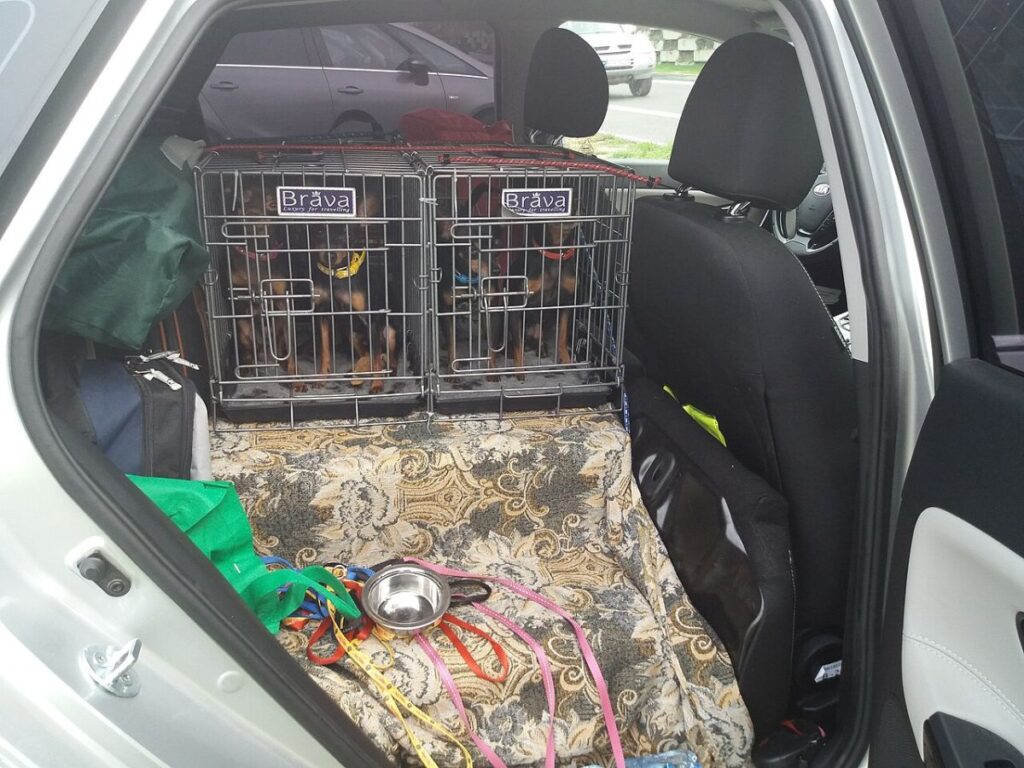
    A dog crate in a car
    A dog crate in a car. Our pick: URPOWER dog car seat cover on Amazon.ca. Photo: Томасина, via Wikimedia Commons, CC BY-SA 4.0

    Quick picks

    These are our picks from Amazon.ca, chosen on design, materials, suitability for a medium-sized spaniel, and the volume and consistency of buyer reviews. We have not lab-tested them ourselves.

    The best car seat covers for spaniels

    1. URPOWER Dog Car Seat Cover: best hammock

    A waterproof hammock cover that clips to the front and rear headrests, creating a sling across the back seat. It keeps mud and hair off the seat and the floor, has openings for seatbelts so you can still use a seatbelt harness, and a non-slip backing that stops it shifting around.

    • Good for: everyday trips, muddy walks, most cars
    • Watch for: check it fits your car’s back seat width before ordering

    Check the URPOWER Dog Car Seat Cover on Amazon.ca →

    2. Portin Dog Car Seat Cover: best heavy-duty

    A thicker, quilted waterproof cover with side flaps that protect the doors and the edge of the seat as your dog jumps in and out. Good for working dogs and owners who travel to fields and beaches every weekend.

    • Good for: working dogs, frequent long trips, SUVs
    • Watch for: heavier to remove and wash than a lightweight cover

    Check the Portin Dog Car Seat Cover on Amazon.ca →

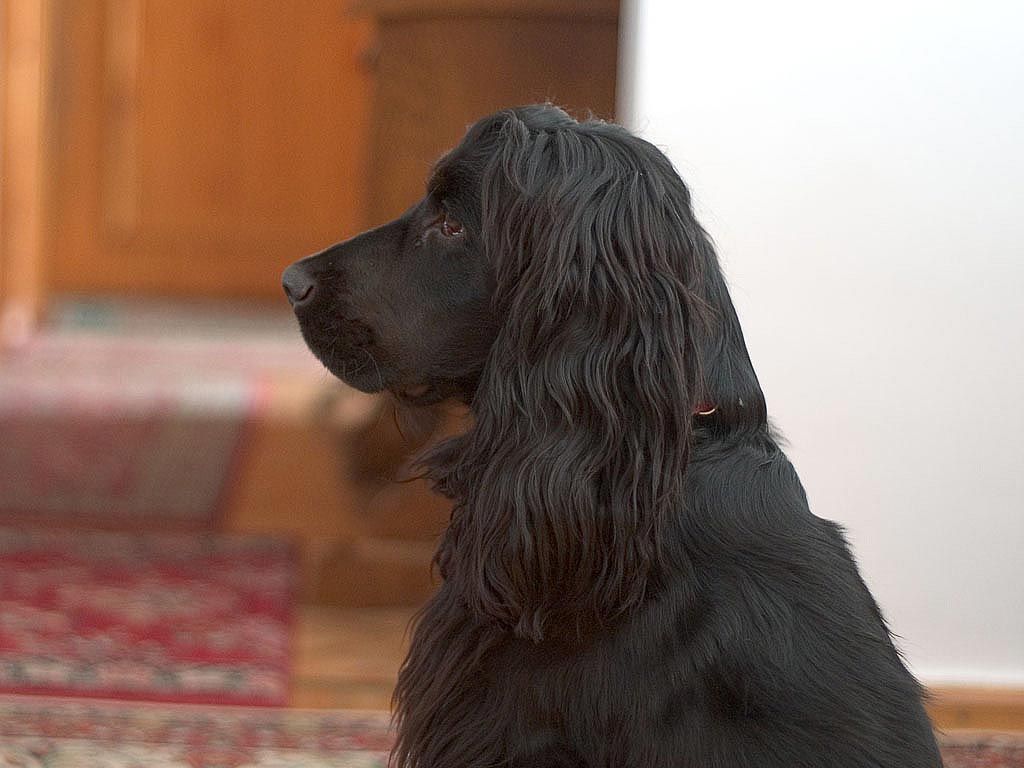
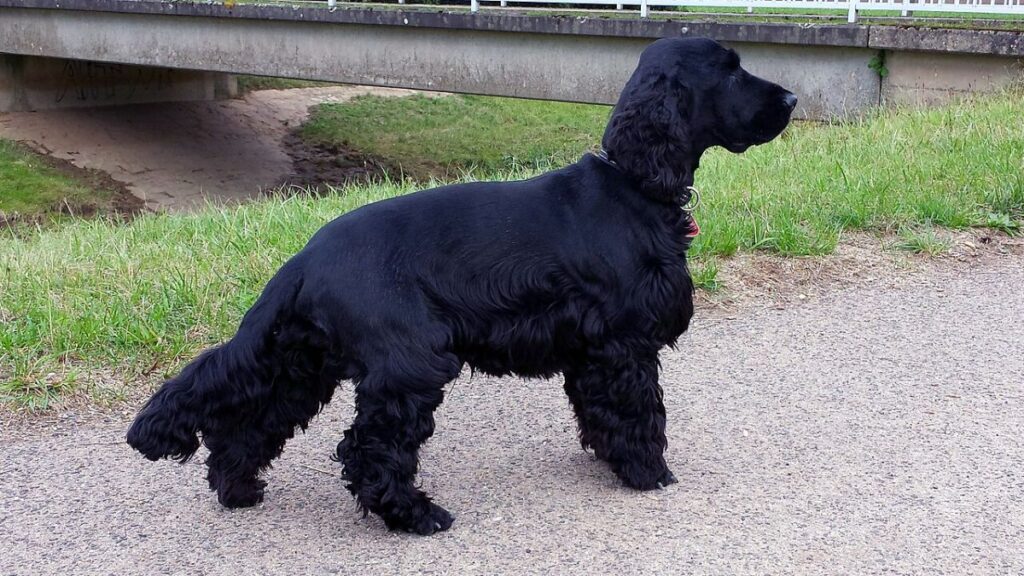
    A black cocker spaniel
    A black cocker spaniel. Our pick: Portin car seat cover on Amazon.ca. Photo: No machine-readable author provided. Akumiszcza assumed (based on copyright clai, via Wikimedia Commons, CC BY 3.0

    Comparison

    CoverStyleWaterproofBest for
    URPOWERHammockYesEveryday use
    PortinQuilted with side flapsYesHeavy use, working dogs

    Travelling safely with your cocker

    A seat cover protects your car, but it does not protect your dog. In a sudden stop, an unrestrained 14 kg spaniel becomes a dangerous projectile, for itself and for you. In many places it is also a legal requirement to keep a dog suitably restrained so it cannot distract the driver. There are three main options:

    • A crash-tested car harness that clips into the seatbelt system. Use it with a hammock cover on the back seat.
    • A secure crate in the boot or back seat, strapped down so it cannot move. Many owners use the same crate at home and in the car; see our crate guide.
    • A dog guard between the boot and the passenger area of an estate car or SUV.

    Never let your dog travel on the front seat, where an airbag can cause serious injury, and never let it travel with its head out of the window.

    Helping a spaniel enjoy the car

    1. Start with short trips to somewhere fun, such as a favourite walk, so the car predicts good things.
    2. Feed a few treats in the car with the engine off.
    3. Avoid feeding a big meal right before a journey if your dog is prone to car sickness.
    4. Keep the car cool and well ventilated, and take breaks on long journeys for water and a toilet stop.
    5. Never leave your dog alone in a parked car on a warm day. Temperatures inside a car rise very quickly, even with the windows open.

    After a muddy walk

    Keep a towel and a drying coat in the car. A quick rub down and a drying coat before your cocker jumps in keeps most of the mud on the towel rather than the seat cover, and means a much less smelly drive home. A bottle of water is also useful for rinsing sandy or muddy feet.

    Cleaning your seat cover

    Shake out loose dirt and hair after each trip and vacuum the cover regularly. Most covers can be machine washed on a gentle, cool cycle and air dried; avoid tumble drying, which can damage the waterproof backing. Having a spare cover makes it easier to keep the car clean when one is in the wash.

    Car sickness in puppies

    Many puppies are travel sick at first and grow out of it as their balance develops and they get used to the car. Short, frequent trips help. If your puppy is sick on every journey, or an adult dog becomes anxious or ill in the car, ask your vet for advice. Medication is available for dogs that really struggle.

    Boot or back seat?

    If you drive an estate car or SUV, the boot behind a dog guard or in a secured crate is often the most practical place for a muddy spaniel, and a boot liner does the same job as a seat cover. In a hatchback or saloon, the back seat with a harness and hammock cover is usually the better choice. Whichever you choose, make sure your dog has enough room to lie down and turn around, good airflow and a non-slip surface so it is not sliding around on every bend.

    Frequently asked questions

    Do I need a car seat cover for my dog?

    Not strictly, but for a spaniel that is often muddy or wet, a waterproof cover saves a lot of cleaning and protects the resale value of your car.

    What is a hammock seat cover?

    It is a cover that clips to the front and rear headrests, making a sling across the back seat that covers the seat and the footwell.

    Can I use a seatbelt harness with a seat cover?

    Yes. Choose a cover with seatbelt openings so you can clip in your dog’s harness.

    Is it safe for my dog to travel loose in the back seat?

    No. Use a crash-tested harness, a secured crate or a dog guard so your dog is restrained in a sudden stop.

    Featured photo: Usernet123u, via Wikimedia Commons, CC BY-SA 4.0

  • The Best Dog Toothbrush and Toothpaste for Spaniels (2026)

    The Best Dog Toothbrush and Toothpaste for Spaniels (2026)

    Updated November 2026. English Cocker Spaniel Guide is an independent site, not affiliated with any breed club or kennel club. Some links are affiliate links: as an Amazon Associate we earn from qualifying purchases.

    Dental disease is one of the most common health problems vets see in dogs, and most dogs show some signs of it by middle age. Plaque hardens into tartar, gums become inflamed and, left untreated, the result can be painful infections, tooth loss and the need for dental work under anaesthetic. The good news is that daily brushing is the single most effective thing you can do at home to prevent it, and English Cockers, with their food motivation, are usually easy to win over.

    Below are the toothbrushes and toothpaste we would choose from Amazon.ca, followed by a step-by-step plan for getting your cocker used to brushing.

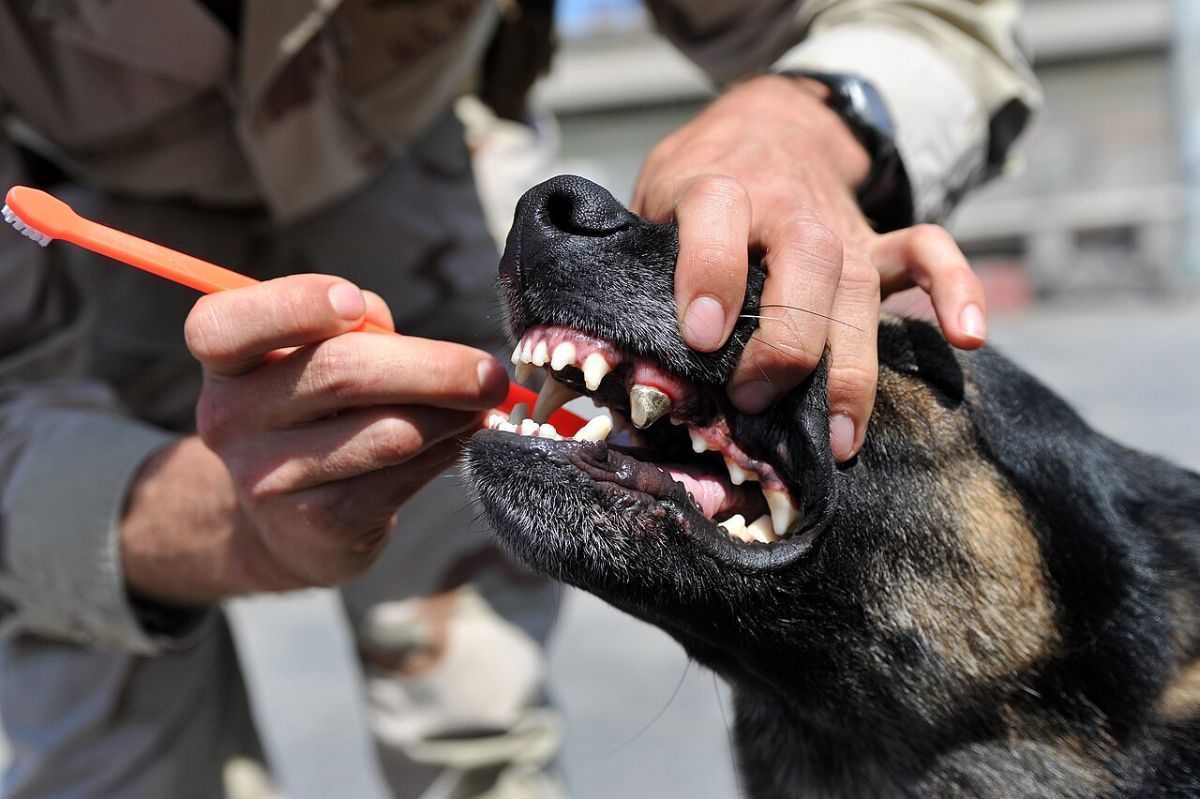
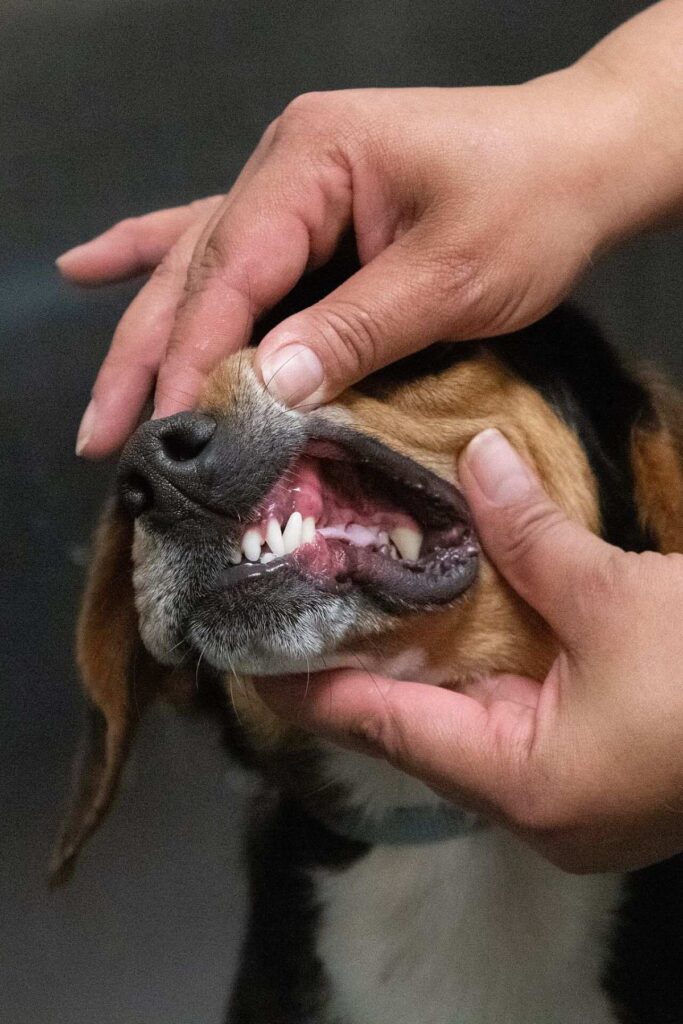
    Checking a dog's teeth
    Checking a dog’s teeth. Our pick: Arm and Hammer dental kit on Amazon.ca. Photo: The U.S. Army

    Sgt. Daniel Stoutamire/2/1 AAB PAO, via Wikimedia Commons, Public domain

    Quick picks

    These are our picks from Amazon.ca, chosen on design, materials, suitability for a medium-sized spaniel, and the volume and consistency of buyer reviews. We have not lab-tested them ourselves.

    The best dog toothbrushes and toothpastes

    1. Arm & Hammer Dog Dental Kit: best starter kit

    A simple kit with a dual-ended brush, a finger brush and an enzymatic dog toothpaste. It gives you everything you need to start, and the finger brush is helpful during the first few weeks while your dog gets used to having its mouth handled.

    • Good for: beginners, puppies, first kit
    • Watch for: toothpaste flavours vary; try another if your dog is not keen

    Check the Arm & Hammer Dog Dental Kit on Amazon.ca →

    2. Bluestem Dog Toothbrush and Toothpaste: best toothbrush set

    A brush and paste set with a soft-bristled, angled brush that reaches the back teeth, where tartar builds up fastest. Bluestem toothpaste is designed for dogs and can be swallowed safely.

    • Good for: daily brushing, reaching the back teeth
    • Watch for: replace the brush when bristles splay

    Check the Bluestem Dog Toothbrush and Toothpaste on Amazon.ca →

    3. Arm & Hammer Complete Care Dog Toothpaste: best toothpaste

    A dog-safe toothpaste that is easy to find and economical for daily brushing. Use a pea-sized amount on the brush. Never use human toothpaste: many contain fluoride levels and sweeteners, including xylitol, that are not safe for dogs.

    • Good for: topping up your kit, daily use
    • Watch for: always use a product made for dogs

    Check the Arm & Hammer Complete Care Dog Toothpaste on Amazon.ca →

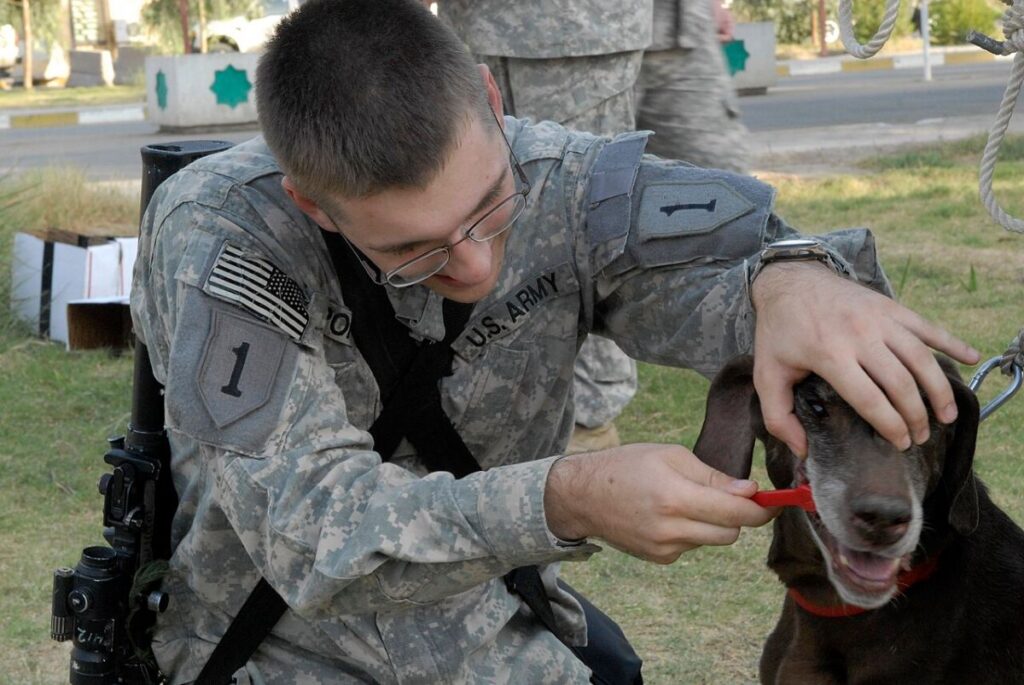
    A dog's teeth
    A dog’s teeth. Our pick: Bluestem toothbrush on Amazon.ca. Photo: USDAgov, via Wikimedia Commons, Public domain

    Comparison

    ProductIncludesBest for
    Arm & Hammer kitBrush, finger brush, pasteStarting out
    Bluestem setAngled brush and pasteDaily brushing
    Arm & Hammer Complete CareToothpasteRefills

    How to brush your cocker’s teeth

    1. Start by gently lifting your dog’s lips and touching its teeth and gums with your finger for a few seconds. Reward.
    2. Put a little toothpaste on your finger and let your dog lick it. Most dogs like the taste.
    3. Rub your finger along the outside of the teeth, then progress to a finger brush.
    4. Move to a toothbrush, held at a 45-degree angle to the gum line, using small circular movements on the outer surfaces. You do not usually need to brush the inside surfaces, as the tongue helps clean them.
    5. Focus on the large back teeth and the canines, where tartar builds up most.
    6. Aim for daily brushing. Even three or four times a week is far better than nothing.

    Signs of dental problems

    • Bad breath that does not go away
    • Yellow or brown tartar on the teeth
    • Red, swollen or bleeding gums
    • Dropping food, chewing on one side or pawing at the mouth
    • Reluctance to eat hard food or to play with toys

    If you notice any of these, book a check-up with your vet. Once tartar has formed, brushing will not remove it, and a professional clean may be needed. Your vet may also check your dog’s teeth at its annual health check; see our health guide for the other checks cockers need.

    Do dental chews work?

    Some dental chews and diets can help reduce plaque, and they are a useful extra, but they are not a substitute for brushing. Look for products that have been independently tested for effectiveness, choose the right size, and count them as part of your dog’s daily calories, because many are surprisingly high in calories. Avoid very hard chews, which can fracture teeth. Our guide to chew toys for spaniels explains which to choose.

    Start early

    The best time to introduce brushing is when your cocker is a puppy, even before all its adult teeth are through. Short, positive sessions teach your puppy that having its mouth handled is normal, which also makes vet examinations easier. If you are bringing home a new puppy, add a dental kit to your puppy checklist.

    Older dogs

    Senior cockers are more likely to have existing dental disease, so ask your vet to check the mouth before you start brushing. If teeth are loose or gums are very sore, brushing will hurt and may need to wait until after treatment. Once the mouth is healthy, daily brushing is just as worthwhile for an older dog.

    Frequently asked questions

    How often should I brush my dog’s teeth?

    Daily is ideal. Plaque begins to harden into tartar within a few days.

    Can I use human toothpaste on my dog?

    No. Human toothpaste is not designed to be swallowed, and some contain xylitol, which is toxic to dogs.

    My dog will not let me brush its teeth. What should I do?

    Go back a step and make each session short and rewarding. Many dogs accept a finger brush before a toothbrush.

    Do English Cocker Spaniels have bad teeth?

    Like many breeds, they can develop dental disease without regular care. Brushing and routine vet checks help prevent it.

    Featured photo: Tech. Sgt. Dawn Price, via Wikimedia Commons, Public domain

  • The Best Dog Nail Grinder for Cocker Spaniels (2026)

    The Best Dog Nail Grinder for Cocker Spaniels (2026)

    Updated November 2026. English Cocker Spaniel Guide is an independent site, not affiliated with any breed club or kennel club. Some links are affiliate links: as an Amazon Associate we earn from qualifying purchases.

    Long nails are one of the most overlooked problems in pet dogs. When a cocker’s nails grow too long, they change the way the foot meets the ground, push the toes out of position and, over time, can contribute to discomfort in the feet and legs. Spaniels that walk mostly on grass and soft paths rarely wear their nails down naturally, so most need a trim every three to four weeks. The dewclaws, which never touch the ground, need checking even more often.

    Many owners find a nail grinder easier and less stressful than clippers, because it removes a little at a time and is less likely to cut the quick. Here are the grinders and clippers we would buy on Amazon.ca, followed by a calm, step-by-step routine.

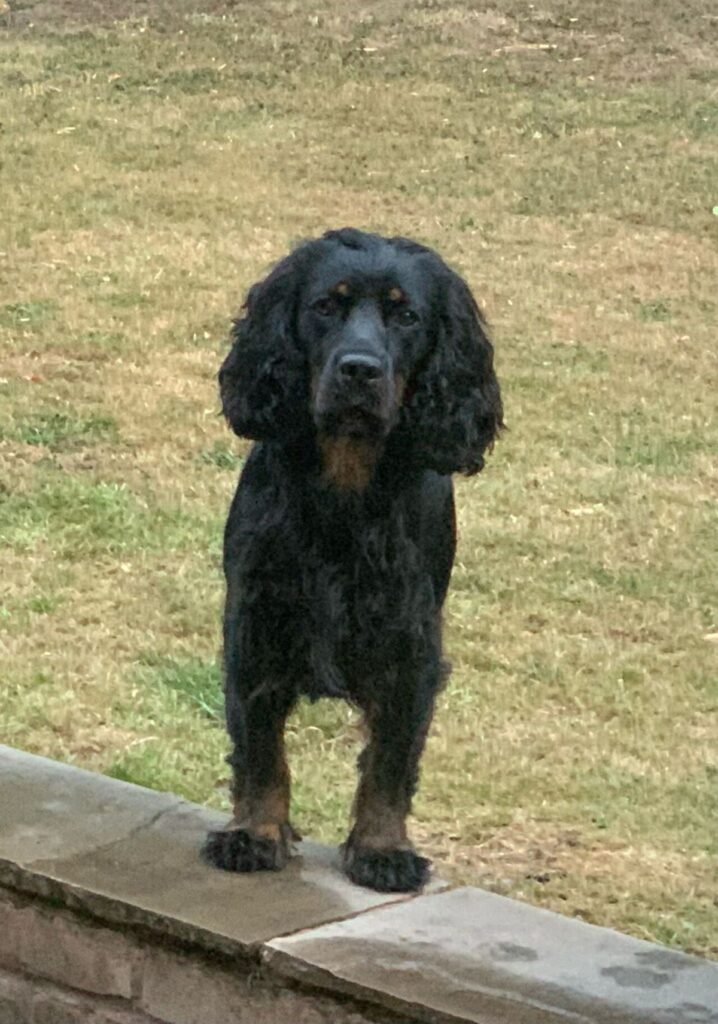
    A black cocker spaniel standing
    A black cocker spaniel standing. Our pick: Dremel PawControl nail grinder on Amazon.ca. Photo: BentaxGermany, via Wikimedia Commons, CC0

    Quick picks

    These are our picks from Amazon.ca, chosen on design, materials, suitability for a medium-sized spaniel, and the volume and consistency of buyer reviews. We have not lab-tested them ourselves.

    The best nail grinders and clippers for cocker spaniels

    1. Dremel PawControl Dog Nail Grinder: best grinder

    Dremel is the name most groomers know, and the PawControl is designed specifically for pets. It has variable speeds, a guard that helps you position the nail, and a built-in light. It is powerful enough to deal with the thick nails of a working cocker without heating up quickly.

    • Good for: confident owners, thick or dark nails, multi-dog homes
    • Watch for: louder than some budget grinders; introduce it gradually

    Check the Dremel PawControl Dog Nail Grinder on Amazon.ca →

    2. IREDOON Dog Nail Grinder: best quiet grinder

    A rechargeable grinder with a quieter motor and a low-vibration design, which makes a real difference with noise-sensitive spaniels. It has several speed settings and multiple ports for different nail sizes.

    • Good for: nervous dogs, puppies, first-time owners
    • Watch for: gentler motors take longer on very thick nails

    Check the IREDOON Dog Nail Grinder on Amazon.ca →

    3. Candure Dog Nail Clippers: best clippers

    A sturdy pair of scissor-style clippers with a safety guard and comfortable handles. Some owners like to clip first to take off length, then finish with a grinder for smooth edges. Clippers are also quick for dewclaws.

    • Good for: quick trims, dewclaws, combined with a grinder
    • Watch for: keep the blades sharp; blunt clippers crush rather than cut

    Check the Candure Dog Nail Clippers on Amazon.ca →

    A black cocker spaniel
    A black cocker spaniel. Our pick: IREDOON nail grinder on Amazon.ca. Photo: Praseodymium-141, via Wikimedia Commons, CC BY-SA 4.0

    Comparison

    ToolTypeNoiseBest for
    Dremel PawControlGrinderModerateThick nails, regular use
    IREDOONGrinderQuietNervous dogs, puppies
    CandureClippersSilentQuick trims, dewclaws

    How to grind your cocker’s nails

    1. Get your dog used to the grinder first: show it, switch it on at a distance, and reward calm behaviour, over several short sessions.
    2. Hold the paw gently but firmly and part the hair around the nail. On a spaniel, the feathering between the toes can catch in a grinder, so push it back or trim it first.
    3. Touch the grinder to the tip of the nail for a second or two at a time, then move to the next nail. Never hold it in one place long enough to get warm.
    4. Work around the nail to round off the tip. On light nails you will see a pink quick; on dark nails, stop when you see a dark dot in the centre of the cut surface.
    5. Do not forget the dewclaws on the inside of the front legs.
    6. Reward generously throughout. A lick mat spread with something tasty is a great distraction.

    How short should a cocker’s nails be?

    When your dog stands on a hard floor, the nails should not touch the ground or click as it walks. If you can hear your cocker coming across the kitchen, the nails are too long. The quick, which contains the blood vessel, grows longer as the nail grows, so regular, small trims gradually let the quick recede and make it easier to keep nails short.

    Trimming the feet

    English Cockers grow a lot of hair between the pads and around the toes. Left long, it collects mud, ice balls and grass seeds and makes the feet look like slippers. Trim the hair level with the pads using a pair of curved or straight scissors, then neaten around the edge of the foot. Our guide to grooming scissors covers the technique, and our grooming guide explains the full routine.

    If you cut the quick

    It happens to everyone eventually. Stay calm, apply styptic powder or a little cornflour to the end of the nail and hold gentle pressure for a minute or two. The bleeding usually stops quickly. Finish the session on something easy and pleasant so your dog does not learn to fear nail trims. If bleeding does not stop after several minutes, contact your vet.

    Frequently asked questions

    Is a nail grinder better than clippers?

    Grinders are less likely to cut the quick and leave smoother edges, but they are slower and noisier. Many owners use both.

    How often should I trim my cocker spaniel’s nails?

    Every three to four weeks for most pet dogs, more often if they walk mainly on soft ground.

    Do I need to trim dewclaws?

    Yes. Dewclaws do not wear down at all and can grow round into the leg if left.

    My dog hates having its nails done. What can I do?

    Go back to basics with short, positive sessions, one nail at a time, and lots of rewards. If your dog is very distressed, ask your groomer or vet for help.

    Featured photo: Canarian, via Wikimedia Commons, CC BY-SA 3.0

  • The Best Dog Drying Coat for Spaniels (2026)

    The Best Dog Drying Coat for Spaniels (2026)

    Updated November 2026. English Cocker Spaniel Guide is an independent site, not affiliated with any breed club or kennel club. Some links are affiliate links: as an Amazon Associate we earn from qualifying purchases.

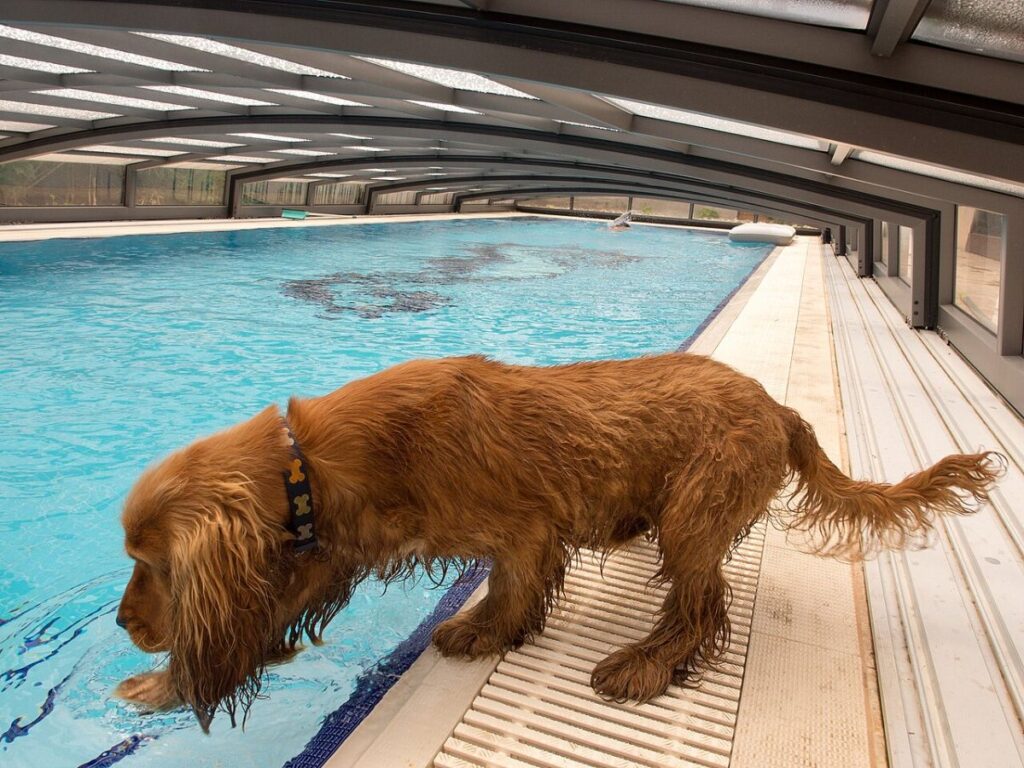
    If you own an English Cocker Spaniel, you own a wet dog. Cockers seek out puddles, ponds, streams and long, dewy grass, and their dense, feathered coat holds a surprising amount of water. A soaking spaniel in the car or on the sofa is no fun, and a coat that stays damp for hours can lead to smells, matts in the feathering and, in the ears, a higher risk of infection.

    A drying coat or a highly absorbent towel solves most of this. A drying coat is a robe made from microfibre or towelling that wraps around your dog’s body and soaks up water while it settles down after a walk. Here are the two we would buy on Amazon.ca, plus a routine for drying a cocker properly.

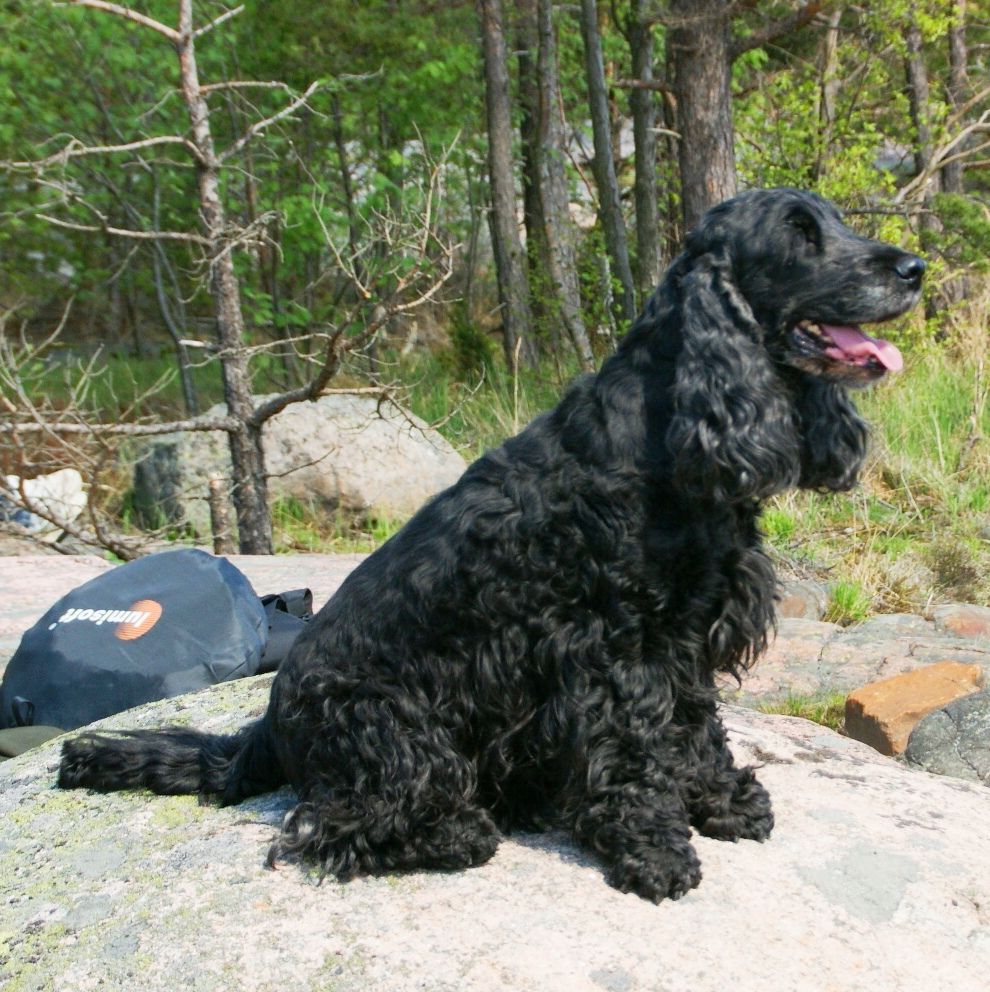
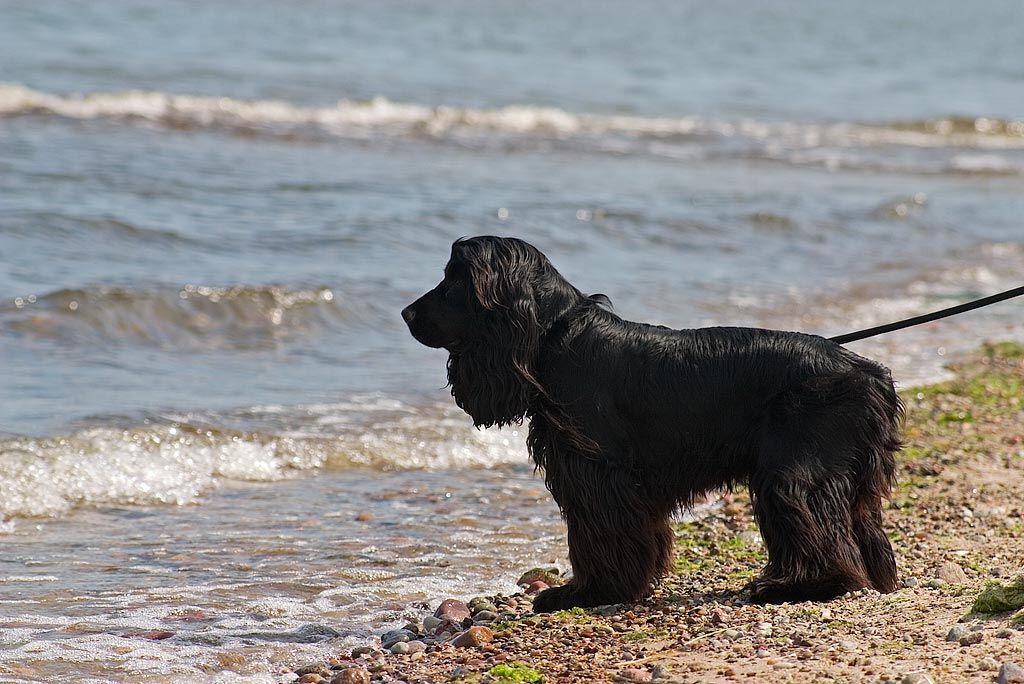
    A black cocker spaniel on the beach
    A black cocker spaniel on the beach. Our pick: HhiMyOct drying coat on Amazon.ca. Photo: No machine-readable author provided. Akumiszcza assumed (based on copyright clai, via Wikimedia Commons, CC BY 3.0

    Quick picks

    These are our picks from Amazon.ca, chosen on design, materials, suitability for a medium-sized spaniel, and the volume and consistency of buyer reviews. We have not lab-tested them ourselves.

    The best drying coats and towels for spaniels

    1. HhiMyOct Dog Drying Coat: best drying coat

    A soft microfibre robe that covers the back, chest and belly and fastens with adjustable straps, so it stays in place while your dog moves around. It wicks water from the coat far faster than air drying, keeps the car seat cleaner on the way home and stops a wet dog getting chilled in winter. Hood-style designs also help dry the head and ears.

    • Good for: after walks, swimming dogs, car journeys
    • Watch for: check the size chart against your dog’s back length; feathering on the legs still needs a towel

    Check the HhiMyOct Dog Drying Coat on Amazon.ca →

    2. KinHwa Microfibre Dog Towel: best drying towel

    A thick, absorbent microfibre towel with hand pockets at each end, so you can rub your dog down quickly without the towel slipping. It holds much more water than a bath towel and dries quickly between uses. Keep one in the car and one by the back door.

    • Good for: legs, feet and ears, bath time, the car
    • Watch for: wash regularly to keep it absorbent; avoid fabric softener, which reduces absorbency

    Check the KinHwa Microfibre Dog Towel on Amazon.ca →

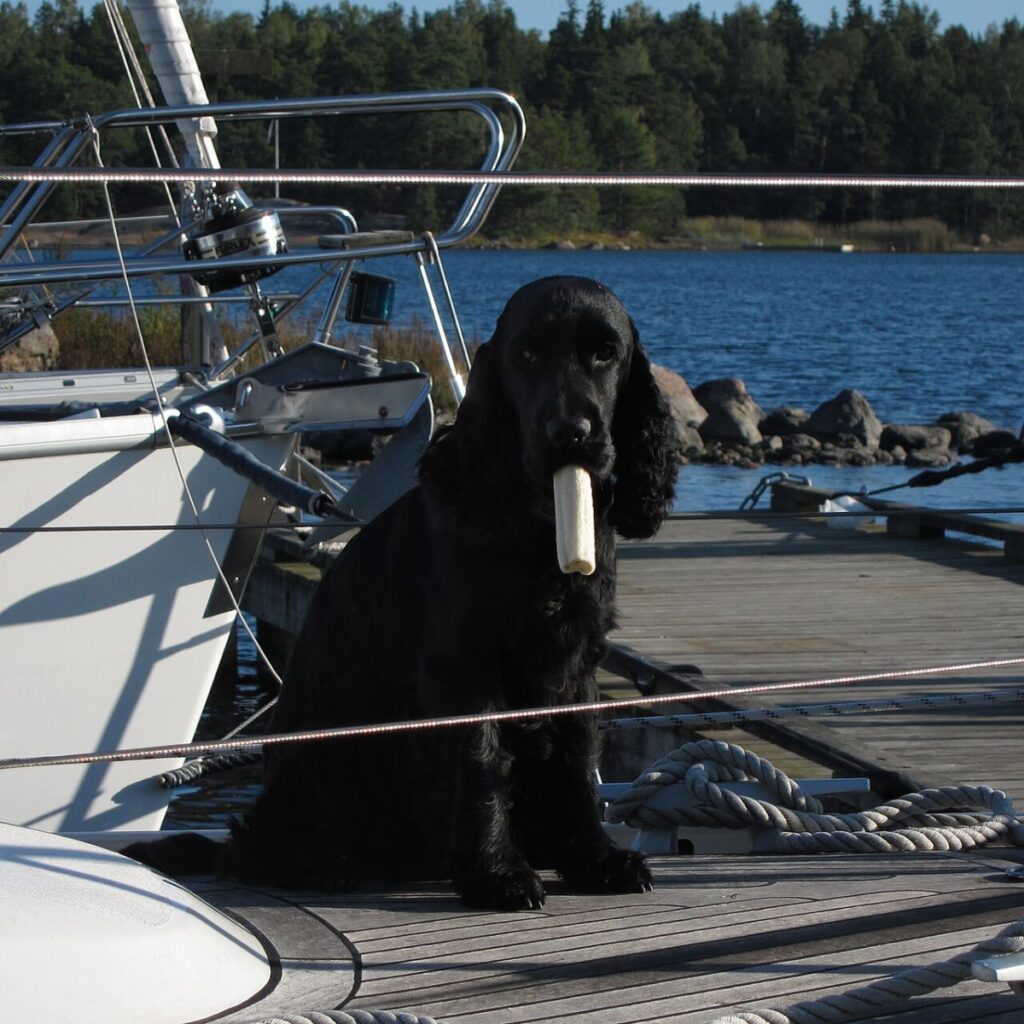
    A black cocker spaniel on a boat
    A black cocker spaniel on a boat. Our pick: KinHwa microfibre towel on Amazon.ca. Photo: Jukka from HELSINKI, Finland, via Wikimedia Commons, CC BY 2.0

    Comparison

    ProductTypeBest forHands-free?
    HhiMyOctDrying coatBody and back after walksYes
    KinHwaMicrofibre towelLegs, feet, ears and bathsNo

    How to dry an English Cocker after a wet walk

    1. Squeeze excess water out of the ears and leg feathering with your hands.
    2. Rub your dog down with a microfibre towel, paying attention to the feet, armpits and belly.
    3. Put on the drying coat for the journey home or while your dog rests.
    4. Once your dog is mostly dry, brush through the coat. A good slicker brush lifts dirt that has dried in the feathering.
    5. Check the ears. If they are still damp inside, follow the routine in our ear care guide.

    Drying after a bath

    After a bath, towel dry thoroughly, then finish with a dog dryer or a hairdryer on a cool or low setting held well away from the skin. Brush in the direction of hair growth as you dry to keep the coat flat and avoid it drying wavy. Never put a damp dog in a crate with a wet bed or leave it to air dry in a cold room. A drying coat can help in between, but a full blow dry gives a much better finish on a show coat. Our shampoo guide explains the full bathing routine.

    Why drying matters for spaniels

    • Ear health: Warm, damp ears under heavy leathers are a breeding ground for yeast and bacteria.
    • Coat condition: Wet feathering tangles and matts as it dries, especially behind the ears and in the armpits.
    • Smell: A coat that stays damp develops the classic wet-dog smell and can transfer it to bedding and furniture.
    • Warmth: Older dogs and puppies can get cold quickly when wet, particularly in winter.

    Choosing the right size drying coat

    Measure your dog’s back from the base of the neck to the base of the tail, and the widest part of the chest. Most English Cockers fall into a medium size, but working cockers are often a little smaller and may need a small or a small-medium. A coat that is too long will trip your dog and drag in the mud; one that is too short will not cover the belly, where a lot of water collects.

    Looking after drying coats and towels

    Shake off mud and hair after each use and hang the coat to dry. Wash microfibre regularly at a low temperature without fabric softener, which clogs the fibres and reduces absorbency. Having two of each means one can be in the wash while the other is in use, which is helpful in a wet spring or autumn when your cocker may be soaked every day.

    Frequently asked questions

    Do cocker spaniels need a drying coat?

    Not strictly, but a drying coat makes life much easier for owners of spaniels that swim or walk in wet countryside, and it helps keep ears and coats healthy.

    Can my dog wear a drying coat in the car?

    Yes, it is one of the best uses for it. It keeps the seat cleaner and helps your dog dry on the way home. Combine it with a car seat cover.

    How long should a dog wear a drying coat?

    Usually 20 to 40 minutes is enough. Take it off once your dog is mostly dry and brush through the coat.

    Is microfibre better than a cotton towel?

    Microfibre absorbs more water and dries faster, so it is better for dogs with thick coats like spaniels.

    Featured photo: judy dean from Cotswolds, United Kingdom, via Wikimedia Commons, CC BY-SA 2.0
  • The Best Chew Toys for Spaniels (2026)

    The Best Chew Toys for Spaniels (2026)

    Updated November 2026. English Cocker Spaniel Guide is an independent site, not affiliated with any breed club or kennel club. Some links are affiliate links: as an Amazon Associate we earn from qualifying purchases.

    Spaniels are gundogs, bred to carry things in their mouths, and most English Cockers love to hold, carry and chew. A puppy going through teething will chew almost anything it can reach, and many adult cockers chew to relax or when they are bored. Giving your dog safe, durable things to chew protects your shoes and furniture, and it satisfies a genuine need rather than fighting it.

    Below are the chew and play toys we would buy from Amazon.ca for a cocker, followed by a guide to choosing safe chews and what to avoid.

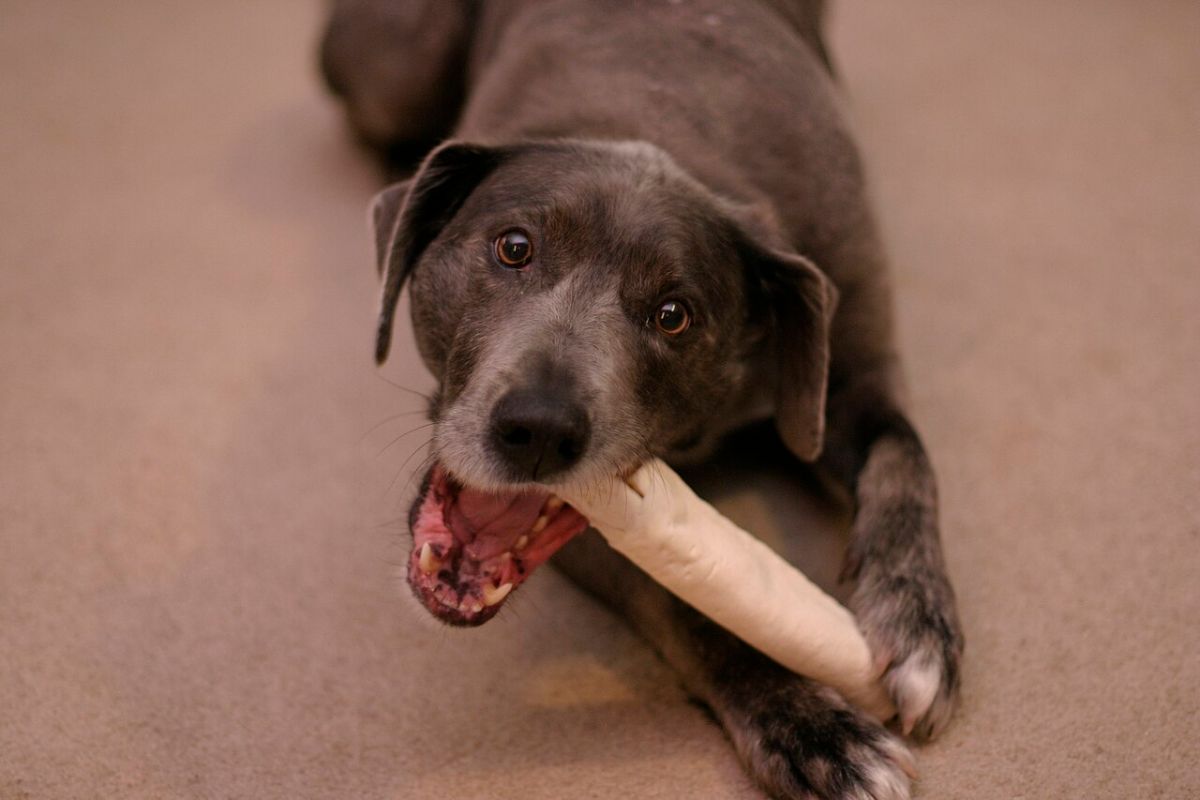
    A dog with a chew toy
    A dog with a chew toy. Our pick: Benebone chew toys on Amazon.ca. Photo: Phlashphoenixluvr17, via Wikimedia Commons, CC BY-SA 4.0

    Quick picks

    These are our picks from Amazon.ca, chosen on design, materials, suitability for a medium-sized spaniel, and the volume and consistency of buyer reviews. We have not lab-tested them ourselves.

    The best chew toys for spaniels

    1. Benebone Chew Toy 4-Pack: best long-lasting

    Benebone chews are made from tough nylon with real flavour baked in, and their curved shape lets a dog hold the chew between its paws at an angle that is comfortable for a medium-sized dog. A multi-pack gives you different shapes to rotate so your cocker does not get bored.

    • Good for: adult dogs that chew a lot, settling time
    • Watch for: choose the right size for your dog and replace the chew when it becomes worn or sharp; not ideal for very young puppies

    Check the Benebone Chew Toy 4-Pack on Amazon.ca →

    2. KONG Classic: best stuffable

    The KONG is the most useful toy a spaniel owner can have. Its hollow rubber shape can be stuffed with kibble, wet food or a little dog-safe peanut butter, then frozen to last longer. It keeps a puppy busy in its crate, helps adult dogs settle when left alone, and bounces unpredictably for games.

    • Good for: crate time, alone time, puppies and adults
    • Watch for: buy the right size so it cannot be swallowed; medium suits most cockers

    Check the KONG Classic on Amazon.ca →

    3. Chuckit! Ball: best fetch toy

    Retrieving is in a cocker’s blood. Chuckit! balls are made from tough rubber, float in water and are a safer size and shape than tennis balls, whose fuzzy covers can wear down teeth. They are perfect for beach and field games.

    • Good for: fetch, swimming, retrieving games
    • Watch for: use a ball for play, not as an unsupervised chew; limit repetitive ball-chasing in young dogs

    Check the Chuckit! Ball on Amazon.ca →

    A dog with a toy ball
    A dog with a toy ball. Our pick: KONG Classic on Amazon.ca. Photo: Funkiestfarter, via Wikimedia Commons, CC BY-SA 4.0

    Comparison

    ToyUseDurabilityBest for
    BeneboneChewHighStrong adult chewers
    KONG ClassicStuff and chewHighPuppies, alone time
    Chuckit! ballFetchMediumRetrieving, swimming

    Choosing a safe chew for a cocker

    • Size: The chew should be too big to swallow whole, and longer than your dog’s mouth is wide.
    • Hardness: A good test is whether you can press a fingernail into it. Very hard items such as antlers, hooves and cooked bones can crack teeth.
    • Condition: Throw away any chew that has broken into pieces, become small enough to swallow or developed sharp edges.
    • Supervision: Watch your dog with any new chew until you know how it uses it.

    Chewing and teething puppies

    Cocker puppies teethe from around three to six months old, and their gums can be sore. Softer rubber toys, a frozen KONG or a cold, damp knotted cloth can help. Puppy teeth and jaws are not ready for very hard nylon chews. Redirect your puppy from furniture or hands to a toy every time, and praise it for chewing the right thing. Our puppy checklist covers everything else you need for the first weeks.

    Chews to avoid

    Avoid cooked bones of any kind, which can splinter, and be cautious with rawhide, which can swell and cause blockages if swallowed in large pieces. Very hard chews such as antlers and some compressed bones are a common cause of broken teeth in dogs. Tennis balls are fine for supervised play but are not designed as chews. If your cocker swallows something it should not have, or seems to be in pain, contact your vet straight away.

    Chewing as an outlet for boredom

    A cocker that suddenly starts chewing furniture is often telling you it needs more to do. Make sure it is getting enough exercise, add some puzzle toys and scent games, and offer a stuffed KONG or chew at times when it is most likely to look for trouble, such as when you are working or cooking. Rotating toys so that a different selection comes out each day also keeps them interesting.

    Cleaning toys

    Rubber toys like KONGs should be washed after every use with food, with a bottle brush to reach inside. Most can go in the top rack of a dishwasher. Rinse fetch toys after a day at the beach or in a pond. Nylon chews can be scrubbed with warm soapy water.

    Frequently asked questions

    What are the safest chew toys for cocker spaniels?

    Durable rubber toys such as a KONG, and appropriately sized nylon chews that are replaced when worn, are a good starting point. Always supervise.

    How do I stop my cocker chewing furniture?

    Provide plenty of appropriate chews, manage the environment while your dog is young, and increase exercise and mental stimulation.

    Are tennis balls bad for dogs?

    Tennis balls are fine for supervised fetch, but their felt is abrasive and can wear teeth if a dog chews them for long periods.

    What size KONG does an English Cocker need?

    A medium suits most adults. Puppies may start with a puppy KONG in a small or medium size.

    Featured photo: Shane Adams, via Wikimedia Commons, CC BY 2.0

  • The Best Dog Puzzle Toys for Spaniels (2026)

    The Best Dog Puzzle Toys for Spaniels (2026)

    Updated November 2026. English Cocker Spaniel Guide is an independent site, not affiliated with any breed club or kennel club. Some links are affiliate links: as an Amazon Associate we earn from qualifying purchases.

    English Cocker Spaniels are clever, busy dogs with a nose that never switches off. Physical exercise matters, but mental work tires a spaniel out just as effectively, and on a rainy day, after surgery or when you simply cannot get out for a long walk, a puzzle toy can be the difference between a calm dog and one that redecorates the kitchen. Feeding part of a meal from a puzzle also slows down cockers that gulp their food.

    Here are three puzzle and enrichment toys from Amazon.ca that suit a spaniel, from a beginner treat dispenser to a lick mat that helps anxious dogs settle, plus ideas for home-made nose games.

    A dog puzzle feeder
    A dog puzzle feeder. Our pick: Amazon Basics puzzle toy on Amazon.ca. Photo: ELTORO.VET, via Wikimedia Commons, CC0

    Quick picks

    These are our picks from Amazon.ca, chosen on design, materials, suitability for a medium-sized spaniel, and the volume and consistency of buyer reviews. We have not lab-tested them ourselves.

    The best puzzle toys for spaniels

    1. Amazon Basics Treat Dispenser Puzzle: best for beginners

    A simple sliding and lifting puzzle where your dog uncovers treats hidden under lids and compartments. It is a good first puzzle because most dogs solve it quickly, which builds confidence and teaches them that pushing and nosing at a puzzle pays off.

    • Good for: first puzzle, puppies, older dogs
    • Watch for: supervise use; a determined chewer may try to eat the lids

    Check the Amazon Basics Treat Dispenser Puzzle on Amazon.ca →

    2. FOXMM Interactive Dog Puzzle: best step-up

    Once your cocker has worked out the basics, a puzzle with more moving parts keeps the challenge going. This interactive board combines sliders, flaps and spinners, so your dog has to use different movements to reach each reward.

    • Good for: clever dogs, rainy days, mental stimulation
    • Watch for: pick up the puzzle after use so it does not become a chew toy

    Check the FOXMM Interactive Dog Puzzle on Amazon.ca →

    3. LICKIMAT: best calming

    A flexible mat with a textured surface you spread with wet food, plain yoghurt or a smear of dog-safe peanut butter. Licking is naturally calming for dogs, so a lick mat is useful during grooming, nail trims, thunderstorms or when you leave the house. You can freeze it to make it last longer.

    • Good for: anxious dogs, grooming sessions, hot days
    • Watch for: not a chew toy; take it away when the food is finished

    Check the LICKIMAT on Amazon.ca →

    A golden cocker spaniel
    A golden cocker spaniel. Our pick: LICKIMAT on Amazon.ca. Photo: G.dallorto, via Wikimedia Commons, Attribution

    Comparison

    ToyDifficultyBest forDishwasher-friendly?
    Amazon Basics puzzleEasyBeginnersCheck listing
    FOXMM puzzleMediumExperienced dogsCheck listing
    LICKIMATEasyCalming, groomingYes, top rack for most

    Why spaniels need mental work

    Cockers were bred to hunt all day, searching for game by scent and working closely with a handler. A pet spaniel still has that drive, and if it is not given something to do with it, it will find its own entertainment. Ten minutes of puzzle or scent work can tire a cocker as much as a much longer walk. Combine it with the physical exercise in our exercise guide for a calmer, happier dog.

    How to introduce a puzzle toy

    1. Start with the easiest setting and let your dog watch you load the treats.
    2. Leave some lids open so the first few rewards are easy.
    3. Praise and encourage, but do not solve the puzzle for your dog.
    4. Increase the difficulty only when your dog finishes the puzzle quickly and confidently.
    5. Always supervise, and put puzzles away after use.

    Home-made nose games

    • Find it: Ask your dog to wait, hide a treat in the next room, then send it to search. Make the hides harder over time.
    • Snuffle box: Scatter kibble in a cardboard box full of scrunched paper and let your dog forage.
    • Towel roll: Roll treats inside an old towel and let your dog unroll it.
    • Scatter feeding: Throw part of a meal onto the lawn and let your cocker hunt for it. This is ideal for dogs that eat too fast.

    Scent games tap straight into what spaniels love doing most and are a gentle introduction to field and gundog-style work.

    Using food from the daily allowance

    Puzzles are a great way to make food last longer, but the calories still count. Use part of your dog’s normal meal in the puzzle rather than adding extra treats, and adjust portions if you use high-calorie fillings in a lick mat. English Cockers put on weight easily, and our feeding guide explains how to keep them lean.

    Puzzles for older dogs

    Mental games are especially useful as your cocker slows down. Older spaniels may not manage long walks, but they still need something to think about, and gentle puzzles and scent games help keep their minds sharp. See our guide to the senior English Cocker for more ideas.

    Signs your spaniel needs more mental stimulation

    A bored cocker usually tells you. Common signs include chewing furniture or shoes, digging, barking at nothing, stealing items and racing around the house in the evening. These behaviours are often put down to a lack of walks, but many spaniels that get plenty of physical exercise still need more for their brains to do. If you see them, try adding two short puzzle or scent sessions a day for a week and see whether your dog settles more easily.

    Frequently asked questions

    Are puzzle toys good for cocker spaniels?

    Yes. Cockers are intelligent, scent-driven dogs and puzzle toys give them a satisfying job to do indoors.

    How long should a dog play with a puzzle?

    Ten to fifteen minutes is plenty for most dogs. Stop while your dog is still enjoying it.

    Can a puppy use a puzzle toy?

    Yes, start with very easy puzzles and lick mats, and always supervise so your puppy does not chew the pieces.

    What can I put on a lick mat?

    Wet dog food, plain yoghurt, mashed banana or a little dog-safe peanut butter without xylitol. Freeze it for a longer-lasting challenge.

    Featured photo: ELTORO.VET, via Wikimedia Commons, CC0