Category: Training

Training an English Cocker Spaniel: recall, house training, loose-lead walking, exercise and gundog field work, using kind, reward-based methods.

  • The Best Dog Puzzle Toys for Spaniels (2026)

    The Best Dog Puzzle Toys for Spaniels (2026)

    Updated November 2026. English Cocker Spaniel Guide is an independent site, not affiliated with any breed club or kennel club. Some links are affiliate links: as an Amazon Associate we earn from qualifying purchases.

    English Cocker Spaniels are clever, busy dogs with a nose that never switches off. Physical exercise matters, but mental work tires a spaniel out just as effectively, and on a rainy day, after surgery or when you simply cannot get out for a long walk, a puzzle toy can be the difference between a calm dog and one that redecorates the kitchen. Feeding part of a meal from a puzzle also slows down cockers that gulp their food.

    Here are three puzzle and enrichment toys from Amazon.ca that suit a spaniel, from a beginner treat dispenser to a lick mat that helps anxious dogs settle, plus ideas for home-made nose games.

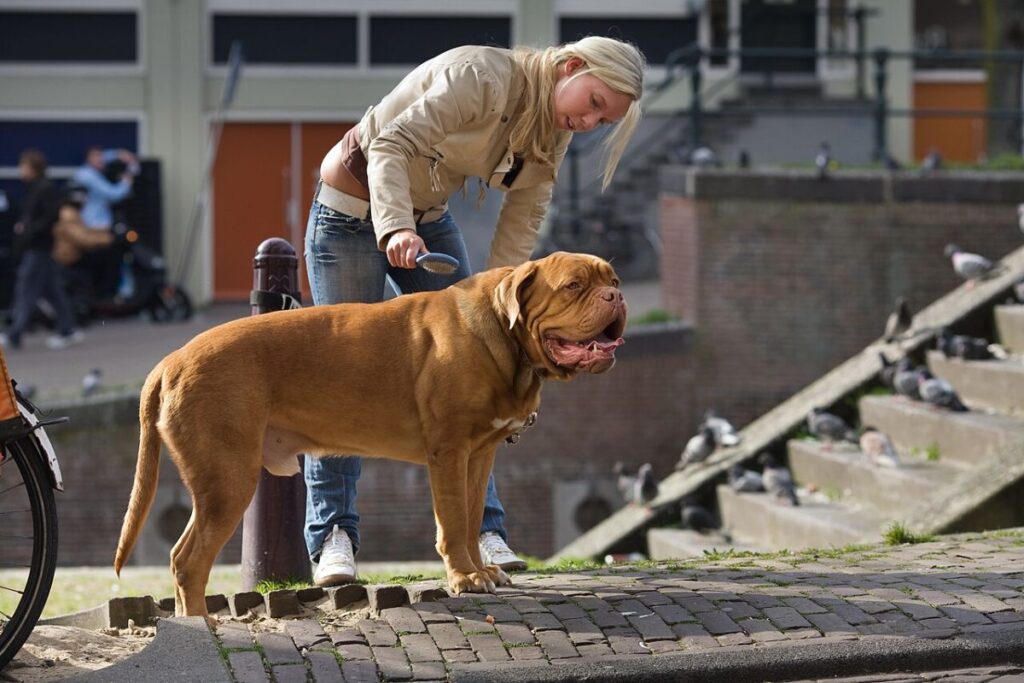
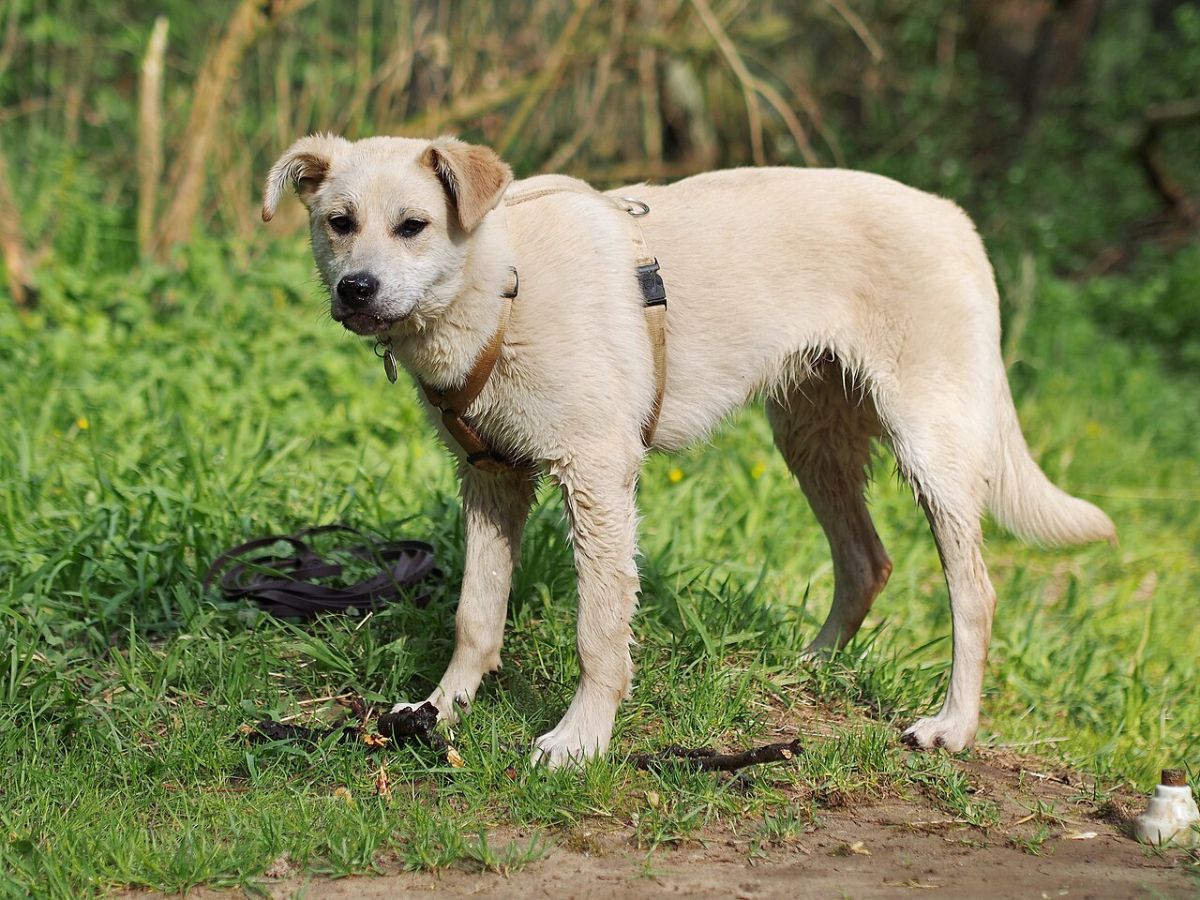
    A dog puzzle feeder
    A dog puzzle feeder. Our pick: Amazon Basics puzzle toy on Amazon.ca. Photo: ELTORO.VET, via Wikimedia Commons, CC0

    Quick picks

    These are our picks from Amazon.ca, chosen on design, materials, suitability for a medium-sized spaniel, and the volume and consistency of buyer reviews. We have not lab-tested them ourselves.

    The best puzzle toys for spaniels

    1. Amazon Basics Treat Dispenser Puzzle: best for beginners

    A simple sliding and lifting puzzle where your dog uncovers treats hidden under lids and compartments. It is a good first puzzle because most dogs solve it quickly, which builds confidence and teaches them that pushing and nosing at a puzzle pays off.

    • Good for: first puzzle, puppies, older dogs
    • Watch for: supervise use; a determined chewer may try to eat the lids

    Check the Amazon Basics Treat Dispenser Puzzle on Amazon.ca →

    2. FOXMM Interactive Dog Puzzle: best step-up

    Once your cocker has worked out the basics, a puzzle with more moving parts keeps the challenge going. This interactive board combines sliders, flaps and spinners, so your dog has to use different movements to reach each reward.

    • Good for: clever dogs, rainy days, mental stimulation
    • Watch for: pick up the puzzle after use so it does not become a chew toy

    Check the FOXMM Interactive Dog Puzzle on Amazon.ca →

    3. LICKIMAT: best calming

    A flexible mat with a textured surface you spread with wet food, plain yoghurt or a smear of dog-safe peanut butter. Licking is naturally calming for dogs, so a lick mat is useful during grooming, nail trims, thunderstorms or when you leave the house. You can freeze it to make it last longer.

    • Good for: anxious dogs, grooming sessions, hot days
    • Watch for: not a chew toy; take it away when the food is finished

    Check the LICKIMAT on Amazon.ca →
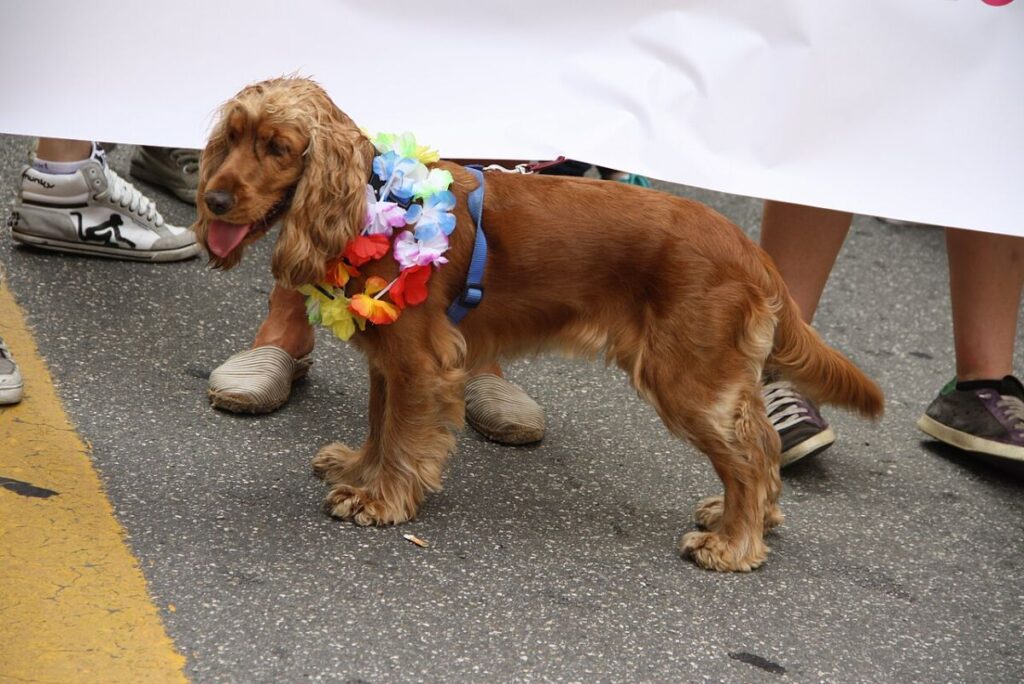
    A golden cocker spaniel
    A golden cocker spaniel. Our pick: LICKIMAT on Amazon.ca. Photo: G.dallorto, via Wikimedia Commons, Attribution

    Comparison

    ToyDifficultyBest forDishwasher-friendly?
    Amazon Basics puzzleEasyBeginnersCheck listing
    FOXMM puzzleMediumExperienced dogsCheck listing
    LICKIMATEasyCalming, groomingYes, top rack for most

    Why spaniels need mental work

    Cockers were bred to hunt all day, searching for game by scent and working closely with a handler. A pet spaniel still has that drive, and if it is not given something to do with it, it will find its own entertainment. Ten minutes of puzzle or scent work can tire a cocker as much as a much longer walk. Combine it with the physical exercise in our exercise guide for a calmer, happier dog.

    How to introduce a puzzle toy

    1. Start with the easiest setting and let your dog watch you load the treats.
    2. Leave some lids open so the first few rewards are easy.
    3. Praise and encourage, but do not solve the puzzle for your dog.
    4. Increase the difficulty only when your dog finishes the puzzle quickly and confidently.
    5. Always supervise, and put puzzles away after use.

    Home-made nose games

    • Find it: Ask your dog to wait, hide a treat in the next room, then send it to search. Make the hides harder over time.
    • Snuffle box: Scatter kibble in a cardboard box full of scrunched paper and let your dog forage.
    • Towel roll: Roll treats inside an old towel and let your dog unroll it.
    • Scatter feeding: Throw part of a meal onto the lawn and let your cocker hunt for it. This is ideal for dogs that eat too fast.

    Scent games tap straight into what spaniels love doing most and are a gentle introduction to field and gundog-style work.

    Using food from the daily allowance

    Puzzles are a great way to make food last longer, but the calories still count. Use part of your dog’s normal meal in the puzzle rather than adding extra treats, and adjust portions if you use high-calorie fillings in a lick mat. English Cockers put on weight easily, and our feeding guide explains how to keep them lean.

    Puzzles for older dogs

    Mental games are especially useful as your cocker slows down. Older spaniels may not manage long walks, but they still need something to think about, and gentle puzzles and scent games help keep their minds sharp. See our guide to the senior English Cocker for more ideas.

    Signs your spaniel needs more mental stimulation

    A bored cocker usually tells you. Common signs include chewing furniture or shoes, digging, barking at nothing, stealing items and racing around the house in the evening. These behaviours are often put down to a lack of walks, but many spaniels that get plenty of physical exercise still need more for their brains to do. If you see them, try adding two short puzzle or scent sessions a day for a week and see whether your dog settles more easily.

    Frequently asked questions

    Are puzzle toys good for cocker spaniels?

    Yes. Cockers are intelligent, scent-driven dogs and puzzle toys give them a satisfying job to do indoors.

    How long should a dog play with a puzzle?

    Ten to fifteen minutes is plenty for most dogs. Stop while your dog is still enjoying it.

    Can a puppy use a puzzle toy?

    Yes, start with very easy puzzles and lick mats, and always supervise so your puppy does not chew the pieces.

    What can I put on a lick mat?

    Wet dog food, plain yoghurt, mashed banana or a little dog-safe peanut butter without xylitol. Freeze it for a longer-lasting challenge.

    Featured photo: ELTORO.VET, via Wikimedia Commons, CC0
  • The Best Dog Training Treats for Cocker Spaniels (2026)

    The Best Dog Training Treats for Cocker Spaniels (2026)

    Updated November 2026. English Cocker Spaniel Guide is an independent site, not affiliated with any breed club or kennel club. Some links are affiliate links: as an Amazon Associate we earn from qualifying purchases.

    English Cocker Spaniels are famously food-motivated, and that is great news for training. A cocker will work hard for a tiny piece of something tasty, which makes reward-based training fast and enjoyable. The catch is that the breed also gains weight easily, so the best training treats are small, soft, smelly enough to compete with a rabbit trail, and low in calories per piece.

    Here are the treats and the treat pouch we would choose from Amazon.ca, followed by advice on how many treats to use, how to adjust meals, and when to swap food for toys or praise.

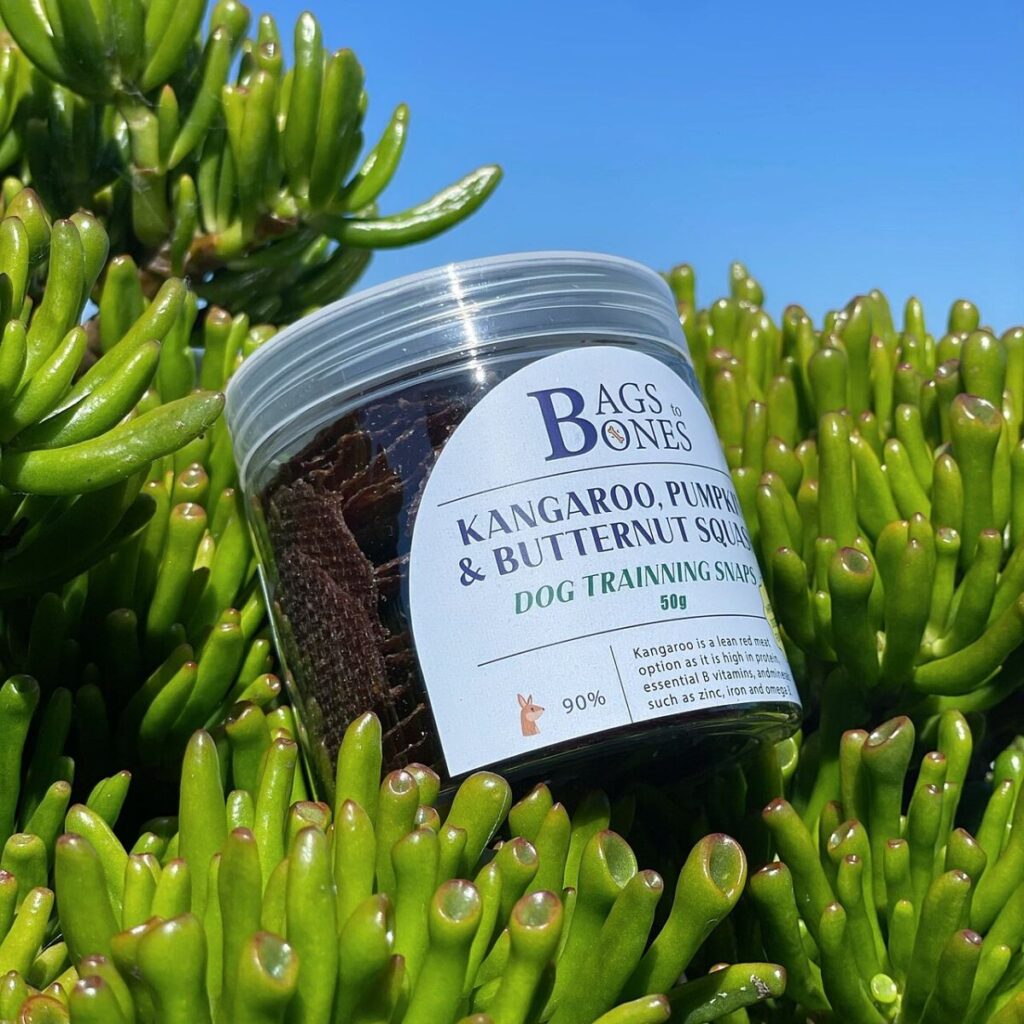
    A jar of dog treats
    A jar of dog treats. Our pick: Crumps Mini Trainers on Amazon.ca. Photo: Bagstobones, via Wikimedia Commons, CC BY-SA 4.0

    Quick picks

    These are our picks from Amazon.ca, chosen on design, materials, suitability for a medium-sized spaniel, and the volume and consistency of buyer reviews. We have not lab-tested them ourselves.

    The best training treats for cocker spaniels

    1. Crumps’ Naturals Mini Trainers: best low-calorie

    Tiny freeze-dried liver pieces with a strong smell that spaniels find irresistible and very few calories per treat. They are crunchy but break easily into even smaller pieces, so one bag lasts a long time. Their high value makes them ideal for recall and for training in distracting places.

    • Good for: recall, high-distraction training, weight-conscious dogs
    • Watch for: freeze-dried liver crumbles in a pocket; keep it in a pouch

    Check the Crumps’ Naturals Mini Trainers on Amazon.ca →

    2. Zuke’s Mini Naturals: best soft treat

    Small, soft training treats that a dog can swallow quickly without stopping to chew, which keeps a training session flowing. They are a popular choice with trainers for exactly that reason, and the soft texture suits puppies with new teeth.

    • Good for: puppy training, fast-paced sessions, clicker training
    • Watch for: count them: soft treats are easy to overfeed

    Check the Zuke’s Mini Naturals on Amazon.ca →

    3. Mighty Paw Treat Pouch: best pouch

    A good treat pouch makes a real difference to your timing. This one clips to a belt or waistband, opens and closes with one hand, and has space for poo bags and keys. Being able to reward within a second of your dog doing the right thing is what makes training work.

    • Good for: every walk and training session
    • Watch for: wash it regularly, as soft treats leave residue

    Check the Mighty Paw Treat Pouch on Amazon.ca →

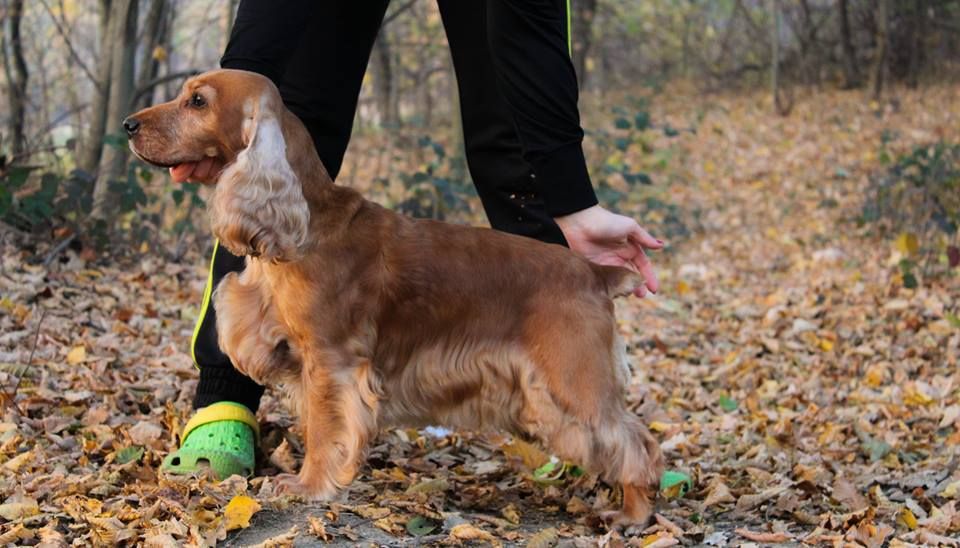
    A cocker spaniel with its owner
    A cocker spaniel with its owner. Our pick: Zuke’s Mini Naturals on Amazon.ca. Photo: Vaneska88, via Wikimedia Commons, CC BY-SA 4.0

    Comparison

    ProductTypeTextureBest for
    Crumps’ Mini TrainersFreeze-dried liverCrunchy, breakableHigh-value recall
    Zuke’s Mini NaturalsSoft training treatSoftPuppies, fast sessions
    Mighty PawTreat pouchn/aCarrying treats on walks

    What makes a good training treat?

    • Small. Pea-sized or smaller. You want your dog to swallow and look back at you, not chew for ten seconds.
    • Smelly and tasty. The more distracting the place, the higher the value of reward you need.
    • Low in calories. Dozens of rewards add up quickly, especially for a breed prone to weight gain.
    • Easy to carry. Treats that do not crumble or go greasy in a pouch are much easier to use.

    How many treats is too many?

    As a general rule, treats should make up no more than about 10 percent of your dog’s daily calories. On a heavy training day, reduce the size of meals to compensate, or use part of your dog’s normal kibble as rewards for easy tasks at home and save the high-value treats for outdoors. Check your dog’s body condition regularly: you should be able to feel the ribs easily under a light covering. Our feeding guide explains portions and body condition scoring.

    Using treats for training a spaniel

    Use treats to teach a new behaviour, then gradually make rewards less predictable once your dog understands what you are asking. For a cocker, a reward does not have to be food: a quick game with a ball, a chance to sniff, or being sent to find a hidden toy can all work well once your dog knows the basics. Food is still the fastest way to build a reliable recall, so keep the best treats for that. Read our recall training guide for a step-by-step plan.

    Treats for puppies

    Puppies have small stomachs and are still adjusting to their food, so introduce new treats one at a time and keep the pieces tiny. Soft treats are easier for puppies to eat quickly. During house training, have a treat ready every time you take your puppy outside so you can reward it the moment it toilets in the right spot.

    Safety tips

    • Never use cooked bones, grapes, raisins, chocolate, onions or anything containing xylitol as treats; these are dangerous for dogs.
    • Supervise chewy treats, and choose sizes appropriate for a medium dog.
    • If your dog has a sensitive stomach or allergies, choose single-ingredient treats and talk to your vet.
    • Always keep fresh water available.

    High-value versus everyday rewards

    It helps to think of treats in tiers. Everyday rewards, such as a piece of kibble or a low-value biscuit, are fine for sit, down and other easy tasks in the kitchen. Medium-value treats suit walks and new places. High-value rewards, like freeze-dried liver, cheese or a little cooked chicken, are reserved for recall and for the most distracting situations. Spaniels quickly learn what you have in your pocket, so mixing tiers keeps them guessing and keeps the best rewards special.

    Frequently asked questions

    What are the best treats for training a cocker spaniel?

    Small, soft or easily broken treats with a strong smell, such as freeze-dried liver or soft mini training treats.

    Can I use kibble as training treats?

    Yes, for easy tasks at home. Many dogs need something more exciting when training outdoors.

    How do I stop my spaniel getting fat from treats?

    Use tiny pieces, count treats as part of the daily allowance, and reduce meals slightly on heavy training days.

    When can I stop using treats?

    You can fade food rewards gradually once a behaviour is reliable, but occasional rewards keep recall strong for life.

    Featured photo: https://www.flickr.com/photos/pbump/with/5637773582/, via Wikimedia Commons, CC BY-SA 2.0

  • The Best Long Line for Recall Training a Spaniel (2026)

    The Best Long Line for Recall Training a Spaniel (2026)

    Updated November 2026. English Cocker Spaniel Guide is an independent site, not affiliated with any breed club or kennel club. Some links are affiliate links: as an Amazon Associate we earn from qualifying purchases.

    A long line is the single most useful tool for teaching a spaniel to come back. English Cockers were bred to hunt within gun range, quartering a field with their noses down, and a young dog that has never been taught otherwise will happily follow a rabbit trail for half a mile. A long line gives your dog the feeling of freedom while making sure it cannot practise running off, and that is what builds a reliable recall.

    A long line is simply a lightweight lead, usually 5 to 15 metres long, that you clip to a harness and let trail on the ground. Below are two we recommend from Amazon.ca, followed by how to use one safely and a simple training plan.

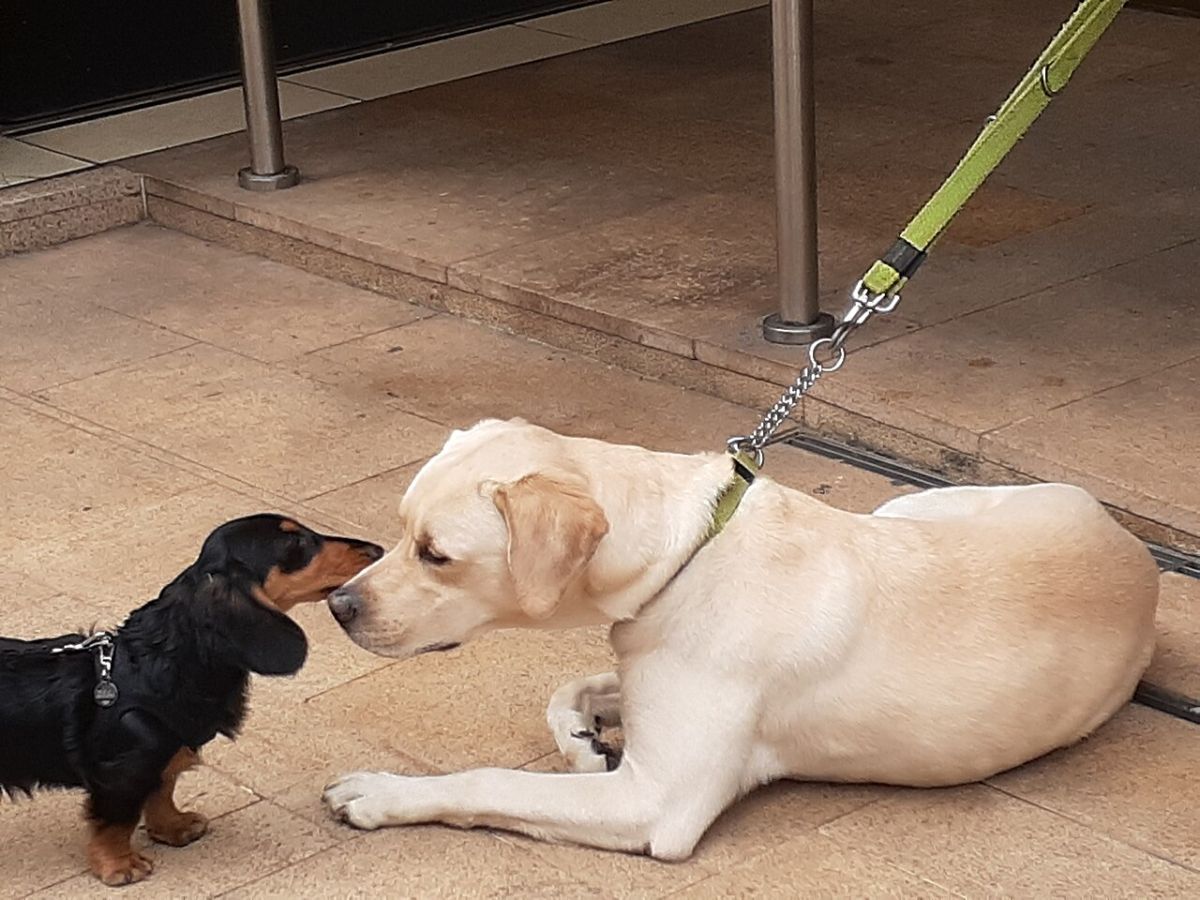
    Walking a dog on a lead
    Walking a dog on a lead. Our pick: AmaGood long line on Amazon.ca. Photo: Jorge Royan, via Wikimedia Commons, CC BY-SA 3.0

    Quick picks

    These are our picks from Amazon.ca, chosen on design, materials, suitability for a medium-sized spaniel, and the volume and consistency of buyer reviews. We have not lab-tested them ourselves.

    The best long lines for spaniels

    1. AmaGood Long Training Lead: best overall

    A flat nylon long line available in several lengths, with a padded handle and a sturdy clip. Nylon is light enough for a medium-sized dog to drag without being slowed down, and the range of lengths means you can start with a shorter line in the park and move to a longer one in open fields.

    • Good for: recall training, parks and beaches, first long line
    • Watch for: nylon soaks up water and mud and can burn your hands if a dog takes off; wear gloves

    Check the AmaGood Long Training Lead on Amazon.ca →

    2. Wolfone Waterproof Long Line: best for wet walks

    A coated, waterproof line that does not absorb water, so it stays light and is easy to wipe clean after a wet walk or a swim. For a spaniel that heads straight for every puddle and stream, a coated line is much more pleasant to handle than soggy webbing.

    • Good for: wet weather, swimming dogs, muddy fields
    • Watch for: coated lines can be slippery in wet hands; hold the handle or tie a knot near your end

    Check the Wolfone Waterproof Long Line on Amazon.ca →

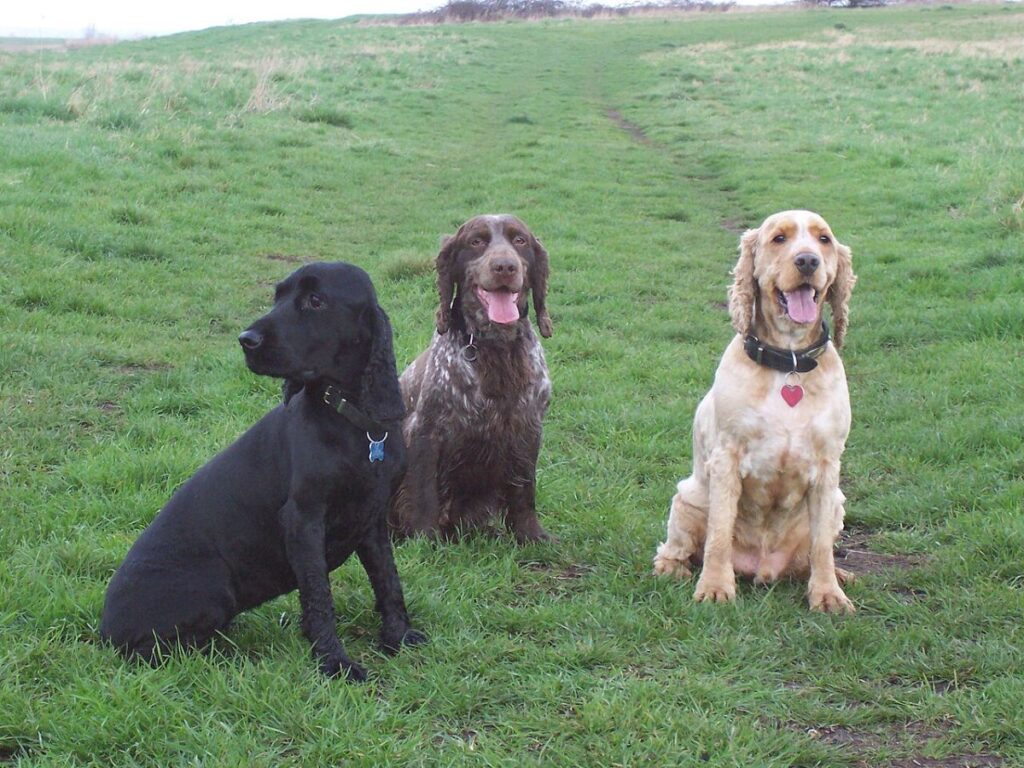
    Three spaniels on grass
    Three spaniels on grass. Our pick: Wolfone waterproof long line on Amazon.ca. Photo: Angus Farquhar, via Wikimedia Commons, CC BY-SA 2.0

    Comparison

    Long lineMaterialGets heavy when wet?Best for
    AmaGoodNylon webbingYesGeneral recall training
    WolfoneWaterproof coatedNoWet and muddy walks

    What length long line do you need?

    A 5-metre line is easy to manage in a park and is a good first line for a puppy. A 10-metre line gives more freedom and suits most recall training in fields. Lines of 15 metres or more are useful for advanced work and gundog training, but they tangle easily and take practice to handle. For most English Cocker owners, a 10-metre line is the best all-rounder.

    How to use a long line safely

    • Always attach a long line to a well-fitted harness, never to a collar or head collar. See our harness guide.
    • Let the line trail on the ground and only pick it up when you need to. Stand on it if your dog is about to bolt.
    • Wear gloves, especially with nylon lines, and never wrap the line around your hand or fingers.
    • Keep the line away from other dogs and people’s legs, and avoid using one near roads or in dense woodland where it can snag.
    • Check the line and clip regularly for fraying.

    A simple long line recall plan

    1. Start in a quiet, boring place. Let your dog wander on the line and call it back in a happy voice, rewarding with a high-value treat or a game.
    2. Call only when you think your dog will come. If it does not, gently reel in the line and reward anyway when it reaches you, so it never learns that ignoring you works.
    3. Practise lots of short recalls on every walk, then release your dog to go back to sniffing. Recall should not always mean the fun is over.
    4. Gradually add distractions: other dogs at a distance, birds, then fields where rabbits have been.
    5. Only when your dog comes back reliably on the line in distracting places should you try short periods off lead in a safe area.

    Our full recall training guide covers whistle training, which suits spaniels particularly well because a whistle sounds the same whoever blows it and carries a long way across a field.

    How long will I need a long line?

    Expect to use a long line for months rather than weeks with a young cocker, and to go back to it whenever recall slips, such as during adolescence or in a new place with lots of wildlife. Many owners of working cockers keep a long line in the car permanently. That is not a failure; it is good management of a dog bred to hunt. Pair line work with plenty of exercise and nose games so your spaniel has an outlet for that drive.

    Frequently asked questions

    How long should a long line be for a cocker spaniel?

    A 10-metre line suits most training. Start with 5 metres for a puppy or a busy park.

    Can I use a retractable lead instead?

    Retractable leads are not a good substitute. They teach dogs that pulling extends the lead, and the thin cord can cause injuries.

    Should a long line go on a collar or harness?

    Always a harness. A dog hitting the end of a long line at speed on a collar can injure its neck.

    When can I let my spaniel off lead?

    When it comes back reliably on the long line in a range of distracting places, and only in safe, enclosed or quiet areas at first.

    Featured photo: Feeuwai Nalmchonri Lami, via Wikimedia Commons, CC BY-SA 4.0

  • The Best Harness for a Cocker Spaniel (2026)

    The Best Harness for a Cocker Spaniel (2026)

    Updated November 2026. English Cocker Spaniel Guide is an independent site, not affiliated with any breed club or kennel club. Some links are affiliate links: as an Amazon Associate we earn from qualifying purchases.

    English Cocker Spaniels are bred to follow their noses, and a cocker that has caught an interesting scent will pull hard on the lead. A flat collar puts all of that force on the throat, which is uncomfortable and, in a dog that pulls constantly, can contribute to coughing and neck strain. A well-fitted harness spreads the load across the chest and shoulders and gives you far better control of a bouncy young spaniel.

    There are two main types worth considering: a padded, Y-front everyday harness that leaves the shoulders free to move, and a front-clip training harness that turns your dog gently towards you when it pulls. Here are the three we would buy on Amazon.ca for a cocker, and how to fit one properly.

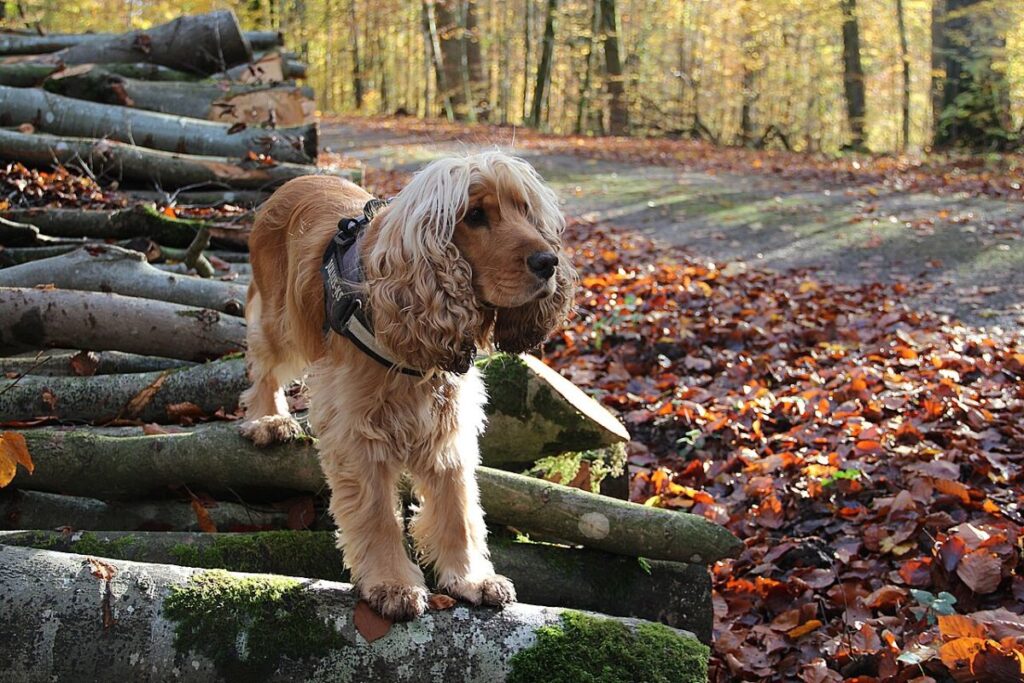
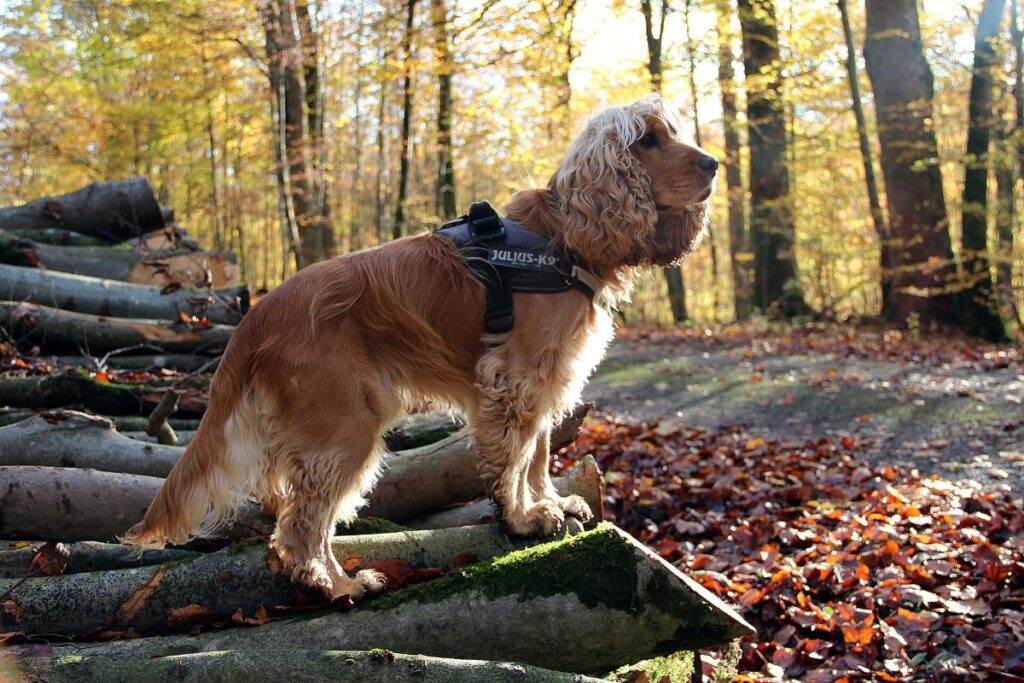
    A cocker spaniel in a harness
    A cocker spaniel in a harness. Our pick: rabbitgoo dog harness on Amazon.ca. Photo: Jean-Pol GRANDMONT, via Wikimedia Commons, CC BY 4.0

    Quick picks

    These are our picks from Amazon.ca, chosen on design, materials, suitability for a medium-sized spaniel, and the volume and consistency of buyer reviews. We have not lab-tested them ourselves.

    The best harnesses for cocker spaniels

    1. rabbitgoo No-Pull Dog Harness: best everyday

    A padded harness with four adjustment points, a front clip and a back clip, and a handle on top. The adjustability is what makes it work for spaniels, which have a deep chest and a fairly narrow waist. Reflective stitching helps on dark winter walks, and the handle is useful for steadying a dog over stiles or into the car.

    • Good for: daily walks, hiking, dogs with a deep chest
    • Watch for: size carefully; most adult English Cockers take a medium

    Check the rabbitgoo No-Pull Dog Harness on Amazon.ca →

    2. PetSafe Easy Walk Harness: best for pullers

    The Easy Walk is a front-clip harness designed by a vet behaviourist. When your dog pulls, the lead attachment on the chest turns it gently to the side so it cannot lean its full weight into the walk. It is lightweight and quick to put on, and it is the harness many trainers recommend while you teach loose-lead walking.

    • Good for: strong pullers, lead training, young dogs
    • Watch for: the strap across the front can rub some dogs; check fit and use it as a training tool rather than forever

    Check the PetSafe Easy Walk Harness on Amazon.ca →

    3. Annchwool No-Pull Harness: best value

    A soft, padded vest-style harness with front and back attachment points at a modest price. It is easy to slip over the head and buckle, which suits wriggly puppies, and it comes in a range of sizes you can move through as your dog grows.

    • Good for: puppies, budget buyers, a spare harness
    • Watch for: vest styles can be warm in summer and restrict shoulder movement more than a Y-front design

    Check the Annchwool No-Pull Harness on Amazon.ca →

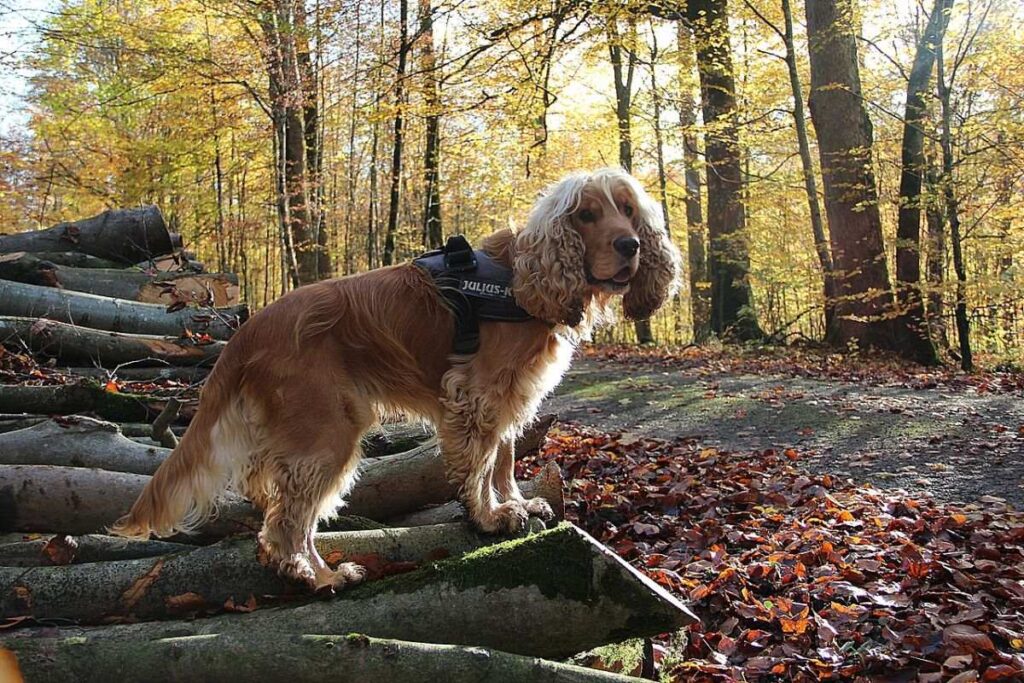
    A cocker spaniel walking in a harness
    A cocker spaniel walking in a harness. Our pick: PetSafe Easy Walk Harness on Amazon.ca. Photo: Jean-Pol GRANDMONT, via Wikimedia Commons, CC BY 4.0

    Comparison

    HarnessStyleClipsBest for
    rabbitgooPadded Y-frontFront and backEveryday walks
    PetSafe Easy WalkFront-clip trainingFrontPullers
    AnnchwoolPadded vestFront and backPuppies, value

    How to fit a harness on a cocker spaniel

    1. Measure the widest part of the chest just behind the front legs and the neck where a collar would sit, then check the size chart.
    2. Adjust the neck so the harness sits low on the chest bone, not across the throat.
    3. Tighten the chest strap until you can slide two fingers under it, and no more.
    4. Watch your dog walk: the straps should not cross the point of the shoulder or rub in the armpit.
    5. Check the fit again after a few walks and as your puppy grows, and check for rubbing on the hair behind the front legs.

    Harness or collar?

    Your dog should still wear a flat collar with an ID tag, since that is a legal requirement in many places and the fastest way for a finder to contact you. For walking, the harness is the better attachment point for most spaniels. If you are working on recall, clip a long line to the back of the harness, never to a collar, so a sudden stop does not jolt the neck. Our recall training guide and long line picks explain how.

    Teaching loose-lead walking

    A harness gives you control, but it does not teach manners on its own. The most effective method for spaniels is simple: stop when the lead goes tight, and move forward the moment it goes slack. Reward your dog with a small training treat when it is walking beside you. Short, frequent sessions in a boring place work far better than trying to train on the way to a field full of rabbits. Expect it to take weeks rather than days with a keen young cocker.

    Harness care and safety

    • Rinse mud off after walks and let the harness dry fully before the next use.
    • Check buckles and stitching regularly, especially on a dog that rolls or swims.
    • Take the harness off at home and in the crate so it cannot catch on anything.
    • Brush the coat under the straps; feathering behind the front legs can matt where the harness rubs.

    Frequently asked questions

    What size harness does an English Cocker need?

    Most adults take a medium, but chest measurements vary between show and working lines, so always measure your own dog.

    Are no-pull harnesses cruel?

    A well-fitted front-clip harness is not cruel. It simply redirects your dog when it pulls. Avoid any design that tightens painfully.

    Can a puppy wear a harness?

    Yes. Introducing a lightweight harness early, with lots of treats, makes it easier for your puppy to accept one as it grows.

    Should my dog wear a harness all the time?

    No. Take it off at home so the coat can breathe and the straps do not rub.

    Featured photo: Kreuzschnabel, via Wikimedia Commons, CC BY-SA 3.0

  • Field Work with an English Cocker Spaniel: Getting Started in Gundog Training

    Field Work with an English Cocker Spaniel: Getting Started in Gundog Training

    Updated November 2026. English Cocker Spaniel Guide is an independent site, not affiliated with any breed club or kennel club. Some links are affiliate links: as an Amazon Associate we earn from qualifying purchases.

    The English Cocker Spaniel was created to work. For generations, cockers have hunted hedgerows, woodland and marsh, finding game by scent, flushing it within range of the gun and retrieving it gently to hand. Many modern cockers, especially from working lines, still have those instincts in abundance. Whether you hunt, want to try working tests, or simply want to give your dog an outlet for its natural talents, field work is one of the most satisfying things you can do with a cocker.

    What a working spaniel does

    • Hunting and quartering: the dog works in a zigzag pattern in front of the handler, covering ground systematically and staying within range.
    • Finding game: using its nose to locate birds or rabbits hidden in cover.
    • Flushing: pushing the game out so it flies or runs.
    • Steadiness: stopping or sitting when game flushes or a shot is fired, rather than chasing.
    • Marking and retrieving: watching where game falls and bringing it back to hand gently, without damaging it.
    • Handling: responding to whistle and hand signals to be directed onto a blind retrieve.
    A spaniel working in open country
    A spaniel working in open country. Photo: Kat Davis, via Wikimedia Commons, CC BY 3.0

    Getting started

    Choose the right dog

    Working-bred cockers from proven hunting or field trial lines usually have the strongest drive, nose and trainability for field work. Many show-bred cockers also enjoy hunting and retrieving, especially at a fun or recreational level. See our guide to show vs working cockers.

    Find a gundog trainer or club

    The fastest way to learn is with experienced people. Gundog clubs, spaniel clubs and retriever clubs run training days for beginners, and many professional trainers offer classes or one-to-one lessons. Training with others also gives you access to suitable ground and, where appropriate, game.

    Build the foundations at home

    Field skills rest on everyday obedience. Before you go near game, your cocker should have:

    • A strong recall, ideally to a whistle
    • A reliable sit or stop, at a distance, on a whistle
    • Steadiness: staying put while a thrown dummy lands, until released
    • A good delivery: carrying a canvas training dummy back to hand without dropping or chewing it
    • Walking calmly at heel

    Training equipment

    • Canvas training dummies in a few sizes
    • A gundog whistle on a lanyard
    • A long line for early training in open ground
    • A comfortable harness or slip lead, as your trainer recommends
    • A drying coat and towels for wet days
    • A dog life jacket for water work or boats
    • A canine first aid kit and tick remover

    Quartering

    Quartering is the core spaniel skill. The dog runs across the wind in front of the handler, turning at the end of each “beat” and working back across, so that the wind carries scent from the cover ahead to its nose. Trainers start by walking a zigzag themselves and encouraging the young dog to mirror them, turning it with a whistle and hand signal, and rewarding it for staying within range. Ground with light cover and a steady breeze makes learning easier.

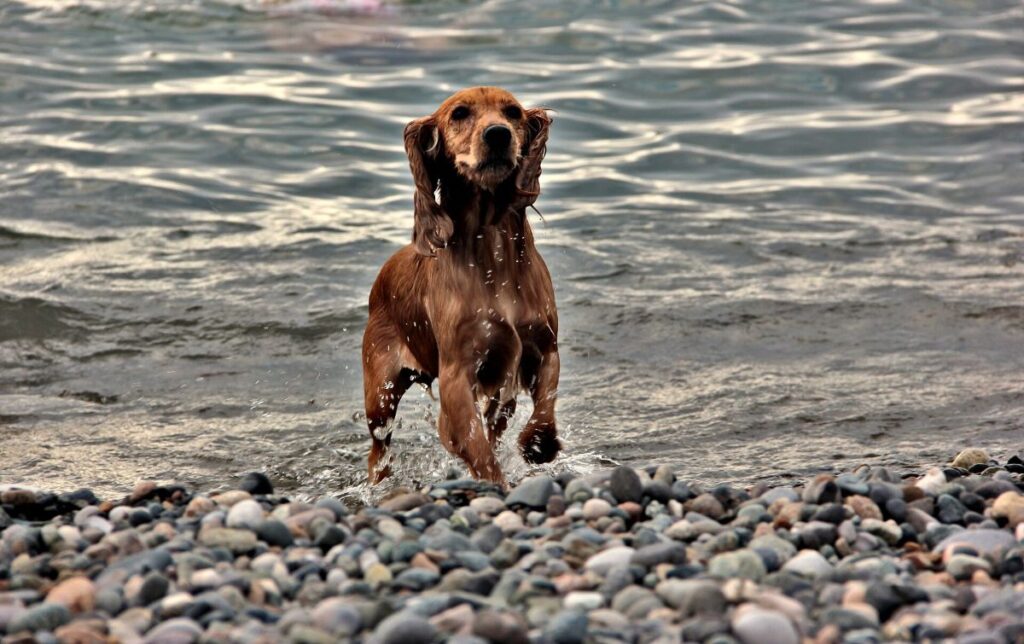
    A cocker spaniel running on a beach
    A cocker spaniel running on a beach. Photo: Image by Veriko Mikelashvili from Pixabay, via Wikimedia Commons, CC0
    Retrieving

    Many cockers are natural retrievers. Keep early retrieves short and fun, in a corridor or narrow space so your dog comes straight back, and reward a clean delivery to hand. Avoid tug-of-war with dummies and do not chase your dog if it runs off with them. Gradually add distance, cover, water and multiple dummies. Soft mouths matter: a working retriever should carry game gently.

    Working tests, field trials and hunt tests

    If you enjoy training but do not hunt, many organisations run events that test working ability without live game being shot, such as working tests using dummies. Field trials are competitions held on live game, judging dogs on hunting, steadiness and retrieving. In North America, kennel clubs also run spaniel hunting tests, where dogs are measured against a standard rather than each other. Rules and availability vary by country and province, so contact your national kennel club or a local spaniel club to find events near you.

    Safety in the field

    • Wear blaze orange or high-visibility gear for both you and your dog during hunting seasons.
    • Check your dog after every outing for ticks, grass seeds, cuts and thorns, especially in the ears, feet and armpits.
    • Carry plenty of water; working spaniels can overheat quickly, even in cool weather.
    • Dry and check ears after water work to prevent infection; see our ear care guide.
    • Know where the nearest emergency vet is.
    • Respect access rules, landowner permission and wildlife breeding seasons.

    Not a hunter? Try these

    Scent work classes, gundog-style dummy training, tracking and canicross all give cockers a chance to use their natural abilities without hunting. Even a daily game of hiding a toy in the garden taps into the same instincts. See our exercise guide for more ideas.

    Steadiness: the hardest lesson

    For a keen cocker, the urge to chase a flushed bird or rabbit is enormous. Steadiness training teaches the dog to stop or sit when game moves, then wait to be sent for the retrieve. Trainers build it gradually: first with thrown dummies the dog must watch land and not chase, then with dummies thrown while the dog is moving, and later with controlled exposure to game in a rabbit pen or on training grounds with an experienced trainer. Rushing steadiness training is one of the most common mistakes; a dog that learns it can chase will find the lesson much harder to unlearn. Patience, consistency and plenty of rewards for staying put pay off for the rest of the dog’s working life.

    Frequently asked questions

    At what age can I start gundog training?

    Basic foundation work, such as recall, sit and short retrieves, can start as a puppy. More formal field training usually begins once the dog is mature enough, often from around six months to a year, depending on the individual.

    Can a pet English Cocker learn field work?

    Yes. Many pet cockers love dummy training and scent work, and it can improve recall and focus in everyday life.

    Do I need to hunt to do field training?

    No. Working tests and dummy training let you enjoy field skills without hunting.

    What is a stop whistle?

    A single long blast that tells the dog to stop and sit wherever it is, used to control and direct a working spaniel at a distance.

    Featured photo: Armando Olivo Martín del Campo, via Wikimedia Commons, CC BY-SA 4.0

  • How to House Train an English Cocker Spaniel Puppy

    How to House Train an English Cocker Spaniel Puppy

    Updated November 2026. English Cocker Spaniel Guide is an independent site, not affiliated with any breed club or kennel club. Some links are affiliate links: as an Amazon Associate we earn from qualifying purchases.

    House training is usually the first big project with a new English Cocker Spaniel puppy. Cockers are clever and keen to please, and most learn quickly with a consistent routine, but they are also busy, easily distracted puppies with small bladders. This guide sets out a proven routine, explains how crate training helps, and covers accidents, night-time toileting and common setbacks.

    How long does house training take?

    Every puppy is different. Many cocker puppies are reliably house trained somewhere between four and six months of age, but some take longer, and occasional accidents are normal well into the first year, especially during adolescence, changes of routine or bad weather. Consistency matters far more than speed.

    The basic routine

    Puppies need to toilet frequently, and they usually go at predictable times. Take your puppy outside to the same spot:

    • As soon as it wakes up, from overnight sleep and every nap
    • Within a few minutes of eating or drinking
    • After play or excitement
    • Before bed and before being left alone
    • At least every one to two hours while awake at first

    Go out with your puppy every time, stand quietly, and wait. When it toilets, praise calmly and give a small treat right away, within a second or two, so it links the reward to the action. A short cue word such as “be quick”, said as it starts to go, can later help it toilet on request.

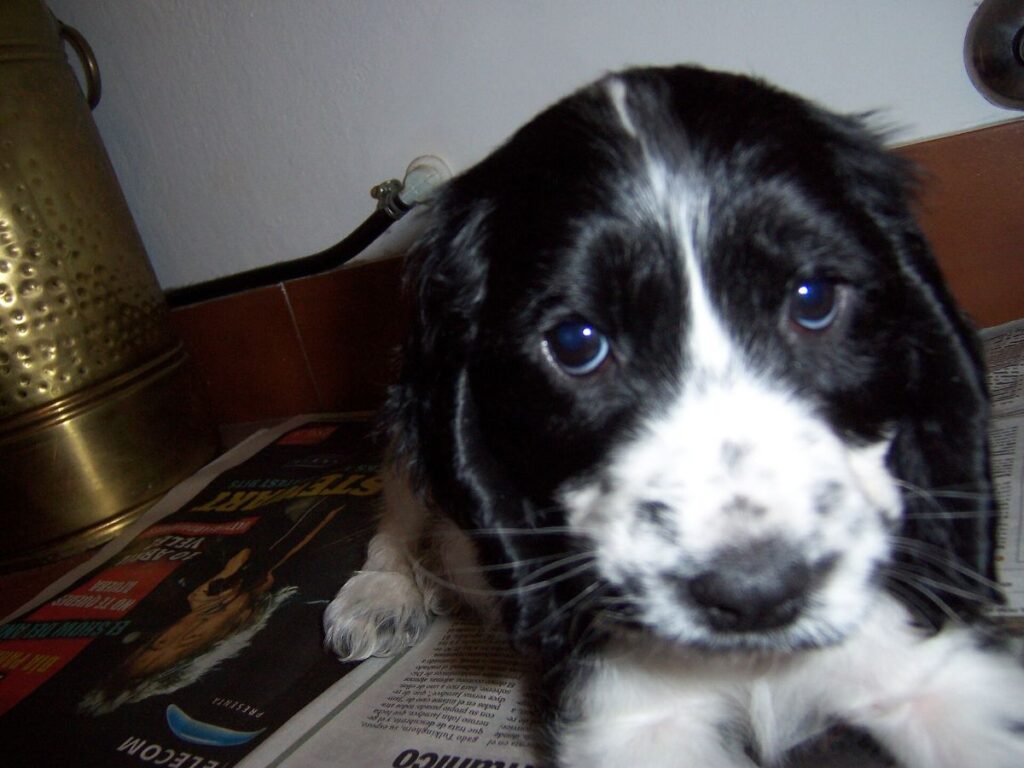
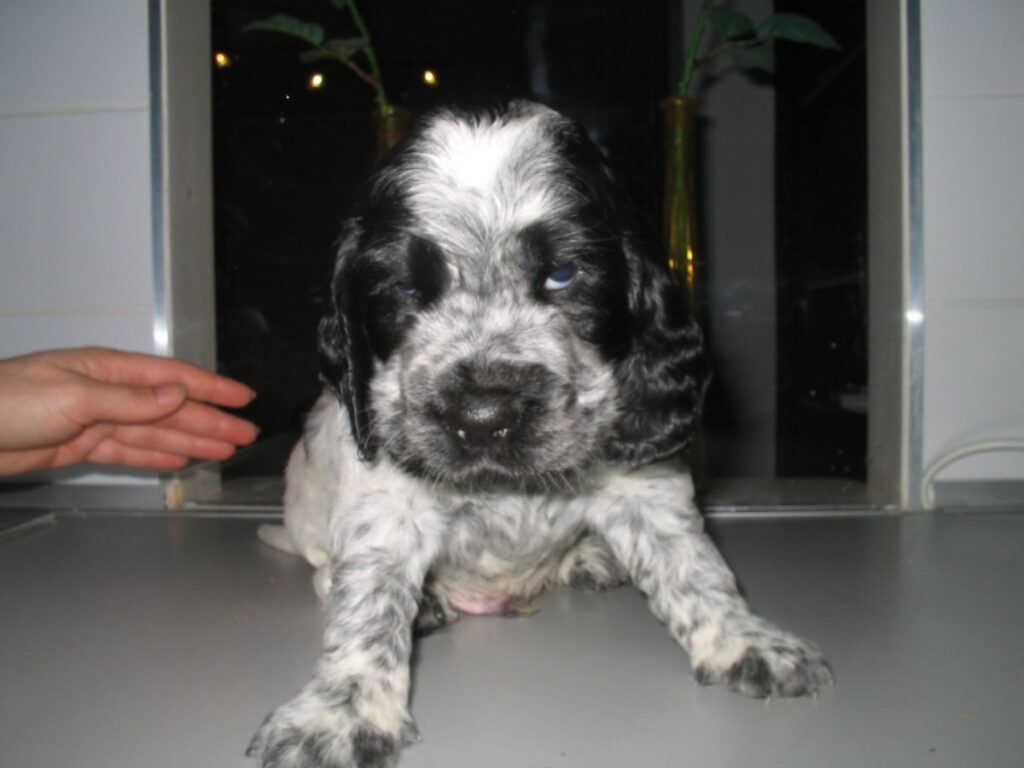
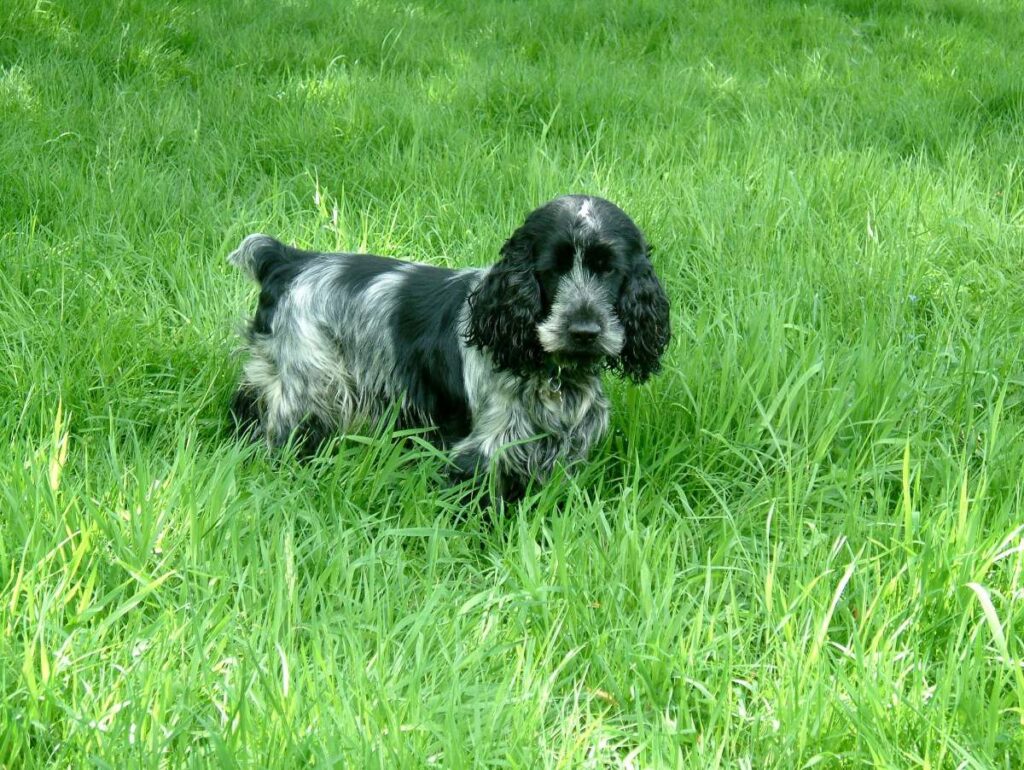
    A black and white cocker spaniel puppy
    A black and white cocker spaniel puppy. Our pick: MidWest crate on Amazon.ca. Photo: Carlulu, via Wikimedia Commons, Public domain

    Using a crate to help

    Dogs naturally avoid soiling where they sleep, so a correctly sized crate helps your puppy learn bladder control. Use a divider to keep the space just big enough to stand, turn and lie down; if it is too big, a puppy may toilet in one corner. Make the crate a comfortable, happy place with a bed and safe chews, and never use it as punishment.

    Puppies should not be crated for long periods during the day. Young puppies can only hold on for a short time; a common guideline is roughly an hour per month of age plus one, up to a few hours, but every puppy is different. If you work long hours, arrange for someone to let your puppy out.

    Night-time toileting

    Most young puppies need to go out at least once during the night for the first weeks. Keep the crate near your bed so you hear your puppy stirring, and take it straight out when it wakes. Keep night trips calm and boring: no play, minimal talking, then straight back to bed. Gradually, your puppy will sleep through. Avoid big drinks late in the evening, but never restrict water during the day.

    Dealing with accidents

    1. If you catch your puppy in the act, calmly interrupt it with a cheerful noise and take it outside straight away. Praise if it finishes outside.
    2. If you find an accident afterwards, simply clean it up. Never punish, scold or rub a puppy’s nose in it; this only teaches it to hide from you when toileting.
    3. Clean thoroughly with an enzyme cleaner made for pet accidents. Ordinary cleaners can leave scent that draws the puppy back to the same spot. Avoid ammonia-based products, which smell similar to urine.
    4. Ask yourself what you could change: more frequent trips outside, closer supervision or a smaller crate space.

    Supervision is the secret

    Most accidents happen when a puppy is out of sight. When your puppy is loose in the house, keep it in the same room as you, use baby gates, or attach a light lead to your belt. When you cannot supervise, use the crate or a puppy-proof pen. Watch for signals such as sniffing the floor, circling or heading for a corner, and take your puppy out immediately.

    A roan cocker spaniel puppy
    A roan cocker spaniel puppy. Photo: Michiel1972 at Dutch Wikipedia, via Wikimedia Commons, CC BY-SA 3.0

    Should I use puppy pads?

    Puppy pads can be useful if you live in an apartment high above the ground or cannot get outside quickly, but they can teach a puppy that toileting indoors is acceptable. If you use them, place them near the door and gradually move them outside. Where possible, go straight to outdoor training.

    Common setbacks

    Excitement or submissive urination

    Some young cockers dribble urine when greeting people or when nervous. Keep greetings calm and low-key, greet outdoors, and avoid looming over the puppy. Most grow out of it. Never punish it.

    Regression in adolescence

    A previously reliable adolescent may have accidents, especially when distracted or stressed. Go back to the basics for a few weeks.

    Accidents in an adult dog

    Sudden house soiling in a previously reliable adult can signal a urinary tract infection, kidney problems or other health issues. See your vet. Our health guide explains why increased drinking and urination should be checked promptly.

    Bad weather

    Many cockers dislike rain or snow. Go out with your puppy, keep it brief, and reward quickly. A covered area near the door helps, and a drying coat or towel by the door makes muddy days easier.

    Sample day for an 8- to 12-week-old puppy

    TimeActivity
    On wakingStraight outside to toilet
    BreakfastMeal, then outside
    Mid-morningPlay, toilet, nap in crate
    LunchMeal, then outside
    AfternoonShort training, socialisation, toilet, nap
    DinnerMeal, then outside
    EveningCalm play, toilet, settle
    BedtimeLast toilet trip, then crate
    OvernightOne or two calm toilet trips as needed

    Frequently asked questions

    How do I know my puppy needs to go out?

    Sniffing the floor, circling, whining, going to the door or suddenly leaving play are common signs.

    Can I leave my puppy alone during the workday?

    Young puppies cannot hold on for a full workday. Arrange for a friend, family member or dog walker to visit.

    Why does my puppy toilet right after coming inside?

    It probably did not finish outside. Stay out a little longer, wait quietly, and reward when it goes.

    Are boys or girls easier to house train?

    Both learn equally well. Consistency, routine and supervision matter far more than sex.

    Featured photo: No machine-readable author provided. Kessa Ligerro~commonswiki assumed (based on, via Wikimedia Commons, CC BY-SA 3.0

  • Cocker Spaniel Recall Training: A Step-by-Step Guide

    Cocker Spaniel Recall Training: A Step-by-Step Guide

    Updated November 2026. English Cocker Spaniel Guide is an independent site, not affiliated with any breed club or kennel club. Some links are affiliate links: as an Amazon Associate we earn from qualifying purchases.

    A reliable recall is the key to giving an English Cocker Spaniel the off-lead freedom it loves. It is also one of the hardest things to teach the breed, because a cocker’s nose is constantly pulling it toward rabbits, birds and fascinating smells. The good news is that cockers are clever, food-loving and eager to work with their people, so with the right approach they can learn an excellent recall. This step-by-step guide shows you how.

    Why recall is tricky for spaniels

    Spaniels were bred to hunt within gunshot range of their handler, find scent and flush game. That means they are naturally inclined to stay reasonably close, which helps, but they are also highly motivated by scent and movement. A cocker on a hot scent trail can become so absorbed that it genuinely does not hear you. Recall training is about making coming back to you more rewarding than anything else, and practising until it becomes a habit.

    What you need

    • High-value training treats, such as soft, smelly pieces your dog loves
    • A treat pouch so rewards are always within reach
    • A long line of around 10 to 15 metres for safe practice
    • A well-fitted harness to attach the long line to (never to a collar)
    • A favourite toy, ideally one used only for recall games
    • Optionally, a gundog whistle for a consistent recall signal
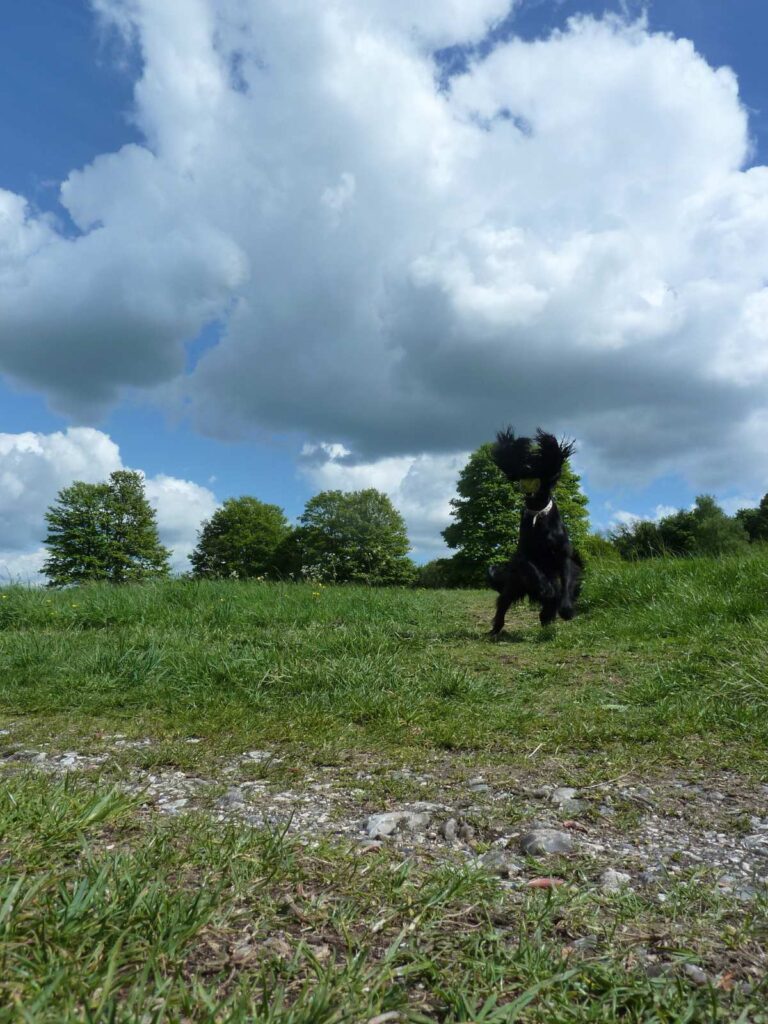
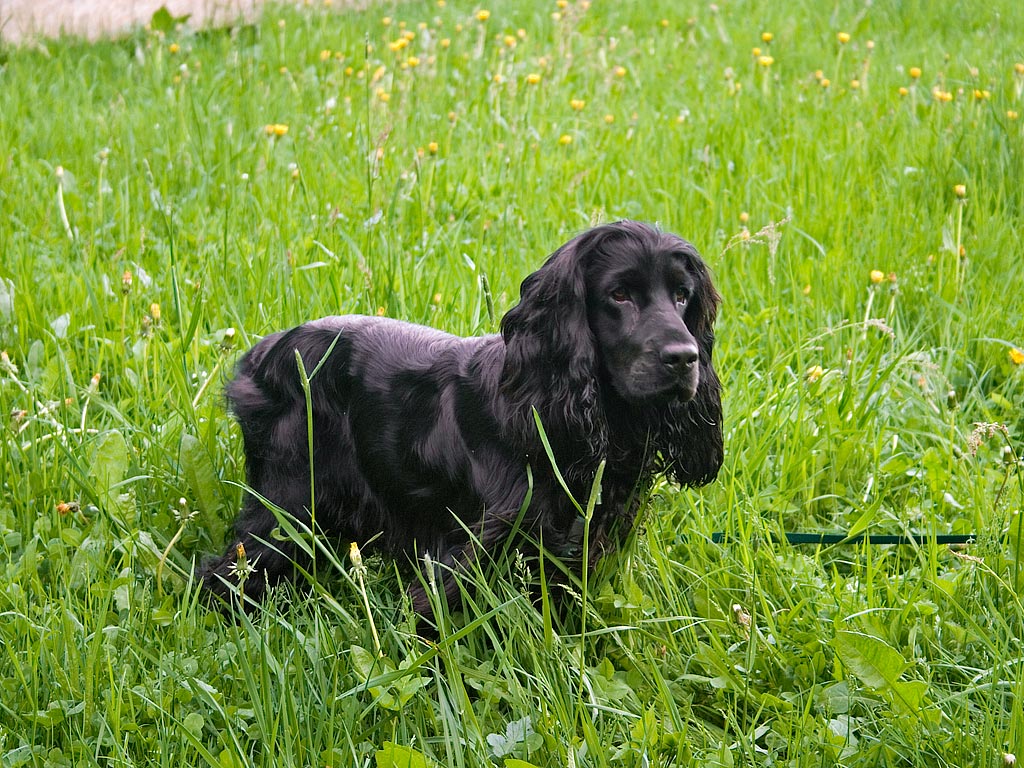
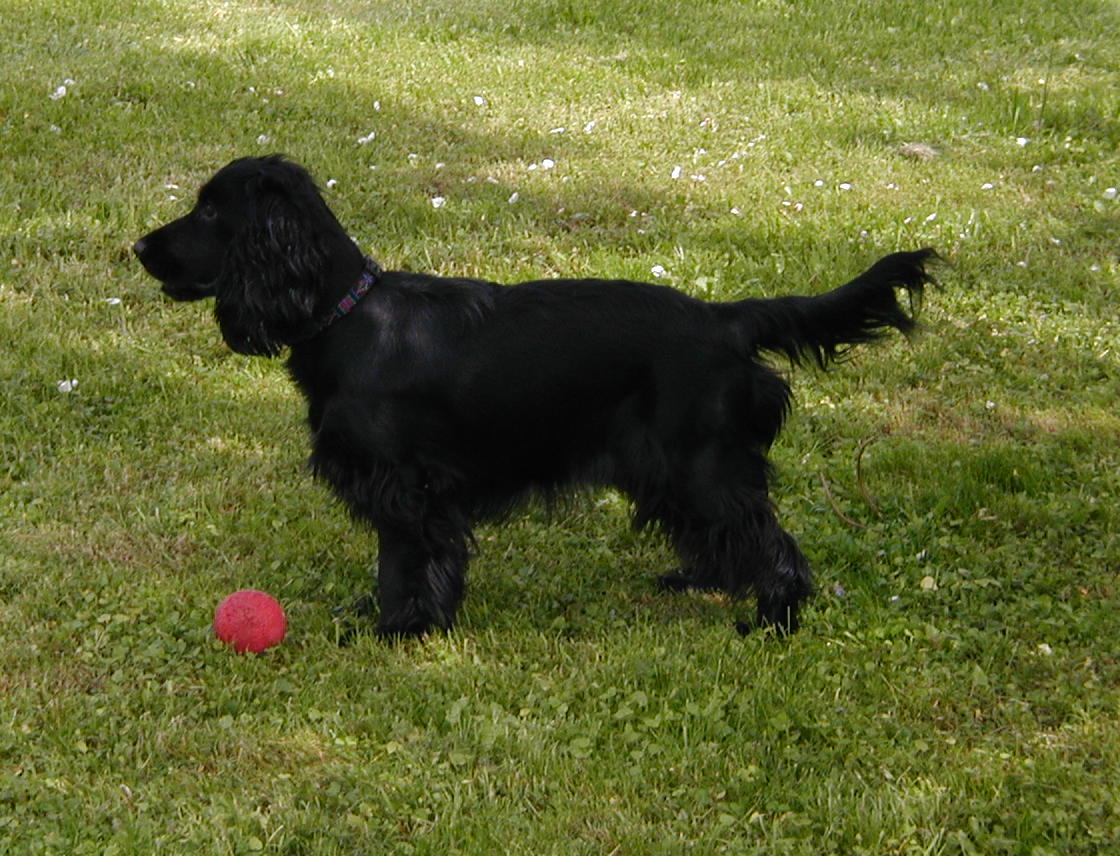
    A black cocker spaniel on grass
    A black cocker spaniel on grass. Our pick: AmaGood long training lead on Amazon.ca. Photo: No machine-readable author provided. Akumiszcza assumed (based on copyright clai, via Wikimedia Commons, CC BY 3.0

    Step-by-step recall training

    Step 1: Charge the recall cue

    Choose a cue you will use only for recall, such as “Come!” or a whistle pattern. At home, with no distractions, say the cue and immediately give your dog a delicious treat. Repeat many times over several days so the cue predicts something wonderful.

    Step 2: Recall indoors

    When your dog is a few steps away and not too distracted, give the cue in a happy voice. Reward generously when it reaches you, take gentle hold of the collar or harness, then release it with an “okay” so it does not learn that coming back always ends the fun.

    Step 3: Recall in the garden

    Practise in a secure garden, then add mild distractions such as a toy on the ground or a family member walking around. Keep sessions short and successful.

    Step 4: Long line outdoors

    Attach a long line to the harness and practise in quiet outdoor places. Let your dog explore, call it back occasionally, reward, and send it off to sniff again. The line stops your dog from learning that it can ignore you and run off. Never use the line to drag your dog in; it is a safety net, not a tool for reeling.

    Step 5: Add distance and distraction gradually

    Slowly practise in more distracting places: near other dogs, in fields with scent, around people. If your dog fails to respond, you are moving too fast; go back to an easier setting.

    Step 6: Off-lead in safe areas

    Only let your dog off-lead where it is legal and safe, once it reliably responds on the long line in similar conditions. Keep rewarding recalls for life, not just during training.

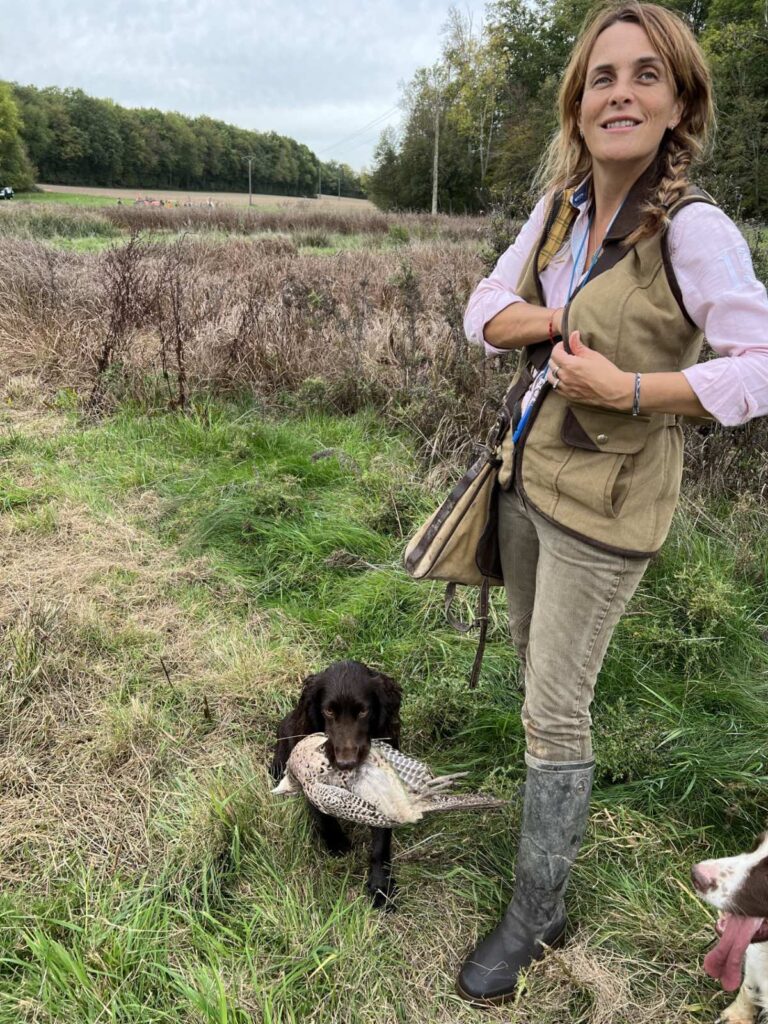
    A cocker spaniel working with its handler
    A cocker spaniel working with its handler. Photo: Xavier Laurent Lévy, via Wikimedia Commons, CC BY-SA 4.0

    Golden rules of recall

    1. Never call your dog to punish it or for something it dislikes, such as bath time or leaving the park.
    2. Always make coming back worth it: food, play or praise.
    3. Call once, clearly. Repeating the cue teaches your dog to ignore the first few.
    4. Practise “check-ins”: reward your dog whenever it chooses to look at you or come near you on walks.
    5. Avoid letting your dog rehearse running off; use the long line until recall is solid.
    6. Keep training fun and short, and end on a success.

    Using a whistle

    Many spaniel owners use a gundog whistle for recall. A whistle sounds the same whoever blows it, carries further than a voice, and does not betray your frustration. Teach a whistle recall exactly like a verbal cue: whistle, then reward, many times at home before using it outdoors. A common pattern is a series of short pips for “come”.

    Troubleshooting

    My dog comes back but will not let me catch it

    Practise collar grabs at home with treats, reward close to your body, and frequently release your dog after recalling it so being caught does not mean the end of fun.

    My dog ignores me when it finds a scent

    Call before your dog becomes fully absorbed, practise in less tempting places, and use the long line. Teach a strong “leave it” and play search games where you control access to scent.

    My dog chases birds

    Gundogs find birds irresistible. Keep your dog on the long line where birds congregate and reward calmness and attention when birds fly up. Some owners teach a “stop” whistle, a skill used by gundog trainers.

    Recall for working cockers

    Working-bred cockers are especially driven, and many owners benefit from gundog training classes, where trainers teach quartering, stop whistles and steadiness alongside recall. Channelling the dog’s instincts into structured work often improves recall dramatically. See our guide to field work.

    Frequently asked questions

    At what age should I start recall training?

    From the day your puppy comes home. Young puppies naturally follow you, which makes early recall games easy and rewarding.

    How long does it take to train a reliable recall?

    It varies, but expect months of consistent practice, with continued reinforcement throughout your dog’s life.

    Should I use an e-collar for recall?

    We recommend reward-based methods. Cockers are sensitive dogs that learn well with positive reinforcement, and aversive tools can create fear and stress.

    How long should a recall long line be?

    Around 10 to 15 metres suits most training. Use it with a harness and gloves, and keep the line from tangling around legs.

    Featured photo: No machine-readable author provided. Kessa Ligerro~commonswiki assumed (based on, via Wikimedia Commons, CC BY-SA 3.0

  • How Much Exercise Does an English Cocker Spaniel Need?

    How Much Exercise Does an English Cocker Spaniel Need?

    Updated November 2026. English Cocker Spaniel Guide is an independent site, not affiliated with any breed club or kennel club. Some links are affiliate links: as an Amazon Associate we earn from qualifying purchases.

    English Cocker Spaniels were bred to spend all day pushing through cover, following scent and retrieving game. That heritage lives on in today’s pet cockers: they are energetic, curious dogs that need both physical exercise and mental work to be happy and well behaved. This guide explains how much exercise an English Cocker needs at each life stage, the best kinds of activity for the breed, and how to exercise safely in all weathers.

    How much exercise does an English Cocker need?

    As a general guide, most healthy adult English Cockers need at least an hour of exercise a day, and many enjoy considerably more. Working-bred cockers often need two hours or more, plus mental work. What matters is not just the time but the quality: a cocker that only walks on a lead around the block will be far less satisfied than one that gets to run, sniff, search and retrieve.

    Life stageTypical needsFocus
    Puppy (to about 6 months)Several short play and exploration sessionsFree play, socialisation, gentle training; avoid long forced walks
    Adolescent (6 to 18 months)Gradually building to an hour or moreTraining, recall practice, building fitness
    AdultAt least an hour a day; more for working linesMix of free running, sniffing, retrieving and training
    SeniorShorter, gentler, more frequent outingsLow-impact walks, sniffing, joint-friendly activities
    A cocker spaniel in a harness in the woods
    A cocker spaniel in a harness in the woods. Our pick: rabbitgoo Dog Harness on Amazon.ca. Photo: Jean-Pol GRANDMONT, via Wikimedia Commons, CC BY 4.0

    The best types of exercise for cockers

    Free running and sniffing

    Off-lead time in a safe, legal area lets a cocker do what it was bred for: quarter the ground and investigate scents. If your dog’s recall is not yet reliable, use a long training line so it can explore while you stay in control. Our recall training guide explains how to build a dependable recall.

    Retrieving games

    Many cockers are natural retrievers. A ball launcher such as the Chuckit! saves your arm, but mix fetch with calmer games so your dog does not become over-excited or obsessive. Hiding a toy and sending your dog to “find it” combines exercise and nose work.

    Scent work

    Scent games tire a cocker out far more than an equivalent amount of running. Start by hiding treats around a room, then progress to hiding a scented toy in the garden or on walks. Formal scent work classes are widely available and great fun for the breed.

    Swimming

    Most cockers love water. Swimming is excellent low-impact exercise, but always dry the ears afterwards to reduce the risk of infection, and consider a dog life jacket for boating or strong water. Rinse off salt or lake water and towel dry; a drying coat is a big help.

    Dog sports

    Agility, flyball, rally obedience, working tests and scent work all suit the breed’s energy and intelligence, and they strengthen the bond between dog and handler.

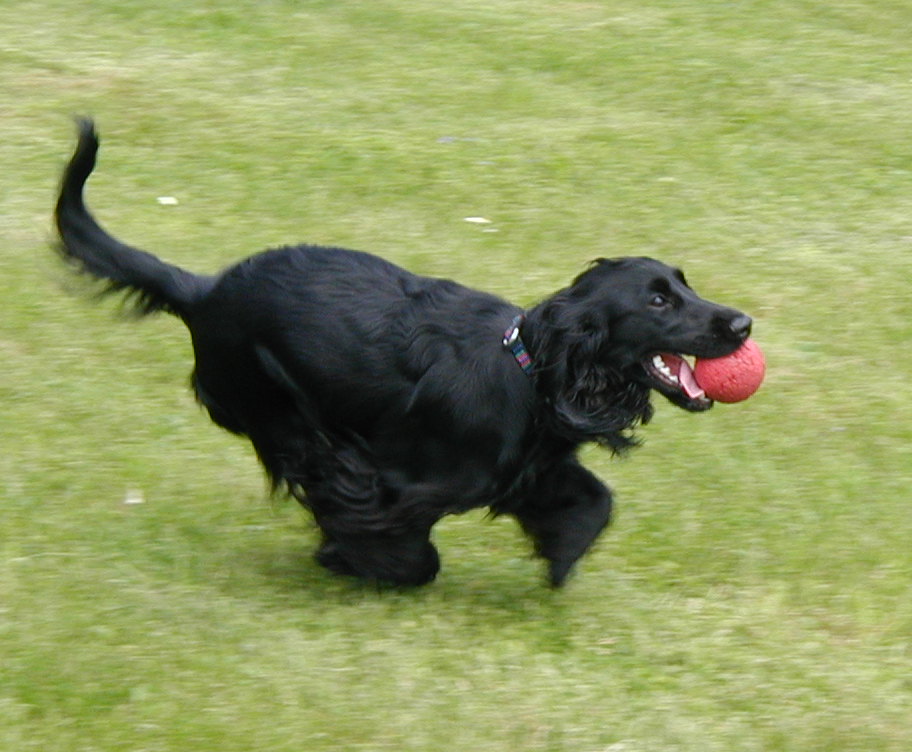
    A blue roan cocker spaniel running
    A blue roan cocker spaniel running. Our pick: AmaGood long training lead on Amazon.ca. Photo: No machine-readable author provided. Hotelgreg11~commonswiki assumed (based on c, via Wikimedia Commons, CC BY-SA 3.0

    Exercising a puppy

    Puppies need plenty of play and exploration, but their joints are still developing, so avoid long, forced walks, repeated jumping, and running alongside a bike. Short outings, free play on soft ground, and lots of rest are ideal. Many owners follow loose rules of thumb such as a few minutes of structured walking per month of age, but there is no exact formula; let your puppy set the pace and ask your vet for advice. See our puppy checklist.

    Mental exercise matters too

    A cocker that has run for an hour but done nothing with its brain may still be restless. Add ten or fifteen minutes of mental work each day:

    • Short training sessions teaching new cues and tricks
    • Puzzle toys and snuffle mats for meals
    • Stuffed, frozen KONG toys
    • Hide-and-seek games with toys or people
    • Calm chewing on a suitable chew toy

    Exercise in hot and cold weather

    In hot weather, walk early and late, carry water, choose shady routes and watch for heavy panting, drooling or weakness, which can signal heatstroke. Hot pavement can burn paws. In winter, cockers usually cope well with cold but can get ice balls in their feathering and salt on their paws. Trim the hair between the pads, rinse paws after walks and consider a paw balm. A reflective collar or light helps on dark evenings.

    Signs your cocker needs more exercise

    • Restlessness and inability to settle in the evening
    • Barking, whining or attention-seeking
    • Destructive chewing or digging
    • Pulling hard on the lead at the start of every walk
    • Weight gain

    Signs of too much

    Lameness, stiffness after rest, reluctance to keep going, excessive panting or a dog that is exhausted for the rest of the day all suggest you are overdoing it. Build fitness gradually, especially for puppies, seniors and dogs returning from injury, and ask your vet if you are unsure.

    A sample weekly plan for an adult cocker

    DayMorningAfternoon or evening
    Monday45-minute walk with off-lead running15-minute training session and puzzle feeder
    TuesdayLong sniffy walk on a long lineRetrieve games in the garden
    WednesdaySwim or beach walk (dry ears after)Calm chew and rest
    Thursday45-minute walkScent game: hide toys around the house
    FridayRun or brisk walkTrick training
    SaturdayLong hike or dog sport classEasy evening stroll
    SundayRelaxed walk somewhere newGrooming session and rest

    Adjust the plan to your dog’s age, fitness, line and the weather. Rest days with gentle walks and enrichment are just as important as busy days, especially for young dogs that are still growing.

    Frequently asked questions

    Can an English Cocker live in an apartment?

    Yes, if it gets enough daily exercise and mental stimulation outside. Access to safe off-lead areas is a big advantage.

    Can I take my English Cocker running?

    Once fully grown, many healthy adult cockers make good running companions. Build distance gradually and avoid hot weather.

    Do working cockers need more exercise?

    Usually, yes. Working-bred cockers often need two hours or more of activity a day, plus training and mental work.

    Is fetch good exercise for a cocker?

    It is great in moderation. Mix it with sniffing and searching games so your dog does not become over-excited.

    Featured photo: No machine-readable author provided. Kessa Ligerro~commonswiki assumed (based on, via Wikimedia Commons, CC BY-SA 3.0