Updated November 2026. English Cocker Spaniel Guide is an independent site, not affiliated with any breed club or kennel club. Some links are affiliate links: as an Amazon Associate we earn from qualifying purchases.
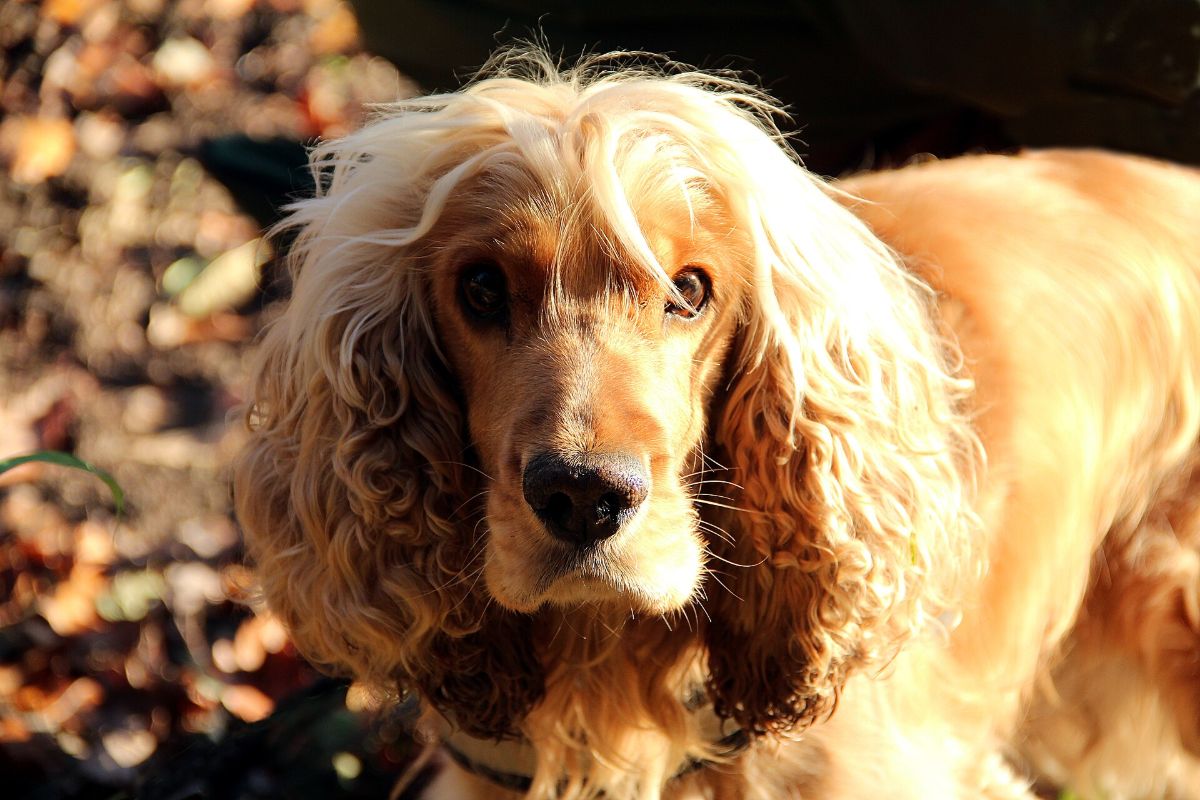
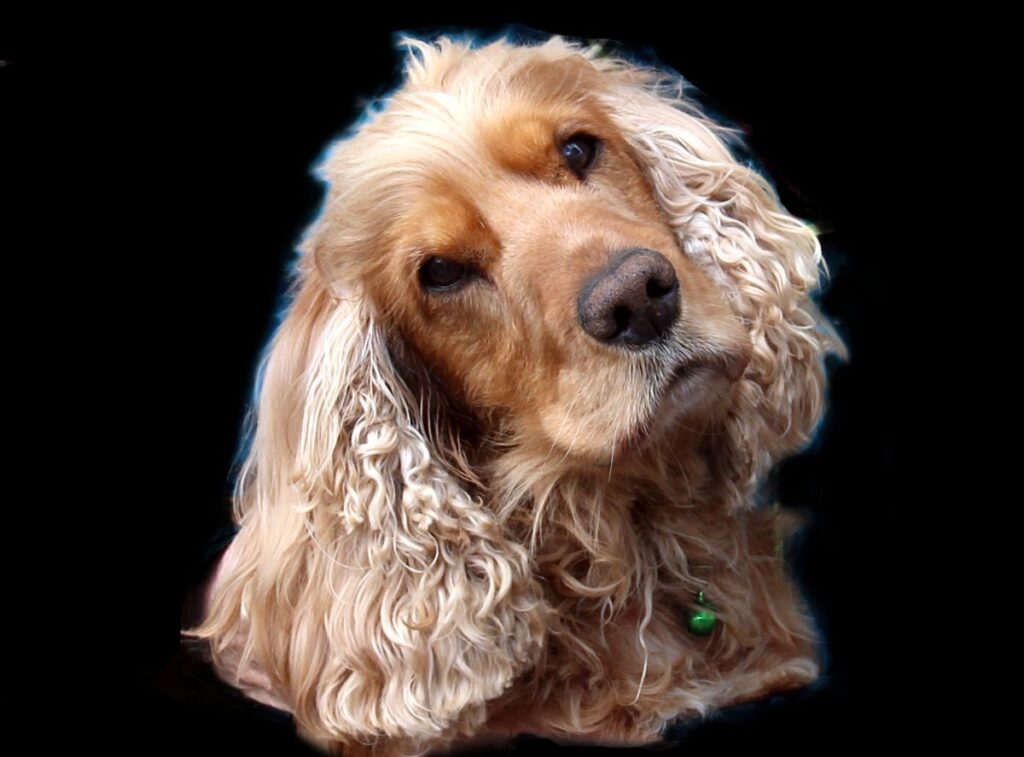
Those long, silky ears are one of the English Cocker Spaniel’s most endearing features, and one of its biggest maintenance jobs. Heavy, hairy ear flaps cover the ear canal, trapping warmth and moisture and creating perfect conditions for yeast and bacteria. Ear infections are among the most common reasons cockers visit the vet. The good news is that a simple weekly routine prevents many problems and helps you catch the rest early. This guide is general information; always follow your veterinarian’s advice for your own dog.
What healthy ears look like
- Pale pink skin inside the ear flap and at the canal opening
- Little or no wax, and only a mild, neutral smell
- No redness, swelling, scabs or discharge
- A dog that is comfortable having its ears handled
Get to know what your dog’s ears normally look and smell like, so you notice changes quickly.
Signs of an ear problem
- Shaking the head or tilting it to one side
- Scratching or rubbing the ears on furniture or the floor
- Redness, swelling or heat
- Dark brown, yellow or bloody discharge
- A strong, yeasty or unpleasant smell
- Pain or reluctance to have the ears touched
- A swollen, puffy ear flap, which can be an aural haematoma caused by head shaking
- Loss of balance or a head tilt, which needs urgent veterinary attention
If you see any of these signs, see your vet before cleaning. Your vet can look inside the canal, check that the eardrum is intact, and take a sample to identify the cause, which determines the right treatment.
Weekly ear check routine
- Lift each ear flap and look inside in good light.
- Sniff gently; a strong smell is an early warning sign.
- Feel for heat, swelling or tangles in the hair near the canal.
- Check the underside of the ear flap and the feathering for grass seeds, burrs and mats, especially after walks in long grass.
- Reward your dog with a treat so ear checks stay pleasant.
How to clean your cocker’s ears
Healthy ears do not always need routine cleaning, but many cockers benefit from regular cleaning, especially after swimming or if they produce a lot of wax. Use a vet-approved ear cleaner, never alcohol, hydrogen peroxide or homemade mixtures unless your vet recommends them.
- Gently hold the ear flap up and fill the ear canal with cleaner, following the product label.
- Massage the base of the ear for about 20 to 30 seconds; you should hear a squishing sound as the cleaner loosens debris.
- Let your dog shake its head (stand back!).
- Wipe away loosened wax and cleaner from the ear flap and the opening of the canal with cotton wool or gauze. Do not push cotton buds into the canal.
- Give a treat and praise, then repeat on the other ear.
Stop and see your vet if the ear seems painful, bleeds, or if your dog has a known or suspected perforated eardrum.
Keeping ears dry
Moisture is a major cause of ear trouble in spaniels, and most cockers love water. After swimming or bathing, dry the ears thoroughly with a towel, and use an ear cleaner with a drying agent if your vet recommends one. Some owners use a snood or a stretchy band such as the Happy Hoodie to hold the ears back while drying with a blow dryer on a low setting.
Trimming ear hair
Trimming the hair on the underside of the ear flap and around the canal opening improves airflow and reduces wax build-up. Use rounded-tip scissors or clippers and work carefully. Plucking hair from inside the canal is controversial; some vets recommend it for certain dogs and others advise against it because it can irritate the canal. Ask your vet what is best for your cocker.

Mealtimes and long ears
Long ears dangle into food and water bowls, getting sticky and wet, which can contribute to ear problems and matted feathering. Narrow, tall spaniel bowls keep the ears outside the bowl, and a snood can keep them clean while eating.
Grass seeds
In summer, sharp grass seeds can work their way into the ear canal and cause sudden, severe head shaking and pain. They can be hard to see and may need to be removed by a vet. Check ears after every walk through long grass, and keep the feathering trimmed during grass-seed season.
Recurring infections
If your cocker keeps getting ear infections, there is often an underlying cause, such as allergies to food or the environment, hormonal problems, excess hair or narrow canals. Repeated infections can thicken the canal over time and become harder to treat, so work with your vet to find and manage the cause rather than relying on repeated short courses of treatment.
Teaching your cocker to enjoy ear care
Ear care is much easier with a dog that is relaxed about having its ears handled. Start with puppies, or go slowly with adult dogs: touch the ear for a second, give a treat, and stop. Gradually build up to lifting the ear flap, looking inside, wiping the outer ear and finally using the cleaner. Keep sessions short and positive, and use a lick mat spread with a little dog-safe paste to keep your dog busy. If your dog is already sore or anxious, ask your vet for help rather than forcing the issue, because a painful experience can make future care much harder.
Frequently asked questions
How often should I clean my cocker’s ears?
Check weekly. Clean when you see wax or debris and after swimming. Your vet can recommend a frequency for your dog.
Can I use olive oil or vinegar to clean ears?
Use only products your vet recommends. Homemade remedies can irritate the ear or make infections worse.
Why do my cocker’s ears smell?
A strong or yeasty smell often signals an infection. See your vet for a diagnosis before treating.
Should I pluck my cocker’s ear hair?
Opinions differ. Trim the hair around the opening and ask your vet whether plucking is appropriate for your dog.
Featured photo: Jean-Pol GRANDMONT, via Wikimedia Commons, CC BY 4.0
Leave a Reply