Updated November 2026. English Cocker Spaniel Guide is an independent site, not affiliated with any breed club or kennel club. Some links are affiliate links: as an Amazon Associate we earn from qualifying purchases.
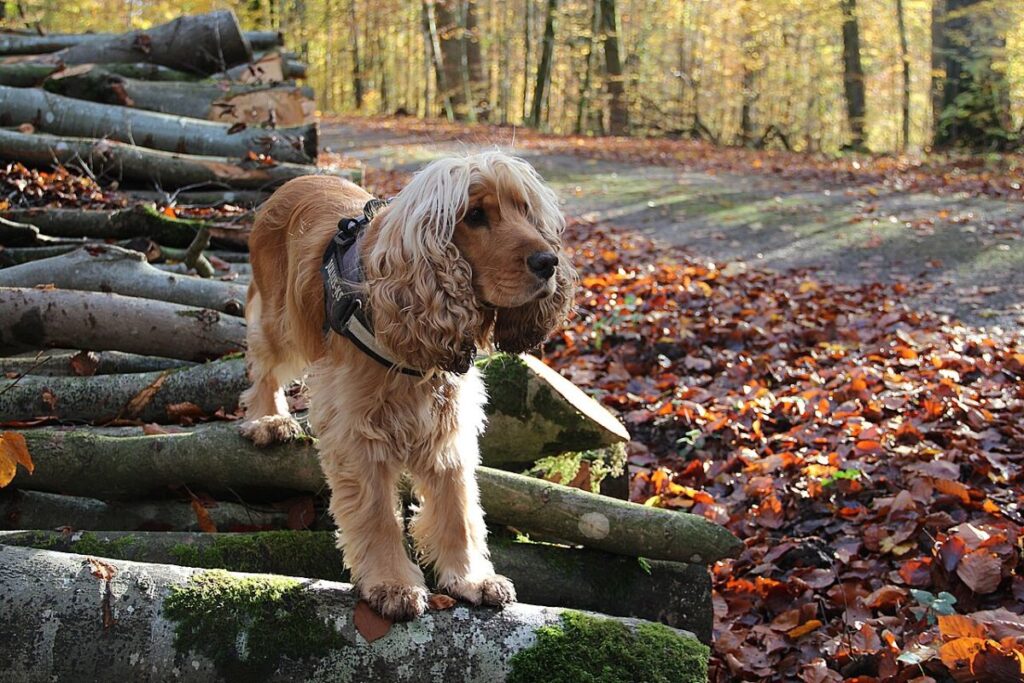
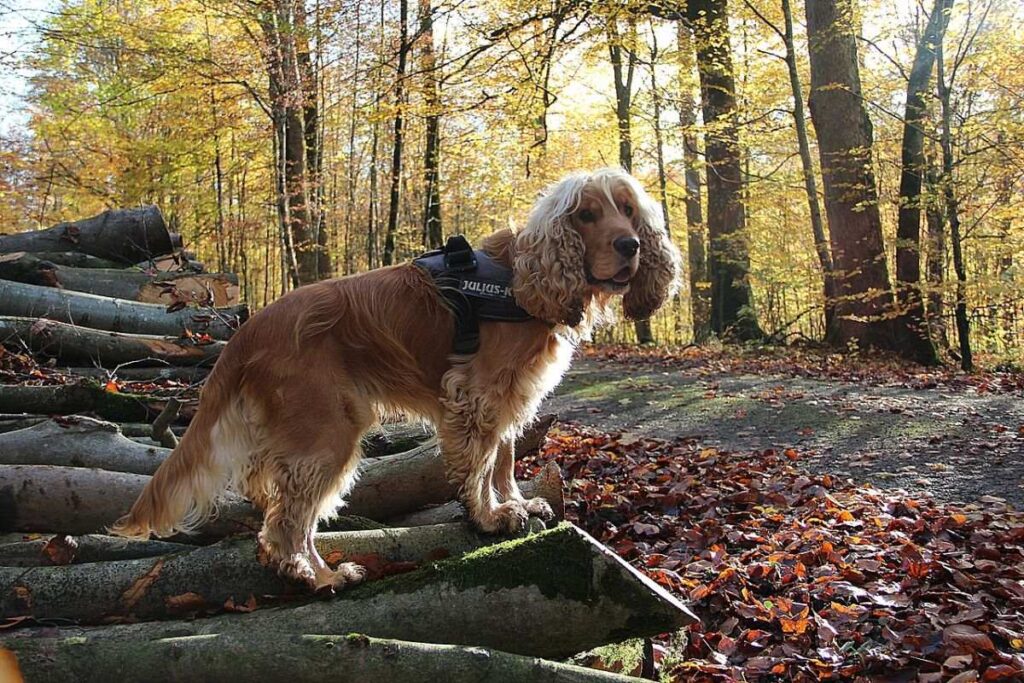
English Cocker Spaniels are bred to follow their noses, and a cocker that has caught an interesting scent will pull hard on the lead. A flat collar puts all of that force on the throat, which is uncomfortable and, in a dog that pulls constantly, can contribute to coughing and neck strain. A well-fitted harness spreads the load across the chest and shoulders and gives you far better control of a bouncy young spaniel.
There are two main types worth considering: a padded, Y-front everyday harness that leaves the shoulders free to move, and a front-clip training harness that turns your dog gently towards you when it pulls. Here are the three we would buy on Amazon.ca for a cocker, and how to fit one properly.
Quick picks
- Best everyday harness: rabbitgoo No-Pull Dog Harness
- Best for pullers: PetSafe Easy Walk Harness
- Best budget option: Annchwool No-Pull Harness
These are our picks from Amazon.ca, chosen on design, materials, suitability for a medium-sized spaniel, and the volume and consistency of buyer reviews. We have not lab-tested them ourselves.
The best harnesses for cocker spaniels
1. rabbitgoo No-Pull Dog Harness: best everyday
A padded harness with four adjustment points, a front clip and a back clip, and a handle on top. The adjustability is what makes it work for spaniels, which have a deep chest and a fairly narrow waist. Reflective stitching helps on dark winter walks, and the handle is useful for steadying a dog over stiles or into the car.
- Good for: daily walks, hiking, dogs with a deep chest
- Watch for: size carefully; most adult English Cockers take a medium
Check the rabbitgoo No-Pull Dog Harness on Amazon.ca →
2. PetSafe Easy Walk Harness: best for pullers
The Easy Walk is a front-clip harness designed by a vet behaviourist. When your dog pulls, the lead attachment on the chest turns it gently to the side so it cannot lean its full weight into the walk. It is lightweight and quick to put on, and it is the harness many trainers recommend while you teach loose-lead walking.
- Good for: strong pullers, lead training, young dogs
- Watch for: the strap across the front can rub some dogs; check fit and use it as a training tool rather than forever
Check the PetSafe Easy Walk Harness on Amazon.ca →
3. Annchwool No-Pull Harness: best value
A soft, padded vest-style harness with front and back attachment points at a modest price. It is easy to slip over the head and buckle, which suits wriggly puppies, and it comes in a range of sizes you can move through as your dog grows.
- Good for: puppies, budget buyers, a spare harness
- Watch for: vest styles can be warm in summer and restrict shoulder movement more than a Y-front design
Check the Annchwool No-Pull Harness on Amazon.ca →
Comparison
| Harness | Style | Clips | Best for |
|---|---|---|---|
| rabbitgoo | Padded Y-front | Front and back | Everyday walks |
| PetSafe Easy Walk | Front-clip training | Front | Pullers |
| Annchwool | Padded vest | Front and back | Puppies, value |
How to fit a harness on a cocker spaniel
- Measure the widest part of the chest just behind the front legs and the neck where a collar would sit, then check the size chart.
- Adjust the neck so the harness sits low on the chest bone, not across the throat.
- Tighten the chest strap until you can slide two fingers under it, and no more.
- Watch your dog walk: the straps should not cross the point of the shoulder or rub in the armpit.
- Check the fit again after a few walks and as your puppy grows, and check for rubbing on the hair behind the front legs.
Harness or collar?
Your dog should still wear a flat collar with an ID tag, since that is a legal requirement in many places and the fastest way for a finder to contact you. For walking, the harness is the better attachment point for most spaniels. If you are working on recall, clip a long line to the back of the harness, never to a collar, so a sudden stop does not jolt the neck. Our recall training guide and long line picks explain how.
Teaching loose-lead walking
A harness gives you control, but it does not teach manners on its own. The most effective method for spaniels is simple: stop when the lead goes tight, and move forward the moment it goes slack. Reward your dog with a small training treat when it is walking beside you. Short, frequent sessions in a boring place work far better than trying to train on the way to a field full of rabbits. Expect it to take weeks rather than days with a keen young cocker.
Harness care and safety
- Rinse mud off after walks and let the harness dry fully before the next use.
- Check buckles and stitching regularly, especially on a dog that rolls or swims.
- Take the harness off at home and in the crate so it cannot catch on anything.
- Brush the coat under the straps; feathering behind the front legs can matt where the harness rubs.
Frequently asked questions
What size harness does an English Cocker need?
Most adults take a medium, but chest measurements vary between show and working lines, so always measure your own dog.
Are no-pull harnesses cruel?
A well-fitted front-clip harness is not cruel. It simply redirects your dog when it pulls. Avoid any design that tightens painfully.
Can a puppy wear a harness?
Yes. Introducing a lightweight harness early, with lots of treats, makes it easier for your puppy to accept one as it grows.
Should my dog wear a harness all the time?
No. Take it off at home so the coat can breathe and the straps do not rub.
Featured photo: Kreuzschnabel, via Wikimedia Commons, CC BY-SA 3.0
Leave a Reply