Updated November 2026. English Cocker Spaniel Guide is an independent site, not affiliated with any breed club or kennel club. Some links are affiliate links: as an Amazon Associate we earn from qualifying purchases.
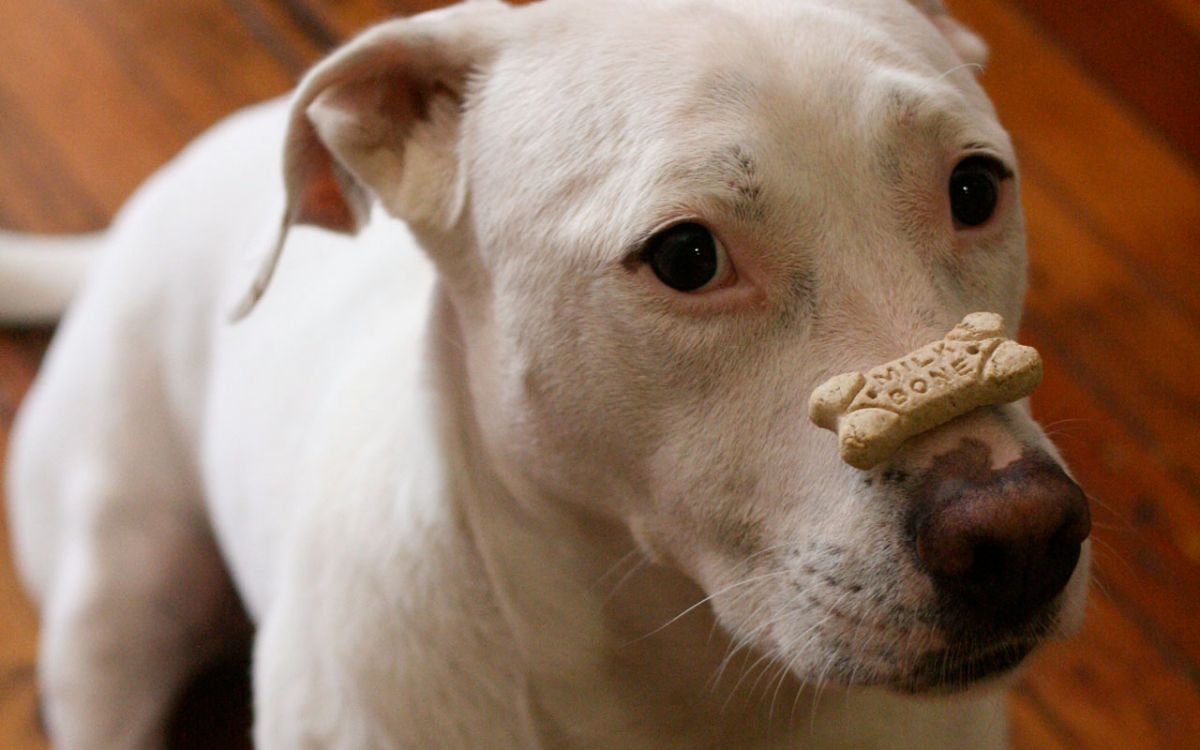
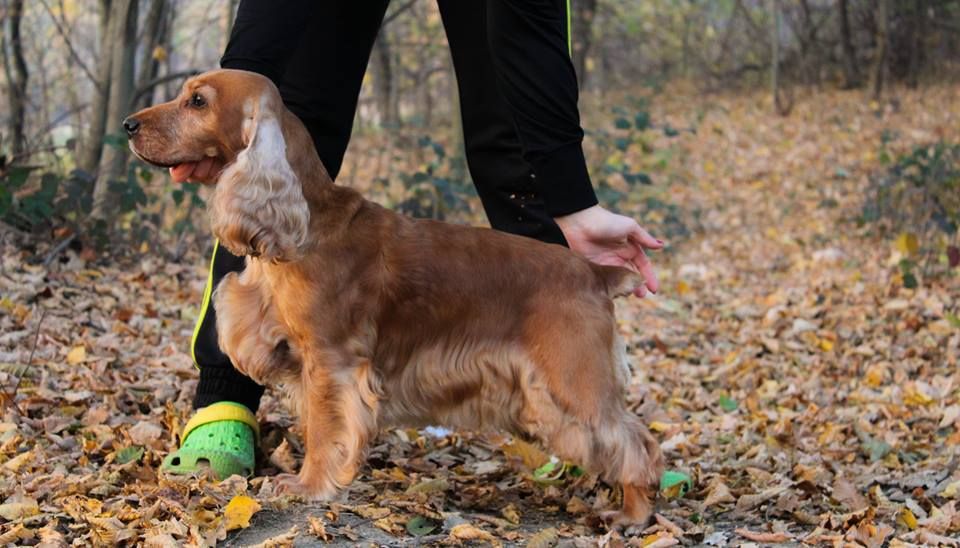
English Cocker Spaniels are famously food-motivated, and that is great news for training. A cocker will work hard for a tiny piece of something tasty, which makes reward-based training fast and enjoyable. The catch is that the breed also gains weight easily, so the best training treats are small, soft, smelly enough to compete with a rabbit trail, and low in calories per piece.
Here are the treats and the treat pouch we would choose from Amazon.ca, followed by advice on how many treats to use, how to adjust meals, and when to swap food for toys or praise.
Quick picks
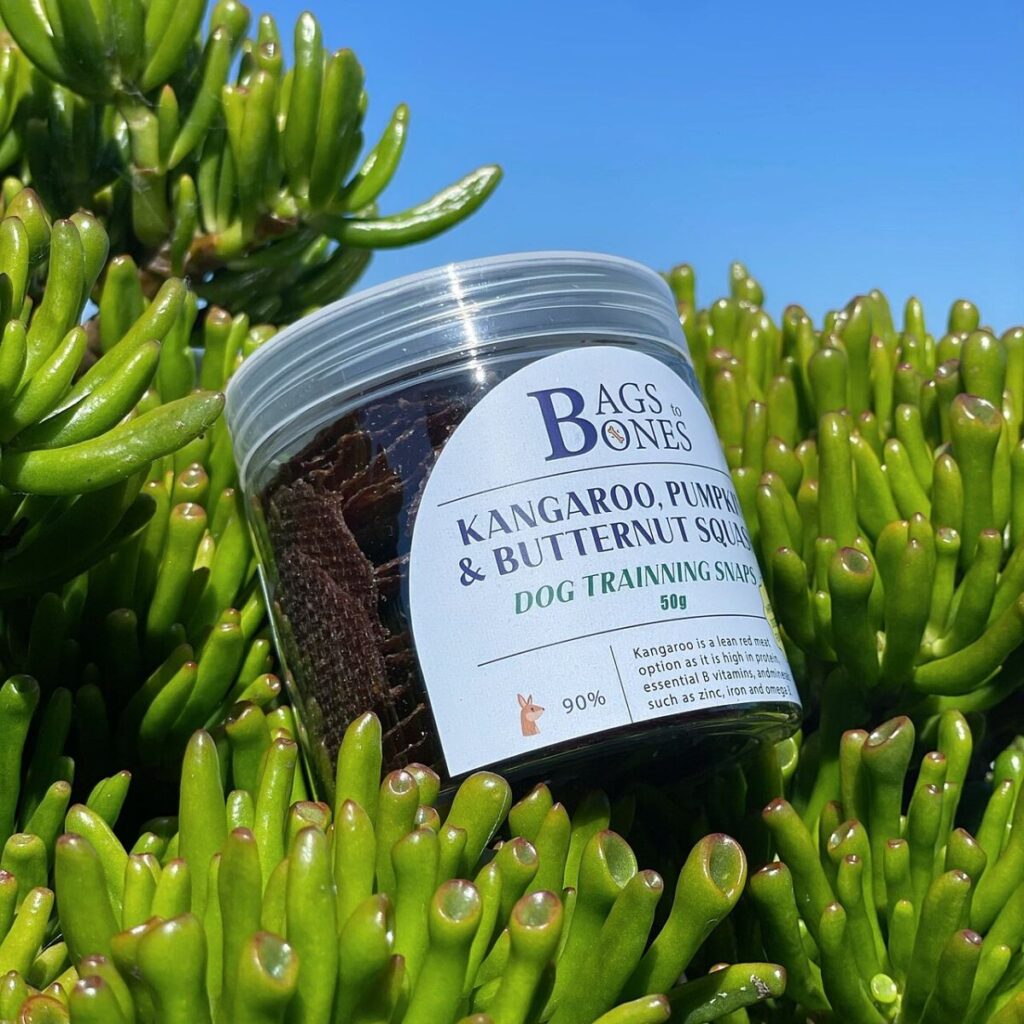
- Best low-calorie treat: Crumps’ Naturals Mini Trainers
- Best soft treat: Zuke’s Mini Naturals
- Best treat pouch: Mighty Paw treat pouch
These are our picks from Amazon.ca, chosen on design, materials, suitability for a medium-sized spaniel, and the volume and consistency of buyer reviews. We have not lab-tested them ourselves.
The best training treats for cocker spaniels
1. Crumps’ Naturals Mini Trainers: best low-calorie
Tiny freeze-dried liver pieces with a strong smell that spaniels find irresistible and very few calories per treat. They are crunchy but break easily into even smaller pieces, so one bag lasts a long time. Their high value makes them ideal for recall and for training in distracting places.
- Good for: recall, high-distraction training, weight-conscious dogs
- Watch for: freeze-dried liver crumbles in a pocket; keep it in a pouch
Check the Crumps’ Naturals Mini Trainers on Amazon.ca →
2. Zuke’s Mini Naturals: best soft treat
Small, soft training treats that a dog can swallow quickly without stopping to chew, which keeps a training session flowing. They are a popular choice with trainers for exactly that reason, and the soft texture suits puppies with new teeth.
- Good for: puppy training, fast-paced sessions, clicker training
- Watch for: count them: soft treats are easy to overfeed
Check the Zuke’s Mini Naturals on Amazon.ca →
3. Mighty Paw Treat Pouch: best pouch
A good treat pouch makes a real difference to your timing. This one clips to a belt or waistband, opens and closes with one hand, and has space for poo bags and keys. Being able to reward within a second of your dog doing the right thing is what makes training work.
- Good for: every walk and training session
- Watch for: wash it regularly, as soft treats leave residue
Check the Mighty Paw Treat Pouch on Amazon.ca →
Comparison
| Product | Type | Texture | Best for |
|---|---|---|---|
| Crumps’ Mini Trainers | Freeze-dried liver | Crunchy, breakable | High-value recall |
| Zuke’s Mini Naturals | Soft training treat | Soft | Puppies, fast sessions |
| Mighty Paw | Treat pouch | n/a | Carrying treats on walks |
What makes a good training treat?
- Small. Pea-sized or smaller. You want your dog to swallow and look back at you, not chew for ten seconds.
- Smelly and tasty. The more distracting the place, the higher the value of reward you need.
- Low in calories. Dozens of rewards add up quickly, especially for a breed prone to weight gain.
- Easy to carry. Treats that do not crumble or go greasy in a pouch are much easier to use.
How many treats is too many?
As a general rule, treats should make up no more than about 10 percent of your dog’s daily calories. On a heavy training day, reduce the size of meals to compensate, or use part of your dog’s normal kibble as rewards for easy tasks at home and save the high-value treats for outdoors. Check your dog’s body condition regularly: you should be able to feel the ribs easily under a light covering. Our feeding guide explains portions and body condition scoring.
Using treats for training a spaniel
Use treats to teach a new behaviour, then gradually make rewards less predictable once your dog understands what you are asking. For a cocker, a reward does not have to be food: a quick game with a ball, a chance to sniff, or being sent to find a hidden toy can all work well once your dog knows the basics. Food is still the fastest way to build a reliable recall, so keep the best treats for that. Read our recall training guide for a step-by-step plan.
Treats for puppies
Puppies have small stomachs and are still adjusting to their food, so introduce new treats one at a time and keep the pieces tiny. Soft treats are easier for puppies to eat quickly. During house training, have a treat ready every time you take your puppy outside so you can reward it the moment it toilets in the right spot.
Safety tips
- Never use cooked bones, grapes, raisins, chocolate, onions or anything containing xylitol as treats; these are dangerous for dogs.
- Supervise chewy treats, and choose sizes appropriate for a medium dog.
- If your dog has a sensitive stomach or allergies, choose single-ingredient treats and talk to your vet.
- Always keep fresh water available.
High-value versus everyday rewards
It helps to think of treats in tiers. Everyday rewards, such as a piece of kibble or a low-value biscuit, are fine for sit, down and other easy tasks in the kitchen. Medium-value treats suit walks and new places. High-value rewards, like freeze-dried liver, cheese or a little cooked chicken, are reserved for recall and for the most distracting situations. Spaniels quickly learn what you have in your pocket, so mixing tiers keeps them guessing and keeps the best rewards special.
Frequently asked questions
What are the best treats for training a cocker spaniel?
Small, soft or easily broken treats with a strong smell, such as freeze-dried liver or soft mini training treats.
Can I use kibble as training treats?
Yes, for easy tasks at home. Many dogs need something more exciting when training outdoors.
How do I stop my spaniel getting fat from treats?
Use tiny pieces, count treats as part of the daily allowance, and reduce meals slightly on heavy training days.
When can I stop using treats?
You can fade food rewards gradually once a behaviour is reliable, but occasional rewards keep recall strong for life.
Featured photo: https://www.flickr.com/photos/pbump/with/5637773582/, via Wikimedia Commons, CC BY-SA 2.0
Leave a Reply