Updated November 2026. English Cocker Spaniel Guide is an independent site, not affiliated with any breed club or kennel club. Some links are affiliate links: as an Amazon Associate we earn from qualifying purchases.
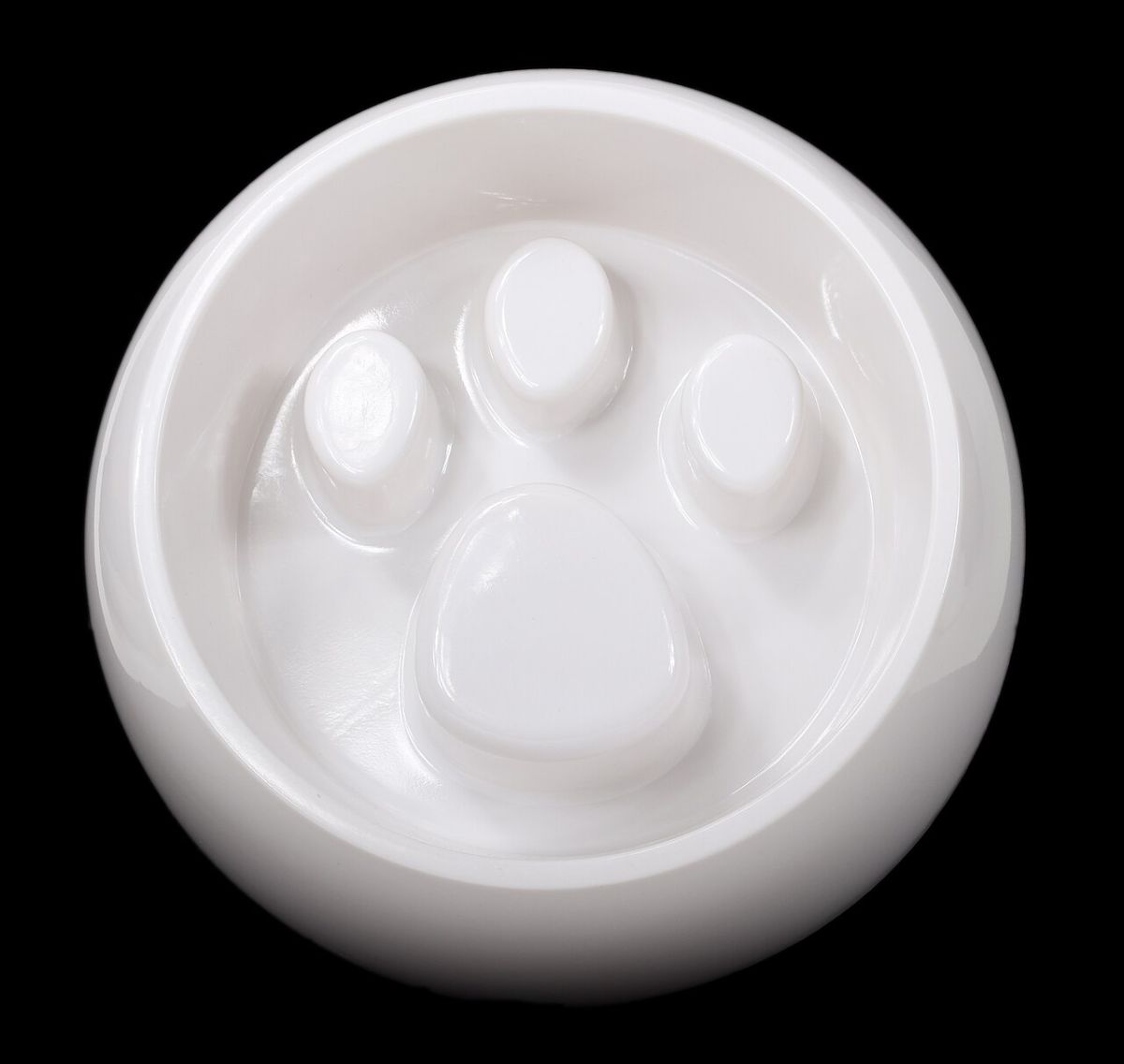
English Cocker Spaniels are famously food-motivated. Many will empty a bowl of kibble in seconds, then look up hopefully for more. Gulping food that fast can lead to swallowing air, regurgitating the meal, or simply missing out on the mental work of eating. A slow feeder dog bowl turns dinner into a small puzzle, slowing your dog down and giving that busy spaniel brain something to do.
This guide explains what slow feeders do (and what they can’t do), how to choose one that suits a cocker’s size and long ears, and our picks from Amazon. We have not lab-tested these bowls ourselves; our choices are based on design, materials and buyer reviews. This is general information, not veterinary advice.
Quick picks
- Best overall: Outward Hound Fun Feeder Slo Bowl, the best-known slow feeder, with a deep maze pattern and a huge number of reviews.
- Best stainless steel: Feedoo 2-Cup Stainless Steel Slow Feeder, food-grade steel with a non-slip rubber base.
- Best for your existing bowl: MateeyLife Slow Feeder Insert, a suction-cup insert that turns a regular bowl into a slow feeder.
- Best for wet food and enrichment: LUKITO Lick Mat (2-pack), for spreading wet food, yogurt or soaked kibble.
Why slow feeders help fast-eating spaniels
Slow feeder bowls have raised ridges, spirals or bumps that break the food up into small channels. Your dog has to nose and lick the food out a little at a time instead of taking huge mouthfuls. Potential benefits include:
- Slower eating. A small 2016 study of ten pet dogs by Buckley and Lees found that “go slow” bowls significantly reduced eating speed compared with a standard bowl.
- Less gulping and regurgitation. Owners often report fewer cases of dogs bringing up food shortly after eating.
- Mental enrichment. Working food out of a puzzle uses the same nose-driven problem solving cockers were bred for.
- Better portion satisfaction. A meal that lasts longer can feel more satisfying, which helps if your cocker is on a weight-control diet.
It’s worth being honest about the limits. The same study found dogs did not show a preference for the slow bowl when given a choice, and the dogs got a bit faster with practice. Slow feeders are often promoted as preventing bloat (gastric dilatation-volvulus, or GDV), but the evidence linking eating speed to GDV is mixed and no slow feeder has been shown to prevent it. If your dog ever has a swollen belly, is retching without bringing anything up, or seems restless and in pain after eating, treat it as an emergency and call your vet straight away.
The best slow feeder bowls for English Cocker Spaniels
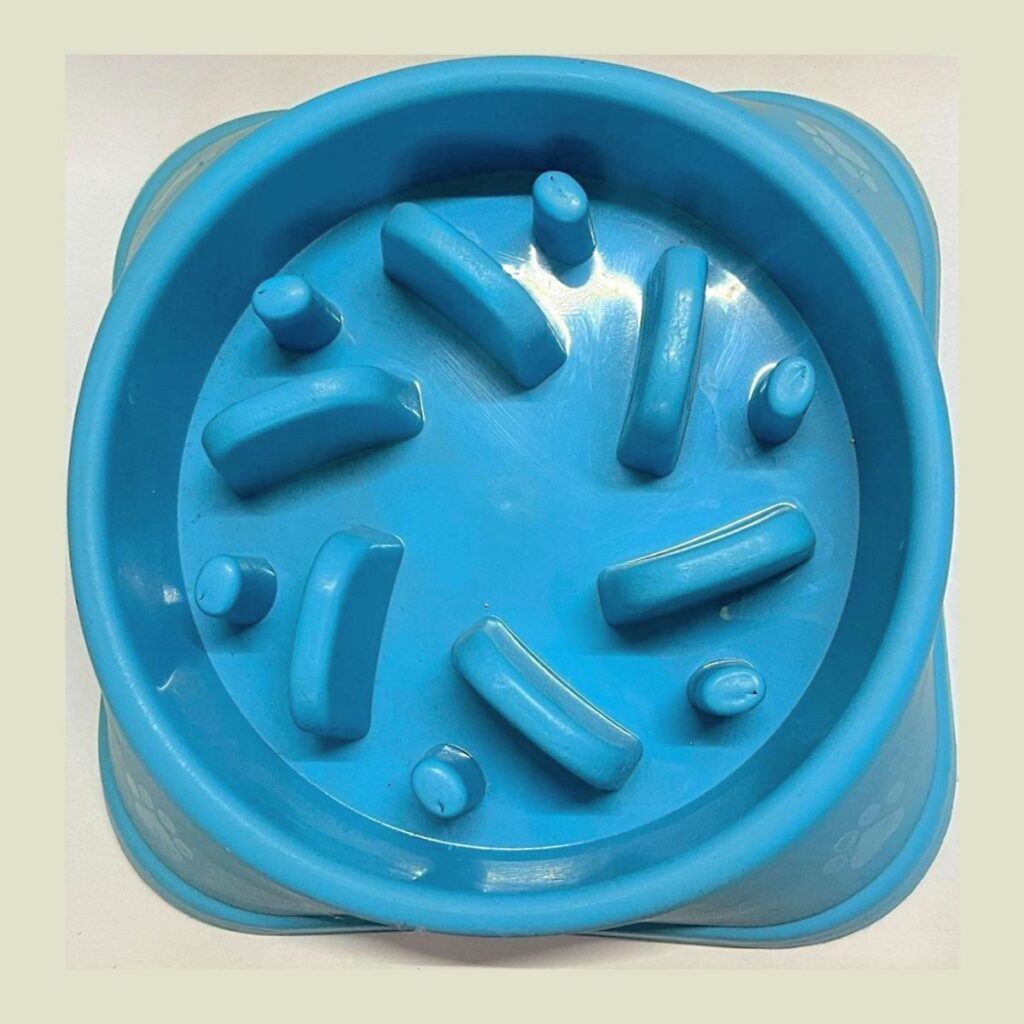
1. Outward Hound Fun Feeder Slo Bowl: best overall
The Outward Hound Fun Feeder is the slow feeder most people have heard of, and it has an enormous number of reviews on Amazon.ca. This 11.8-inch version holds up to 4 cups and uses the brand’s most challenging maze, which Outward Hound says can slow eating by up to 10 times. That’s more capacity than most cockers need, but the deep, winding pattern suits determined gulpers. The bowl is plastic, so check it regularly and replace it if it becomes heavily scratched or chewed. Outward Hound makes other sizes and difficulty levels if this one is too large or too hard for your dog.
2. Feedoo 2-Cup Stainless Steel Slow Feeder: best stainless steel
Stainless steel is easy to clean, durable and doesn’t scratch like plastic. The Feedoo slow feeder is a double-wall, food-grade stainless steel bowl with a raised flower-shaped centre and a non-slip rubber base. The 2-cup size suits medium breeds like the English cocker. Its pattern is simpler than a plastic maze, so it slows dogs down less dramatically, but it’s a good choice if you prefer steel.
3. MateeyLife Slow Feeder Insert: best for your existing bowl
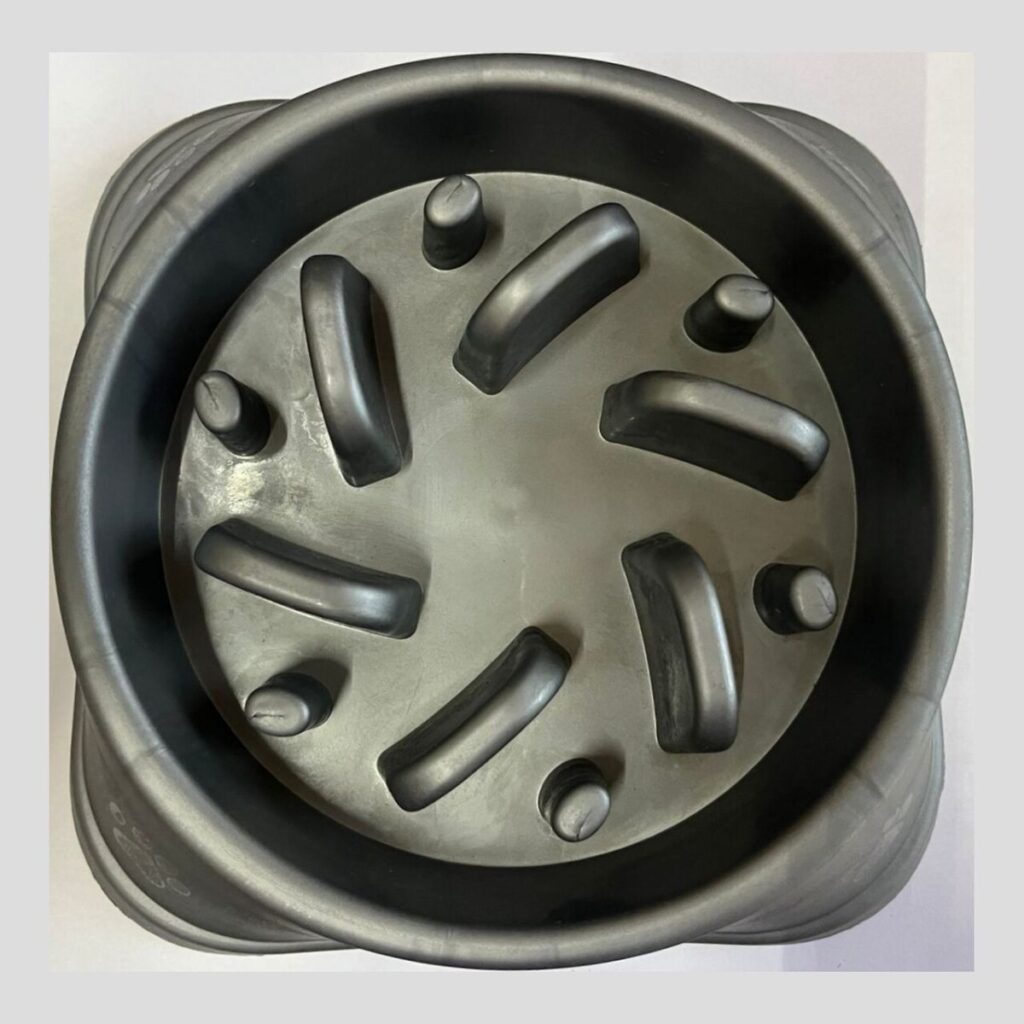
If your cocker already has a bowl you like, such as a narrow-topped spaniel bowl that keeps ears out of food, an insert is a neat solution. The MateeyLife insert presses onto the bottom of a bowl with suction cups and turns it into a slow feeder. Measure the base of your bowl before you buy to make sure it fits. See our guide to spaniel bowls and snoods for ear-friendly bowls.
4. LUKITO Lick Mat: best for wet food and enrichment
Lick mats are textured silicone mats you spread with wet food, plain yogurt or soaked kibble. Licking is calming for many dogs, and a frozen lick mat can keep a cocker busy during grooming or bath time. The LUKITO 2-pack has suction cups so you can stick it to a wall or tub. Always supervise, since some dogs will try to chew silicone.
Comparison table
| Bowl | Material | Capacity | Difficulty | Best for | |
|---|---|---|---|---|---|
| [[B00FPKNRG4 | Outward Hound Fun Feeder]] | Plastic | Up to 4 cups (this size) | High | Very fast eaters |
| [[B0D1FMP3S5 | Feedoo stainless]] | Stainless steel | 2 cups | Moderate | Durability and easy cleaning |
| [[B0CNRFLHDK | MateeyLife insert]] | Silicone/plastic insert | Depends on your bowl | Moderate | Keeping your current bowl |
| [[B09FPTDBRZ | LUKITO lick mat]] | Silicone | Spread thinly | Low to moderate | Wet food, calming, grooming |
How to choose a slow feeder for a cocker
- Size. English cockers are a medium breed; VCA describes them as weighing about 26 to 34 pounds. A bowl that holds 2 to 4 cups is plenty for most.
- Ears. Long feathered ears drag in food and water. A slow feeder with a narrower top, a snood at mealtimes, or an insert in a spaniel bowl helps keep ears clean.
- Pattern difficulty. Start with an easier pattern for puppies and older dogs, then move to a harder one if your dog still gulps.
- Material. Stainless steel is the most durable and hygienic; plastic offers more complex patterns; silicone suits lick mats and inserts.
- Non-slip base. Enthusiastic spaniels push bowls around the floor. Look for rubber feet or a weighted base.
- Easy cleaning. Deep mazes trap food. Check whether the bowl is dishwasher safe and keep a bottle brush handy.
Getting your cocker used to a slow feeder
- Start with a few pieces of kibble in the new bowl so your dog learns where the food is.
- Feed part of the meal in the slow feeder and part in the normal bowl for a few days.
- Praise calmly and let your dog work it out; don’t help unless they give up completely.
- Move to full meals in the slow feeder once your dog is happy using it.
- Watch for frustration. If your dog paws at or flips the bowl, try an easier pattern.
Other ways to slow down a fast eater
- Scatter feeding on a clean lawn, which suits a spaniel’s natural urge to hunt with its nose
- Puzzle toys and treat balls; see our best dog puzzle toys
- Splitting the daily ration into more, smaller meals
- Using part of the ration as training rewards on walks
- Feeding in a quiet spot away from other pets, since competition can make dogs eat faster
For more on how much and how often to feed, see our guide to feeding an English Cocker Spaniel.
Frequently asked questions
Are slow feeders good for cocker spaniels?
For fast eaters, yes. They slow eating and add enrichment. They aren’t needed for dogs that already eat calmly.
Do slow feeders prevent bloat?
There’s no good evidence that any bowl prevents bloat (GDV). Slow feeders reduce eating speed, which may help with gulping, but if you’re worried about bloat, talk to your vet about feeding routines and warning signs.
Can puppies use slow feeder bowls?
Yes, but choose an easy pattern and supervise so they don’t get frustrated. Make sure they’re still eating their full ration.
How do I clean a slow feeder?
Wash it after every meal with hot soapy water and a bottle brush, or in the dishwasher if the maker says it’s safe. Replace plastic bowls that are scratched or chewed.
My cocker vomits after eating quickly. What should I do?
A slow feeder may help, but repeated vomiting or regurgitation needs a vet check to rule out medical causes.
Related guides
- Feeding an English Cocker Spaniel
- Spaniel bowls and snoods
- Best dog puzzle toys
- Best dog training treats
Sources
- Buckley, L. and Lees, H. (2016), Go slow feeding bowls: how effective are they? Harper Adams University, Veterinary Evidence Today conference poster
- VCA Animal Hospitals: English Cocker Spaniel
- Product details from manufacturers’ listings on Amazon.ca, November 2026
Featured photo: Lionel Allorge, via Wikimedia Commons, CC BY-SA 3.0
Leave a Reply