Updated November 2026. English Cocker Spaniel Guide is an independent site, not affiliated with any breed club or kennel club. Some links are affiliate links: as an Amazon Associate we earn from qualifying purchases.
English Cocker Spaniels often stay playful and youthful well into their senior years, and many live to around 12 to 14 years or more. As your cocker ages, though, its needs change: it may slow down on walks, sleep more, become stiffer after rest, and need closer attention to weight, teeth, eyes, ears and joints. With thoughtful care, the senior years can be some of the most rewarding you share. This guide explains what changes to expect and how to keep an older cocker comfortable and happy. Always discuss specific health concerns with your veterinarian.
When is a cocker a senior?
Many vets consider medium-sized dogs to be entering their senior years at around eight to ten years old, though every dog ages differently. Working cockers that have been very active may show wear on joints earlier, while some cockers seem ageless until their teens. The key is to watch for changes and adapt as they happen.
Common changes in older cockers
- Slowing down, shorter walks and more sleep
- Stiffness after rest, difficulty with stairs or jumping into the car
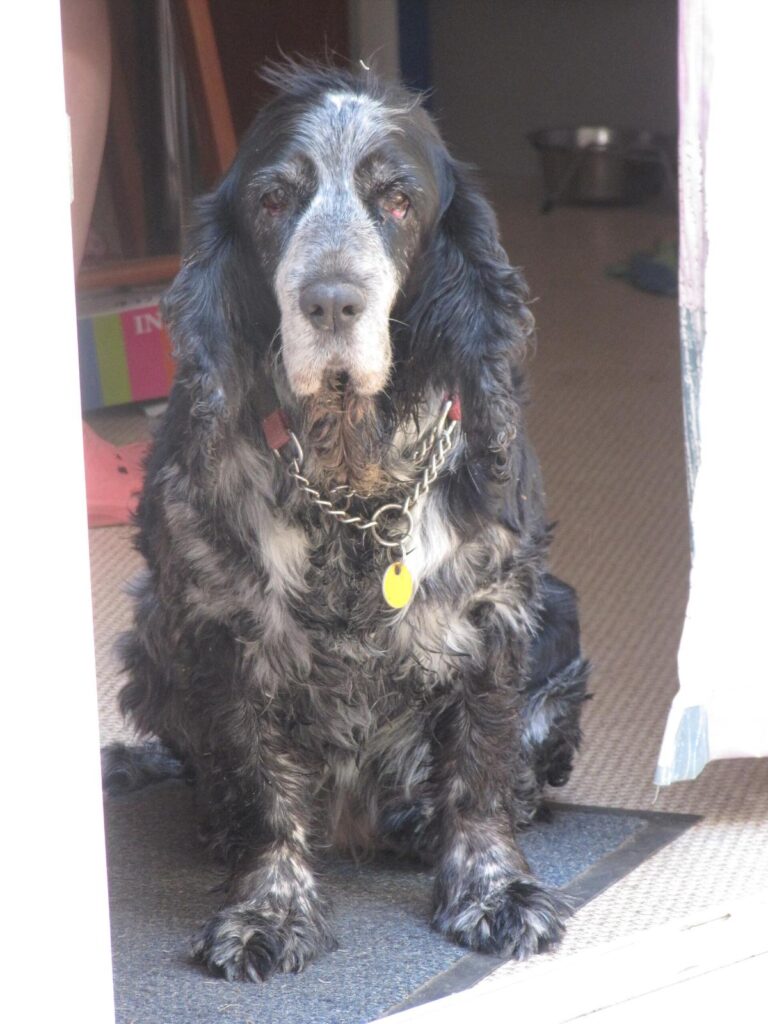
- Greying around the muzzle and changes in coat texture
- Cloudy eyes, which may be normal ageing (nuclear sclerosis) or cataracts
- Reduced hearing
- Weight gain from lower activity, or weight loss from illness
- Dental disease
- Lumps and bumps, most harmless but some needing investigation
- Changes in sleep patterns, confusion or anxiety, which can be signs of cognitive decline
Vet care for seniors
Many vets recommend check-ups every six months for senior dogs, often with blood and urine tests to catch kidney, liver, thyroid and other problems early. Kidney function declines with age in many dogs, and older cockers can also develop eye, heart and hormonal conditions, so routine monitoring is valuable. Report any change in drinking, urination, appetite, weight, breathing or behaviour. See our health guide for breed-specific conditions.
Comfort and joints
Arthritis is common in older dogs and can be well managed. Signs include stiffness, reluctance to jump or climb stairs, licking joints and lagging behind on walks. Your vet can recommend pain relief, supplements, weight management and physical therapy. At home:
- Provide a thick, supportive orthopedic bed away from drafts
- Put rugs or runners on slippery floors
- Use a ramp or lift your dog into the car rather than letting it jump
- Keep nails short so your dog has good grip; a nail grinder helps
- Use a supportive harness to help steady your dog on stairs
- Keep your dog lean; extra weight makes arthritis much worse
Exercise for older cockers
Senior cockers still need daily exercise to keep muscles strong and joints mobile, but shorter, gentler and more frequent outings suit them better than long hikes. Let your dog sniff and explore; scent work is gentle on the body and wonderful for the mind. Swimming in calm, warm water can be good low-impact exercise, but dry the ears afterwards. Avoid extreme heat and cold, and watch for signs of fatigue. See our exercise guide.
Diet for senior cockers
Older dogs often need fewer calories but still need high-quality protein to maintain muscle. Your vet may suggest a senior or joint-support diet, or a special diet for kidney or other conditions. Weigh your dog regularly and adjust portions; see our feeding guide. Soaking kibble can help dogs with dental pain, and a LickiMat or slow feeder keeps mealtimes interesting.
Grooming an older cocker
Older cockers may find long grooming sessions tiring and may have sensitive joints, skin lumps or sore ears. Keep sessions short, groom on a non-slip surface, and consider a shorter, practical trim to make care easier. Continue weekly ear checks, regular tooth brushing and nail trims. Grooming is also a good time to check for new lumps, which you should report to your vet.
Keeping the mind young
Mental stimulation helps keep older dogs engaged and may slow cognitive decline. Teach simple new tricks, play gentle scent games, use puzzle toys and take your dog to new places to sniff. Keep routines predictable, as older dogs with cognitive changes can become anxious when things change.
Quality of life
As your cocker ages, you may face difficult decisions. Your vet can help you assess quality of life, considering pain, appetite, mobility, hygiene, happiness and whether good days outnumber bad. Planning ahead and talking openly with your vet makes these decisions less overwhelming when the time comes.
Adapting your home
Small changes make a big difference to an older cocker. Raise food and water bowls slightly if bending down seems uncomfortable, and choose narrow spaniel bowls so long ears stay dry. Block off steep stairs with a baby gate, add night lights if your dog seems unsure in the dark, and keep furniture in the same places for dogs with failing eyesight. A car seat cover or low crate makes car travel easier for a dog that can no longer jump in.
Hearing and vision loss
Many older dogs lose some hearing or sight. Teach hand signals while your dog can still hear, approach a deaf dog so it can see you, and avoid startling a sleeping dog by touching it gently or tapping the floor. Dogs adapt remarkably well to gradual vision loss as long as their environment stays predictable.
Toileting changes
Older dogs may need to go out more often, including at night. Increased thirst or urination, accidents in the house or straining can signal kidney disease, urinary infections, diabetes or other conditions, so mention any changes to your vet rather than assuming they are simply old age.
Frequently asked questions
How long do English Cocker Spaniels live?
Many live around 12 to 14 years, and some longer, with good care and a bit of luck.
At what age is a cocker considered a senior?
Often around eight to ten years, though individual dogs age at different rates.
Should my senior cocker still go for walks?
Yes, usually. Shorter, gentler walks with time to sniff help keep joints, muscles and minds healthy.
Why are my old cocker’s eyes cloudy?
It may be normal ageing of the lens (nuclear sclerosis) or cataracts. Ask your vet to examine your dog’s eyes.
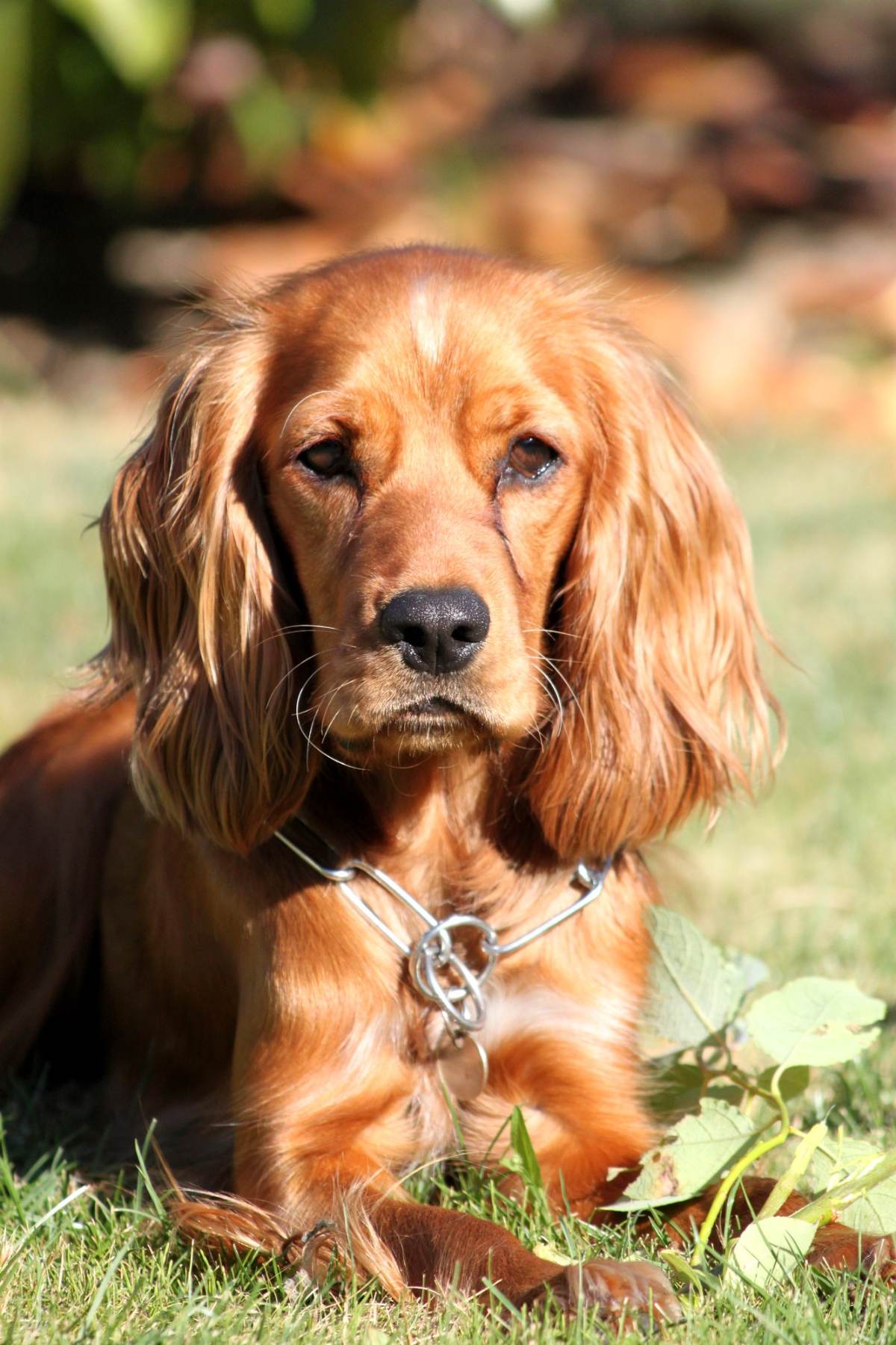
Featured photo: Virginie Gabriel-Robez, via Wikimedia Commons, CC0
Leave a Reply