Updated November 2026. English Cocker Spaniel Guide is an independent site, not affiliated with any breed club or kennel club. Some links are affiliate links: as an Amazon Associate we earn from qualifying purchases.
The English Cocker Spaniel was created to work. For generations, cockers have hunted hedgerows, woodland and marsh, finding game by scent, flushing it within range of the gun and retrieving it gently to hand. Many modern cockers, especially from working lines, still have those instincts in abundance. Whether you hunt, want to try working tests, or simply want to give your dog an outlet for its natural talents, field work is one of the most satisfying things you can do with a cocker.
What a working spaniel does
- Hunting and quartering: the dog works in a zigzag pattern in front of the handler, covering ground systematically and staying within range.
- Finding game: using its nose to locate birds or rabbits hidden in cover.
- Flushing: pushing the game out so it flies or runs.
- Steadiness: stopping or sitting when game flushes or a shot is fired, rather than chasing.
- Marking and retrieving: watching where game falls and bringing it back to hand gently, without damaging it.
- Handling: responding to whistle and hand signals to be directed onto a blind retrieve.
Getting started
Choose the right dog
Working-bred cockers from proven hunting or field trial lines usually have the strongest drive, nose and trainability for field work. Many show-bred cockers also enjoy hunting and retrieving, especially at a fun or recreational level. See our guide to show vs working cockers.
Find a gundog trainer or club
The fastest way to learn is with experienced people. Gundog clubs, spaniel clubs and retriever clubs run training days for beginners, and many professional trainers offer classes or one-to-one lessons. Training with others also gives you access to suitable ground and, where appropriate, game.
Build the foundations at home
Field skills rest on everyday obedience. Before you go near game, your cocker should have:
- A strong recall, ideally to a whistle
- A reliable sit or stop, at a distance, on a whistle
- Steadiness: staying put while a thrown dummy lands, until released
- A good delivery: carrying a canvas training dummy back to hand without dropping or chewing it
- Walking calmly at heel
Training equipment
- Canvas training dummies in a few sizes
- A gundog whistle on a lanyard
- A long line for early training in open ground
- A comfortable harness or slip lead, as your trainer recommends
- A drying coat and towels for wet days
- A dog life jacket for water work or boats
- A canine first aid kit and tick remover
Quartering
Quartering is the core spaniel skill. The dog runs across the wind in front of the handler, turning at the end of each “beat” and working back across, so that the wind carries scent from the cover ahead to its nose. Trainers start by walking a zigzag themselves and encouraging the young dog to mirror them, turning it with a whistle and hand signal, and rewarding it for staying within range. Ground with light cover and a steady breeze makes learning easier.
Retrieving
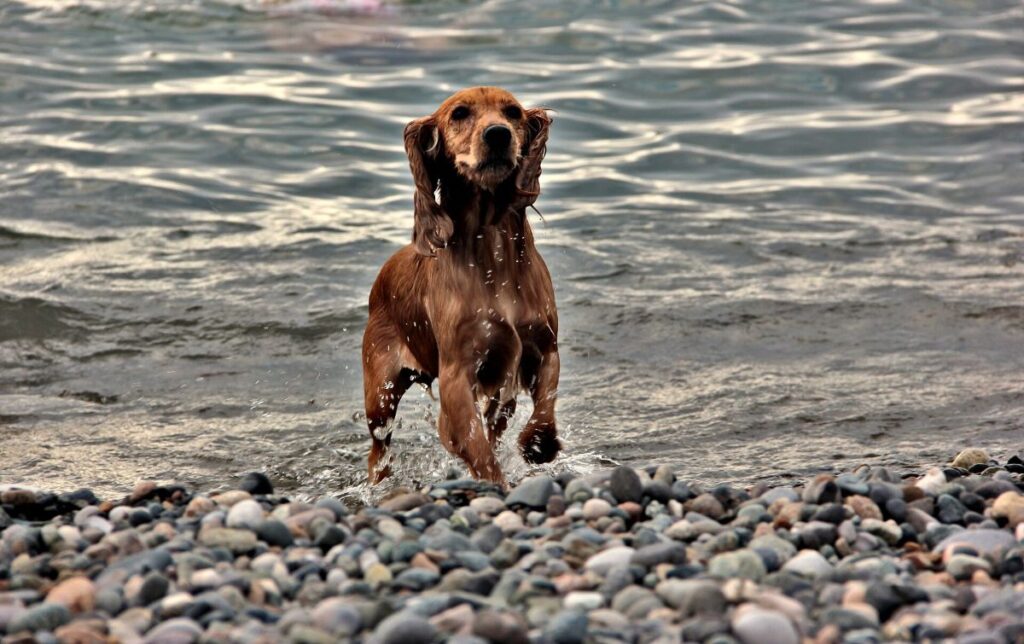
Many cockers are natural retrievers. Keep early retrieves short and fun, in a corridor or narrow space so your dog comes straight back, and reward a clean delivery to hand. Avoid tug-of-war with dummies and do not chase your dog if it runs off with them. Gradually add distance, cover, water and multiple dummies. Soft mouths matter: a working retriever should carry game gently.
Working tests, field trials and hunt tests
If you enjoy training but do not hunt, many organisations run events that test working ability without live game being shot, such as working tests using dummies. Field trials are competitions held on live game, judging dogs on hunting, steadiness and retrieving. In North America, kennel clubs also run spaniel hunting tests, where dogs are measured against a standard rather than each other. Rules and availability vary by country and province, so contact your national kennel club or a local spaniel club to find events near you.
Safety in the field
- Wear blaze orange or high-visibility gear for both you and your dog during hunting seasons.
- Check your dog after every outing for ticks, grass seeds, cuts and thorns, especially in the ears, feet and armpits.
- Carry plenty of water; working spaniels can overheat quickly, even in cool weather.
- Dry and check ears after water work to prevent infection; see our ear care guide.
- Know where the nearest emergency vet is.
- Respect access rules, landowner permission and wildlife breeding seasons.
Not a hunter? Try these
Scent work classes, gundog-style dummy training, tracking and canicross all give cockers a chance to use their natural abilities without hunting. Even a daily game of hiding a toy in the garden taps into the same instincts. See our exercise guide for more ideas.
Steadiness: the hardest lesson
For a keen cocker, the urge to chase a flushed bird or rabbit is enormous. Steadiness training teaches the dog to stop or sit when game moves, then wait to be sent for the retrieve. Trainers build it gradually: first with thrown dummies the dog must watch land and not chase, then with dummies thrown while the dog is moving, and later with controlled exposure to game in a rabbit pen or on training grounds with an experienced trainer. Rushing steadiness training is one of the most common mistakes; a dog that learns it can chase will find the lesson much harder to unlearn. Patience, consistency and plenty of rewards for staying put pay off for the rest of the dog’s working life.
Frequently asked questions
At what age can I start gundog training?
Basic foundation work, such as recall, sit and short retrieves, can start as a puppy. More formal field training usually begins once the dog is mature enough, often from around six months to a year, depending on the individual.
Can a pet English Cocker learn field work?
Yes. Many pet cockers love dummy training and scent work, and it can improve recall and focus in everyday life.
Do I need to hunt to do field training?
No. Working tests and dummy training let you enjoy field skills without hunting.
What is a stop whistle?
A single long blast that tells the dog to stop and sit wherever it is, used to control and direct a working spaniel at a distance.
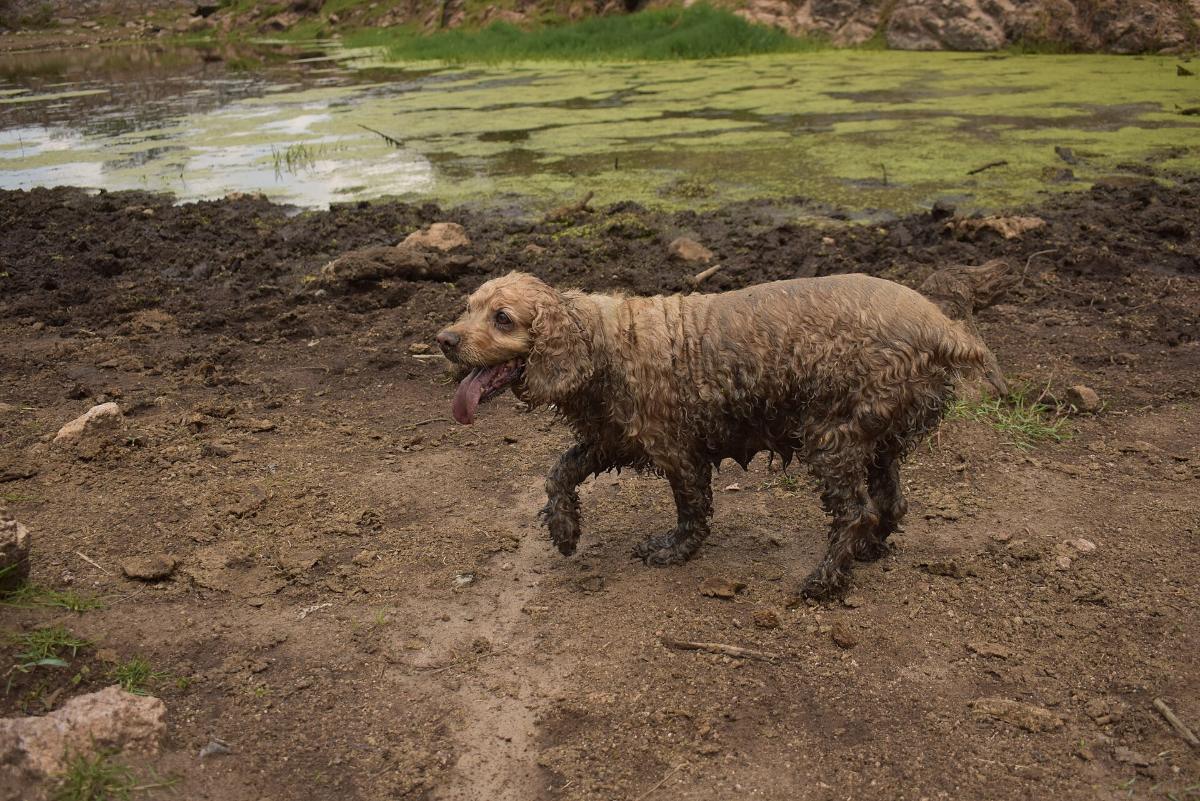
Featured photo: Armando Olivo Martín del Campo, via Wikimedia Commons, CC BY-SA 4.0
Leave a Reply