Updated November 2026. English Cocker Spaniel Guide is an independent site, not affiliated with any breed club or kennel club. Some links are affiliate links: as an Amazon Associate we earn from qualifying purchases.
Where your puppy comes from is the single biggest factor in how healthy and well-adjusted it will be. A responsible breeder health-tests the parents, raises puppies in a home environment, socialises them carefully and stays in touch for the life of the dog. A puppy mill or casual backyard breeder does none of that, and the difference often shows up later as health problems, anxiety or behaviour issues. This guide explains how to find a good English Cocker Spaniel breeder, the questions to ask, and the warning signs to walk away from.
What a responsible breeder does
- Health-tests both parents for the conditions relevant to the breed and shows you the certificates
- Breeds only a small number of litters, and plans each one carefully
- Raises puppies in the home, with exposure to everyday sights, sounds and people
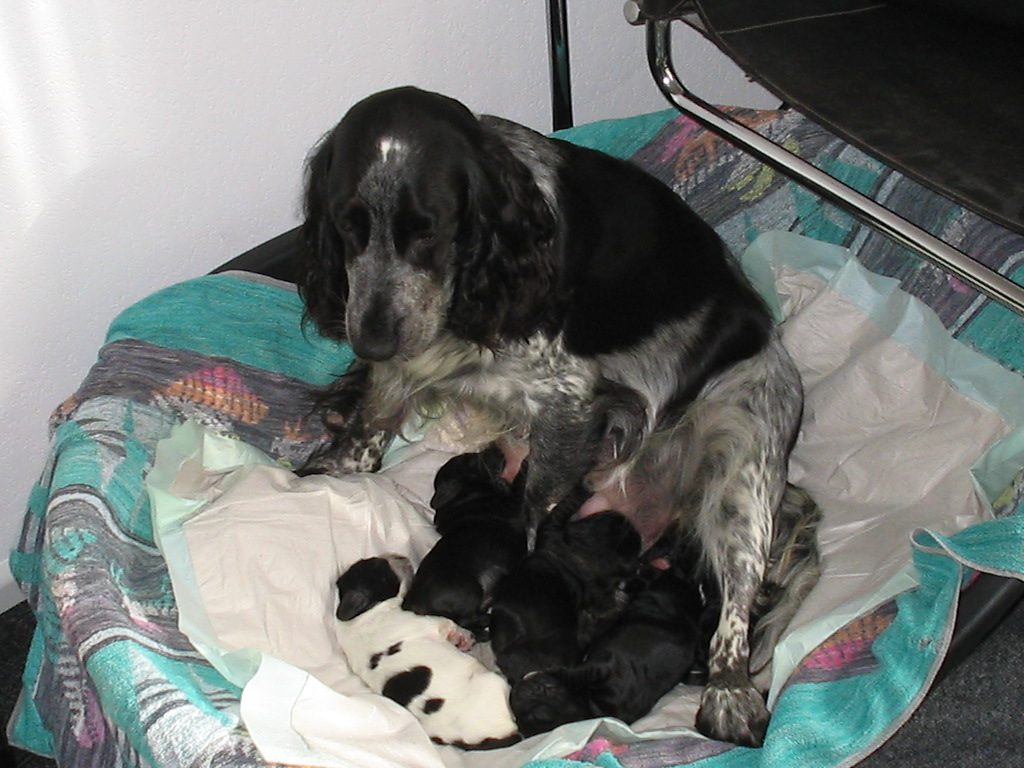
- Lets you meet the mother, and often the father or his details, and see where the puppies live
- Asks you as many questions as you ask them, because they care where their puppies go
- Provides a written contract, registration papers, vaccination and deworming records, and a health guarantee
- Will take the dog back at any point in its life if you can no longer keep it

Health testing: what to ask for
Ask to see results for both parents, not just a verbal reassurance. For English Cockers, commonly used tests include DNA tests for progressive retinal atrophy (prcd-PRA), familial nephropathy (FN) and adult-onset neuropathy (AON), hip evaluations, and regular eye examinations by a veterinary ophthalmologist. Breeders of parti-colours and roans often have puppies hearing-tested. Recommendations change over time, so check the current advice of your national kennel club. Our health guide explains each test.
Many results can be checked independently in public databases such as the Orthopedic Foundation for Animals (OFA) in North America, using the dog’s registered name or number.
Questions to ask a breeder
- How long have you been breeding English Cockers, and why this breed?
- Are these show or working lines, and what are the parents like at home?
- Which health tests have the parents had, and can I see the results?
- How have the puppies been socialised so far?
- At what age do puppies go home? (Usually around eight weeks or older.)
- What food are they eating, and what vaccinations and deworming have they had?
- What does your contract include, and will you take the dog back if needed?
- Can I contact people who have bought puppies from you before?
A good breeder will also want to know about your home, your schedule, your experience with dogs and how you plan to exercise and train a lively spaniel. If they ask nothing at all, be cautious.

Red flags
- Several breeds available, or puppies always available with no waiting list
- Reluctance to show you the mother or where the puppies are raised
- Meeting in a parking lot or offering to deliver a puppy you have not seen
- No health test results, or vague answers such as “the vet checked them”
- Puppies going home before eight weeks
- Pressure to pay a deposit immediately
- Prices that seem unusually low, or advertisements with stock photos
Avoiding online scams
Puppy scams are common: fake websites and social media accounts advertise puppies that do not exist, take deposits and “shipping fees”, then disappear. Protect yourself by visiting in person or holding a live video call with the breeder and puppies, searching the breeder’s name and photos online, paying by a traceable method, and never paying for a puppy you have not confirmed exists. If a deal seems too good to be true, it is.
Show line or working line?
Decide which type suits your lifestyle before you contact breeders. Show-bred English Cockers tend to have more coat and a slightly calmer temperament; working-bred cockers are usually more driven and need more exercise and training. Our guide to show vs working cockers explains the differences.
Where to find good breeders
- Your national kennel club’s breeder listings (in Canada, the Canadian Kennel Club)
- Regional and national breed clubs, which often keep breeder directories and codes of ethics
- Dog shows, field trials and working tests, where you can meet dogs and breeders in person
- Recommendations from owners whose dogs you like
Being listed in a directory is a starting point, not a guarantee. Still ask every question above.
Waiting lists and timing
Good breeders often have a waiting list, sometimes of many months, because they breed only a few litters. Use the wait to prepare: research training, find a vet and a puppy class, and get your puppy supplies ready.
Consider adoption too
Adult English Cockers and cocker mixes sometimes need new homes through breed rescues and shelters. An adult dog can be a wonderful choice, especially if you would rather skip the puppy stage. See our guide to English Cocker rescue and adoption.
Visiting the litter
When you visit, notice how the puppies and their mother behave. Puppies should be clean, curious and confident, approaching visitors happily, and the mother should be friendly and relaxed. The area should be clean and the puppies should have toys, different surfaces and household noise around them. Watch how the breeder handles the dogs: calm, kind handling is a good sign. Do not be surprised if a breeder asks you to wash your hands or limits handling of very young puppies; that is about protecting them from infection.
Frequently asked questions
How much does an English Cocker puppy cost?
Prices vary widely by region, lines and breeder. Well-bred, health-tested puppies cost more than puppies from untested parents, but they are far more likely to be healthy. See our guide to the cost of ownership.
Should I choose a male or a female?
Both make great pets. Males are often slightly larger; individual temperament matters more than sex. Ask the breeder to help match a puppy to your home.
At what age should a puppy go home?
Usually around eight weeks or a little older, once it has had time with its mother and littermates.
What should come with my puppy?
Registration papers, a written contract, vaccination and deworming records, health test results for the parents, and information on diet and care.
Featured photo: User:Michiel1972, via Wikimedia Commons, CC BY-SA 3.0
Leave a Reply