Updated November 2026. English Cocker Spaniel Guide is an independent site, not affiliated with any breed club or kennel club. Some links are affiliate links: as an Amazon Associate we earn from qualifying purchases.
The most popular English Cocker Spaniel haircut is a pet tidy trim: the breed’s natural outline is kept, while the ear, leg and belly feathering is shortened and the feet and face are neatened every 6 to 8 weeks. Show dogs get a more detailed natural trim, working dogs a short field trim, and owners who want the least upkeep choose a short all-over puppy cut.
English Cockers have a silky, medium-length coat with feathering on the ears, chest, belly and legs. Left alone it tangles, collects burrs and mats behind the ears and in the armpits, so every cocker needs some kind of trim. Below are the main styles, what each involves, and the tools that make home touch-ups easier. For the full grooming routine, see our English Cocker Spaniel grooming guide.
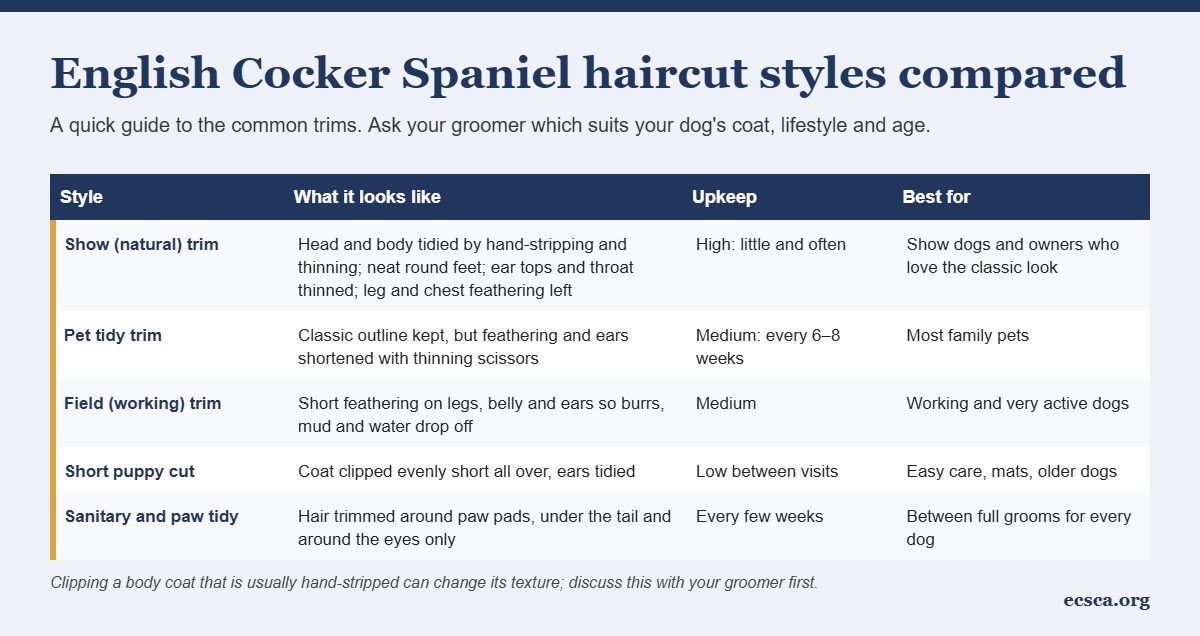
English Cocker Spaniel haircut styles at a glance
1. The show (natural) trim
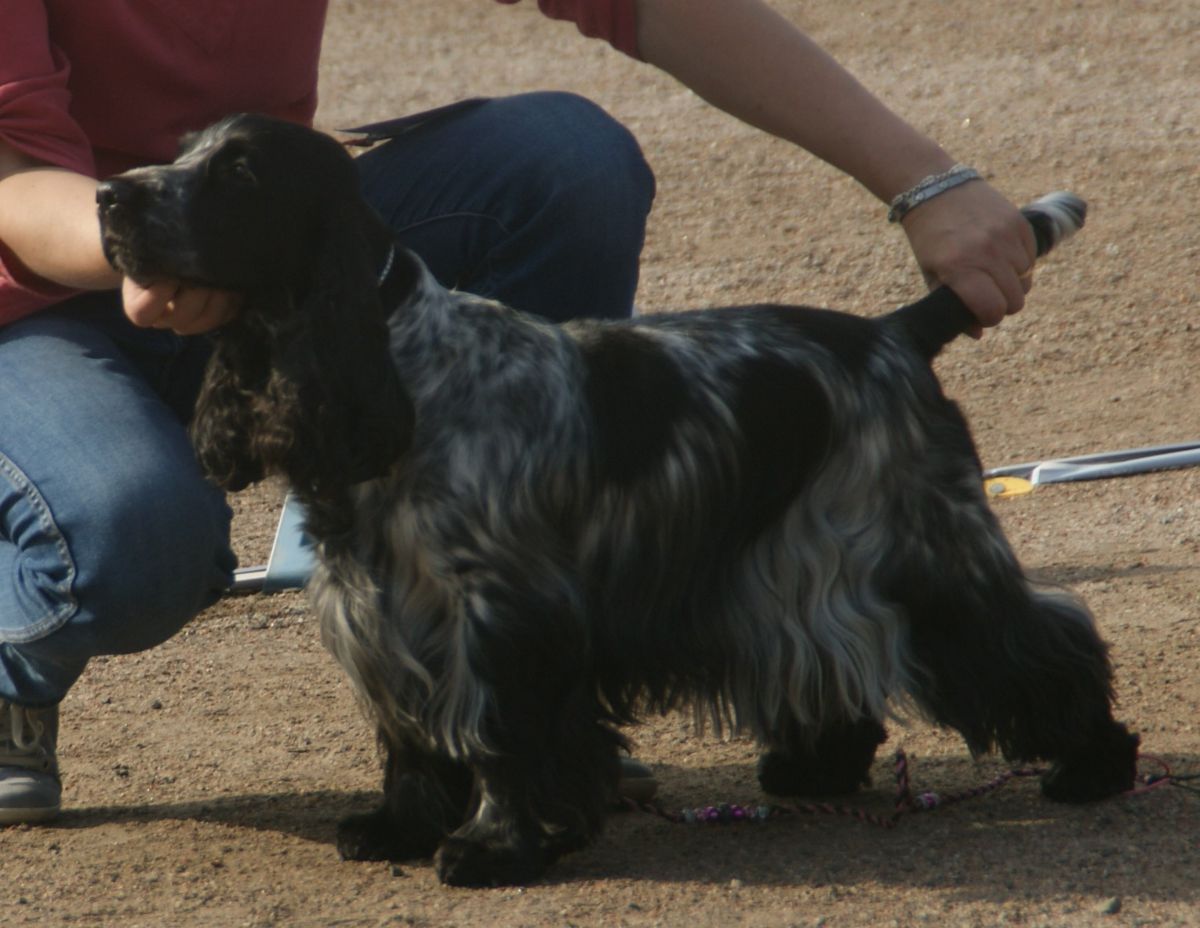
The classic English Cocker look is natural rather than sculpted. In a show trim, dead coat on the head, neck and back is removed by hand-stripping or careful thinning so the coat lies flat and shows the dog’s outline. The top third of each ear is thinned, the throat is cleaned up, the feet are trimmed round and neat, and the feathering on the legs, chest and belly is tidied but left long.
It looks effortless but takes skill and regular attention: little and often is the rule. If you are curious about how show dogs differ from working lines, see show vs working cocker spaniels.
2. The pet tidy trim
This is what most groomers mean by a “cocker trim” for a family pet. The overall outline stays the same as the show look, but everything is shortened for practicality: feathering is taken up with thinning scissors, the ears are shortened and thinned so they stay cleaner, the feet are trimmed, and the hair under the tail and around the eyes is kept short. Most owners book it every 6 to 8 weeks and keep on top of brushing in between.
3. The field (working) trim
Working cockers and very active pets spend their days in hedges, water and mud. A field trim keeps the feathering on the legs, belly and ears short so burrs and seeds drop out and the coat dries quickly after a swim. It is practical rather than glamorous, and many owners switch to it for the summer. Check your dog’s coat and ears for grass seeds after every walk whichever trim you choose; see our cocker spaniel ear care guide.
4. The short puppy cut
A puppy cut (sometimes called a teddy cut) is clipped evenly short all over, usually with a long clipper guard comb, with the ears and face tidied. It is the lowest-maintenance option between groomer visits and a sensible choice if your dog mats badly or is older and finds long grooming sessions tiring.
The trade-off is coat texture. English Cockers are traditionally hand-stripped and scissored, and many groomers and breeders report that repeatedly clipping the body coat makes it grow back softer, fluffier and duller. Talk to your groomer before committing to clippers if you might want the classic coat back later.
5. Sanitary trim and paw tidy
Whatever the main style, every English Cocker benefits from tidying the hair between the paw pads, under the tail and around the eyes. Long hair between the pads collects mud and ice balls in winter and can make dogs slip on hard floors. Many owners do this at home between full grooms with blunt-tipped scissors; our grooming scissors guide covers suitable pairs, and the HASHIMOTO thinning scissors (Amazon) are a good option for blending.
Tools for trimming at home
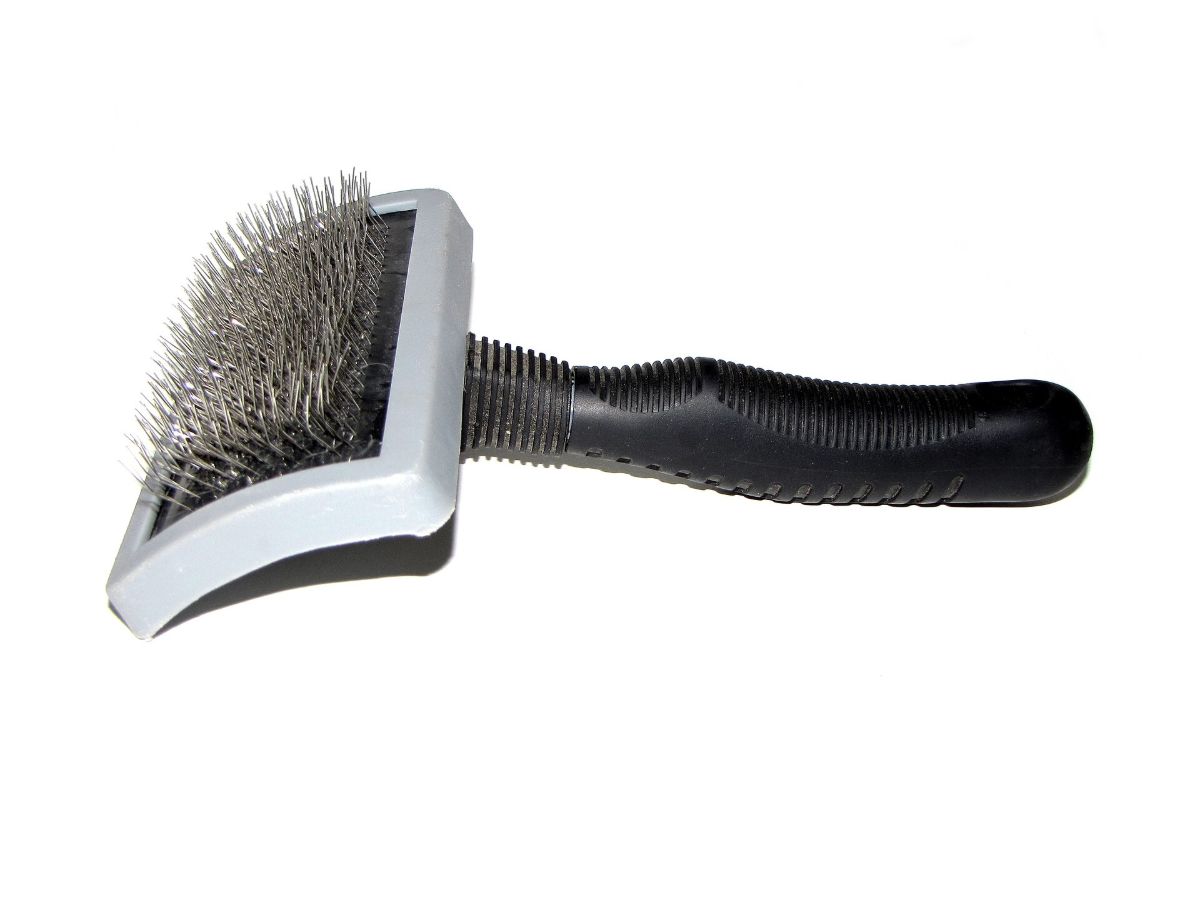
- Slicker brush: works through feathering before and after any trim. Our pick is the WAHL Canada Large Slicker Brush (Amazon); see the best brush for a cocker spaniel.
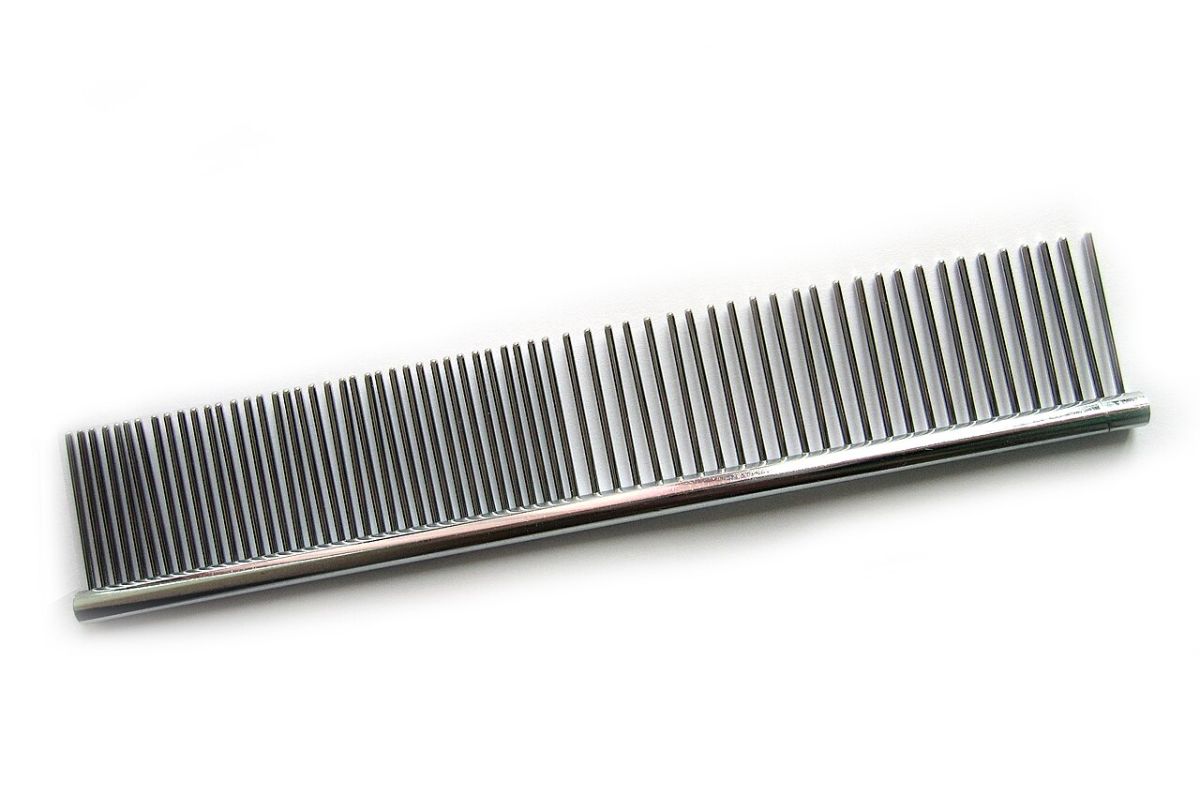
- Metal comb: finds hidden tangles behind the ears. Try the PIEPEA stainless steel comb (Amazon).
- Thinning (blending) scissors: for natural-looking shortening of feathering and ears.
- Clippers: for puppy cuts and tidying the underside. The oneisall dog clippers (Amazon) are our top pick in the best dog clippers for spaniels.
- A non-slip surface: a grooming table makes trimming safer and easier on your back.
How to tidy a cocker between groomer visits
- Brush the whole coat with a slicker brush, then comb through to check for tangles. Never trim over a mat; work it out first or ask a groomer to clip it out.
- Trim the hair between the paw pads level with the pads, using blunt-tipped scissors.
- Neaten the outline of each foot into a round shape.
- Thin the hair at the top of the ears with thinning scissors to keep air moving around the ear canal.
- Tidy the hair under the tail for hygiene.
- Keep sessions short and reward your dog with treats; stop if your dog becomes stressed.
Common haircut mistakes
- Shaving a cocker to the skin. Very short coats leave the skin exposed to sun and cold; a short puppy cut with a guard comb is safer.
- Cutting straight across feathering with ordinary scissors, which leaves harsh lines. Thinning scissors blend better.
- Trimming over mats, which risks cutting the skin.
- Leaving the ears heavy with hair. Dense ear hair holds moisture, and cockers are prone to ear problems; see your vet if you notice redness, odour or head shaking.
- Going too long between grooms, so each session becomes a long, stressful de-matting job.
How often does an English Cocker Spaniel need a haircut?
Most pet English Cockers are trimmed by a groomer every 6 to 8 weeks, with brushing several times a week in between. Show dogs are worked on more often in smaller sessions. Puppies benefit from short, frequent handling sessions from an early age so they learn to accept brushing, scissors and the sound of clippers. If your cocker sheds a lot, our guide to whether cocker spaniels shed explains what is normal.
Frequently asked questions
What is the best haircut for an English Cocker Spaniel?
For most pets, a tidy pet trim that keeps the natural outline but shortens the feathering and ears is the best balance of looks and practicality. Working dogs suit a short field trim, and a short puppy cut is easiest to maintain.
Should you shave an English Cocker Spaniel?
It is better not to shave to the skin. If you want a short, easy coat, ask for a puppy cut with a long guard comb, and be aware that clipping may change the coat’s texture over time.
How often should a cocker spaniel be groomed?
Most pet English Cockers see a groomer every 6 to 8 weeks and are brushed several times a week at home.
Can I trim my English Cocker Spaniel at home?
Yes, for touch-ups such as paws, feet and ears, using a slicker brush, a comb and blunt-tipped or thinning scissors. Full trims, hand-stripping and de-matting are easier and safer with a professional groomer.
What is the difference between a show trim and a pet trim?
A show trim keeps longer feathering and relies on hand-stripping and careful thinning to show the dog’s natural outline. A pet trim keeps a similar shape but shortens the feathering and ears to make everyday care easier.
Related guides
- English Cocker Spaniel grooming guide
- Best dog clippers for spaniels
- Best dog grooming scissors
- Best brush for a cocker spaniel
- Cocker spaniel ear care
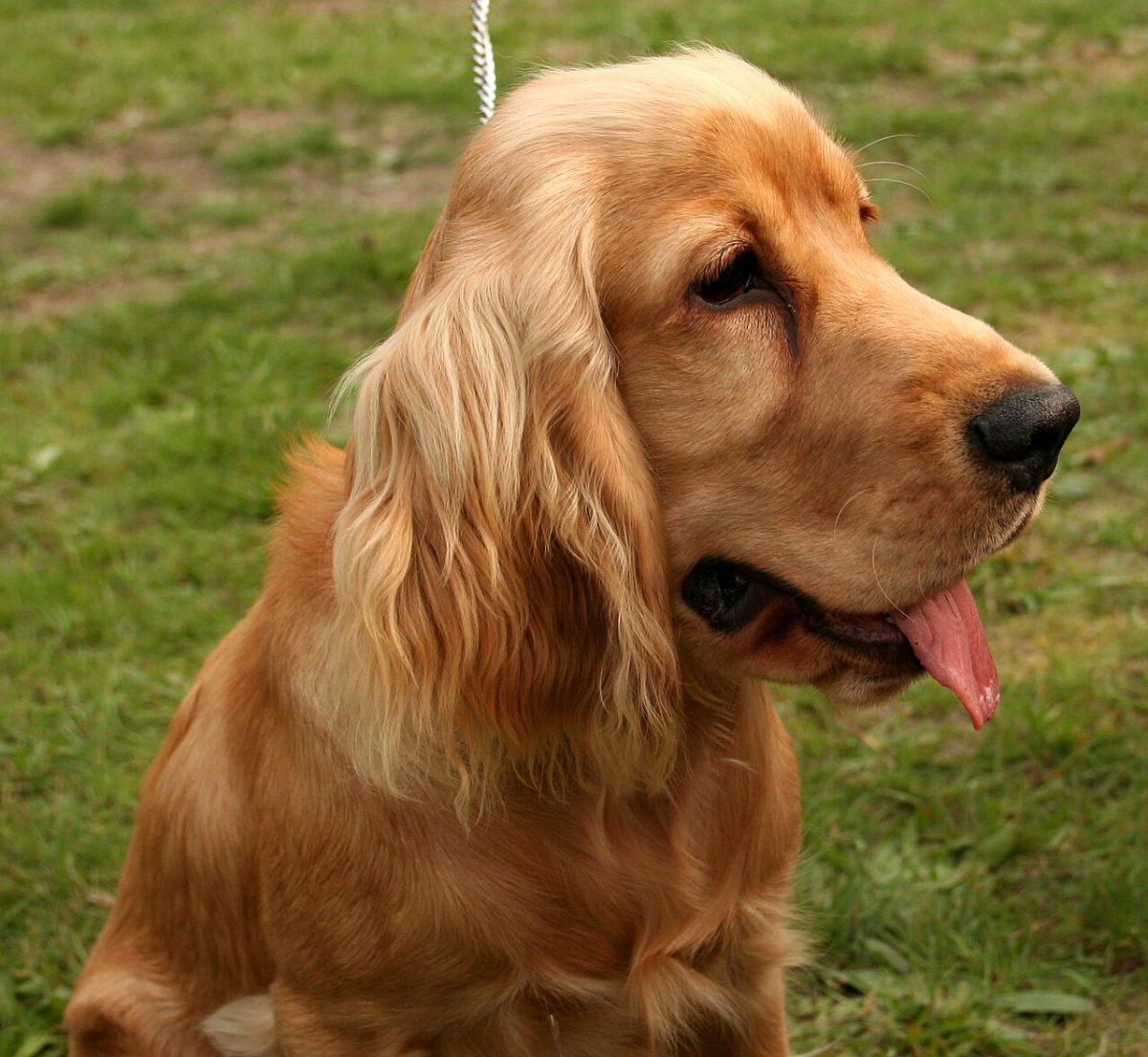
Featured photo: Pleple2000, via Wikimedia Commons, CC BY-SA 3.0
Leave a Reply