Updated November 2026. English Cocker Spaniel Guide is an independent site, not affiliated with any breed club or kennel club. Some links are affiliate links: as an Amazon Associate we earn from qualifying purchases.
The English Cocker Spaniel’s story stretches back centuries, from the general-purpose “spaniels” of medieval Britain to the distinct breed recognised by kennel clubs today. Along the way, the breed was shaped by hunters, early dog shows, famous foundation dogs and the separation of the English and American types. Understanding that history helps explain the cocker’s personality: its nose, its drive, its love of carrying things and its devotion to its people.
Early spaniels
Dogs described as spaniels appear in British writing for many centuries. The name is usually thought to come from an old word for “Spanish”, suggesting that the type may have arrived from or been associated with Spain, though the exact origin is debated. In the sixteenth century, the English physician John Caius described different kinds of hunting dogs in Britain, including spaniels used to find and spring game for hawks and nets. These early spaniels were working dogs first and foremost, valued for their noses and their willingness to work close to a hunter.
Land spaniels and water spaniels
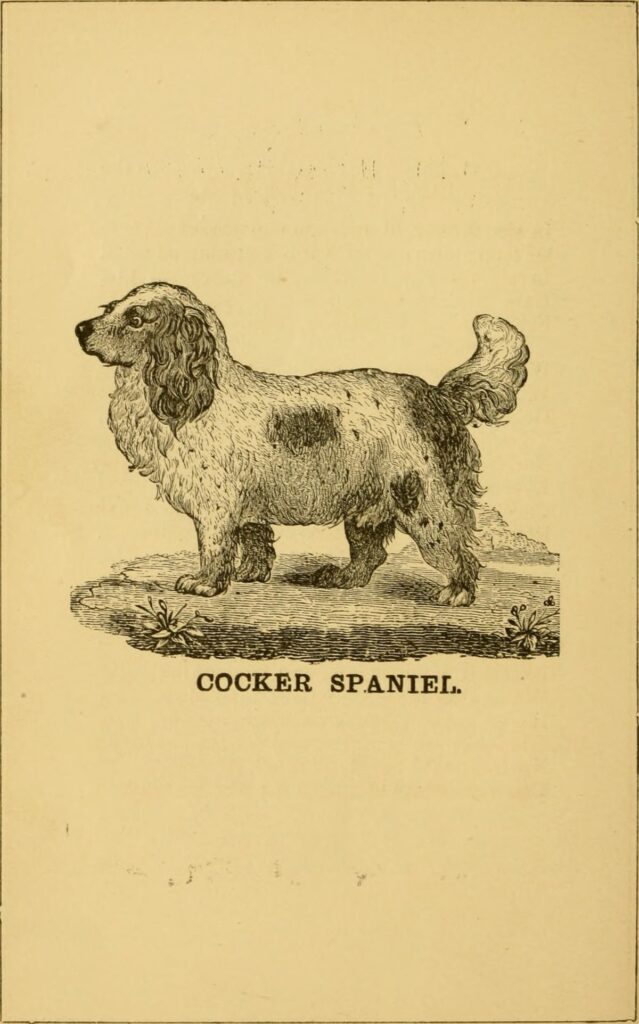
Over time, spaniels were loosely divided into land spaniels and water spaniels, and then by size and job. Larger spaniels were used for springing game, while smaller spaniels were especially good at working thick cover for woodcock, a small game bird. These smaller dogs came to be called “cocking spaniels” or “cockers”, a name linked to the woodcock they hunted.
The arrival of dog shows
In the nineteenth century, dog shows and kennel clubs transformed the way breeds were defined. The Kennel Club in Britain was founded in 1873, and breeders began keeping pedigrees and writing breed standards. At first, spaniels from the same litter could be classed as different breeds depending on their weight. Gradually, the cocker was established as a breed in its own right, with its own standard and stud book entries, separate from the larger springers and field spaniels.
A dog named Obo, born in England in the late 1870s, is often described as one of the foundation sires of the modern cocker. Obo and his descendants helped fix the type, and a son of Obo exported to North America is frequently mentioned in the history of cockers there as well.
Cockers in North America
Cocker spaniels became popular in North America in the late nineteenth and early twentieth centuries. Over the following decades, many North American breeders selected for a smaller dog with a rounder head, shorter muzzle and more abundant coat, creating what became the American Cocker Spaniel. Breeders who preferred the original British type formed their own breed club in the 1930s to protect and promote it, and the American Kennel Club recognised the English Cocker Spaniel as a separate breed in 1946. Today the two are distinct breeds in North America; see our guide to English vs American Cockers.
The split between show and working lines
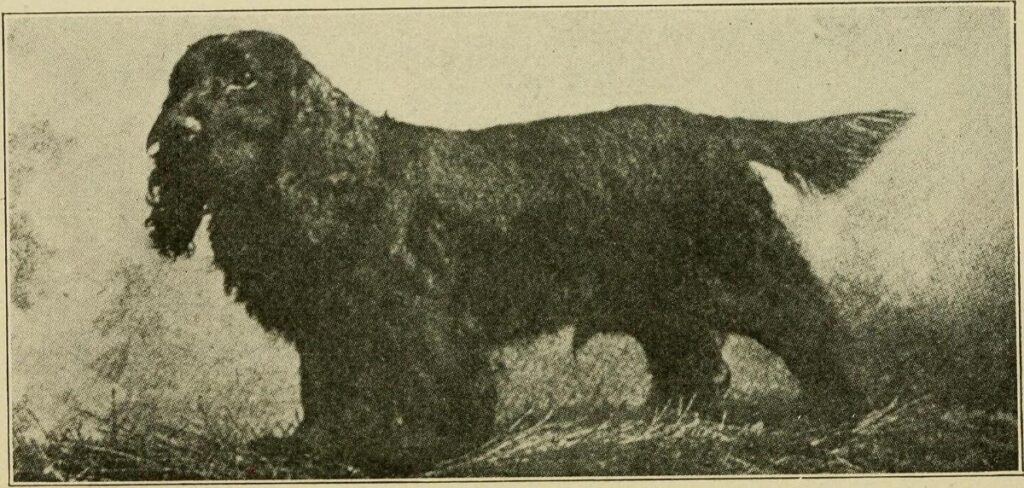
Through the twentieth century, English Cockers increasingly divided into show-bred lines, selected for conformation in the ring, and working-bred lines, selected for performance in field trials and on shoots. Both remain English Cockers, but they now look and behave quite differently. Read more in our guide to show vs working cockers.
Popularity
In Britain and much of Europe, the cocker has long been among the most popular breeds, both as a family dog and as a gundog. Its compact size, affectionate nature and adaptability have made it a favourite of families, hunters, sniffer-dog programs and, increasingly, dog sport enthusiasts. In North America, the English Cocker is less common than the American Cocker but has a devoted following.
Cockers at work today
- Gundogs: working cockers remain popular on shoots for flushing and retrieving. See our guide to field work.
- Detection dogs: spaniels, including cockers, are used to detect drugs, explosives and other substances thanks to their keen noses and drive.
- Therapy and assistance: their gentle, people-focused nature suits therapy visits and some assistance roles.
- Dog sports: agility, flyball, rally and scent work.
- Family companions: by far the most common job today.
How history shapes your cocker
Many of the behaviours owners love, and some they find challenging, come straight from the breed’s working past. The constant sniffing, the zigzag pattern on walks, the love of carrying shoes, the excitement at birds, the soft mouth, the eagerness to please and the desire to stay close to their people all trace back to generations of spaniels bred to hunt cooperatively with humans. Giving your cocker outlets for these instincts, through exercise, retrieving and scent games, is the key to a happy dog.
Coat colours through history
Early cockers came in a wide variety of colours, including solids, parti-colours and roans, and debates about which colours were best have run through the breed’s history. Today’s English Cockers still come in a broad palette; see our guide to English Cocker colours.
The wars and the breed
Like many breeds, cockers were affected by the two World Wars, when breeding slowed sharply and food shortages made keeping dogs difficult. Dedicated breeders preserved key bloodlines through those years, and the breed recovered strongly afterwards, becoming one of the most popular breeds in Britain by the mid-twentieth century.
Preserving the breed today
Modern breeders face different challenges: keeping the breed healthy through DNA testing and careful selection, maintaining genetic diversity, and balancing appearance, temperament and working ability. Choosing a puppy from a breeder who health-tests and breeds thoughtfully is the best way for owners to support the breed’s future. See our guides to finding a responsible breeder and health testing.
Frequently asked questions
Where does the name “cocker spaniel” come from?
“Cocker” is usually linked to the woodcock, the small game bird these spaniels were especially good at flushing. “Spaniel” is often thought to derive from an old word meaning Spanish, though the origin is debated.
When was the English Cocker recognised as a separate breed in the US?
The American Kennel Club recognised the English Cocker Spaniel as a separate breed in 1946.
Who was Obo?
Obo was a cocker born in England in the late 1870s, often cited as a foundation sire of the modern breed.
Are English Cockers still used for hunting?
Yes. Working-bred cockers are widely used as gundogs, especially in Britain and Europe.
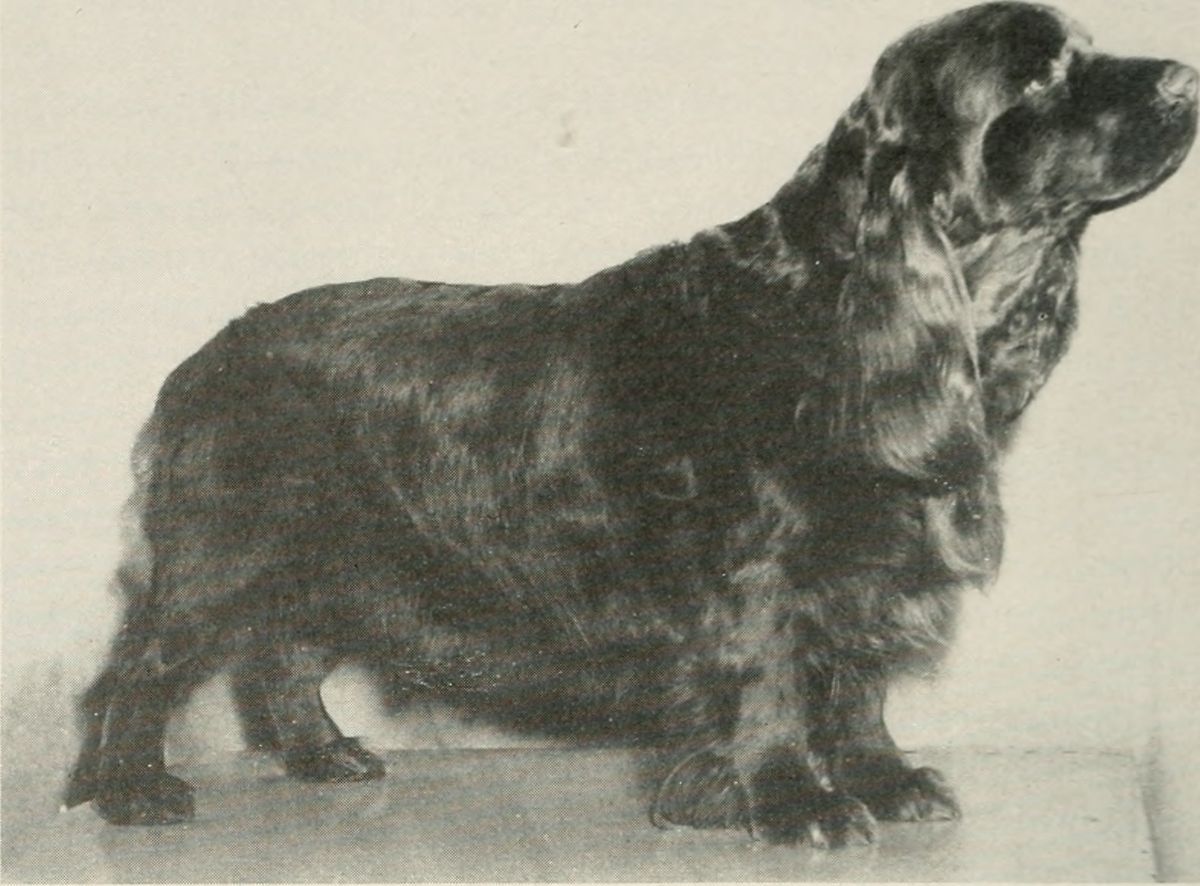
Featured photo: Internet Archive Book Images, via Wikimedia Commons, Public domain
Leave a Reply