Blog

  • The Best Dog Grooming Scissors for English Cocker Spaniels (2026)

    The Best Dog Grooming Scissors for English Cocker Spaniels (2026)

    Updated November 2026. English Cocker Spaniel Guide is an independent site, not affiliated with any breed club or kennel club. Some links are affiliate links: as an Amazon Associate we earn from qualifying purchases.

    Scissors are the tool that turns a shaggy spaniel into a neat English Cocker. Straight shears shape the feet and outline, curved shears follow the round contours of paws and ears, and thinning or blending shears soften lines so the trim looks natural rather than chopped. If you groom your cocker at home, a good set of grooming scissors is one of the best investments you can make. This guide explains which scissors you need, our picks on Amazon.ca, and how to use them safely.

    These are our picks from Amazon.ca, chosen on design, materials, suitability for a medium-sized spaniel, and the volume and consistency of buyer reviews. We have not lab-tested them ourselves.

    Quick picks

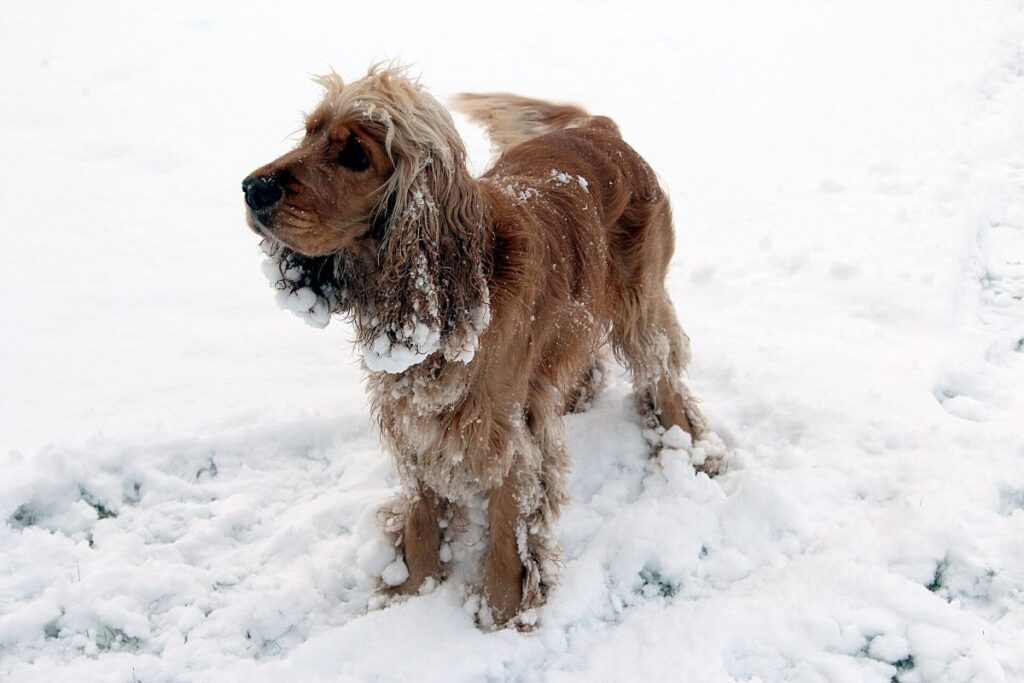
    A cocker spaniel with feathered coat in the snow
    A cocker spaniel with feathered coat in the snow. Our pick: GLADOG grooming scissors kit on Amazon.ca. Photo: Jean-Pol GRANDMONT, via Wikimedia Commons, CC BY 4.0

    The best grooming scissors for cockers

    1. GLADOG Dog Grooming Scissors Kit: best kit

    GLADOG’s kit includes the main types of grooming shears in one case, so you can shape feet with straight shears, round off paws and ears with curved shears, and blend with thinners. It is one of the most-reviewed scissor kits on Amazon.ca and a practical starting point for home grooming.

    • Good for: complete home trims
    • Watch for: keep the safety caps on and store in the case

    Check the GLADOG Dog Grooming Scissors Kit on Amazon.ca →

    2. HASHIMOTO Blending Scissors: best blending shears

    Blending or thinning shears have one toothed blade, so they remove only some of the hair with each cut. That makes them perfect for softening the line where the ear trim meets the feathering, tidying the throat and blending the head into the neck. HASHIMOTO’s shears are well rated by home groomers.

    • Good for: natural-looking finishes on ears, head and neck
    • Watch for: do not use them to remove bulk too quickly; small snips work best

    Check the HASHIMOTO Blending Scissors on Amazon.ca →

    3. CIICII Dog Grooming Scissors Kit: best value kit

    CIICII’s kit is another highly rated set, with safety round tips that make trimming around the face and feet less nerve-wracking for beginners.

    • Good for: beginners, tidying faces and feet
    • Watch for: round tips are safer but less precise for detailed shaping

    Check the CIICII Dog Grooming Scissors Kit on Amazon.ca →
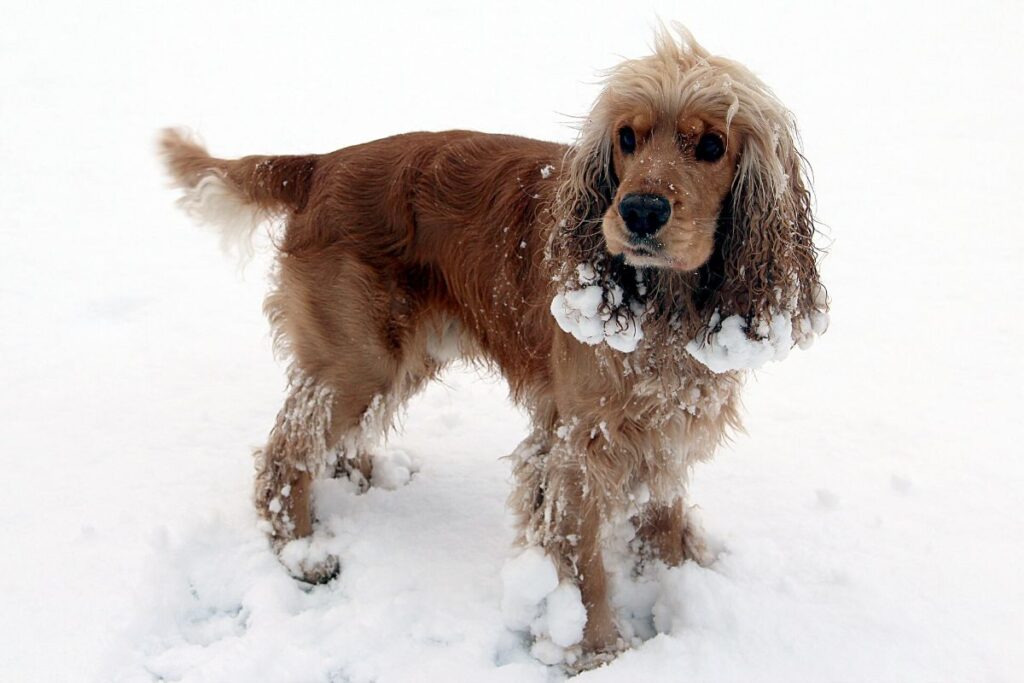
    A cocker spaniel playing in the snow
    A cocker spaniel playing in the snow. Our pick: HASHIMOTO blending scissors on Amazon.ca. Photo: Jean-Pol GRANDMONT, via Wikimedia Commons, CC BY 4.0

    Comparison

    ScissorsIncludesBest for
    GLADOG kitStraight, curved, thinning, chunkerFull home trims
    HASHIMOTOBlending shearsNatural finish
    CIICII kitStarter set with round tipsBeginners

    Which scissors do you need?

    TypeWhat it doesWhere to use it on a cocker
    Straight shearsClean, straight cutsShaping the outline of feathering, trimming hair under the feet
    Curved shearsFollow curvesRounding off paws, shaping ear edges and the back of the legs
    Thinning or blending shearsRemove some hair with each cut for a soft finishEars, head, throat and blending clipper lines
    ChunkersRemove more bulk than thinners while keeping a natural lookThick feathering, body
    Round-tip safety scissorsRounded points reduce the risk of pokingAround eyes, face, feet and sanitary areas

    How to trim a cocker’s feet

    1. Brush and comb the foot and leg feathering.
    2. With your dog standing, trim the hair underneath the foot level with the pads using a small trimmer or round-tip scissors.
    3. Hold the foot and comb the hair down, then trim around the edge of the foot with curved shears to create a neat, round “cat foot” shape.
    4. Tidy the hair on top of the foot with thinning shears so it looks natural.
    5. Comb the leg feathering down and trim the back of the leg to a tidy line if you like.

    Trimming the ears

    Many cocker owners thin the top third of the ear so it lies close to the head, then tidy the edges of the ear feathering. Use thinning shears on the top of the ear and blend into the longer feathering below. Be extremely careful near the ear edge: always feel where the ear leather ends before cutting, because it is easy to nick. For more detail, see our grooming guide.

    Safety tips

    • Always cut with the points facing away from the dog’s skin and eyes.
    • Use round-tip scissors around the face, eyes and genitals.
    • Place a comb between the skin and the scissors when trimming close.
    • Never cut into a mat blindly; skin can be pulled up into it.
    • Keep sessions short and stop if your dog wriggles; resume when it is calm.
    • Keep scissors sharp and clean; dull scissors pull hair.

    Caring for grooming scissors

    Wipe scissors clean after each use, remove hair from the pivot, oil the pivot occasionally, and store them in a case so the blades are protected. Never use your grooming scissors on paper or anything other than clean, dry dog hair. Good shears can be professionally sharpened.

    Frequently asked questions

    Can I use regular household scissors on my dog?

    It is better not to. Grooming shears are sharper, better balanced and designed for hair, and round-tip versions are safer near the face.

    What are thinning shears used for?

    They remove some hair with each cut, softening lines and blending different lengths for a natural finish.

    How often should I trim my cocker’s feet?

    Every four to six weeks, or whenever the hair starts to grow over the pads.

    Are chunkers the same as thinners?

    They are similar, but chunkers have wider teeth and remove more hair per cut, making them faster on thick coats.

    Featured photo: No machine-readable author provided. Akumiszcza assumed (based on copyright clai, via Wikimedia Commons, CC BY 3.0
  • The Best Dog Clippers for English Cocker Spaniels (2026)

    The Best Dog Clippers for English Cocker Spaniels (2026)

    Updated November 2026. English Cocker Spaniel Guide is an independent site, not affiliated with any breed club or kennel club. Some links are affiliate links: as an Amazon Associate we earn from qualifying purchases.

    With a professional trim costing a significant amount every six to eight weeks, many English Cocker owners learn to tidy their dogs at home. A good set of dog clippers makes it possible to trim the head, throat, feet and hygiene areas neatly and safely, and to keep a practical short coat if you prefer one. This guide covers clippers that suit a medium-sized spaniel, what to look for, and how to clip a cocker without damaging its coat.

    These are our picks from Amazon.ca, chosen on design, materials, suitability for a medium-sized spaniel, and the volume and consistency of buyer reviews. We have not lab-tested them ourselves.

    Quick picks

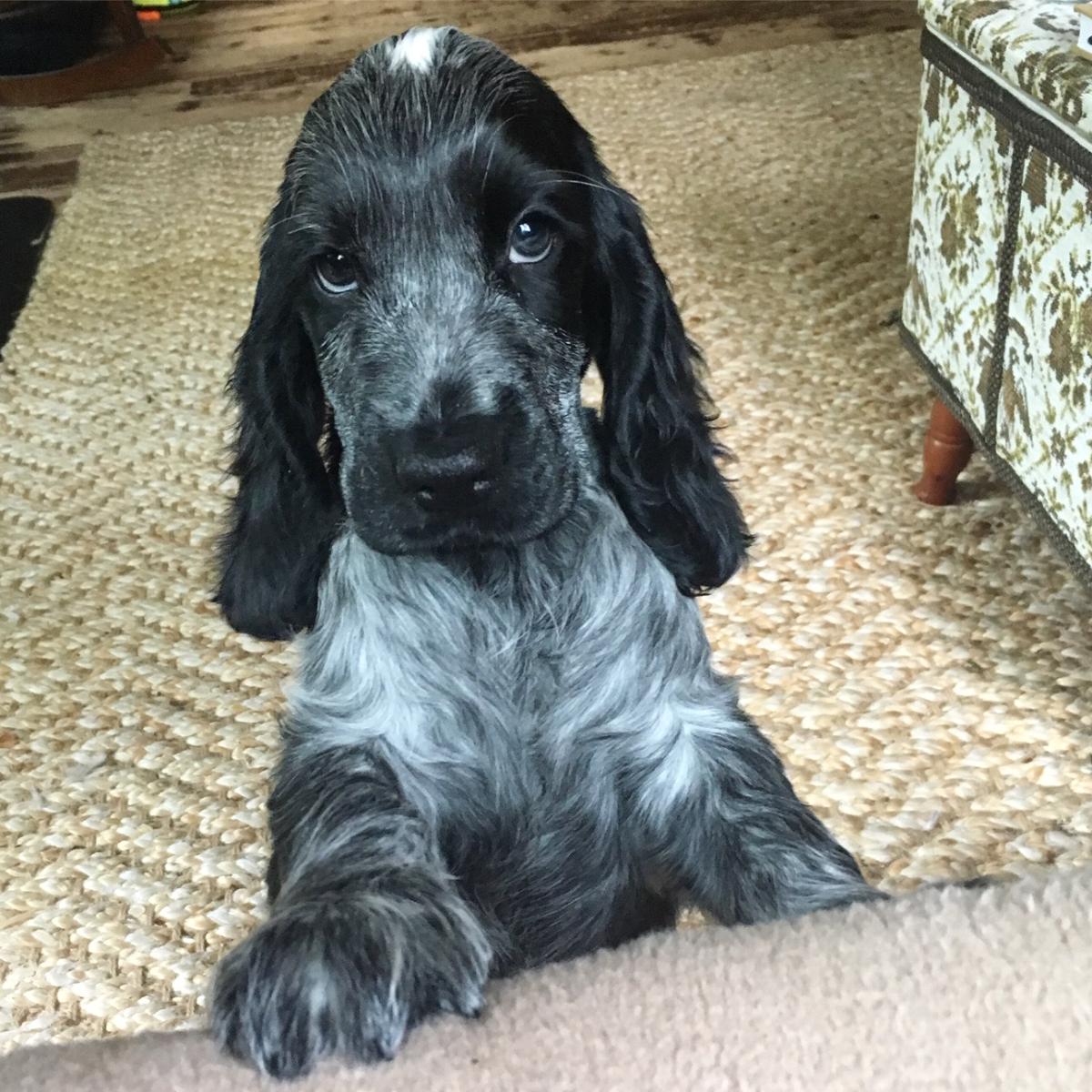
    A blue roan English Cocker Spaniel
    A blue roan English Cocker Spaniel. Our pick: oneisall Dog Clippers on Amazon.ca. Photo: Blairwigley, via Wikimedia Commons, CC BY-SA 4.0

    The best dog clippers for spaniels

    1. oneisall Dog Clippers for Grooming: best overall

    oneisall’s cordless clippers are designed to be quiet, which matters for sensitive or nervous dogs, and they come with guide combs for leaving the coat at different lengths. They are among the most-reviewed dog clippers on Amazon.ca and are a sensible first set for home grooming.

    • Good for: tidying the head, throat, belly and a short pet trim
    • Watch for: keep blades clean and oiled, and charge before long sessions

    Check the oneisall Dog Clippers for Grooming on Amazon.ca →

    2. oneisall Dog Clippers and Paw Trimmer: best with paw trimmer

    The cocker’s feet are one of the most important areas to keep trimmed, to prevent slipping, mud balls and ice balls. This set pairs the main clipper with a small trimmer that is easier to manoeuvre between pads and around the eyes and ears.

    • Good for: feet, pads, face and hygiene areas
    • Watch for: go slowly between the pads, where skin is thin

    Check the oneisall Dog Clippers and Paw Trimmer on Amazon.ca →

    3. oneisall 4-in-1 Dog Grooming Kit: best grooming kit

    If you want to do most of your cocker’s grooming at home, an all-in-one kit with clipper and extra tools keeps everything together. Check the listing for exactly what is included.

    • Good for: owners setting up home grooming
    • Watch for: check that included tools suit your dog’s coat

    Check the oneisall 4-in-1 Dog Grooming Kit on Amazon.ca →

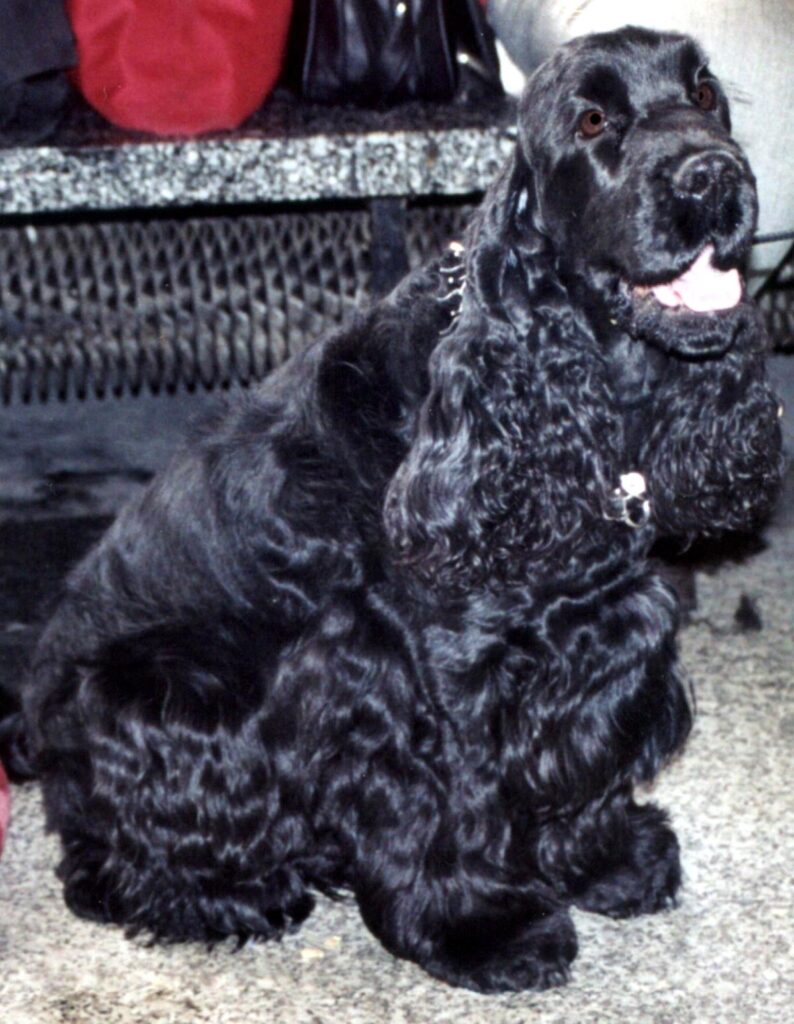
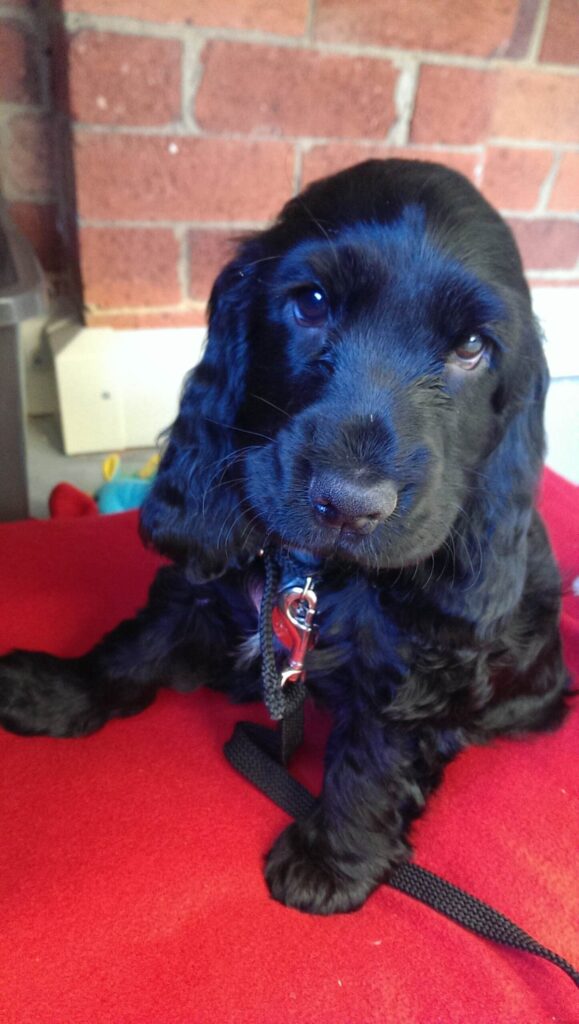
    A dark roan cocker spaniel coat
    A dark roan cocker spaniel coat. Our pick: oneisall clippers and paw trimmer on Amazon.ca. Photo: Pleple2000, via Wikimedia Commons, CC BY-SA 3.0

    Comparison

    ClipperTypeBest for
    oneisall clippersCordless, low noiseAll-round home clipping
    oneisall + paw trimmerClipper and small trimmerFeet and face
    oneisall 4-in-1 kitGrooming kitComplete home grooming

    What to look for

    • Low noise and vibration: cockers are sensitive; quieter clippers keep them calmer.
    • Cordless or corded: cordless clippers are easier to manoeuvre; corded professional clippers have more power for thick coats.
    • Guide combs: attachment combs let you clip to an even length without taking the coat too short.
    • Blade quality: sharp, cool-running blades cut cleanly without pulling. Blades heat up with use, so check them regularly.
    • Small trimmer: invaluable for feet, pads, around the eyes and the sanitary area.

    Clipping and the cocker coat

    Show English Cockers are usually hand-stripped rather than clipped, which removes dead hair and keeps the coat’s natural texture and colour. Many pet owners clip because it is quicker and easier. Be aware that repeated clipping of the back and sides can change some cocker coats, making them softer, fluffier or more prone to tangling. If you want to keep the natural silky look, consider limiting the clippers to the head, throat, feet and hygiene areas, and use thinning scissors and a stripping technique on the body.

    How to clip an English Cocker at home

    1. Bath and dry your dog first; clippers glide through clean, dry, brushed coat and dull quickly on dirt.
    2. Brush and comb out every tangle with a slicker and comb.
    3. Work on a stable, non-slip surface; a grooming table makes it much easier.
    4. Start with a longer guide comb; you can always take more off.
    5. Clip in the direction the hair grows, using smooth, even strokes and keeping the blade flat against the skin.
    6. Tidy the top of the head, cheeks and throat, blending into the neck.
    7. Trim the hair under the feet and between the pads with a small trimmer, then shape around the foot with scissors.
    8. Check the blade temperature often by touching it to your wrist; swap blades or pause if it gets warm.
    9. Finish by blending lines with thinning scissors and give lots of treats.

    Safety tips

    • Take extra care around ears, armpits, the belly and any loose skin, where it is easy to nick.
    • Never clip over mats; the blade can catch skin trapped in the mat. Remove mats first or ask a groomer.
    • Keep sessions short at first and stop before your dog gets restless.
    • Introduce the sound and vibration of the clippers gradually, with treats, before trimming.
    • If your dog is very anxious or the coat is badly matted, see a professional groomer.

    Frequently asked questions

    Should I clip my English Cocker’s body?

    You can, for convenience, but repeated clipping can change the texture of some coats. Many owners clip only the head, throat, feet and hygiene areas and keep the body natural.

    What blade length is best for a cocker?

    It depends on the area and the look you want. Use shorter settings for the throat and under the feet, and longer guide combs on the body.

    Are cordless clippers powerful enough?

    For tidying and pet trims, good cordless clippers work well. For very thick or matted coats, corded professional clippers may be better.

    How do I keep my cocker calm during clipping?

    Start slowly, reward generously, keep sessions short and use a quiet clipper. A lick mat helps many dogs relax.

    Featured photo: Stirpicult, via Wikimedia Commons, CC BY-SA 4.0

  • The Best Brushes and Combs for English Cocker Spaniels (2026)

    The Best Brushes and Combs for English Cocker Spaniels (2026)

    Updated November 2026. English Cocker Spaniel Guide is an independent site, not affiliated with any breed club or kennel club. Some links are affiliate links: as an Amazon Associate we earn from qualifying purchases.

    The English Cocker Spaniel’s silky coat and long, feathered ears are beautiful, but they tangle easily. Mats form fast behind the ears, in the armpits and on the back of the legs, and once they tighten against the skin they are uncomfortable and hard to remove. The right brush and comb make regular grooming quicker, gentler and far more effective. This guide covers the tools that suit a cocker’s coat and how to use them properly.

    These are our picks from Amazon.ca, chosen on design, materials, suitability for a medium-sized spaniel, and the volume and consistency of buyer reviews. We have not lab-tested them ourselves.

    Quick picks

    A golden English Cocker Spaniel's coat
    A golden English Cocker Spaniel’s coat. Our pick: Wahl Canada Slicker Brush on Amazon.ca. Photo: Unknown, via Wikimedia Commons, Public domain

    The best brushes and combs for cockers

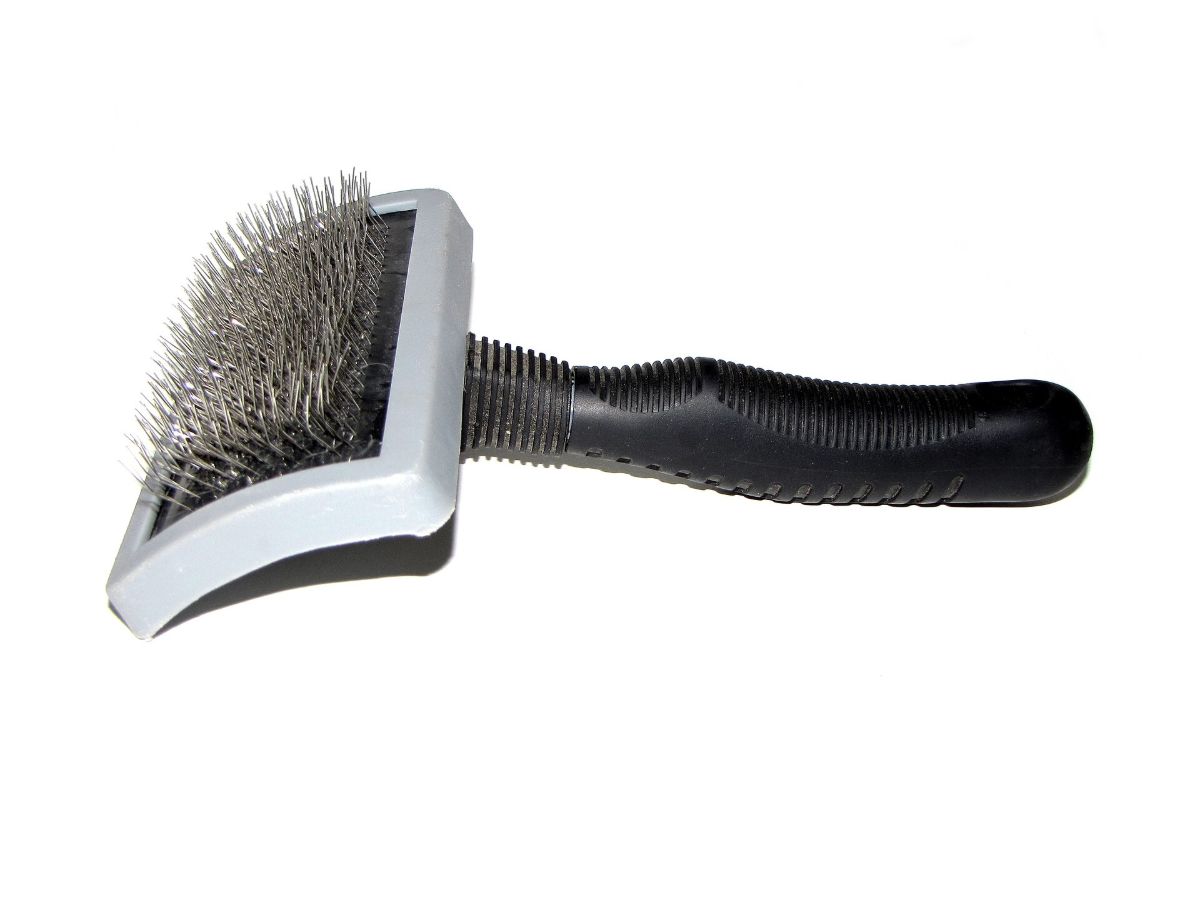
    1. Wahl Canada Large Slicker Brush: best slicker brush

    A slicker brush, with fine wire pins set in a cushioned pad, is the workhorse for a cocker’s feathering. It removes loose hair and works through small tangles before they become mats. Wahl’s large slicker covers the body and legs efficiently, and the brand is well known among Canadian groomers. Use light pressure and let the pins do the work.

    • Good for: regular brushing of ears, legs, chest and belly
    • Watch for: slicker pins can scratch skin if you press too hard; practise on your forearm

    Check the Wahl Canada Large Slicker Brush on Amazon.ca →

    2. The Doodle Brush Slicker Brush: best for feathering

    Designed for curly, thick coats, this slicker has longer pins that reach down through dense feathering to the skin, which is where cocker mats start. It suits show-bred cockers with fuller coats and the profuse ear feathering many pet cockers grow.

    • Good for: dense feathering and full coats
    • Watch for: long pins need a gentle hand on thin-coated areas

    Check the The Doodle Brush Slicker Brush on Amazon.ca →

    3. PIEPEA Stainless Steel Pet Comb: best comb

    A metal comb is the secret weapon of every good groomer. After brushing, run the comb through the coat from the skin outward; if it catches, there is a tangle the brush missed. This comb has both wide and narrow teeth and has an excellent rating from thousands of buyers.

    • Good for: finishing, checking for tangles, ears and face
    • Watch for: do not drag through mats; tease them apart first

    Check the PIEPEA Stainless Steel Pet Comb on Amazon.ca →

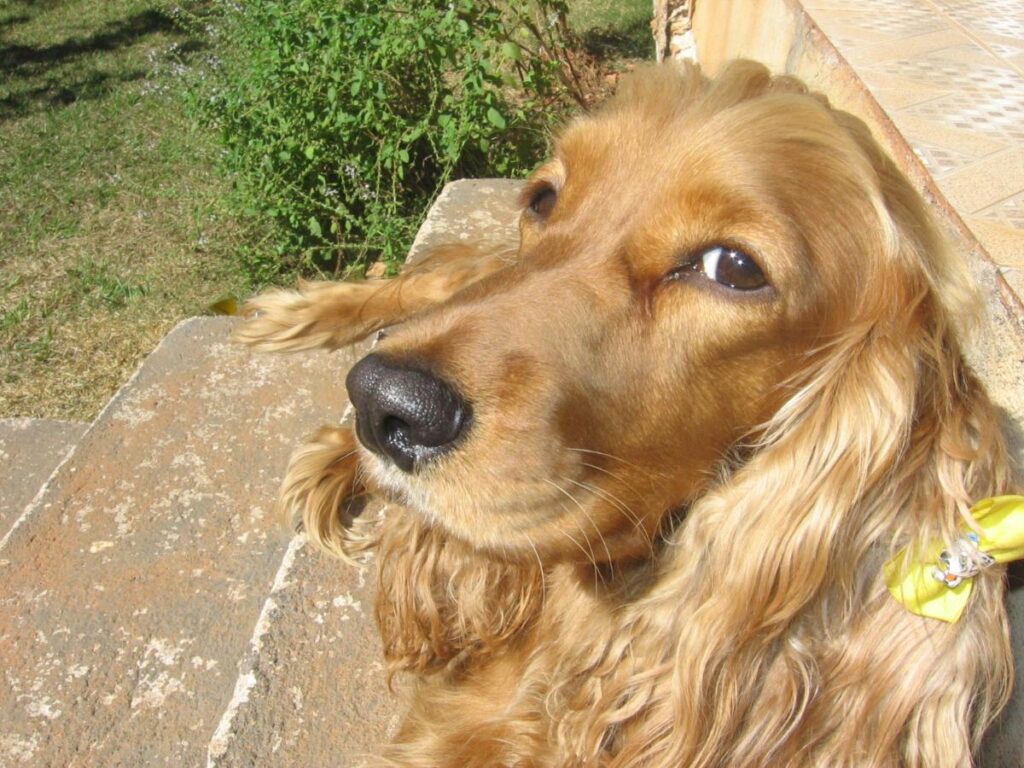
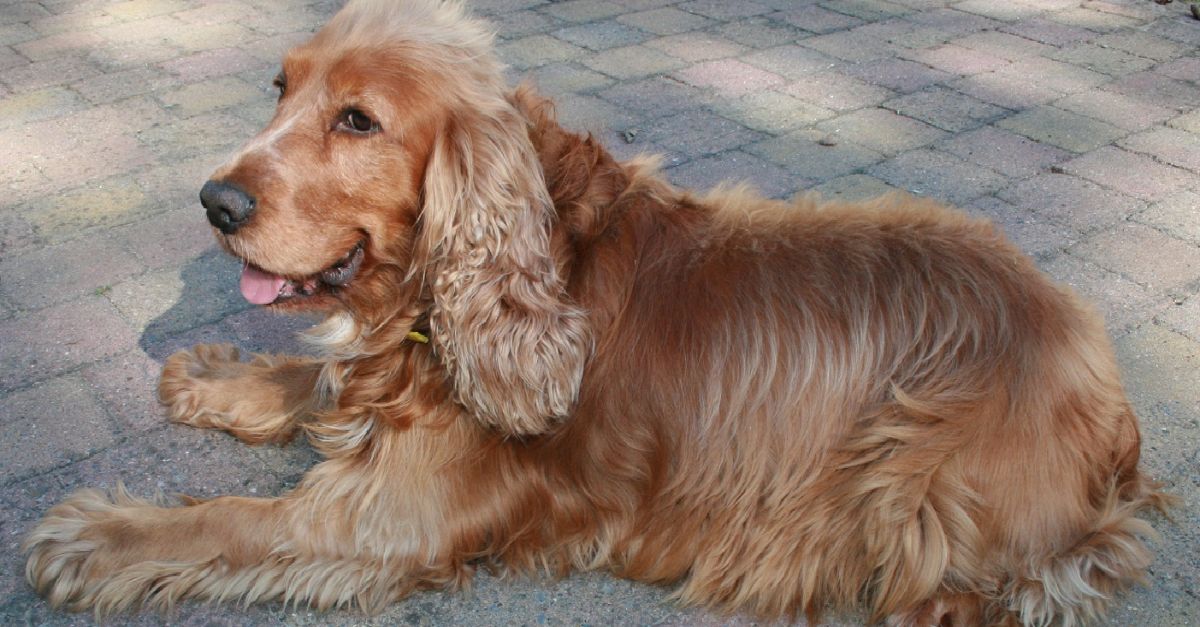
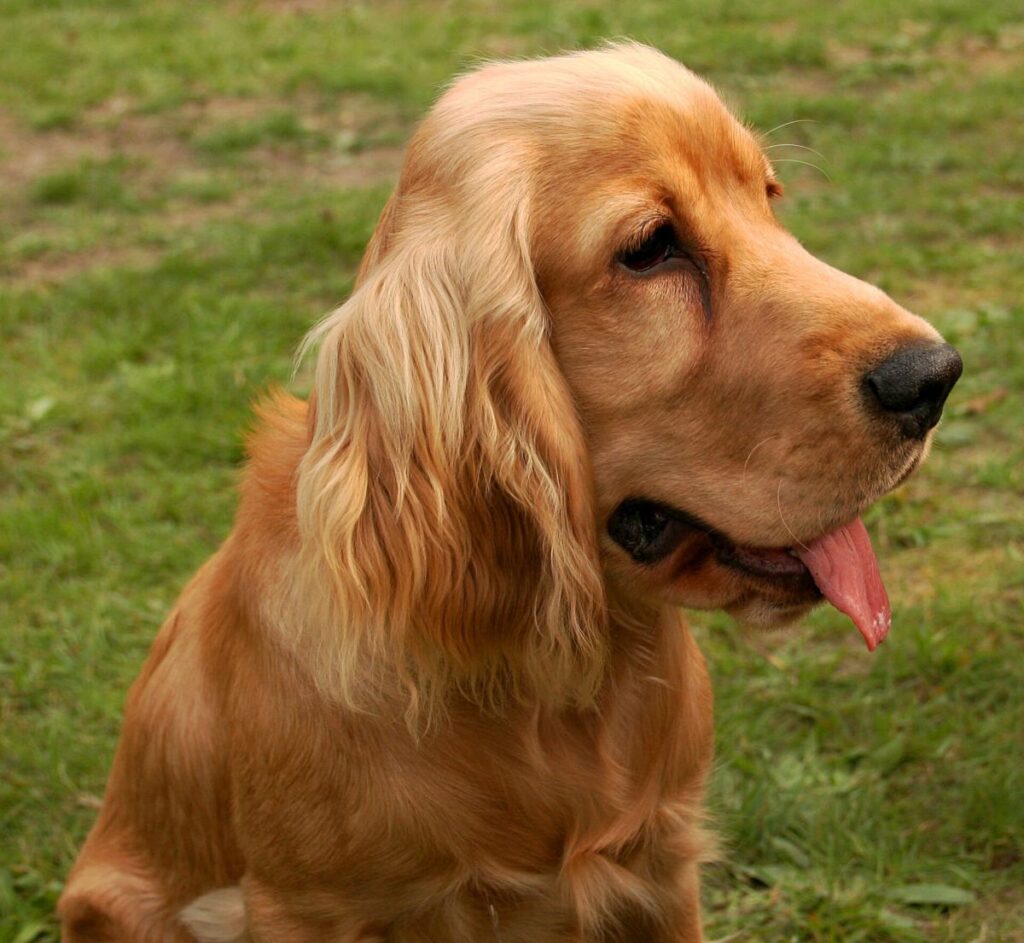
    A golden English Cocker Spaniel
    A golden English Cocker Spaniel. Our pick: PIEPEA metal comb on Amazon.ca. Photo: Pleple2000, corected by Robek, via Wikimedia Commons, CC BY-SA 3.0

    Comparison

    ToolTypeBest for
    Wahl slickerSlicker brushEveryday brushing
    Doodle BrushLong-pin slickerThick feathering
    PIEPEA combMetal combFinishing and tangle checks

    What to look for in a brush for an English Cocker

    • Slicker brush: essential. Choose a size that fits comfortably in your hand; a medium or large slicker covers the body, while a small one is handy for the face and feet.
    • Pin length: longer pins reach through thick feathering; shorter pins suit short or clipped coats.
    • Flexible pad: a cushioned or flexible head is gentler on the skin.
    • Metal comb: a comb with wide and fine teeth finds tangles and finishes the coat.
    • Avoid harsh deshedding blades on the silky feathering; they can cut and damage the coat. Use them only as your groomer advises.
    • Comfortable handle: you will be brushing often, so grip matters.

    How to brush an English Cocker properly

    1. Start with a calm, tired dog on a non-slip surface or grooming table.
    2. Mist the coat lightly with water or a grooming spray; brushing a dry coat can cause breakage and static.
    3. Line brush: part the coat with one hand and brush in small sections from the skin outward, working up the leg or ear.
    4. Pay extra attention to behind the ears, the ear flaps, armpits, chest, belly, back of the legs and around the tail.
    5. Follow with the comb. If it snags, go back with the slicker or tease the tangle apart with your fingers.
    6. Finish by checking the feet and the hair between the pads, and give a treat.

    Brush two to four times a week, and daily for a full coat or after muddy walks. For the full routine, see our grooming guide.

    Dealing with mats

    Small tangles can be teased apart with your fingers and a little detangling spray, then worked out gently with the slicker and comb, holding the hair near the skin so you do not pull. Large or tight mats are painful to brush out; cut them out carefully with blunt-ended scissors, cutting away from the skin, or ask a groomer to clip them. Never bath a matted dog, as water tightens mats.

    Making brushing a happy habit

    Start brushing your puppy gently from the first week, a few strokes at a time, with treats. Keep early sessions short and finish before your dog gets bored. A LickiMat with a smear of dog-safe paste keeps many dogs happily occupied while you work.

    Caring for your brushes

    Remove hair from the slicker after every session, and wash brushes and combs occasionally in warm soapy water, drying them thoroughly so the pins do not rust. Replace a slicker when the pins become bent or the pad splits, since damaged pins scratch the skin. Keeping a separate small slicker in the car or by the back door makes it easy to brush out burrs and seeds straight after walks, before they work their way into mats.

    Frequently asked questions

    How often should I brush my English Cocker?

    Two to four times a week for most coats, and daily for long show coats or after muddy, wet walks.

    What is the best brush for a cocker spaniel?

    A good slicker brush plus a metal comb covers nearly everything. Add a small slicker for faces and feet if you like.

    Can I use a deshedding tool on my cocker?

    Use deshedding blades cautiously, if at all, on the silky feathering, as they can cut the coat. Ask your groomer.

    Why does my cocker hate being brushed?

    It may have been hurt by tangles in the past. Detangle gently, use a light hand, keep sessions short and reward generously.

    For a full routine to keep loose hair under control, see do cocker spaniels shed?

    Featured photo: ZooFari, via Wikimedia Commons, CC BY-SA 3.0

  • The History of the English Cocker Spaniel

    The History of the English Cocker Spaniel

    Updated November 2026. English Cocker Spaniel Guide is an independent site, not affiliated with any breed club or kennel club. Some links are affiliate links: as an Amazon Associate we earn from qualifying purchases.

    The English Cocker Spaniel’s story stretches back centuries, from the general-purpose “spaniels” of medieval Britain to the distinct breed recognised by kennel clubs today. Along the way, the breed was shaped by hunters, early dog shows, famous foundation dogs and the separation of the English and American types. Understanding that history helps explain the cocker’s personality: its nose, its drive, its love of carrying things and its devotion to its people.

    Early spaniels

    Dogs described as spaniels appear in British writing for many centuries. The name is usually thought to come from an old word for “Spanish”, suggesting that the type may have arrived from or been associated with Spain, though the exact origin is debated. In the sixteenth century, the English physician John Caius described different kinds of hunting dogs in Britain, including spaniels used to find and spring game for hawks and nets. These early spaniels were working dogs first and foremost, valued for their noses and their willingness to work close to a hunter.

    Land spaniels and water spaniels

    Over time, spaniels were loosely divided into land spaniels and water spaniels, and then by size and job. Larger spaniels were used for springing game, while smaller spaniels were especially good at working thick cover for woodcock, a small game bird. These smaller dogs came to be called “cocking spaniels” or “cockers”, a name linked to the woodcock they hunted.

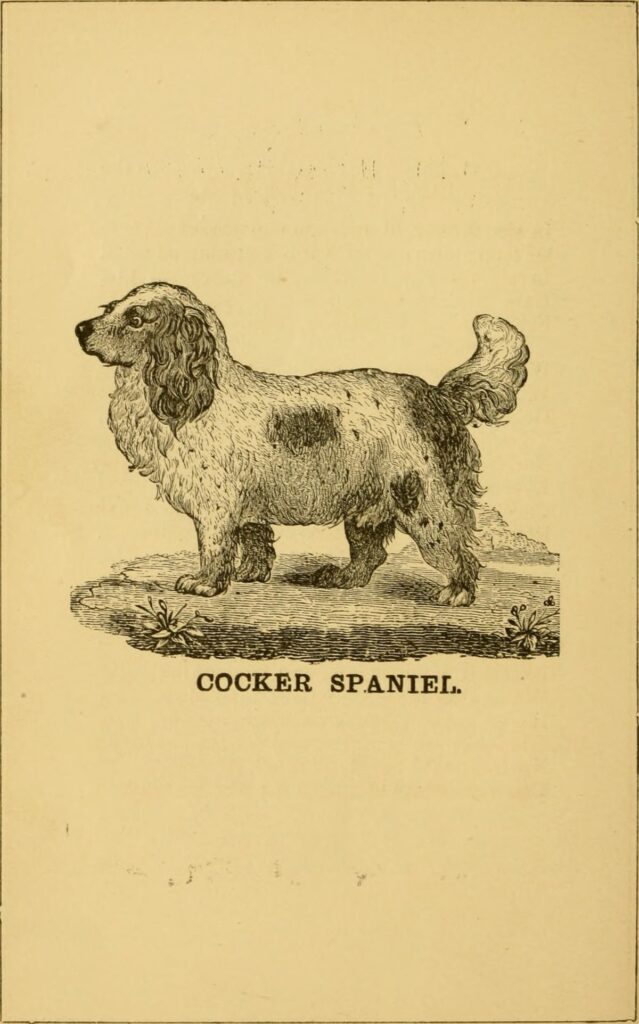
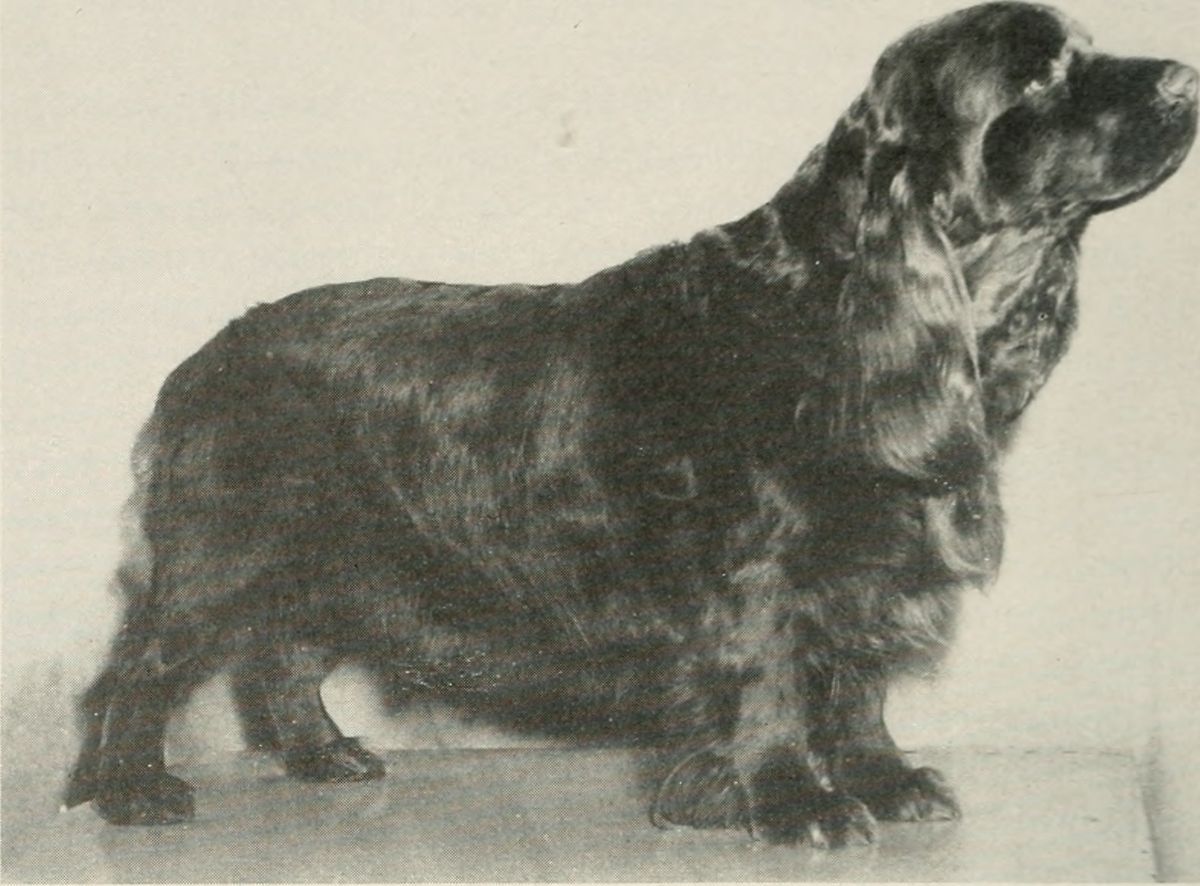
    A 19th-century engraving of a cocker spaniel
    A 19th-century engraving of a cocker spaniel. Photo: Internet Archive Book Images, via Wikimedia Commons, No restrictions

    The arrival of dog shows

    In the nineteenth century, dog shows and kennel clubs transformed the way breeds were defined. The Kennel Club in Britain was founded in 1873, and breeders began keeping pedigrees and writing breed standards. At first, spaniels from the same litter could be classed as different breeds depending on their weight. Gradually, the cocker was established as a breed in its own right, with its own standard and stud book entries, separate from the larger springers and field spaniels.

    A dog named Obo, born in England in the late 1870s, is often described as one of the foundation sires of the modern cocker. Obo and his descendants helped fix the type, and a son of Obo exported to North America is frequently mentioned in the history of cockers there as well.

    Cockers in North America

    Cocker spaniels became popular in North America in the late nineteenth and early twentieth centuries. Over the following decades, many North American breeders selected for a smaller dog with a rounder head, shorter muzzle and more abundant coat, creating what became the American Cocker Spaniel. Breeders who preferred the original British type formed their own breed club in the 1930s to protect and promote it, and the American Kennel Club recognised the English Cocker Spaniel as a separate breed in 1946. Today the two are distinct breeds in North America; see our guide to English vs American Cockers.

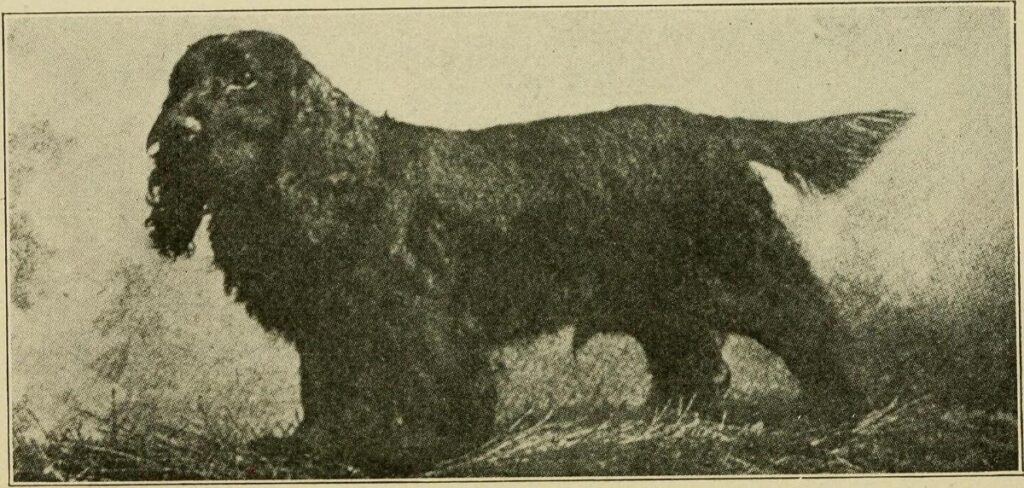
    A historical cocker spaniel illustration
    A historical cocker spaniel illustration. Photo: Internet Archive Book Images, via Wikimedia Commons, No restrictions

    The split between show and working lines

    Through the twentieth century, English Cockers increasingly divided into show-bred lines, selected for conformation in the ring, and working-bred lines, selected for performance in field trials and on shoots. Both remain English Cockers, but they now look and behave quite differently. Read more in our guide to show vs working cockers.

    Popularity

    In Britain and much of Europe, the cocker has long been among the most popular breeds, both as a family dog and as a gundog. Its compact size, affectionate nature and adaptability have made it a favourite of families, hunters, sniffer-dog programs and, increasingly, dog sport enthusiasts. In North America, the English Cocker is less common than the American Cocker but has a devoted following.

    Cockers at work today

    • Gundogs: working cockers remain popular on shoots for flushing and retrieving. See our guide to field work.
    • Detection dogs: spaniels, including cockers, are used to detect drugs, explosives and other substances thanks to their keen noses and drive.
    • Therapy and assistance: their gentle, people-focused nature suits therapy visits and some assistance roles.
    • Dog sports: agility, flyball, rally and scent work.
    • Family companions: by far the most common job today.

    How history shapes your cocker

    Many of the behaviours owners love, and some they find challenging, come straight from the breed’s working past. The constant sniffing, the zigzag pattern on walks, the love of carrying shoes, the excitement at birds, the soft mouth, the eagerness to please and the desire to stay close to their people all trace back to generations of spaniels bred to hunt cooperatively with humans. Giving your cocker outlets for these instincts, through exercise, retrieving and scent games, is the key to a happy dog.

    Coat colours through history

    Early cockers came in a wide variety of colours, including solids, parti-colours and roans, and debates about which colours were best have run through the breed’s history. Today’s English Cockers still come in a broad palette; see our guide to English Cocker colours.

    The wars and the breed

    Like many breeds, cockers were affected by the two World Wars, when breeding slowed sharply and food shortages made keeping dogs difficult. Dedicated breeders preserved key bloodlines through those years, and the breed recovered strongly afterwards, becoming one of the most popular breeds in Britain by the mid-twentieth century.

    Preserving the breed today

    Modern breeders face different challenges: keeping the breed healthy through DNA testing and careful selection, maintaining genetic diversity, and balancing appearance, temperament and working ability. Choosing a puppy from a breeder who health-tests and breeds thoughtfully is the best way for owners to support the breed’s future. See our guides to finding a responsible breeder and health testing.

    Frequently asked questions

    Where does the name “cocker spaniel” come from?

    “Cocker” is usually linked to the woodcock, the small game bird these spaniels were especially good at flushing. “Spaniel” is often thought to derive from an old word meaning Spanish, though the origin is debated.

    When was the English Cocker recognised as a separate breed in the US?

    The American Kennel Club recognised the English Cocker Spaniel as a separate breed in 1946.

    Who was Obo?

    Obo was a cocker born in England in the late 1870s, often cited as a foundation sire of the modern breed.

    Are English Cockers still used for hunting?

    Yes. Working-bred cockers are widely used as gundogs, especially in Britain and Europe.

    Featured photo: Internet Archive Book Images, via Wikimedia Commons, Public domain

  • How Much Does an English Cocker Spaniel Cost? A Realistic Budget

    How Much Does an English Cocker Spaniel Cost? A Realistic Budget

    Updated November 2026. English Cocker Spaniel Guide is an independent site, not affiliated with any breed club or kennel club. Some links are affiliate links: as an Amazon Associate we earn from qualifying purchases.

    An English Cocker Spaniel is a long-term commitment, often for 12 to 14 years or more, and the purchase price is only the beginning. Food, grooming, vet care, insurance, training and equipment add up over a lifetime. Budgeting realistically before you bring a cocker home helps you give it the care it needs without financial stress. The figures below are rough Canadian-dollar estimates to help you plan; actual costs vary a great deal by region, lifestyle and your individual dog.

    Upfront costs

    ItemRough estimate (CAD)Notes
    Puppy from a responsible, health-testing breederOften several thousand dollarsPrices vary by region and lines; very low prices are a red flag
    Adoption feeA few hundred dollarsUsually includes vaccinations, spay or neuter and microchip
    Crate, bed and bowls$150 to $400Buy adult-sized gear; see our puppy checklist
    Collar, harness, leads and ID$60 to $150
    Grooming tools$80 to $250Brush, comb, scissors, nail clippers
    Toys, chews and treats$50 to $150
    Initial vet visits and vaccinations$300 to $700Depends on what the breeder or rescue has already done
    Spay or neuter (if not included)$300 to $800+Varies widely by clinic and region
    Puppy classes$150 to $400Well worth it for socialisation and training

    Ongoing yearly costs

    CategoryRough yearly estimate (CAD)Notes
    Food$600 to $1,400Depends on the food you choose and your dog’s size and activity
    Treats and chews$150 to $400
    Routine vet care$400 to $1,000Annual check-up, vaccinations, parasite prevention
    Professional grooming$500 to $1,200A trim every 6 to 8 weeks; less if you groom at home
    Pet insurance$500 to $1,200Varies with age, coverage and deductible
    Toys, beds and replacements$100 to $300
    Licences and registration$20 to $100Many municipalities require a dog licence
    Boarding or pet sittingVariesBudget if you travel without your dog

    Many owners spend somewhere in the range of a couple of thousand dollars a year on a healthy adult cocker, more in the first year and in old age, and considerably more if unexpected health problems arise.

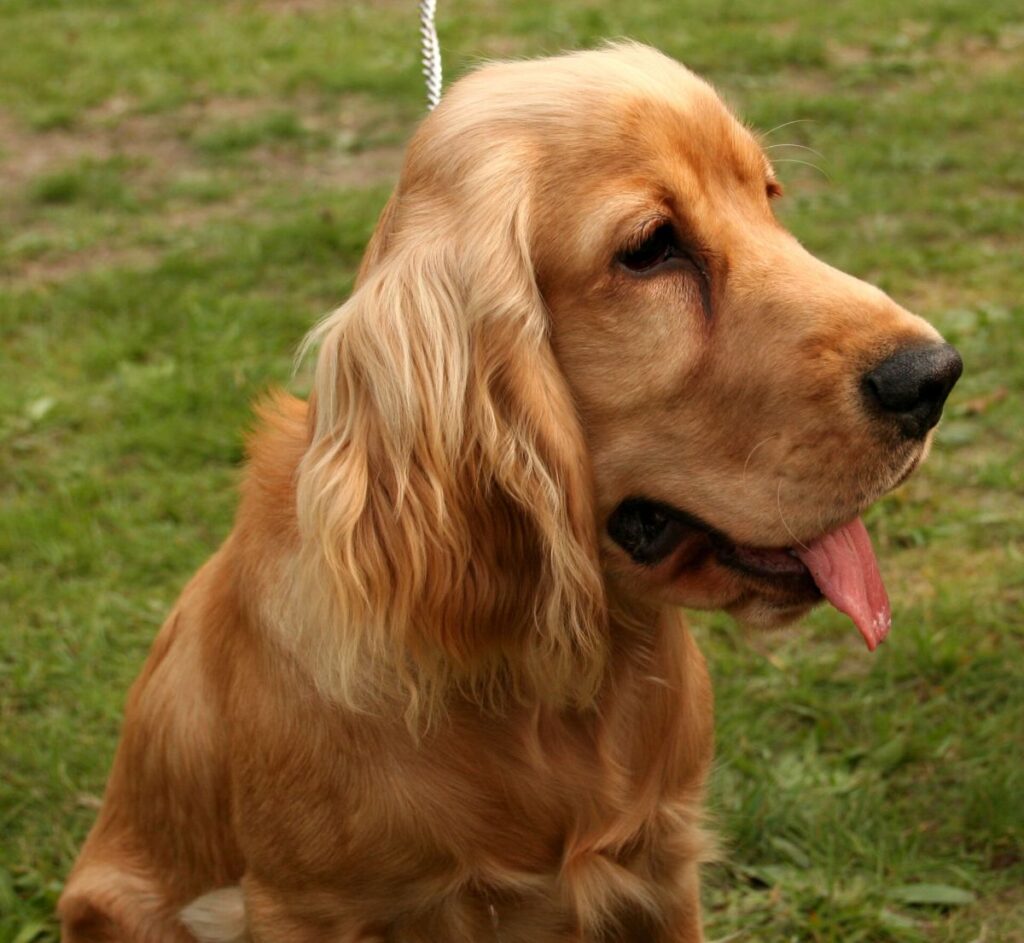
    A golden English Cocker Spaniel
    A golden English Cocker Spaniel. Photo: Pleple2000, via Wikimedia Commons, CC BY-SA 3.0

    Unexpected costs

    The biggest financial risk is an unexpected illness or injury. Emergency surgery, treatment for chronic ear infections, eye conditions, allergies or a swallowed sock can cost hundreds to thousands of dollars. Cockers are curious, food-motivated dogs, and ear problems are common in the breed, so plan for vet bills. See our health guide.

    Pet insurance vs a savings fund

    Pet insurance helps cover unexpected vet bills in exchange for a monthly premium. Policies vary widely: compare what is covered, waiting periods, annual and lifetime limits, deductibles, reimbursement percentage, and whether hereditary and chronic conditions are included. Ear infections and breed-related conditions are worth checking specifically. Some owners prefer to put a fixed amount into a dedicated savings account each month instead. Whichever you choose, start from day one, since pre-existing conditions are usually excluded.

    Ways to save without cutting corners

    • Learn to brush, bath and trim at home with good tools; see our grooming guide. A home grooming table pays for itself quickly.
    • Buy durable gear once rather than cheap gear repeatedly, especially crates, beds and chew toys.
    • Keep your dog at a healthy weight to reduce the risk of costly joint and health problems.
    • Brush teeth regularly to reduce the need for dental procedures; see our dental care guide.
    • Clean ears weekly with a vet-approved cleaner to help prevent infections.
    • Keep up with preventive vet care; catching problems early is usually cheaper.
    • Make your own enrichment: frozen KONGs, snuffle mats and scent games cost very little.
    A cocker spaniel on a boardwalk
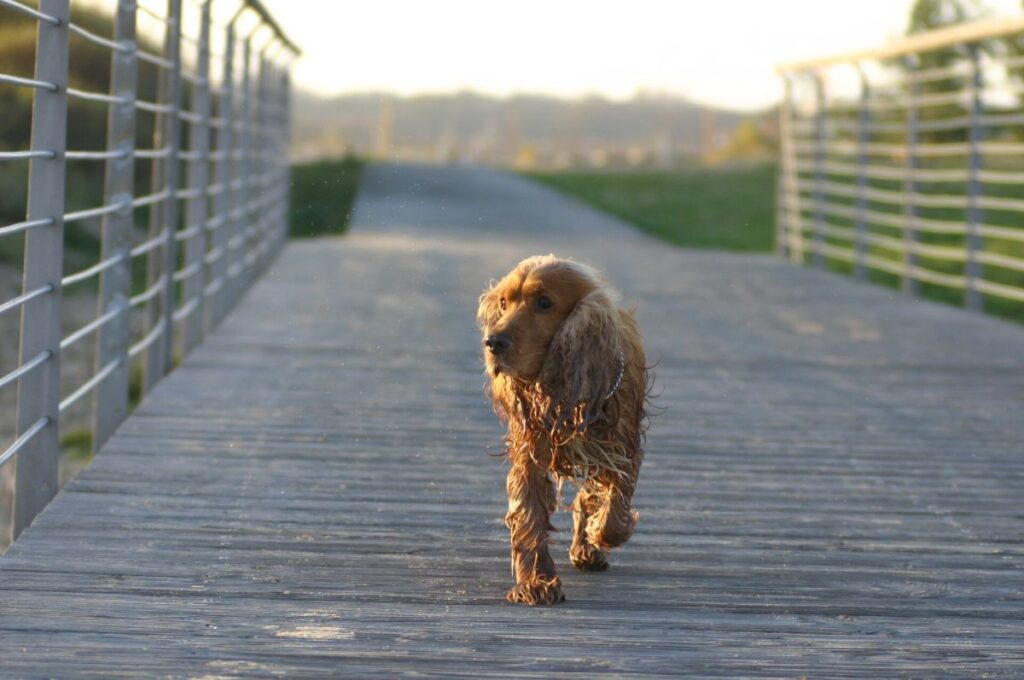
    A cocker spaniel on a boardwalk. Photo: No machine-readable author provided. Diggler73 assumed (based on copyright claim, via Wikimedia Commons, CC BY-SA 3.0

    Lifetime cost

    Adding up purchase, first-year and ongoing costs over a 12- to 14-year lifespan, the lifetime cost of an English Cocker can easily reach tens of thousands of dollars, and more if your dog needs significant medical care. That is not meant to discourage you; it is simply the reality of giving any dog a good life. Most cocker owners will tell you every dollar is worth it.

    Don’t forget your time

    Beyond money, a cocker needs your time: at least an hour of exercise a day, training, grooming, companionship and care when it is ill or old. If your schedule is very full, factor in the cost of dog walkers or daycare. See our guides to exercise and temperament.

    First-year costs at a glance

    The first year is usually the most expensive. On top of the purchase or adoption price, you will be buying all the equipment, paying for the full puppy vaccination course, spay or neuter, microchipping and puppy classes, and probably replacing a few chewed items along the way. Puppies also need more frequent vet visits. Setting aside a larger budget for the first twelve months, and then a steady monthly amount after that, makes cocker ownership much more manageable.

    Costs that change with age

    Costs tend to fall after the first year and then rise again in the senior years, when dogs often need more frequent check-ups, blood tests, dental care, joint support and sometimes ongoing medication. Planning for these later costs early, through insurance or savings, means you can focus on your dog’s comfort rather than the bill. Our guide to senior cocker care explains what to expect.

    Budgeting tips

    • Set up a separate account for dog expenses and pay into it monthly.
    • Keep receipts and records; they help with insurance claims and tracking spending.
    • Ask your vet about wellness plans that spread routine care costs over the year.
    • Price-check food and supplies, and buy larger bags if you have storage space and your dog does well on the food.

    A little planning now means you can say yes to the care your cocker needs, when it needs it.

    Frequently asked questions

    How much does an English Cocker puppy cost in Canada?

    From responsible, health-testing breeders, puppies commonly cost several thousand dollars, depending on region and lines. Be wary of very cheap puppies.

    Is pet insurance worth it for a cocker?

    Many owners find it worthwhile, especially given the breed’s tendency to ear problems. Compare policies carefully, or set aside savings each month.

    How much does grooming a cocker cost?

    Professional trims typically cost from around $70 to well over $120 each, depending on the region and services. Home grooming saves money once you have the tools.

    What is the most expensive part of owning a cocker?

    For many owners, unexpected veterinary care is the biggest cost. Food and grooming are the largest predictable expenses.

    Featured photo: François SUEUR, via Wikimedia Commons, CC BY-SA 4.0

  • Field Work with an English Cocker Spaniel: Getting Started in Gundog Training

    Field Work with an English Cocker Spaniel: Getting Started in Gundog Training

    Updated November 2026. English Cocker Spaniel Guide is an independent site, not affiliated with any breed club or kennel club. Some links are affiliate links: as an Amazon Associate we earn from qualifying purchases.

    The English Cocker Spaniel was created to work. For generations, cockers have hunted hedgerows, woodland and marsh, finding game by scent, flushing it within range of the gun and retrieving it gently to hand. Many modern cockers, especially from working lines, still have those instincts in abundance. Whether you hunt, want to try working tests, or simply want to give your dog an outlet for its natural talents, field work is one of the most satisfying things you can do with a cocker.

    What a working spaniel does

    • Hunting and quartering: the dog works in a zigzag pattern in front of the handler, covering ground systematically and staying within range.
    • Finding game: using its nose to locate birds or rabbits hidden in cover.
    • Flushing: pushing the game out so it flies or runs.
    • Steadiness: stopping or sitting when game flushes or a shot is fired, rather than chasing.
    • Marking and retrieving: watching where game falls and bringing it back to hand gently, without damaging it.
    • Handling: responding to whistle and hand signals to be directed onto a blind retrieve.
    A spaniel working in open country
    A spaniel working in open country. Photo: Kat Davis, via Wikimedia Commons, CC BY 3.0
    Getting started

    Choose the right dog

    Working-bred cockers from proven hunting or field trial lines usually have the strongest drive, nose and trainability for field work. Many show-bred cockers also enjoy hunting and retrieving, especially at a fun or recreational level. See our guide to show vs working cockers.

    Find a gundog trainer or club

    The fastest way to learn is with experienced people. Gundog clubs, spaniel clubs and retriever clubs run training days for beginners, and many professional trainers offer classes or one-to-one lessons. Training with others also gives you access to suitable ground and, where appropriate, game.

    Build the foundations at home

    Field skills rest on everyday obedience. Before you go near game, your cocker should have:

    • A strong recall, ideally to a whistle
    • A reliable sit or stop, at a distance, on a whistle
    • Steadiness: staying put while a thrown dummy lands, until released
    • A good delivery: carrying a canvas training dummy back to hand without dropping or chewing it
    • Walking calmly at heel

    Training equipment

    • Canvas training dummies in a few sizes
    • A gundog whistle on a lanyard
    • A long line for early training in open ground
    • A comfortable harness or slip lead, as your trainer recommends
    • A drying coat and towels for wet days
    • A dog life jacket for water work or boats
    • A canine first aid kit and tick remover

    Quartering

    Quartering is the core spaniel skill. The dog runs across the wind in front of the handler, turning at the end of each “beat” and working back across, so that the wind carries scent from the cover ahead to its nose. Trainers start by walking a zigzag themselves and encouraging the young dog to mirror them, turning it with a whistle and hand signal, and rewarding it for staying within range. Ground with light cover and a steady breeze makes learning easier.

    A cocker spaniel running on a beach
    A cocker spaniel running on a beach. Photo: Image by Veriko Mikelashvili from Pixabay, via Wikimedia Commons, CC0

    Retrieving

    Many cockers are natural retrievers. Keep early retrieves short and fun, in a corridor or narrow space so your dog comes straight back, and reward a clean delivery to hand. Avoid tug-of-war with dummies and do not chase your dog if it runs off with them. Gradually add distance, cover, water and multiple dummies. Soft mouths matter: a working retriever should carry game gently.

    Working tests, field trials and hunt tests

    If you enjoy training but do not hunt, many organisations run events that test working ability without live game being shot, such as working tests using dummies. Field trials are competitions held on live game, judging dogs on hunting, steadiness and retrieving. In North America, kennel clubs also run spaniel hunting tests, where dogs are measured against a standard rather than each other. Rules and availability vary by country and province, so contact your national kennel club or a local spaniel club to find events near you.

    Safety in the field

    • Wear blaze orange or high-visibility gear for both you and your dog during hunting seasons.
    • Check your dog after every outing for ticks, grass seeds, cuts and thorns, especially in the ears, feet and armpits.
    • Carry plenty of water; working spaniels can overheat quickly, even in cool weather.
    • Dry and check ears after water work to prevent infection; see our ear care guide.
    • Know where the nearest emergency vet is.
    • Respect access rules, landowner permission and wildlife breeding seasons.

    Not a hunter? Try these

    Scent work classes, gundog-style dummy training, tracking and canicross all give cockers a chance to use their natural abilities without hunting. Even a daily game of hiding a toy in the garden taps into the same instincts. See our exercise guide for more ideas.

    Steadiness: the hardest lesson

    For a keen cocker, the urge to chase a flushed bird or rabbit is enormous. Steadiness training teaches the dog to stop or sit when game moves, then wait to be sent for the retrieve. Trainers build it gradually: first with thrown dummies the dog must watch land and not chase, then with dummies thrown while the dog is moving, and later with controlled exposure to game in a rabbit pen or on training grounds with an experienced trainer. Rushing steadiness training is one of the most common mistakes; a dog that learns it can chase will find the lesson much harder to unlearn. Patience, consistency and plenty of rewards for staying put pay off for the rest of the dog’s working life.

    Frequently asked questions

    At what age can I start gundog training?

    Basic foundation work, such as recall, sit and short retrieves, can start as a puppy. More formal field training usually begins once the dog is mature enough, often from around six months to a year, depending on the individual.

    Can a pet English Cocker learn field work?

    Yes. Many pet cockers love dummy training and scent work, and it can improve recall and focus in everyday life.

    Do I need to hunt to do field training?

    No. Working tests and dummy training let you enjoy field skills without hunting.

    What is a stop whistle?

    A single long blast that tells the dog to stop and sit wherever it is, used to control and direct a working spaniel at a distance.

    Featured photo: Armando Olivo Martín del Campo, via Wikimedia Commons, CC BY-SA 4.0

  • Caring for a Senior English Cocker Spaniel

    Caring for a Senior English Cocker Spaniel

    Updated November 2026. English Cocker Spaniel Guide is an independent site, not affiliated with any breed club or kennel club. Some links are affiliate links: as an Amazon Associate we earn from qualifying purchases.

    English Cocker Spaniels often stay playful and youthful well into their senior years, and many live to around 12 to 14 years or more. As your cocker ages, though, its needs change: it may slow down on walks, sleep more, become stiffer after rest, and need closer attention to weight, teeth, eyes, ears and joints. With thoughtful care, the senior years can be some of the most rewarding you share. This guide explains what changes to expect and how to keep an older cocker comfortable and happy. Always discuss specific health concerns with your veterinarian.

    When is a cocker a senior?

    Many vets consider medium-sized dogs to be entering their senior years at around eight to ten years old, though every dog ages differently. Working cockers that have been very active may show wear on joints earlier, while some cockers seem ageless until their teens. The key is to watch for changes and adapt as they happen.

    Common changes in older cockers

    • Slowing down, shorter walks and more sleep
    • Stiffness after rest, difficulty with stairs or jumping into the car
    • Greying around the muzzle and changes in coat texture
    • Cloudy eyes, which may be normal ageing (nuclear sclerosis) or cataracts
    • Reduced hearing
    • Weight gain from lower activity, or weight loss from illness
    • Dental disease
    • Lumps and bumps, most harmless but some needing investigation
    • Changes in sleep patterns, confusion or anxiety, which can be signs of cognitive decline
    A blue roan English Cocker Spaniel
    A blue roan English Cocker Spaniel. Our pick: EHEYCIGA orthopedic dog bed on Amazon.ca. Photo: Michiel1972, via Wikimedia Commons, CC BY-SA 4.0

    Vet care for seniors

    Many vets recommend check-ups every six months for senior dogs, often with blood and urine tests to catch kidney, liver, thyroid and other problems early. Kidney function declines with age in many dogs, and older cockers can also develop eye, heart and hormonal conditions, so routine monitoring is valuable. Report any change in drinking, urination, appetite, weight, breathing or behaviour. See our health guide for breed-specific conditions.

    Comfort and joints

    Arthritis is common in older dogs and can be well managed. Signs include stiffness, reluctance to jump or climb stairs, licking joints and lagging behind on walks. Your vet can recommend pain relief, supplements, weight management and physical therapy. At home:

    • Provide a thick, supportive orthopedic bed away from drafts
    • Put rugs or runners on slippery floors
    • Use a ramp or lift your dog into the car rather than letting it jump
    • Keep nails short so your dog has good grip; a nail grinder helps
    • Use a supportive harness to help steady your dog on stairs
    • Keep your dog lean; extra weight makes arthritis much worse

    Exercise for older cockers

    Senior cockers still need daily exercise to keep muscles strong and joints mobile, but shorter, gentler and more frequent outings suit them better than long hikes. Let your dog sniff and explore; scent work is gentle on the body and wonderful for the mind. Swimming in calm, warm water can be good low-impact exercise, but dry the ears afterwards. Avoid extreme heat and cold, and watch for signs of fatigue. See our exercise guide.

    Diet for senior cockers

    Older dogs often need fewer calories but still need high-quality protein to maintain muscle. Your vet may suggest a senior or joint-support diet, or a special diet for kidney or other conditions. Weigh your dog regularly and adjust portions; see our feeding guide. Soaking kibble can help dogs with dental pain, and a LickiMat or slow feeder keeps mealtimes interesting.

    A golden cocker spaniel resting
    A golden cocker spaniel resting. Our pick: LICKIMAT slow feeder on Amazon.ca. Photo: fafatshteh, via Wikimedia Commons, CC BY 3.0
    Grooming an older cocker

    Older cockers may find long grooming sessions tiring and may have sensitive joints, skin lumps or sore ears. Keep sessions short, groom on a non-slip surface, and consider a shorter, practical trim to make care easier. Continue weekly ear checks, regular tooth brushing and nail trims. Grooming is also a good time to check for new lumps, which you should report to your vet.

    Keeping the mind young

    Mental stimulation helps keep older dogs engaged and may slow cognitive decline. Teach simple new tricks, play gentle scent games, use puzzle toys and take your dog to new places to sniff. Keep routines predictable, as older dogs with cognitive changes can become anxious when things change.

    Quality of life

    As your cocker ages, you may face difficult decisions. Your vet can help you assess quality of life, considering pain, appetite, mobility, hygiene, happiness and whether good days outnumber bad. Planning ahead and talking openly with your vet makes these decisions less overwhelming when the time comes.

    Adapting your home

    Small changes make a big difference to an older cocker. Raise food and water bowls slightly if bending down seems uncomfortable, and choose narrow spaniel bowls so long ears stay dry. Block off steep stairs with a baby gate, add night lights if your dog seems unsure in the dark, and keep furniture in the same places for dogs with failing eyesight. A car seat cover or low crate makes car travel easier for a dog that can no longer jump in.

    Hearing and vision loss

    Many older dogs lose some hearing or sight. Teach hand signals while your dog can still hear, approach a deaf dog so it can see you, and avoid startling a sleeping dog by touching it gently or tapping the floor. Dogs adapt remarkably well to gradual vision loss as long as their environment stays predictable.

    Toileting changes

    Older dogs may need to go out more often, including at night. Increased thirst or urination, accidents in the house or straining can signal kidney disease, urinary infections, diabetes or other conditions, so mention any changes to your vet rather than assuming they are simply old age.

    Frequently asked questions

    How long do English Cocker Spaniels live?

    Many live around 12 to 14 years, and some longer, with good care and a bit of luck.

    At what age is a cocker considered a senior?

    Often around eight to ten years, though individual dogs age at different rates.

    Should my senior cocker still go for walks?

    Yes, usually. Shorter, gentler walks with time to sniff help keep joints, muscles and minds healthy.

    Why are my old cocker’s eyes cloudy?

    It may be normal ageing of the lens (nuclear sclerosis) or cataracts. Ask your vet to examine your dog’s eyes.

    Featured photo: Virginie Gabriel-Robez, via Wikimedia Commons, CC0

  • Feeding an English Cocker Spaniel: How Much, How Often and What to Avoid

    Feeding an English Cocker Spaniel: How Much, How Often and What to Avoid

    Updated November 2026. English Cocker Spaniel Guide is an independent site, not affiliated with any breed club or kennel club. Some links are affiliate links: as an Amazon Associate we earn from qualifying purchases.

    English Cocker Spaniels love their food, and many are experts at convincing their owners they are starving. Feeding a cocker well means choosing a complete diet, getting portion sizes right for its age and activity, keeping treats under control, and making mealtimes work for a dog with very long ears. This guide covers the essentials. For specific advice on your dog’s diet, especially if it has health conditions, talk to your veterinarian.

    Choosing a food

    There is no single best food for every cocker. What matters most is that the diet is complete and balanced for your dog’s life stage, that your dog does well on it, and that you can feed the right amount consistently. Look for:

    • A statement that the food is complete and balanced for your dog’s life stage (puppy, adult or all life stages), often referencing AAFCO nutrient profiles in North America
    • A manufacturer that employs qualified nutritionists and does feeding trials or quality testing
    • A food your dog digests well, with good stool quality, energy and coat condition

    Kibble, wet food, fresh-cooked commercial diets and raw diets all have supporters. If you are interested in home-cooked or raw feeding, work with your vet or a veterinary nutritionist, because it is easy to create deficiencies and raw diets carry food safety risks for pets and people.

    A note on grain-free diets

    Grain-free diets became popular in recent years. In North America, regulators and veterinary cardiologists have investigated a possible link between some diets, particularly certain grain-free and legume-rich formulas, and a heart condition called dilated cardiomyopathy (DCM) in dogs of breeds not typically prone to it. The picture is not fully understood. Unless your dog has a diagnosed reason to avoid grains, many vets suggest choosing a well-formulated diet that includes grains. Ask your vet about current advice.

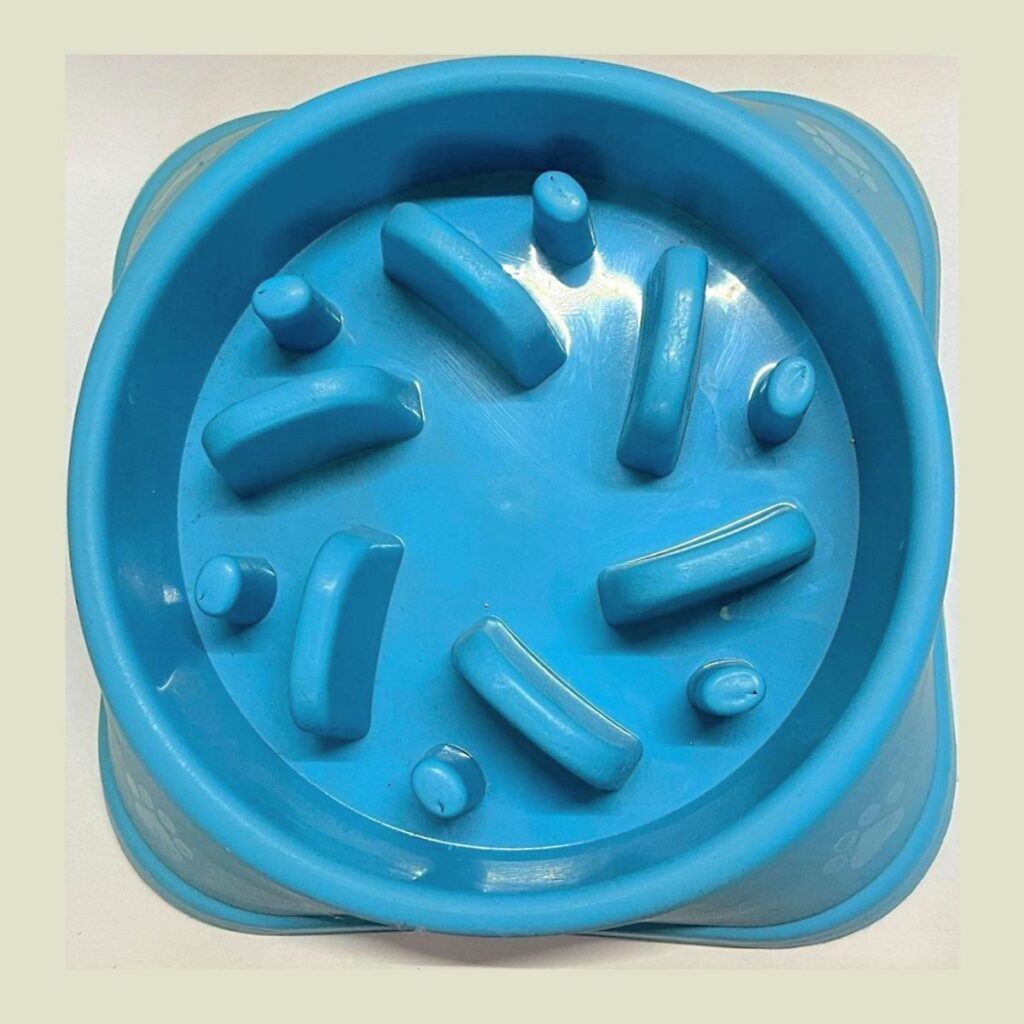
    A slow feeder dog bowl
    A slow feeder dog bowl. Our pick: Amazon Basics dog puzzle feeder on Amazon.ca. Photo: ELTORO.VET, via Wikimedia Commons, CC0

    How much should an English Cocker eat?

    Feeding guides on food packages are a starting point, but individual needs vary widely with age, activity, neutering and metabolism. A typical adult English Cocker weighs about 26 to 34 lb (12 to 15 kg). As a rough illustration, a moderately active, neutered adult of about 30 lb (13.6 kg) might need somewhere in the region of 750 to 1,000 calories a day, while a very active working cocker may need considerably more, and a quiet senior less. Use these figures only as a guide, and adjust based on body condition.

    Life stageMeals per dayNotes
    8 to 12 weeks4Small, regular meals of puppy food
    3 to 6 months3Continue puppy food; adjust as the puppy grows
    6 to 12 months2Transition to adult food around 12 months, or as advised by your vet
    Adult2Measure portions; adjust for activity
    Senior2May need fewer calories; ask your vet about senior diets

    Body condition: the best guide

    Weigh your cocker regularly and learn to body-condition score. At a healthy weight, you should be able to feel the ribs easily under a thin layer of fat without pressing, see a waist when looking down from above, and see a slight tuck-up behind the ribs from the side. A cocker’s feathering can hide extra weight, so use your hands, not just your eyes. If your dog is gaining, reduce portions by around 10 percent and recheck in a few weeks.

    Treats and training rewards

    Treats should make up no more than about 10 percent of your dog’s daily calories. Use small, soft training treats broken into tiny pieces, use part of your dog’s daily kibble for training, and reduce meal size on heavy training days. Many vegetables, such as carrot, green beans and cucumber, make good low-calorie snacks.

    Foods that are dangerous for dogs

    • Chocolate, coffee and caffeine
    • Grapes, raisins, currants and sultanas
    • Onions, garlic, leeks and chives
    • Xylitol (in sugar-free gum, some peanut butters and baked goods)
    • Macadamia nuts
    • Alcohol
    • Cooked bones, which can splinter
    • Fatty scraps, which can trigger pancreatitis

    If your dog eats something toxic, contact your vet or an animal poison control service immediately.

    A golden English Cocker Spaniel
    A golden English Cocker Spaniel. Our pick: Trixie long-ear bowl on Amazon.ca. Photo: Jean-Pol GRANDMONT, via Wikimedia Commons, CC BY 4.0

    Mealtimes and long ears

    Long ears dangle into bowls, getting soaked in water and coated in food, which leads to matted feathering and can contribute to ear problems. A narrow, deep spaniel bowl keeps the ears outside while your dog eats and drinks. Fast eaters do well with a slow feeder or puzzle feeder, which turns meals into enrichment and slows gulping.

    Feeding routine tips

    1. Feed at regular times and pick up uneaten food after 15 to 20 minutes.
    2. Measure every meal with a cup or, better, a kitchen scale.
    3. Change foods gradually over about a week to avoid stomach upsets.
    4. Provide fresh water at all times.
    5. Avoid heavy exercise immediately before and after big meals.
    6. Keep bins and counters clear; cockers are determined scavengers.

    Feeding working and very active cockers

    A cocker that works in the field, competes in dog sports or runs for hours a day burns far more energy than a family pet. Many owners of working dogs feed a performance diet with higher protein and fat during the working season and reduce portions in the off-season. Feed the main meal after work rather than before, offer water regularly during long days, and carry a small snack for very long outings. Watch weight closely as activity changes through the year, and ask your vet whether a performance food is appropriate for your dog.

    Frequently asked questions

    How many times a day should I feed my English Cocker?

    Most adults do well on two meals a day. Puppies need three or four smaller meals.

    Why is my cocker always hungry?

    Cockers are food-motivated by nature. If your dog is at a healthy weight and eating a complete diet, begging is usually habit rather than hunger. If appetite changes suddenly, see your vet.

    Should my cocker eat grain-free food?

    Most dogs do not need grain-free food. Ask your vet about current research on diet and heart health before choosing one.

    Can English Cockers eat fruit and vegetables?

    Many are safe in moderation, such as apple slices without seeds, carrots, blueberries and green beans. Avoid grapes, raisins, onions and garlic.

    If your cocker gulps their food, a slow feeder can help. See our picks for the best slow feeder dog bowls.

    Featured photo: Tyne & Wear Archives & Museums, via Wikimedia Commons, No restrictions

  • English Cocker Spaniel Rescue and Adoption: Where to Look and What to Expect

    English Cocker Spaniel Rescue and Adoption: Where to Look and What to Expect

    Updated November 2026. English Cocker Spaniel Guide is an independent site, not affiliated with any breed club or kennel club. Some links are affiliate links: as an Amazon Associate we earn from qualifying purchases.

    Not every English Cocker Spaniel starts life in the perfect home. Changes in owners’ circumstances, allergies, moves, divorce, illness and sometimes behaviour problems mean that cockers of all ages end up needing new families. Adopting a rescue cocker can be hugely rewarding: you give a dog a second chance and often skip the chaos of puppyhood. This guide explains where to find English Cockers for adoption, what to expect from the process, and how to help a rescue dog settle in.

    Why adopt an English Cocker?

    • Skip the puppy stage: many rescue cockers are already house trained and past the chewing phase.
    • Know what you are getting: an adult’s size, coat and personality are already formed, and foster carers can tell you a lot about the dog.
    • Give a dog a second chance: many surrendered cockers simply need a stable, loving home.
    • Support rescue work: adoption fees help rescues care for the next dog.

    Where to find English Cockers for adoption

    • Breed-specific rescues: regional cocker and spaniel rescue groups often place English and American Cockers and spaniel mixes, usually through foster homes. Search for spaniel rescues in your province or state.
    • Breed clubs: many national and regional breed clubs run or support rescue and rehoming programs.
    • Breeders: responsible breeders take back dogs they bred and sometimes have retired adults looking for pet homes.
    • Local shelters and humane societies: check regularly and ask to be notified if a cocker arrives.
    • Adoption websites: national listing sites let you search by breed and location.

    Be cautious of online “rehoming” ads that ask for large fees with little information, and never send money for a dog you have not met or confirmed exists.

    A cocker spaniel resting on a rug
    A cocker spaniel resting on a rug. Photo: Jean-Pol GRANDMONT, via Wikimedia Commons, CC BY 4.0

    What the adoption process looks like

    1. Application: questions about your home, household, experience, work schedule and plans for exercise and training.
    2. Home check: many rescues visit, in person or by video, to make sure your home and garden are safe.
    3. Meeting the dog: often at a foster home, sometimes with your existing dog.
    4. Adoption contract and fee: usually covering vaccination, spay or neuter, microchipping and a vet check.
    5. Follow-up: good rescues stay in touch and help if problems arise.

    Rescues can seem strict, but their questions are about finding the right home and avoiding a dog being returned. Be honest about your situation; a good match benefits everyone.

    Questions to ask about a rescue cocker

    • Why was the dog surrendered, and what is known about its history?
    • How does it behave in the foster home with people, children, dogs and cats?
    • Is it house trained, crate trained and comfortable being left alone?
    • How does it react to grooming, nail trims and ear handling?
    • Does it have any health issues, especially ear, eye or skin problems?
    • Does it guard food, toys or resting places?
    • What kind of exercise and home would suit it best?

    Helping a rescue cocker settle in

    Many rescue organisations describe a rough “3-3-3” pattern: about three days for a dog to decompress, three weeks to learn the routine, and three months to feel truly at home. Every dog is different, so be patient.

    • Prepare a quiet space with a comfortable bed and, if the dog is used to one, a crate.
    • Keep the first days calm, with a predictable routine and few visitors.
    • Use a secure harness and lead on walks; newly adopted dogs can bolt if frightened.
    • Make sure the dog wears an ID tag from day one and update the microchip details.
    • Start gentle training with rewards; it builds trust and gives the dog structure.
    • Book a vet check, including ears, eyes, teeth and weight.
    A liver cocker spaniel in a garden
    A liver cocker spaniel in a garden. Photo: NicolasCoeurdelion, via Wikimedia Commons, CC BY-SA 4.0

    Common issues in rescue cockers

    Ear and skin problems

    Neglected cockers often arrive with ear infections, matted coats or skin problems. Your vet and groomer can help get them comfortable, and our ear care and grooming guides explain ongoing care.

    Anxiety and separation stress

    A dog that has lost its home may be clingy or anxious when left. Build up alone time gradually and use food puzzles and chews to create positive associations.

    Resource guarding

    Some rescue cockers guard food or toys. Give the dog space while eating, trade rather than take, and seek help from a reward-based trainer or behaviourist if needed.

    Adopting an older cocker

    Senior cockers are often overlooked, but many have years of love left to give and are calm, house-trained companions. If you are considering an older dog, read our guide to caring for a senior English Cocker.

    Fostering

    If you cannot commit to adoption, fostering is a wonderful way to help. Foster homes give rescue dogs a safe place to recover and learn household life, and rescues usually cover vet costs. Many people find fostering is also the perfect way to see whether a cocker suits their lifestyle.

    Introducing a rescue cocker to your other pets

    Introduce a new dog to a resident dog on neutral ground, such as a quiet park, with both dogs on loose leads. Walk them side by side before letting them greet, keep the first meeting short, and watch for relaxed body language. At home, pick up toys, chews and food bowls at first to avoid squabbles, and give each dog its own space to rest. With cats, keep the cocker on a lead or behind a baby gate at first, reward calm behaviour, and make sure the cat always has an escape route to high places. Go slowly; good introductions can take days or weeks.

    Frequently asked questions

    Are rescue English Cockers good with children?

    Many are, but it depends on the individual. Ask the rescue about the dog’s experience with children and arrange careful introductions.

    How much does it cost to adopt a cocker?

    Adoption fees vary by organisation and usually include vaccinations, spay or neuter and a microchip. Budget for ongoing costs too; see our cost guide.

    Can I adopt a cocker puppy?

    Occasionally, but most rescue cockers are adults. If you want a puppy, see our guide to finding a responsible breeder.

    What if the adoption does not work out?

    Reputable rescues ask you to return the dog to them rather than rehoming it yourself, so it can be placed safely.

    Featured photo: Vvsingh, via Wikimedia Commons, Public domain

  • Cocker Spaniel Ear Care: Cleaning, Drying and Preventing Infections

    Cocker Spaniel Ear Care: Cleaning, Drying and Preventing Infections

    Updated November 2026. English Cocker Spaniel Guide is an independent site, not affiliated with any breed club or kennel club. Some links are affiliate links: as an Amazon Associate we earn from qualifying purchases.

    Those long, silky ears are one of the English Cocker Spaniel’s most endearing features, and one of its biggest maintenance jobs. Heavy, hairy ear flaps cover the ear canal, trapping warmth and moisture and creating perfect conditions for yeast and bacteria. Ear infections are among the most common reasons cockers visit the vet. The good news is that a simple weekly routine prevents many problems and helps you catch the rest early. This guide is general information; always follow your veterinarian’s advice for your own dog.

    What healthy ears look like

    • Pale pink skin inside the ear flap and at the canal opening
    • Little or no wax, and only a mild, neutral smell
    • No redness, swelling, scabs or discharge
    • A dog that is comfortable having its ears handled

    Get to know what your dog’s ears normally look and smell like, so you notice changes quickly.

    Signs of an ear problem

    • Shaking the head or tilting it to one side
    • Scratching or rubbing the ears on furniture or the floor
    • Redness, swelling or heat
    • Dark brown, yellow or bloody discharge
    • A strong, yeasty or unpleasant smell
    • Pain or reluctance to have the ears touched
    • A swollen, puffy ear flap, which can be an aural haematoma caused by head shaking
    • Loss of balance or a head tilt, which needs urgent veterinary attention

    If you see any of these signs, see your vet before cleaning. Your vet can look inside the canal, check that the eardrum is intact, and take a sample to identify the cause, which determines the right treatment.

    A golden English Cocker Spaniel portrait
    A golden English Cocker Spaniel portrait. Our pick: Virbac Epi-Otic ear cleaner on Amazon.ca. Photo: Jean-Pol GRANDMONT, via Wikimedia Commons, CC BY 4.0

    Weekly ear check routine

    1. Lift each ear flap and look inside in good light.
    2. Sniff gently; a strong smell is an early warning sign.
    3. Feel for heat, swelling or tangles in the hair near the canal.
    4. Check the underside of the ear flap and the feathering for grass seeds, burrs and mats, especially after walks in long grass.
    5. Reward your dog with a treat so ear checks stay pleasant.

    How to clean your cocker’s ears

    Healthy ears do not always need routine cleaning, but many cockers benefit from regular cleaning, especially after swimming or if they produce a lot of wax. Use a vet-approved ear cleaner, never alcohol, hydrogen peroxide or homemade mixtures unless your vet recommends them.

    1. Gently hold the ear flap up and fill the ear canal with cleaner, following the product label.
    2. Massage the base of the ear for about 20 to 30 seconds; you should hear a squishing sound as the cleaner loosens debris.
    3. Let your dog shake its head (stand back!).
    4. Wipe away loosened wax and cleaner from the ear flap and the opening of the canal with cotton wool or gauze. Do not push cotton buds into the canal.
    5. Give a treat and praise, then repeat on the other ear.

    Stop and see your vet if the ear seems painful, bleeds, or if your dog has a known or suspected perforated eardrum.

    Keeping ears dry

    Moisture is a major cause of ear trouble in spaniels, and most cockers love water. After swimming or bathing, dry the ears thoroughly with a towel, and use an ear cleaner with a drying agent if your vet recommends one. Some owners use a snood or a stretchy band such as the Happy Hoodie to hold the ears back while drying with a blow dryer on a low setting.

    Trimming ear hair

    Trimming the hair on the underside of the ear flap and around the canal opening improves airflow and reduces wax build-up. Use rounded-tip scissors or clippers and work carefully. Plucking hair from inside the canal is controversial; some vets recommend it for certain dogs and others advise against it because it can irritate the canal. Ask your vet what is best for your cocker.

    An orange and white English Cocker Spaniel
    An orange and white English Cocker Spaniel. Our pick: Trixie long-ear bowl on Amazon.ca. Photo: BusyBee-cr from Northwest, UK, via Wikimedia Commons, CC BY 2.0

    Mealtimes and long ears

    Long ears dangle into food and water bowls, getting sticky and wet, which can contribute to ear problems and matted feathering. Narrow, tall spaniel bowls keep the ears outside the bowl, and a snood can keep them clean while eating.

    Grass seeds

    In summer, sharp grass seeds can work their way into the ear canal and cause sudden, severe head shaking and pain. They can be hard to see and may need to be removed by a vet. Check ears after every walk through long grass, and keep the feathering trimmed during grass-seed season.

    Recurring infections

    If your cocker keeps getting ear infections, there is often an underlying cause, such as allergies to food or the environment, hormonal problems, excess hair or narrow canals. Repeated infections can thicken the canal over time and become harder to treat, so work with your vet to find and manage the cause rather than relying on repeated short courses of treatment.

    Teaching your cocker to enjoy ear care

    Ear care is much easier with a dog that is relaxed about having its ears handled. Start with puppies, or go slowly with adult dogs: touch the ear for a second, give a treat, and stop. Gradually build up to lifting the ear flap, looking inside, wiping the outer ear and finally using the cleaner. Keep sessions short and positive, and use a lick mat spread with a little dog-safe paste to keep your dog busy. If your dog is already sore or anxious, ask your vet for help rather than forcing the issue, because a painful experience can make future care much harder.

    Frequently asked questions

    How often should I clean my cocker’s ears?

    Check weekly. Clean when you see wax or debris and after swimming. Your vet can recommend a frequency for your dog.

    Can I use olive oil or vinegar to clean ears?

    Use only products your vet recommends. Homemade remedies can irritate the ear or make infections worse.

    Why do my cocker’s ears smell?

    A strong or yeasty smell often signals an infection. See your vet for a diagnosis before treating.

    Should I pluck my cocker’s ear hair?

    Opinions differ. Trim the hair around the opening and ask your vet whether plucking is appropriate for your dog.

    Featured photo: Jean-Pol GRANDMONT, via Wikimedia Commons, CC BY 4.0