Blog

  • English Cocker Spaniel Grooming Guide: Brushing, Trimming and Ear Care

    English Cocker Spaniel Grooming Guide: Brushing, Trimming and Ear Care

    Updated November 2026. English Cocker Spaniel Guide is an independent site, not affiliated with any breed club or kennel club. Some links are affiliate links: as an Amazon Associate we earn from qualifying purchases.

    That silky coat, those long feathered ears and the neat cocker outline do not happen by themselves. English Cocker Spaniels need regular grooming to stay comfortable, mat-free and healthy, and a good routine also helps you spot skin problems, ear infections and lumps early. Whether you plan to groom at home or use a professional groomer, this guide explains what an English Cocker needs and how often, with the tools that make the job easier.

    Grooming at a glance

    TaskHow oftenTools
    Brushing and combingTwo to four times a week; daily for full coatsSlicker brush and metal comb
    Ear checks and cleaningWeekly checks; clean as neededVet-approved ear cleaner
    BathingEvery four to eight weeks, or when dirtyGentle dog shampoo
    Trimming feet, ears and outlineEvery four to eight weeksGrooming scissors kit
    Body clipping or hand-strippingEvery six to ten weeks if neededDog clippers
    Nail trimsEvery two to four weeksNail clippers or a grinder
    Tooth brushingDaily or several times a weekDog toothbrush and toothpaste

    Brushing

    Brush your cocker two to four times a week, and daily if you keep a long coat. Use a slicker brush to work through the feathering on the ears, chest, legs, belly and tail, lifting the coat and brushing in small sections from the skin outward. Follow with a metal comb to find any tangles you missed. Pay special attention to friction areas where mats form quickly: behind the ears, in the armpits, under the collar and on the back of the legs.

    Never bath a matted dog; water tightens mats. Gently tease small tangles apart with your fingers and comb. Larger mats may need to be cut out carefully or clipped by a groomer.
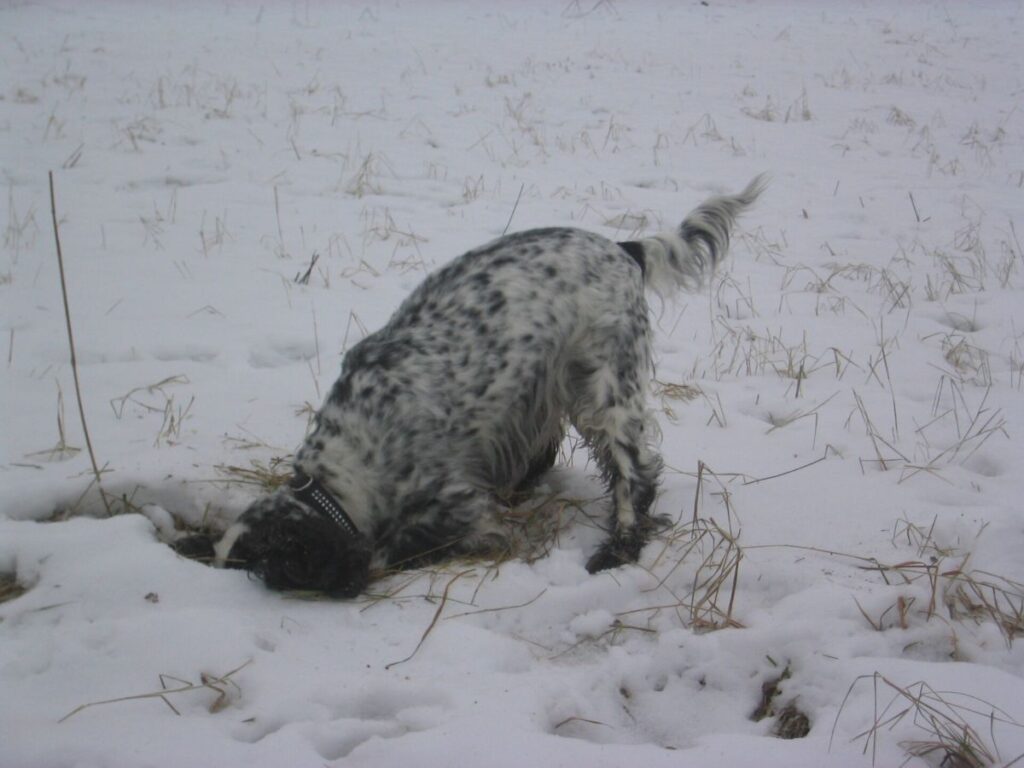
    A roan cocker spaniel in the snow
    A roan cocker spaniel in the snow. Our pick: Wahl slicker brush on Amazon.ca. Photo: Gürkan Sengün, via Wikimedia Commons, CC BY-SA 3.0

    Ear care

    Long, heavy ears make cockers prone to ear infections. Check ears weekly: they should look pink and clean, with no strong smell, redness or discharge. Keep the hair around the ear opening tidy, and trim the hair on the underside of the ear flap to improve airflow. Clean with a vet-approved ear cleaner when needed, and always dry ears after swimming or bathing. Our ear care guide has step-by-step instructions, and our ear cleaner guide compares products.

    Bathing

    Bath your cocker every four to eight weeks, or whenever it rolls in something. Brush thoroughly first, use lukewarm water and a gentle dog shampoo, rinse very thoroughly, and add a conditioner if the coat tangles easily. Place cotton wool loosely in the ears to keep water out, and remove it afterwards. Towel dry, then dry with a blow dryer on a cool or warm setting while brushing, which helps the coat lie flat. A drying coat helps between baths.

    Trimming: the classic cocker look

    Most pet English Cockers are trimmed every four to eight weeks. A typical pet trim includes:

    • Feet: trimming hair between the pads and around the foot into a neat, rounded shape. This prevents slipping, mud balls and ice balls.
    • Ears: tidying the top third of the ear and shaping the feathering.
    • Head: neatening the top of the head and cheeks.
    • Neck and throat: tidying the throat area for a clean outline.
    • Feathering: shaping the legs, chest and belly to a practical length.
    • Hygiene areas: keeping the area around the bottom and under the tail clean.

    Thinning or blending scissors give a natural finish. Our guide to the best grooming scissors explains which types to use where.

    A black English Cocker Spaniel's long ears
    A black English Cocker Spaniel’s long ears. Our pick: GLADOG grooming scissors kit on Amazon.ca. Photo: No machine-readable author provided. Akumiszcza assumed (based on copyright clai, via Wikimedia Commons, CC BY 3.0

    Clipping vs hand-stripping

    Show English Cockers are usually hand-stripped or carded, which removes dead coat and keeps the natural texture and colour. Many pet owners prefer clipping the body because it is quicker. Be aware that repeated clipping of the back and sides can change the texture of some cocker coats, making them fluffier or softer and more prone to tangling. If you love the natural silky look, ask a groomer experienced with spaniels about stripping, or limit clipping to the head, throat and feet. Our guide to dog clippers covers clipping at home.

    Nails and paws

    Trim nails every two to four weeks, or whenever you hear them clicking on hard floors. If your cocker has dark nails, trim small slivers at a time to avoid the quick. A nail grinder can be easier for nervous dogs. In winter, keep the hair between the pads short and use a paw balm to protect against salt and cracking.

    Teeth

    Brush your dog’s teeth daily if possible, using a dog toothpaste (never human toothpaste, which can contain ingredients that are harmful to dogs). See our guide to the best dog toothbrushes and toothpaste.

    Home grooming or professional groomer?

    Many owners do brushing, ear care, nails and bathing at home and book a professional groomer for a full trim every six to eight weeks. Others learn to do everything themselves. If you plan to groom at home, a sturdy grooming table saves your back and helps your dog stay still. Start handling your puppy early so grooming becomes a calm, enjoyable routine.

    Frequently asked questions

    How often should an English Cocker be groomed?

    Brush several times a week, check ears weekly, and trim every four to eight weeks.

    Should I shave my cocker in summer?

    A shorter trim can be practical, but avoid shaving down to the skin. The coat protects against sun and insects.

    Do English Cockers shed?

    Yes, moderately. Regular brushing removes loose hair before it lands on your floors.

    How do I stop my cocker getting mats?

    Brush and comb thoroughly a few times a week, paying attention to behind the ears, armpits and legs, and keep the feathering at a manageable length.

    Wondering how much hair to expect? Read do cocker spaniels shed? for a shedding-control routine.

    Featured photo: Томасина, via Wikimedia Commons, CC BY-SA 3.0
  • How to House Train an English Cocker Spaniel Puppy

    How to House Train an English Cocker Spaniel Puppy

    Updated November 2026. English Cocker Spaniel Guide is an independent site, not affiliated with any breed club or kennel club. Some links are affiliate links: as an Amazon Associate we earn from qualifying purchases.

    House training is usually the first big project with a new English Cocker Spaniel puppy. Cockers are clever and keen to please, and most learn quickly with a consistent routine, but they are also busy, easily distracted puppies with small bladders. This guide sets out a proven routine, explains how crate training helps, and covers accidents, night-time toileting and common setbacks.

    How long does house training take?

    Every puppy is different. Many cocker puppies are reliably house trained somewhere between four and six months of age, but some take longer, and occasional accidents are normal well into the first year, especially during adolescence, changes of routine or bad weather. Consistency matters far more than speed.

    The basic routine

    Puppies need to toilet frequently, and they usually go at predictable times. Take your puppy outside to the same spot:

    • As soon as it wakes up, from overnight sleep and every nap
    • Within a few minutes of eating or drinking
    • After play or excitement
    • Before bed and before being left alone
    • At least every one to two hours while awake at first

    Go out with your puppy every time, stand quietly, and wait. When it toilets, praise calmly and give a small treat right away, within a second or two, so it links the reward to the action. A short cue word such as “be quick”, said as it starts to go, can later help it toilet on request.

    A black and white cocker spaniel puppy
    A black and white cocker spaniel puppy. Our pick: MidWest crate on Amazon.ca. Photo: Carlulu, via Wikimedia Commons, Public domain

    Using a crate to help

    Dogs naturally avoid soiling where they sleep, so a correctly sized crate helps your puppy learn bladder control. Use a divider to keep the space just big enough to stand, turn and lie down; if it is too big, a puppy may toilet in one corner. Make the crate a comfortable, happy place with a bed and safe chews, and never use it as punishment.

    Puppies should not be crated for long periods during the day. Young puppies can only hold on for a short time; a common guideline is roughly an hour per month of age plus one, up to a few hours, but every puppy is different. If you work long hours, arrange for someone to let your puppy out.

    Night-time toileting

    Most young puppies need to go out at least once during the night for the first weeks. Keep the crate near your bed so you hear your puppy stirring, and take it straight out when it wakes. Keep night trips calm and boring: no play, minimal talking, then straight back to bed. Gradually, your puppy will sleep through. Avoid big drinks late in the evening, but never restrict water during the day.

    Dealing with accidents

    1. If you catch your puppy in the act, calmly interrupt it with a cheerful noise and take it outside straight away. Praise if it finishes outside.
    2. If you find an accident afterwards, simply clean it up. Never punish, scold or rub a puppy’s nose in it; this only teaches it to hide from you when toileting.
    3. Clean thoroughly with an enzyme cleaner made for pet accidents. Ordinary cleaners can leave scent that draws the puppy back to the same spot. Avoid ammonia-based products, which smell similar to urine.
    4. Ask yourself what you could change: more frequent trips outside, closer supervision or a smaller crate space.

    Supervision is the secret

    Most accidents happen when a puppy is out of sight. When your puppy is loose in the house, keep it in the same room as you, use baby gates, or attach a light lead to your belt. When you cannot supervise, use the crate or a puppy-proof pen. Watch for signals such as sniffing the floor, circling or heading for a corner, and take your puppy out immediately.

    A roan cocker spaniel puppy
    A roan cocker spaniel puppy. Photo: Michiel1972 at Dutch Wikipedia, via Wikimedia Commons, CC BY-SA 3.0

    Should I use puppy pads?

    Puppy pads can be useful if you live in an apartment high above the ground or cannot get outside quickly, but they can teach a puppy that toileting indoors is acceptable. If you use them, place them near the door and gradually move them outside. Where possible, go straight to outdoor training.

    Common setbacks

    Excitement or submissive urination

    Some young cockers dribble urine when greeting people or when nervous. Keep greetings calm and low-key, greet outdoors, and avoid looming over the puppy. Most grow out of it. Never punish it.

    Regression in adolescence

    A previously reliable adolescent may have accidents, especially when distracted or stressed. Go back to the basics for a few weeks.

    Accidents in an adult dog

    Sudden house soiling in a previously reliable adult can signal a urinary tract infection, kidney problems or other health issues. See your vet. Our health guide explains why increased drinking and urination should be checked promptly.

    Bad weather

    Many cockers dislike rain or snow. Go out with your puppy, keep it brief, and reward quickly. A covered area near the door helps, and a drying coat or towel by the door makes muddy days easier.

    Sample day for an 8- to 12-week-old puppy

    TimeActivity
    On wakingStraight outside to toilet
    BreakfastMeal, then outside
    Mid-morningPlay, toilet, nap in crate
    LunchMeal, then outside
    AfternoonShort training, socialisation, toilet, nap
    DinnerMeal, then outside
    EveningCalm play, toilet, settle
    BedtimeLast toilet trip, then crate
    OvernightOne or two calm toilet trips as needed

    Frequently asked questions

    How do I know my puppy needs to go out?

    Sniffing the floor, circling, whining, going to the door or suddenly leaving play are common signs.

    Can I leave my puppy alone during the workday?

    Young puppies cannot hold on for a full workday. Arrange for a friend, family member or dog walker to visit.

    Why does my puppy toilet right after coming inside?

    It probably did not finish outside. Stay out a little longer, wait quietly, and reward when it goes.

    Are boys or girls easier to house train?

    Both learn equally well. Consistency, routine and supervision matter far more than sex.

    Featured photo: No machine-readable author provided. Kessa Ligerro~commonswiki assumed (based on, via Wikimedia Commons, CC BY-SA 3.0
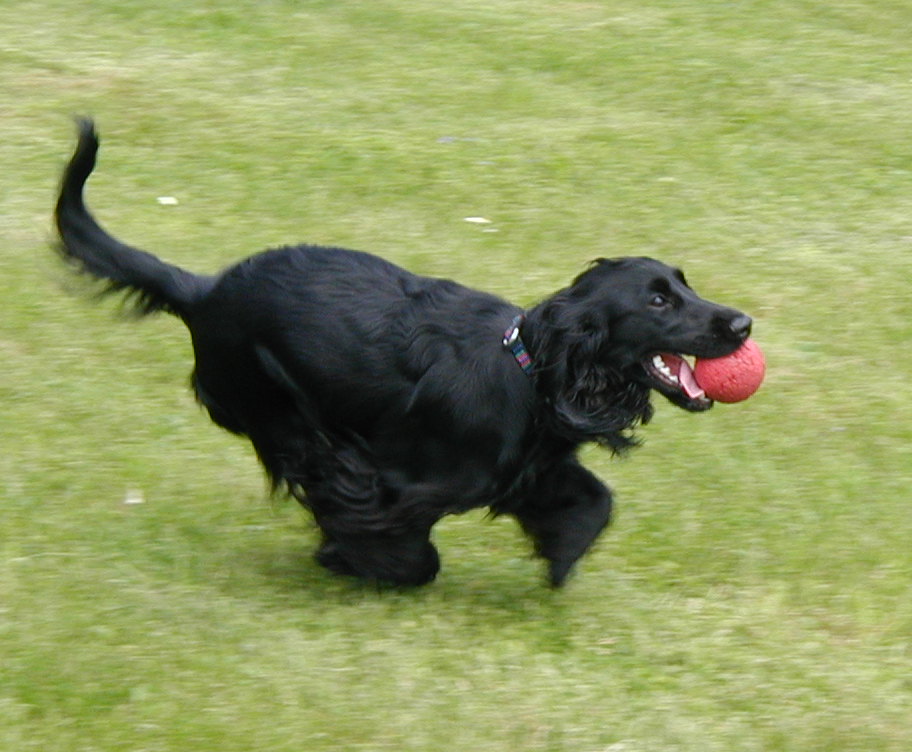
  • Cocker Spaniel Recall Training: A Step-by-Step Guide

    Cocker Spaniel Recall Training: A Step-by-Step Guide

    Updated November 2026. English Cocker Spaniel Guide is an independent site, not affiliated with any breed club or kennel club. Some links are affiliate links: as an Amazon Associate we earn from qualifying purchases.

    A reliable recall is the key to giving an English Cocker Spaniel the off-lead freedom it loves. It is also one of the hardest things to teach the breed, because a cocker’s nose is constantly pulling it toward rabbits, birds and fascinating smells. The good news is that cockers are clever, food-loving and eager to work with their people, so with the right approach they can learn an excellent recall. This step-by-step guide shows you how.

    Why recall is tricky for spaniels

    Spaniels were bred to hunt within gunshot range of their handler, find scent and flush game. That means they are naturally inclined to stay reasonably close, which helps, but they are also highly motivated by scent and movement. A cocker on a hot scent trail can become so absorbed that it genuinely does not hear you. Recall training is about making coming back to you more rewarding than anything else, and practising until it becomes a habit.

    What you need

    • High-value training treats, such as soft, smelly pieces your dog loves
    • A treat pouch so rewards are always within reach
    • A long line of around 10 to 15 metres for safe practice
    • A well-fitted harness to attach the long line to (never to a collar)
    • A favourite toy, ideally one used only for recall games
    • Optionally, a gundog whistle for a consistent recall signal
    A black cocker spaniel on grass
    A black cocker spaniel on grass. Our pick: AmaGood long training lead on Amazon.ca. Photo: No machine-readable author provided. Akumiszcza assumed (based on copyright clai, via Wikimedia Commons, CC BY 3.0

    Step-by-step recall training

    Step 1: Charge the recall cue

    Choose a cue you will use only for recall, such as “Come!” or a whistle pattern. At home, with no distractions, say the cue and immediately give your dog a delicious treat. Repeat many times over several days so the cue predicts something wonderful.

    Step 2: Recall indoors

    When your dog is a few steps away and not too distracted, give the cue in a happy voice. Reward generously when it reaches you, take gentle hold of the collar or harness, then release it with an “okay” so it does not learn that coming back always ends the fun.

    Step 3: Recall in the garden

    Practise in a secure garden, then add mild distractions such as a toy on the ground or a family member walking around. Keep sessions short and successful.

    Step 4: Long line outdoors

    Attach a long line to the harness and practise in quiet outdoor places. Let your dog explore, call it back occasionally, reward, and send it off to sniff again. The line stops your dog from learning that it can ignore you and run off. Never use the line to drag your dog in; it is a safety net, not a tool for reeling.

    Step 5: Add distance and distraction gradually

    Slowly practise in more distracting places: near other dogs, in fields with scent, around people. If your dog fails to respond, you are moving too fast; go back to an easier setting.

    Step 6: Off-lead in safe areas

    Only let your dog off-lead where it is legal and safe, once it reliably responds on the long line in similar conditions. Keep rewarding recalls for life, not just during training.

    A cocker spaniel working with its handler
    A cocker spaniel working with its handler. Photo: Xavier Laurent Lévy, via Wikimedia Commons, CC BY-SA 4.0

    Golden rules of recall

    1. Never call your dog to punish it or for something it dislikes, such as bath time or leaving the park.
    2. Always make coming back worth it: food, play or praise.
    3. Call once, clearly. Repeating the cue teaches your dog to ignore the first few.
    4. Practise “check-ins”: reward your dog whenever it chooses to look at you or come near you on walks.
    5. Avoid letting your dog rehearse running off; use the long line until recall is solid.
    6. Keep training fun and short, and end on a success.

    Using a whistle

    Many spaniel owners use a gundog whistle for recall. A whistle sounds the same whoever blows it, carries further than a voice, and does not betray your frustration. Teach a whistle recall exactly like a verbal cue: whistle, then reward, many times at home before using it outdoors. A common pattern is a series of short pips for “come”.

    Troubleshooting

    My dog comes back but will not let me catch it

    Practise collar grabs at home with treats, reward close to your body, and frequently release your dog after recalling it so being caught does not mean the end of fun.

    My dog ignores me when it finds a scent

    Call before your dog becomes fully absorbed, practise in less tempting places, and use the long line. Teach a strong “leave it” and play search games where you control access to scent.

    My dog chases birds

    Gundogs find birds irresistible. Keep your dog on the long line where birds congregate and reward calmness and attention when birds fly up. Some owners teach a “stop” whistle, a skill used by gundog trainers.

    Recall for working cockers

    Working-bred cockers are especially driven, and many owners benefit from gundog training classes, where trainers teach quartering, stop whistles and steadiness alongside recall. Channelling the dog’s instincts into structured work often improves recall dramatically. See our guide to field work.

    Frequently asked questions

    At what age should I start recall training?

    From the day your puppy comes home. Young puppies naturally follow you, which makes early recall games easy and rewarding.

    How long does it take to train a reliable recall?

    It varies, but expect months of consistent practice, with continued reinforcement throughout your dog’s life.

    Should I use an e-collar for recall?

    We recommend reward-based methods. Cockers are sensitive dogs that learn well with positive reinforcement, and aversive tools can create fear and stress.

    How long should a recall long line be?

    Around 10 to 15 metres suits most training. Use it with a harness and gloves, and keep the line from tangling around legs.

    Featured photo: No machine-readable author provided. Kessa Ligerro~commonswiki assumed (based on, via Wikimedia Commons, CC BY-SA 3.0

  • How Much Exercise Does an English Cocker Spaniel Need?

    How Much Exercise Does an English Cocker Spaniel Need?

    Updated November 2026. English Cocker Spaniel Guide is an independent site, not affiliated with any breed club or kennel club. Some links are affiliate links: as an Amazon Associate we earn from qualifying purchases.

    English Cocker Spaniels were bred to spend all day pushing through cover, following scent and retrieving game. That heritage lives on in today’s pet cockers: they are energetic, curious dogs that need both physical exercise and mental work to be happy and well behaved. This guide explains how much exercise an English Cocker needs at each life stage, the best kinds of activity for the breed, and how to exercise safely in all weathers.

    How much exercise does an English Cocker need?

    As a general guide, most healthy adult English Cockers need at least an hour of exercise a day, and many enjoy considerably more. Working-bred cockers often need two hours or more, plus mental work. What matters is not just the time but the quality: a cocker that only walks on a lead around the block will be far less satisfied than one that gets to run, sniff, search and retrieve.

    Life stageTypical needsFocus
    Puppy (to about 6 months)Several short play and exploration sessionsFree play, socialisation, gentle training; avoid long forced walks
    Adolescent (6 to 18 months)Gradually building to an hour or moreTraining, recall practice, building fitness
    AdultAt least an hour a day; more for working linesMix of free running, sniffing, retrieving and training
    SeniorShorter, gentler, more frequent outingsLow-impact walks, sniffing, joint-friendly activities
    A cocker spaniel in a harness in the woods
    A cocker spaniel in a harness in the woods. Our pick: rabbitgoo Dog Harness on Amazon.ca. Photo: Jean-Pol GRANDMONT, via Wikimedia Commons, CC BY 4.0

    The best types of exercise for cockers

    Free running and sniffing

    Off-lead time in a safe, legal area lets a cocker do what it was bred for: quarter the ground and investigate scents. If your dog’s recall is not yet reliable, use a long training line so it can explore while you stay in control. Our recall training guide explains how to build a dependable recall.

    Retrieving games

    Many cockers are natural retrievers. A ball launcher such as the Chuckit! saves your arm, but mix fetch with calmer games so your dog does not become over-excited or obsessive. Hiding a toy and sending your dog to “find it” combines exercise and nose work.

    Scent work

    Scent games tire a cocker out far more than an equivalent amount of running. Start by hiding treats around a room, then progress to hiding a scented toy in the garden or on walks. Formal scent work classes are widely available and great fun for the breed.

    Swimming

    Most cockers love water. Swimming is excellent low-impact exercise, but always dry the ears afterwards to reduce the risk of infection, and consider a dog life jacket for boating or strong water. Rinse off salt or lake water and towel dry; a drying coat is a big help.

    Dog sports

    Agility, flyball, rally obedience, working tests and scent work all suit the breed’s energy and intelligence, and they strengthen the bond between dog and handler.

    A blue roan cocker spaniel running
    A blue roan cocker spaniel running. Our pick: AmaGood long training lead on Amazon.ca. Photo: No machine-readable author provided. Hotelgreg11~commonswiki assumed (based on c, via Wikimedia Commons, CC BY-SA 3.0
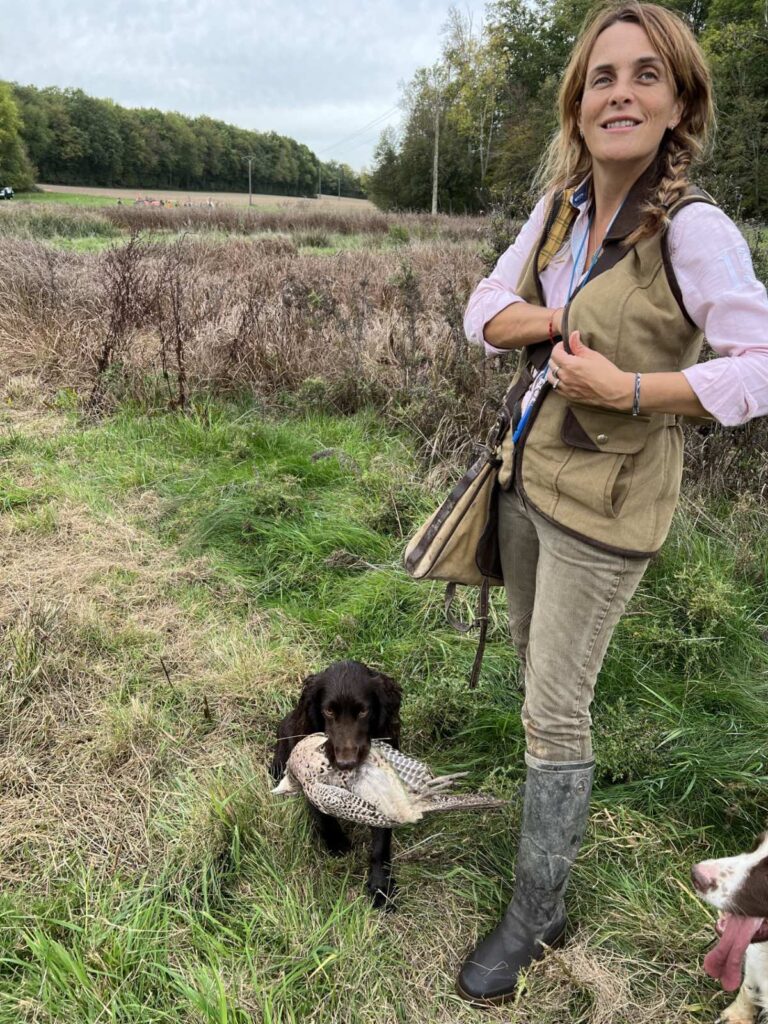
    Exercising a puppy

    Puppies need plenty of play and exploration, but their joints are still developing, so avoid long, forced walks, repeated jumping, and running alongside a bike. Short outings, free play on soft ground, and lots of rest are ideal. Many owners follow loose rules of thumb such as a few minutes of structured walking per month of age, but there is no exact formula; let your puppy set the pace and ask your vet for advice. See our puppy checklist.

    Mental exercise matters too

    A cocker that has run for an hour but done nothing with its brain may still be restless. Add ten or fifteen minutes of mental work each day:

    • Short training sessions teaching new cues and tricks
    • Puzzle toys and snuffle mats for meals
    • Stuffed, frozen KONG toys
    • Hide-and-seek games with toys or people
    • Calm chewing on a suitable chew toy

    Exercise in hot and cold weather

    In hot weather, walk early and late, carry water, choose shady routes and watch for heavy panting, drooling or weakness, which can signal heatstroke. Hot pavement can burn paws. In winter, cockers usually cope well with cold but can get ice balls in their feathering and salt on their paws. Trim the hair between the pads, rinse paws after walks and consider a paw balm. A reflective collar or light helps on dark evenings.

    Signs your cocker needs more exercise

    • Restlessness and inability to settle in the evening
    • Barking, whining or attention-seeking
    • Destructive chewing or digging
    • Pulling hard on the lead at the start of every walk
    • Weight gain

    Signs of too much

    Lameness, stiffness after rest, reluctance to keep going, excessive panting or a dog that is exhausted for the rest of the day all suggest you are overdoing it. Build fitness gradually, especially for puppies, seniors and dogs returning from injury, and ask your vet if you are unsure.

    A sample weekly plan for an adult cocker

    DayMorningAfternoon or evening
    Monday45-minute walk with off-lead running15-minute training session and puzzle feeder
    TuesdayLong sniffy walk on a long lineRetrieve games in the garden
    WednesdaySwim or beach walk (dry ears after)Calm chew and rest
    Thursday45-minute walkScent game: hide toys around the house
    FridayRun or brisk walkTrick training
    SaturdayLong hike or dog sport classEasy evening stroll
    SundayRelaxed walk somewhere newGrooming session and rest

    Adjust the plan to your dog’s age, fitness, line and the weather. Rest days with gentle walks and enrichment are just as important as busy days, especially for young dogs that are still growing.

    Frequently asked questions

    Can an English Cocker live in an apartment?

    Yes, if it gets enough daily exercise and mental stimulation outside. Access to safe off-lead areas is a big advantage.

    Can I take my English Cocker running?

    Once fully grown, many healthy adult cockers make good running companions. Build distance gradually and avoid hot weather.

    Do working cockers need more exercise?

    Usually, yes. Working-bred cockers often need two hours or more of activity a day, plus training and mental work.

    Is fetch good exercise for a cocker?

    It is great in moderation. Mix it with sniffing and searching games so your dog does not become over-excited.

    Featured photo: No machine-readable author provided. Kessa Ligerro~commonswiki assumed (based on, via Wikimedia Commons, CC BY-SA 3.0
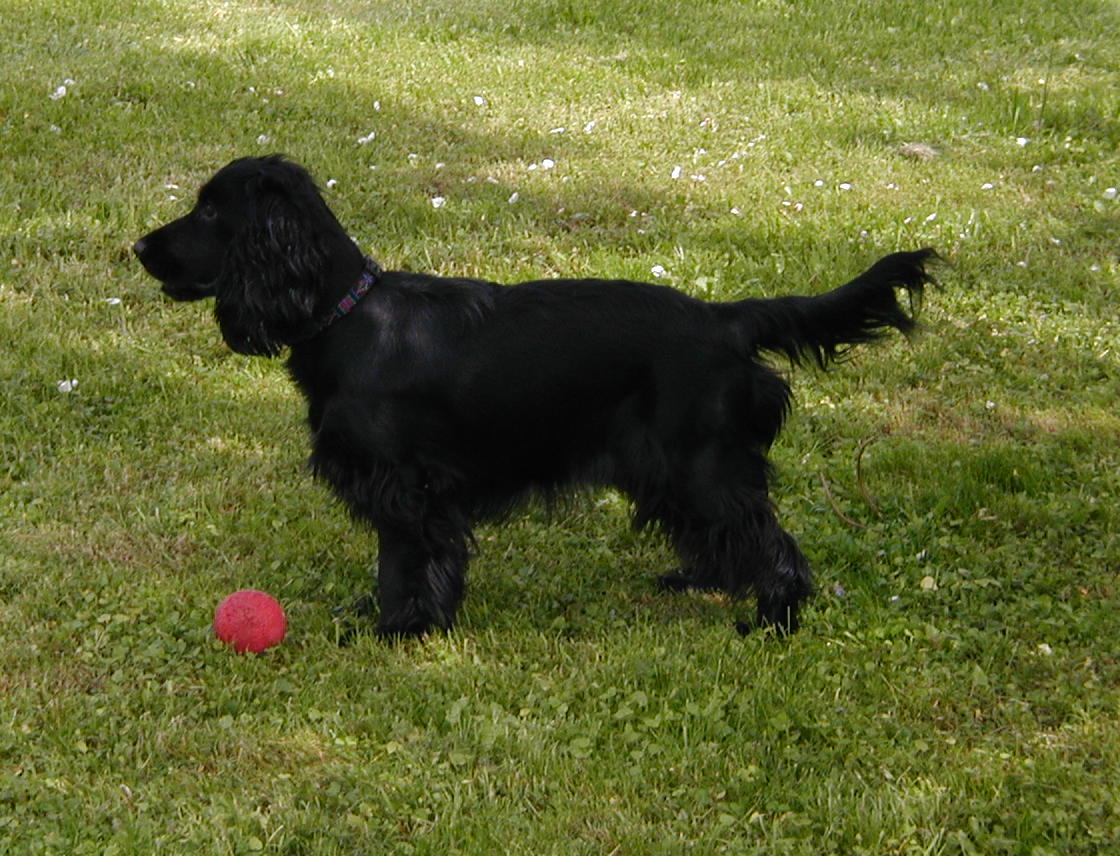
  • English Cocker Spaniel Temperament: Personality, Pros and Challenges

    English Cocker Spaniel Temperament: Personality, Pros and Challenges

    Updated November 2026. English Cocker Spaniel Guide is an independent site, not affiliated with any breed club or kennel club. Some links are affiliate links: as an Amazon Associate we earn from qualifying purchases.

    Ask English Cocker owners to describe their dogs and you will hear the same words again and again: merry, affectionate, busy, clever, greedy and devoted. The breed standard calls for a merry, affectionate dog, and most English Cockers live up to it. But temperament is not one-size-fits-all, and the traits that make cockers so lovable can also bring challenges. This guide looks honestly at the English Cocker personality, so you can decide whether it suits your home.

    The classic cocker personality

    • Merry and optimistic: a happy outlook and a tail that rarely stops wagging.
    • Affectionate and people-focused: most want to be close to their family and follow them from room to room.
    • Sociable: usually friendly with visitors and other dogs when well socialised.
    • Busy and curious: bred to hunt, so they love to sniff, explore and carry things.
    • Sensitive: they respond best to kind, consistent handling and can shut down with harsh corrections.
    • Food-motivated: great for training, but they can be persuasive beggars and counter-surfers.
    Two cocker spaniels relaxing together
    Two cocker spaniels relaxing together. Photo: Bubamara, via Wikimedia Commons, CC BY 2.5

    With children

    A well-bred, well-socialised English Cocker is usually a wonderful family dog: gentle, playful and patient. Their medium size makes them sturdy enough for family life without being overwhelming. As with any dog, teach children to be gentle, not to disturb a dog that is eating or sleeping, and never leave young children and dogs unsupervised. Puppies can be mouthy and bouncy, so supervision is especially important in the first months.

    With other dogs and pets

    Most cockers enjoy the company of other dogs, and many live happily with cats they have been raised with. As gundogs, they have a natural interest in birds and may want to chase small animals, so introduce pets carefully and supervise around poultry, rabbits and pet birds.

    Energy and the need for a job

    English Cockers are active sporting dogs. A cocker that gets enough exercise and brain work is usually a calm, contented companion in the house; one that is bored may bark, dig, chew, steal things or bounce off the walls. Working-bred cockers in particular need a lot of activity. Plan on at least an hour of varied exercise a day, plus training games, puzzle toys and sniffing opportunities. See our exercise guide.

    Common behaviour challenges

    Resource guarding

    Some cockers become possessive of food, toys or stolen items. It helps to start early: teach “drop” and “leave it” with generous trades, never chase your dog to take things away, and give your puppy space while eating. If guarding develops, work with a qualified, reward-based trainer or behaviourist.

    Separation-related problems

    Because cockers are so attached to their people, some struggle when left alone. Build up alone time gradually from puppyhood, make the crate or a safe room a happy place, provide a long-lasting chew when you leave, and make departures and returns low-key.

    Barking

    Cockers can be vocal, especially when excited or bored. Meet their exercise needs, teach a calm “quiet” cue, and avoid accidentally rewarding barking with attention.

    Stealing and scavenging

    Their love of carrying things and their appetite make cockers expert thieves. Keep counters clear, bins secured and laundry put away, and teach a reliable “leave it”.

    A black English Cocker Spaniel
    A black English Cocker Spaniel. Photo: Kokeri com, via Wikimedia Commons, Public domain

    Is colour linked to temperament?

    You may hear that solid-coloured cockers have more behaviour problems than parti-colours. Some research has reported differences between colour groups, but breeding, early socialisation, training and environment matter far more than coat colour. Meet the parents and ask the breeder about temperament rather than choosing by colour. See our guide to coat colours.

    Show vs working temperament

    Show-bred cockers are often a little calmer and easier to settle at home, while working-bred cockers tend to be more driven and intense. Both should be friendly and biddable. Our guide to show vs working cockers explains the differences.

    Bringing out the best in your cocker

    1. Socialise thoroughly as a puppy, with positive experiences of people, dogs, places and handling.
    2. Use reward-based training; cockers are sensitive and food-motivated, so treats and praise work brilliantly.
    3. Give daily exercise that includes free running, sniffing and retrieving.
    4. Provide mental work: training games, scent work and food puzzles.
    5. Teach calm: reward settling on a mat and build a routine with plenty of rest.
    6. Handle ears, paws and mouth gently every day so grooming and vet visits are stress-free.

    Is an English Cocker right for you?

    An English Cocker is a great match for people who want a loving, sociable companion and enjoy being active, training and spending time with their dog. It may not be ideal if you want a very independent dog, will be away from home most of the day, or prefer a dog with low exercise and grooming needs. Read our breed guide for a complete overview.

    A day in the life

    Most adult English Cockers settle into a simple rhythm: a good morning walk with time to run and sniff, a quiet morning nap, a short training or puzzle session, an afternoon outing or play in the garden, and an evening curled up with the family. Cockers are adaptable, but they thrive on routine and company. A dog that gets its needs met in the morning is far more likely to rest calmly while you work.

    Expect your cocker to greet you as though you have been gone for a year, to bring you a “present” such as a shoe or toy, and to keep a close eye on the kitchen at mealtimes. Those habits are part of the breed’s charm, and with a little training they are easy to live with.

    Frequently asked questions

    Are English Cocker Spaniels aggressive?

    The breed is known for its friendly, affectionate nature. Aggression is uncommon and usually linked to fear, pain, resource guarding or poor breeding and socialisation. Any sudden change in behaviour warrants a vet visit.

    Are English Cockers clingy?

    Many love to be close to their people and may follow you around. Teaching your puppy to settle alone for short periods helps it cope when you go out.

    Are English Cockers easy to train?

    Yes, generally. They are clever and food-motivated, though distractions such as scents and birds mean recall needs consistent practice.

    Do English Cockers calm down with age?

    Most become calmer after adolescence, typically by around two to three years old, especially with enough exercise and training.

    Featured photo: Jean-Pol GRANDMONT, via Wikimedia Commons, CC BY 4.0

  • Show vs Working English Cocker Spaniels: Differences and Which to Choose

    Show vs Working English Cocker Spaniels: Differences and Which to Choose

    Updated November 2026. English Cocker Spaniel Guide is an independent site, not affiliated with any breed club or kennel club. Some links are affiliate links: as an Amazon Associate we earn from qualifying purchases.

    Look at a show-ring English Cocker Spaniel and a cocker working a hedgerow, and you might not believe they are the same breed. Over roughly a century, English Cockers have been bred along two increasingly separate paths: show lines, selected for looks and movement in conformation shows, and working lines, selected for performance in the field. Both are genuine English Cockers, and both can make wonderful companions, but they differ in appearance, energy and needs. Choosing the right type for your lifestyle is one of the most important decisions you will make.

    Quick comparison

    Show-bred English CockerWorking-bred English Cocker
    Selected forConformation to the breed standard, movement, temperamentHunting ability: drive, nose, stamina, retrieving, biddability
    BuildHeavier bone, deeper chest, more substanceLighter, leaner, often leggier
    HeadClassic domed head with defined stop and longer earsOften flatter skull, shorter ears, varied appearance
    CoatMore profuse coat and featheringShorter, lighter coat that sheds burrs more easily
    EnergyActive but often easier to settleVery high drive; needs lots of exercise and mental work
    Best forActive families and companion homesVery active owners, gundog work, dog sports

    Show-bred English Cockers

    Show-line dogs are bred by breeders who compete in conformation shows, where dogs are judged against the written breed standard for structure, movement, coat and temperament. They tend to have more coat, a more uniform appearance, and the classic cocker head and expression. Most show-bred cockers are lively and love walks and games, but they are generally easier to settle in the house and more content with an hour or so of exercise a day.

    Their fuller coat needs more grooming: regular brushing, trimming of the ears, feet and feathering, and a professional groom or careful home trim every six to eight weeks. See our grooming guide.

    A working cocker spaniel retrieving
    A working cocker spaniel retrieving. Photo: Xavier Laurent Lévy, via Wikimedia Commons, CC BY-SA 4.0

    Working-bred English Cockers

    Working cockers, often just called “working cockers”, are bred from dogs that hunt, compete in spaniel field trials and work as gundogs. Breeders select for drive, nose, stamina, a soft mouth for retrieving and willingness to work with a handler. Looks vary a lot, and many working cockers are smaller and lighter than show dogs, with shorter coats and a busier, more intense way of moving.

    A working cocker’s brain is always switched on. Many are happiest with a job to do, whether that is gundog work, scent work, agility, flyball or simply structured retrieving and searching games. Without enough physical and mental exercise, a working cocker can become frustrated, noisy or destructive. They are also exceptionally rewarding to train for people who enjoy it.

    Temperament differences

    Both types should be friendly, merry and affectionate. Working cockers are typically more driven, quicker to react and more focused on scent and birds, so a reliable recall takes dedicated work. Show-bred cockers often have a softer “off switch” in the house. These are generalisations; individuals vary, and good breeding and early socialisation matter as much as the line.

    Health

    Responsible breeders of both types use the same core health tests, including DNA tests for prcd-PRA, familial nephropathy and adult-onset neuropathy, hip evaluations and eye examinations. Working cockers may be less prone to some coat-related issues, and their shorter ears can be a little easier to keep healthy, but they still need regular ear care. Whichever type you choose, ask for health test results; see our health guide.

    A black cocker spaniel on moorland
    A black cocker spaniel on moorland. Photo: Xavier Laurent Lévy, via Wikimedia Commons, CC BY-SA 4.0

    Which type suits you?

    • Choose a show-bred cocker if you want an affectionate family companion, enjoy daily walks and some training, and are happy to keep up with grooming.
    • Choose a working-bred cocker if you hunt, want to compete in dog sports, or love long days outdoors and plenty of training, and can provide several hours of activity and mental work a day.
    • Not sure? Meet adult dogs from both types, talk to breeders and owners, and be honest about how much time you can give.

    Gundog work and field trials

    If you want to work your cocker in the field, a working-bred dog from proven hunting lines gives you the best start. Spaniels are trained to quarter ground in front of the handler, flush game, stop to flush and retrieve to hand. Joining a gundog club or training group is the best way to learn. Our guide to field work with an English Cocker explains how to get started, including at non-hunting events such as working tests.

    Can a show-bred cocker work?

    Many show-bred cockers retain strong instincts and enjoy hunting, scent work and retrieving, and some breeders actively aim for dual-purpose dogs. At a high competitive level, though, field trials are dominated by working-bred dogs. For fun, training and companionship in the field, a keen show-bred cocker can do very well.

    Grooming and coat care compared

    Working cockers usually need less coat care day to day, but feathering still picks up burrs, seeds and mud, so check them after every outing. Many owners of working cockers keep the feet, ears and belly trimmed short for practicality. Show-bred cockers need regular brushing with a slicker brush and comb and more frequent trimming. Both types benefit from a drying coat after wet walks.

    Frequently asked questions

    Are working cockers good family pets?

    They can be, in the right home. They need a lot of exercise, training and mental stimulation, so they suit very active families.

    Do show and working cockers look different?

    Often, yes. Show dogs tend to be heavier with more coat and a classic head; working dogs are usually lighter with shorter coats and more variable looks.

    Which is easier to train?

    Both are trainable and eager to please. Working cockers are often more focused and responsive but also more driven, which can make them more challenging for first-time owners.

    Can show and working cockers be bred together?

    Some breeders cross lines, but most keep them separate to preserve the qualities they are selecting for.

    Featured photo: Canarian, via Wikimedia Commons, CC BY-SA 4.0

  • English Cocker Spaniel Puppy Checklist: What You Need and the First Weeks

    English Cocker Spaniel Puppy Checklist: What You Need and the First Weeks

    Updated November 2026. English Cocker Spaniel Guide is an independent site, not affiliated with any breed club or kennel club. Some links are affiliate links: as an Amazon Associate we earn from qualifying purchases.

    Bringing home an English Cocker Spaniel puppy is exciting, and a little preparation makes the first weeks much smoother for everyone. This checklist covers what to buy before the big day, how to puppy-proof your home, what the first night and first week look like, and the routines that set a young cocker up for life. We link to our detailed gear guides where it helps, so you can choose products that suit a growing spaniel.

    Before your puppy comes home

    • Find a veterinarian and book a check-up for the first few days
    • Book a puppy class that uses reward-based training
    • Choose a name and agree on house rules and cue words with everyone at home
    • Ask the breeder what food the puppy is eating and buy the same to start
    • Set up a quiet sleeping area with a crate and bed
    • Puppy-proof the rooms your puppy will use

    Shopping checklist

    ItemWhy you need itOur pick
    CrateA safe den for sleep and house trainingMidWest 30-inch crate with divider
    BedComfort in the crate and around the houseEHEYCIGA orthopedic bed
    BowlsNarrow-topped bowls keep long ears out of food and waterTrixie long-ear bowl
    Harness and leadComfortable walking and trainingrabbitgoo harness
    Collar and ID tagID tag with your phone numberReflective collar
    Training treatsSmall, soft rewards for trainingCrumps’ Naturals Mini Trainers
    Chew toysTeething relief and an outlet for chewingKONG Classic
    Brush and combDaily handling and gentle groomingWahl slicker brush
    Nail clippersShort, regular nail trimsCandure nail clippers
    Ear cleanerGetting puppy used to ear careVirbac Epi-Otic
    Enzyme cleanerRemoves accident odours so puppy does not return to the spotAny pet-safe enzyme cleaner

    See our full guides to the best crates, beds, spaniel bowls, harnesses and chew toys for more options.

    A golden English Cocker Spaniel puppy
    A golden English Cocker Spaniel puppy. Our pick: MidWest crate on Amazon.ca. Photo: Lobubo, via Wikimedia Commons, Public domain

    Puppy-proofing your home

    • Move electrical cords, cables and chargers out of reach
    • Store shoes, socks, children’s toys and remote controls away; cockers love to carry things
    • Lock away cleaning products, medications and anything toxic, including chocolate, grapes, raisins and xylitol
    • Use baby gates to keep puppy in safe areas
    • Check the yard for gaps in fences, toxic plants and anything sharp
    • Keep bins lidded and out of reach

    The first day and night

    Bring your puppy home early in the day if you can, so it has time to explore before bedtime. Keep things calm: a few family members, gentle introductions to the house and garden, and lots of chances to sleep. Show the puppy where to toilet and praise it quietly when it goes in the right place.

    At night, many puppies settle better with the crate beside your bed at first, so they can hear and smell you. Expect to take your puppy out to toilet during the night for the first weeks. Keep night outings boring: out, toilet, praise, back to bed.

    The first week

    1. Vet visit: a health check, vaccination plan and parasite control.
    2. Routine: regular meals, toilet trips after sleeping, eating and playing, and plenty of naps. Puppies need a lot of sleep.
    3. House training: start straight away; see our house training guide.
    4. Handling: gently touch ears, paws and mouth every day with treats, so grooming and vet visits are easy later.
    5. Short training sessions: name, sit and coming when called, a few minutes at a time.
    6. Alone time: start with very short periods so your puppy learns to settle without you.
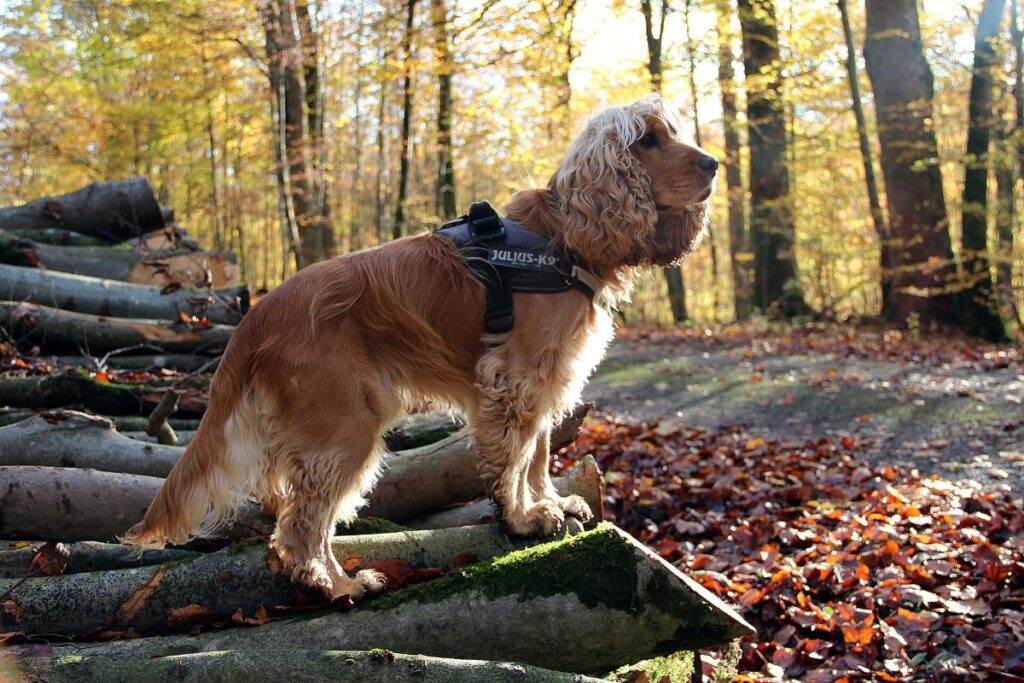
    A black English Cocker Spaniel puppy
    A black English Cocker Spaniel puppy. Our pick: KONG Classic on Amazon.ca. Photo: Unknown, via Wikimedia Commons, CC BY-SA 3.0
    Socialisation: the most important job

    Between roughly three and fourteen weeks of age, puppies are especially open to new experiences. Gentle, positive exposure to different people, friendly vaccinated dogs, sounds, surfaces, car rides, grooming and household life during this window helps produce a confident adult. Go at your puppy’s pace, pair new things with treats and play, and avoid overwhelming situations. Your vet can advise on when it is safe to visit public places based on your puppy’s vaccinations.

    Feeding your puppy

    Keep feeding the breeder’s food at first, then change gradually if you want to switch. Puppies usually need three or four small meals a day, reducing as they grow. Use part of the daily food allowance for training rewards so your puppy does not gain too much weight. Our feeding guide covers this in more detail.

    Exercise for a growing cocker

    Puppies need play and exploration, but not long, forced walks. Short outings, free play in a safe area and sniffing games are ideal. Build up exercise gradually as your puppy grows; see our exercise guide.

    Common puppy challenges

    Mouthing and nipping

    Cocker puppies explore with their mouths. Redirect nipping onto a chew toy, pause play if teeth touch skin, and make sure your puppy gets enough sleep; overtired puppies bite more. Avoid rough hand games.

    Stealing and carrying

    Many cockers love to pick up socks and shoes. Instead of chasing, teach a trade: offer a treat for the item, then give it back sometimes so your puppy learns that giving things up is rewarding. This helps prevent resource guarding later.

    Crying in the crate

    Make the crate a happy place with meals, chews and short practice sessions during the day. At night, settle your puppy beside you at first and gradually move the crate if you wish. If your puppy cries in the night, it may need the toilet; take it out calmly, then straight back to bed.

    Frequently asked questions

    What size crate does an English Cocker puppy need?

    A crate around 30 to 36 inches long suits most adult English Cockers. Buy the adult size and use a divider to make it smaller while your puppy is young.

    When can my puppy go for walks?

    Ask your vet. Many advise waiting until a set time after the final puppy vaccinations before walking in public areas, while still socialising your puppy safely before then.

    How often does a puppy need to go out to toilet?

    Very often: after waking, eating, drinking and playing, and every hour or two when awake at first.

    When should I start grooming my puppy?

    From the first week, with gentle brushing, handling of ears and paws, and short sessions rewarded with treats.

    Featured photo: No machine-readable author provided. Michiel1972 assumed (based on copyright cla, via Wikimedia Commons, CC BY-SA 3.0

  • How to Find a Responsible English Cocker Spaniel Breeder

    How to Find a Responsible English Cocker Spaniel Breeder

    Updated November 2026. English Cocker Spaniel Guide is an independent site, not affiliated with any breed club or kennel club. Some links are affiliate links: as an Amazon Associate we earn from qualifying purchases.

    Where your puppy comes from is the single biggest factor in how healthy and well-adjusted it will be. A responsible breeder health-tests the parents, raises puppies in a home environment, socialises them carefully and stays in touch for the life of the dog. A puppy mill or casual backyard breeder does none of that, and the difference often shows up later as health problems, anxiety or behaviour issues. This guide explains how to find a good English Cocker Spaniel breeder, the questions to ask, and the warning signs to walk away from.

    What a responsible breeder does

    • Health-tests both parents for the conditions relevant to the breed and shows you the certificates
    • Breeds only a small number of litters, and plans each one carefully
    • Raises puppies in the home, with exposure to everyday sights, sounds and people
    • Lets you meet the mother, and often the father or his details, and see where the puppies live
    • Asks you as many questions as you ask them, because they care where their puppies go
    • Provides a written contract, registration papers, vaccination and deworming records, and a health guarantee
    • Will take the dog back at any point in its life if you can no longer keep it
    Black English Cocker Spaniel puppies
    Black English Cocker Spaniel puppies. Photo: Unknown, via Wikimedia Commons, CC BY-SA 3.0

    Health testing: what to ask for

    Ask to see results for both parents, not just a verbal reassurance. For English Cockers, commonly used tests include DNA tests for progressive retinal atrophy (prcd-PRA), familial nephropathy (FN) and adult-onset neuropathy (AON), hip evaluations, and regular eye examinations by a veterinary ophthalmologist. Breeders of parti-colours and roans often have puppies hearing-tested. Recommendations change over time, so check the current advice of your national kennel club. Our health guide explains each test.

    Many results can be checked independently in public databases such as the Orthopedic Foundation for Animals (OFA) in North America, using the dog’s registered name or number.

    Questions to ask a breeder

    1. How long have you been breeding English Cockers, and why this breed?
    2. Are these show or working lines, and what are the parents like at home?
    3. Which health tests have the parents had, and can I see the results?
    4. How have the puppies been socialised so far?
    5. At what age do puppies go home? (Usually around eight weeks or older.)
    6. What food are they eating, and what vaccinations and deworming have they had?
    7. What does your contract include, and will you take the dog back if needed?
    8. Can I contact people who have bought puppies from you before?

    A good breeder will also want to know about your home, your schedule, your experience with dogs and how you plan to exercise and train a lively spaniel. If they ask nothing at all, be cautious.

    English Cocker Spaniel puppies with toys
    English Cocker Spaniel puppies with toys. Photo: Joseywales1961, via Wikimedia Commons, CC BY-SA 4.0

    Red flags

    • Several breeds available, or puppies always available with no waiting list
    • Reluctance to show you the mother or where the puppies are raised
    • Meeting in a parking lot or offering to deliver a puppy you have not seen
    • No health test results, or vague answers such as “the vet checked them”
    • Puppies going home before eight weeks
    • Pressure to pay a deposit immediately
    • Prices that seem unusually low, or advertisements with stock photos

    Avoiding online scams

    Puppy scams are common: fake websites and social media accounts advertise puppies that do not exist, take deposits and “shipping fees”, then disappear. Protect yourself by visiting in person or holding a live video call with the breeder and puppies, searching the breeder’s name and photos online, paying by a traceable method, and never paying for a puppy you have not confirmed exists. If a deal seems too good to be true, it is.

    Show line or working line?

    Decide which type suits your lifestyle before you contact breeders. Show-bred English Cockers tend to have more coat and a slightly calmer temperament; working-bred cockers are usually more driven and need more exercise and training. Our guide to show vs working cockers explains the differences.

    Where to find good breeders

    • Your national kennel club’s breeder listings (in Canada, the Canadian Kennel Club)
    • Regional and national breed clubs, which often keep breeder directories and codes of ethics
    • Dog shows, field trials and working tests, where you can meet dogs and breeders in person
    • Recommendations from owners whose dogs you like

    Being listed in a directory is a starting point, not a guarantee. Still ask every question above.

    Waiting lists and timing

    Good breeders often have a waiting list, sometimes of many months, because they breed only a few litters. Use the wait to prepare: research training, find a vet and a puppy class, and get your puppy supplies ready.

    Consider adoption too

    Adult English Cockers and cocker mixes sometimes need new homes through breed rescues and shelters. An adult dog can be a wonderful choice, especially if you would rather skip the puppy stage. See our guide to English Cocker rescue and adoption.

    Visiting the litter

    When you visit, notice how the puppies and their mother behave. Puppies should be clean, curious and confident, approaching visitors happily, and the mother should be friendly and relaxed. The area should be clean and the puppies should have toys, different surfaces and household noise around them. Watch how the breeder handles the dogs: calm, kind handling is a good sign. Do not be surprised if a breeder asks you to wash your hands or limits handling of very young puppies; that is about protecting them from infection.

    Frequently asked questions

    How much does an English Cocker puppy cost?

    Prices vary widely by region, lines and breeder. Well-bred, health-tested puppies cost more than puppies from untested parents, but they are far more likely to be healthy. See our guide to the cost of ownership.

    Should I choose a male or a female?

    Both make great pets. Males are often slightly larger; individual temperament matters more than sex. Ask the breeder to help match a puppy to your home.

    At what age should a puppy go home?

    Usually around eight weeks or a little older, once it has had time with its mother and littermates.

    What should come with my puppy?

    Registration papers, a written contract, vaccination and deworming records, health test results for the parents, and information on diet and care.

    Featured photo: User:Michiel1972, via Wikimedia Commons, CC BY-SA 3.0
  • English Cocker Spaniel Health: Common Conditions and Health Tests

    English Cocker Spaniel Health: Common Conditions and Health Tests

    Updated November 2026. English Cocker Spaniel Guide is an independent site, not affiliated with any breed club or kennel club. Some links are affiliate links: as an Amazon Associate we earn from qualifying purchases.

    English Cocker Spaniels are generally robust, active dogs, and many live well into their teens. Like every pedigree breed, though, they carry some inherited health risks, and their long ears and love of water bring a few everyday problems of their own. Knowing what to look out for, and which health tests responsible breeders use, helps you choose a healthy puppy and spot problems early. This guide is general information; always talk to your veterinarian about your own dog.

    Health tests to ask a breeder about

    Responsible breeders screen their breeding dogs for inherited conditions and are happy to show you the results for both parents. The exact recommendations vary by country and kennel club, and new tests are developed over time, so check the current recommendations of your national kennel club or the Orthopedic Foundation for Animals (OFA). Commonly used tests include:

    ConditionType of testWhat it means
    Progressive retinal atrophy (prcd-PRA)DNA testInherited degeneration of the retina leading to blindness
    Familial nephropathy (FN)DNA testInherited kidney disease that can cause kidney failure in young dogs
    Adult-onset neuropathy (AON)DNA testInherited nerve disease causing weakness later in life
    Hip dysplasiaX-ray evaluationAbnormal hip development that can lead to arthritis
    Inherited eye diseasesEye exam by a veterinary ophthalmologistScreens for cataracts and other eye problems, usually repeated regularly
    Congenital deafnessBAER hearing testEspecially relevant for parti-colours and roans with a lot of white

    For DNA-tested recessive conditions, a dog can be clear, a carrier or affected. Carriers can be bred safely to clear dogs, because puppies will not be affected, so “carrier” on a certificate is not a red flag if the breeder understands how to use the results.

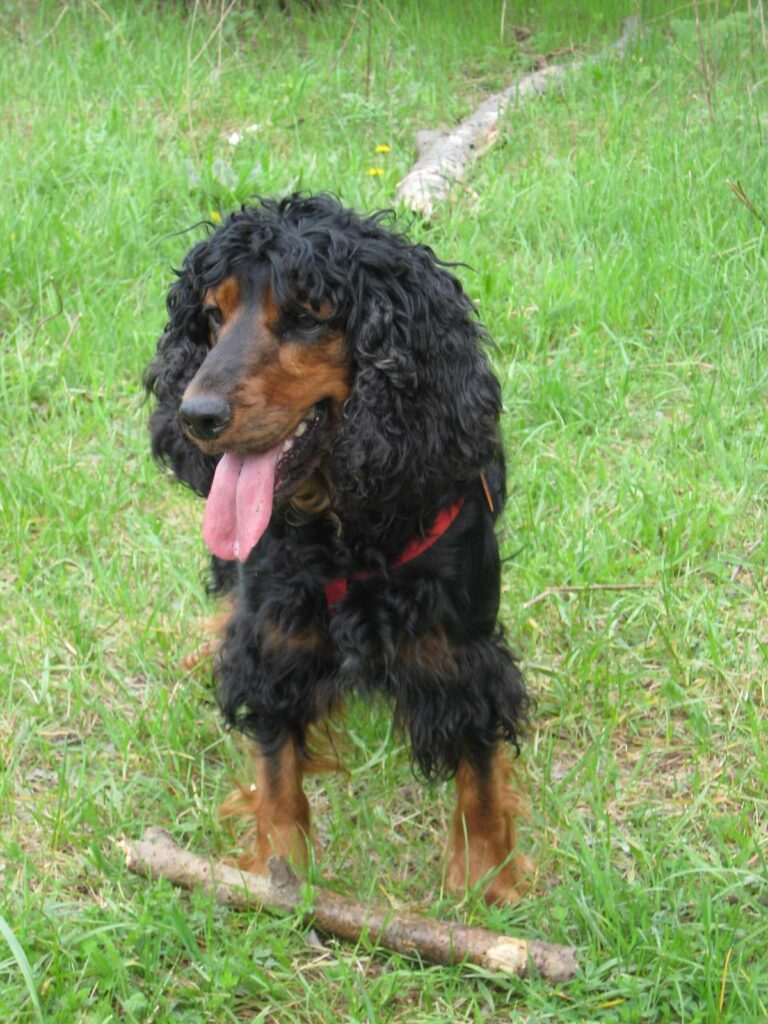
    A blue roan English Cocker Spaniel
    A blue roan English Cocker Spaniel. Photo: Gürkan Sengün, via Wikimedia Commons, CC BY-SA 3.0
    Ear infections

    The most common health complaint in cockers is ear infection (otitis externa). Long, heavy, hairy ears trap warmth and moisture, creating ideal conditions for yeast and bacteria. Signs include head shaking, scratching at the ears, redness, a bad smell, discharge or a dog that resents having its ears touched. Weekly checks, keeping the hair around the ear canal tidy, drying ears after swimming and cleaning with a vet-recommended ear cleaner all help. Recurring infections can have an underlying cause such as allergies, so see your vet rather than treating repeatedly at home. Our ear care guide covers this in detail.

    Eye conditions

    As well as PRA, cockers can develop cataracts, glaucoma, and eyelid problems such as entropion (eyelids rolling inward) or ectropion (eyelids rolling outward). Watch for cloudiness, redness, squinting, excessive tearing or changes in vision, and see your vet promptly; some eye conditions, such as glaucoma, are emergencies.

    Hips and joints

    Hip dysplasia occurs in the breed, and like any active dog, cockers can injure joints and ligaments. Keeping your dog lean is one of the best things you can do for its joints throughout life. A supportive orthopedic bed helps older dogs.

    A liver English Cocker Spaniel
    A liver English Cocker Spaniel. Photo: No machine-readable author provided. Akumiszcza assumed (based on copyright clai, via Wikimedia Commons, CC BY 3.0

    Weight and diet

    Cockers love food and are skilled at persuading their owners to share. Excess weight puts strain on joints, heart and breathing and can shorten life. Weigh your dog regularly, measure meals, account for treats, and ask your vet to show you how to body-condition score. See our guide to feeding an English Cocker.

    Dental health

    Small and medium dogs often develop tartar and gum disease. Daily or regular brushing with a dog toothbrush and toothpaste, plus regular checks at the vet, can prevent painful problems later.

    Skin and allergies

    Some cockers develop allergies that show up as itchy skin, paw licking or repeated ear infections. Seborrhea and skin infections can also occur. Your vet can help find the cause, which may involve diet trials or allergy testing.

    Behaviour and health

    Sudden, unexplained aggression in cockers, sometimes called “rage syndrome”, has been discussed in the breed for decades. It is uncommon, and many cases of aggression turn out to have other causes, including pain, fear or resource guarding. Any sudden change in behaviour is a reason to see your vet first and then a qualified behaviourist.

    Preventive care checklist

    • Annual vet check-ups, more often for seniors
    • Vaccinations and parasite prevention as recommended by your vet
    • Weekly ear checks and regular cleaning
    • Regular tooth brushing
    • Nail trims every few weeks; see our nail grinder guide
    • Keeping your dog at a healthy weight
    • A basic first aid kit for walks and travel

    Pet insurance or a dedicated savings account can make unexpected vet bills easier to manage; see our guide to the cost of owning an English Cocker.

    When to call the vet straight away

    Some signs should never wait for a routine appointment. Contact your veterinarian or an emergency clinic promptly if your cocker shows any of the following:

    • A painful, red or cloudy eye, or sudden squinting
    • Repeated vomiting or diarrhoea, especially with lethargy
    • Drinking and urinating much more than usual, which can be an early sign of kidney or other disease
    • Difficulty breathing, collapse or a swollen, hard belly
    • Sudden lameness, weakness or reluctance to move
    • Head tilt, loss of balance or severe ear pain
    • Eating something toxic, such as chocolate, grapes, xylitol or medications

    Keep your vet’s number and the nearest emergency clinic saved in your phone, and keep your dog’s vaccination and medical records together so you can share them quickly.

    Frequently asked questions

    Are English Cocker Spaniels healthy dogs?

    Generally, yes. Choosing a puppy from health-tested parents and keeping up with preventive care gives your dog the best chance of a long, healthy life.

    Why does my cocker keep getting ear infections?

    Long, heavy ears trap moisture and warmth. Allergies are a common underlying cause of repeat infections, so ask your vet to investigate.

    What does “carrier” mean on a DNA test?

    The dog has one copy of a gene variant but is not affected. Carriers can be bred safely to clear dogs without producing affected puppies.

    How long do English Cockers usually live?

    Many live around 12 to 14 years, and some longer.

    Featured photo: Jean-Pol GRANDMONT, via Wikimedia Commons, CC BY 4.0

  • English Cocker Spaniel Breed Guide: Size, Temperament, Care and Health

    English Cocker Spaniel Breed Guide: Size, Temperament, Care and Health

    Updated November 2026. English Cocker Spaniel Guide is an independent site, not affiliated with any breed club or kennel club. Some links are affiliate links: as an Amazon Associate we earn from qualifying purchases.

    The English Cocker Spaniel is a cheerful, compact sporting dog with a soft expression, a constantly wagging tail and a nose that never stops working. Bred in Britain to flush and retrieve game, it has become one of the most popular family dogs in the world, admired for its affectionate nature and adaptability. This guide covers everything you need to know before bringing one home: size, temperament, exercise, grooming, health and what daily life with an English Cocker is really like.

    Breed at a glance

    TraitEnglish Cocker Spaniel
    GroupSporting (gundog)
    HeightMales about 16 to 17 in; females about 15 to 16 in (AKC standard)
    WeightAbout 26 to 34 lb
    Life expectancyTypically around 12 to 14 years
    CoatSilky, medium length, with feathering
    ColoursSolids, parti-colours and roans, with or without tan
    EnergyHigh; needs daily exercise and mental work
    Good with childrenUsually, when well bred and socialised
    SheddingModerate
    GroomingRegular brushing, trimming and ear care

    Where the breed comes from

    Spaniels have been used in Britain for centuries to find birds and flush them for hunters. As the different spaniel types were separated in the nineteenth century, the smaller dogs that excelled at flushing woodcock became known as cockers. The breed developed in Britain and spread around the world, and in North America the English Cocker was eventually recognised as a separate breed from the American Cocker Spaniel. Read more in our history of the English Cocker and our comparison of English and American Cockers.

    An English Cocker Spaniel sitting in the grass
    An English Cocker Spaniel sitting in the grass. Photo: Jean-Pol GRANDMONT, via Wikimedia Commons, CC BY 4.0

    Temperament

    The breed is famous for its “merry” temperament, and the description fits: most English Cockers are happy, sociable dogs that love being involved in whatever their people are doing. They are typically affectionate with family, friendly with visitors and good with other dogs when socialised. Many are sensitive to harsh handling and respond far better to calm, reward-based training. Because they were bred to work closely with a handler, they want to be with you, and some can struggle if left alone for long periods. See our full guide to English Cocker temperament.

    Show and working lines

    Over the past century, English Cockers have been bred along two broad lines. Show-bred dogs are selected for appearance and movement in the ring and tend to have more coat, heavier bone and a slightly calmer manner. Working-bred dogs are selected for performance in the field and are usually lighter, faster, more driven and shorter-coated. Both can make excellent pets, but a working cocker generally needs more exercise and mental stimulation. Our guide to show vs working cockers compares them in detail.

    Exercise and activity

    An English Cocker is an athlete in a small body. Most need at least an hour of exercise a day, ideally including a chance to run free in a safe area, and they love games that use their noses, such as retrieving, scent work and hunting for hidden toys. Without enough to do, a bored cocker may bark, chew or invent its own entertainment. See how much exercise an English Cocker needs and our recall training guide.

    A black English Cocker Spaniel
    A black English Cocker Spaniel. Photo: BentaxGermany, via Wikimedia Commons, CC0

    Grooming

    The silky coat needs brushing a few times a week to keep feathering on the ears, legs and belly free of mats, plus a trim every six to eight weeks or so. Long ears also need weekly checks and regular cleaning, because spaniels are prone to ear infections. Many owners learn to trim at home with a pair of grooming scissors and a good slicker brush; others book a groomer. Our grooming guide walks through it.

    Health

    English Cockers are generally a healthy breed, but some inherited conditions occur, including progressive retinal atrophy, familial nephropathy, adult-onset neuropathy and hip dysplasia. Responsible breeders use DNA tests and screening to reduce these risks. Ear infections are the most common everyday problem. Read our English Cocker health guide and ear care guide.

    Living with an English Cocker

    • Homes: they adapt to houses or apartments, as long as they get enough exercise.
    • Families: usually wonderful with children who are taught to be gentle; supervise young kids with puppies.
    • Other pets: most get on well with other dogs; some have a strong interest in birds and small animals.
    • Being alone: they prefer company; build up time alone gradually and use a comfortable crate as a safe den.
    • Mess: expect muddy feathering after walks and a love of water; a drying coat or towel helps.

    Is an English Cocker right for you?

    An English Cocker is a great choice for people who enjoy daily walks, like training and want an affectionate, sociable companion of manageable size. It is less suited to homes where the dog would be alone all day, or to people who want a low-maintenance coat. If you decide to go ahead, start with our guides to finding a responsible breeder, adopting a rescue and preparing for a puppy, and estimate the cost of ownership.

    Training an English Cocker

    English Cockers are intelligent and eager to please, which makes them rewarding to train, but they are also easily distracted by interesting smells and birds. Short, upbeat sessions with food rewards and play work best. Start with the basics from the day your puppy comes home: name response, sit, down, a reliable recall and walking nicely on a lead. A well-fitted harness and a long training line make outdoor training much easier, and small, soft training treats keep motivation high.

    Many cockers love to carry things, which can be channelled into retrieving games and is a big help with “drop” and “give” training. Some are prone to resource guarding toys or food, so teach trading games early and never chase a dog to take things away. Puppy classes are a great way to socialise your dog and learn good habits together.

    Frequently asked questions

    Are English Cocker Spaniels good family dogs?

    Yes, typically. They are affectionate and playful, and well-bred, well-socialised dogs are usually excellent with children.

    Do English Cockers bark a lot?

    They can be vocal, especially when bored or excited. Enough exercise and training keeps barking manageable.

    Do English Cocker Spaniels shed?

    Yes, moderately. Regular brushing removes loose hair and keeps the coat in good condition.

    How long do English Cocker Spaniels live?

    Many live around 12 to 14 years, and some longer, with good care.

    Featured photo: Jean-Pol GRANDMONT, via Wikimedia Commons, CC BY 4.0